Weld Overlay Cladding for Corrosion Protection
Dec . 23, 2025 21:20
Back to list
Weld Overlay Cladding for Corrosion Protection
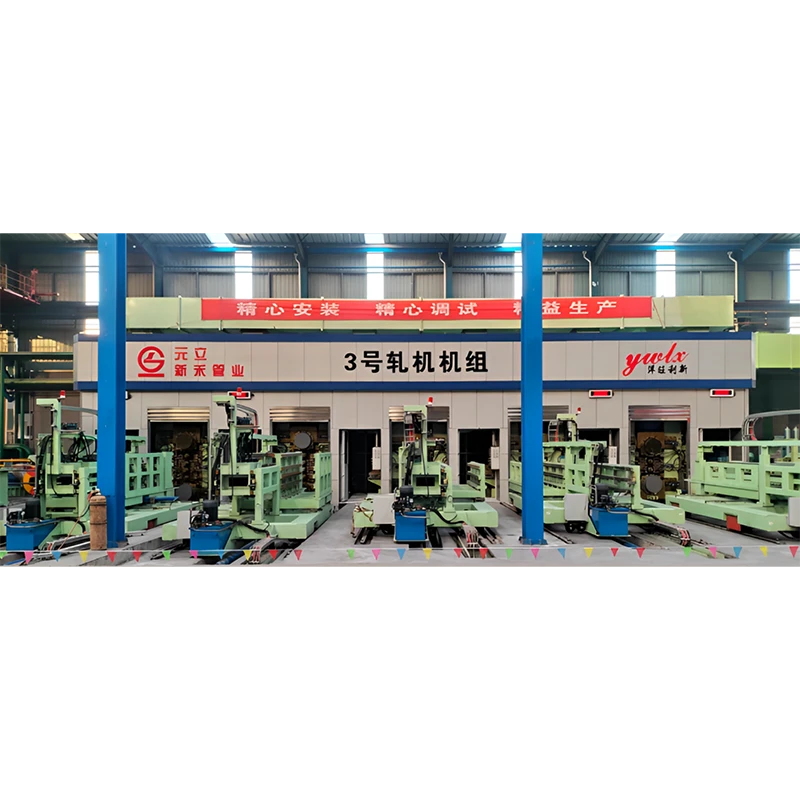
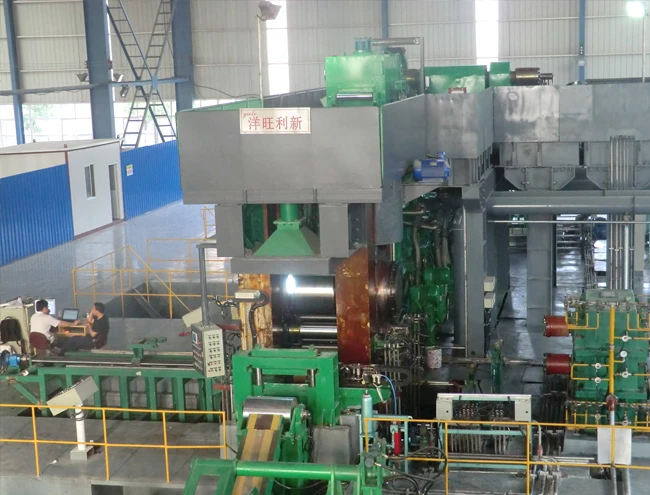
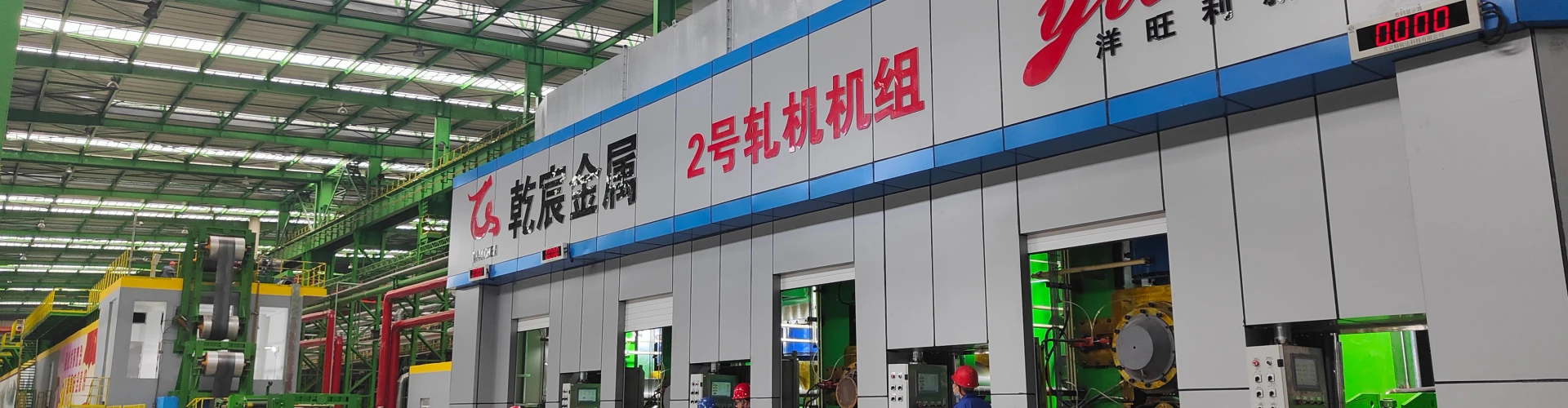
In industries such as chemical, petrochemical, marine, and automotive, corrosion of metal components has always been a major challenge that affects equipment service life, operational safety, and production costs. Weld overlay cladding, as an advanced corrosion protection technology, achieves effective anti-corrosion by depositing a layer of corrosion-resistant material on the surface of the base metal through a specialized cladding process. This technology has become an essential solution for extending the service life of key equipment and reducing maintenance costs. Among professional weld overlay companies, Beijing Yang Wang Li Xin Sci&Tech Co.,Ltd. (YWLX), established in 2003, is a preeminent professional turn-key project provider specializing in metallurgical rolling machinery for the iron, steel, and non-ferrous industries. With the invaluable expertise of its founder Dr. Yang (former department head at the China Top Iron & Steel Research Institute) and the team, YWLX has made in-depth innovations in cladding process technology, independently developing advanced cold rolling cladding technology that provides high-quality corrosion protection solutions for global customers.
Basic Principle And Corrosion Protection Advantages Of Weld Overlay Cladding
-
Core Principle: Weld overlay cladding operates by melting the corrosion-resistant cladding material and the surface layer of the base metal simultaneously through a welding heat source, forming a metallurgical bond between the two after cooling. This metallurgical bonding ensures tight adhesion of the cladding layer to the base metal, avoiding peeling or detachment that may occur with simple coating processes. The cladding process can be tailored to different base metals (such as steel, aluminum, copper) and working environments to select appropriate cladding materials, achieving targeted corrosion protection.
-
Key Anti-Corrosion Advantages: Compared with traditional anti-corrosion methods such as painting and electroplating, weld overlay cladding offers distinct advantages: first, excellent corrosion resistance, as the cladding layer is made of high-performance corrosion-resistant materials (such as stainless steel, nickel-based alloys) that can withstand harsh environments like strong acids, alkalis, and salt sprays; second, high mechanical strength, the metallurgical bond ensures the cladding layer has good wear resistance and impact resistance, adapting to complex working conditions; third, long service life, the stable cladding structure can maintain effective corrosion protection for decades, significantly reducing the frequency of equipment maintenance and replacement.
-
YWLX's Technological Innovation: As one of the leading weld overlay companies, YWLX has broken through the limitations of traditional explosion cladding and hot rolling cladding technologies. Its independently developed cold rolling cladding technology optimizes the cladding process to avoid issues such as low surface quality, low yield, high energy consumption, and high environmental protection investment that plague traditional processes. This innovation further enhances the corrosion protection performance and application value of weld overlay cladding products.
-
Wide Application Adaptability: The cladding process of YWLX covers a variety of material combinations, including copper-steel, aluminum-steel, copper-aluminum, aluminum-stainless steel, and stainless steel-steel cladding technologies. These technologies can produce bimetallic or trimetallic composite materials in a single production line, meeting the diverse corrosion protection needs of industries such as electronics, decoration, chemicals, and automobiles.
Key Factors Affecting The Quality Of Weld Overlay Cladding Process
|
Affecting Factor
|
Specific Impact Mechanism
|
Applicable Cladding Scenarios
|
YWLX's Control Measures
|
|
Selection Of Cladding Material
|
Inappropriate cladding material matching with the base metal or working environment will lead to poor corrosion protection effect and weak metallurgical bonding, reducing the service life of the cladding layer
|
Chemical industry (strong acid/alkali environment), marine (salt spray corrosion), automotive (corrosion-resistant components)
|
Provide professional material selection consultation based on customer's working conditions; independently develop multi-material cladding technologies (copper-steel, aluminum-stainless steel, etc.) to meet diverse needs
|
|
Welding Heat Source Parameters
|
Excessive heat input will cause deformation of the base metal and coarse grains of the cladding layer; insufficient heat input will result in incomplete metallurgical bonding and gaps between layers
|
Thin-gauge strip cladding, precision component cladding, large-scale equipment cladding
|
Adopt intelligent heat source control system; dynamically adjust parameters such as welding current, voltage, and speed according to material thickness and type; ensure uniform and stable heat input
|
|
Cladding Layer Thickness Uniformity
|
Uneven thickness of the cladding layer will lead to local corrosion vulnerability, reducing the overall corrosion protection performance of the component; excessive thickness will increase material waste and production costs
|
Cold rolling cladding of strips, production of cladding coils, precision corrosion-resistant components
|
Optimize cold rolling cladding process; equip high-precision thickness detection equipment; realize real-time monitoring and adjustment of cladding layer thickness; minimum thickness can reach 0.2mm
|
|
Surface Cleanliness Of Base Metal
|
Oil, rust, and impurities on the surface of the base metal will hinder metallurgical bonding, leading to defects such as pores and inclusions in the cladding layer, which seriously affect corrosion resistance
|
All types of weld overlay cladding processes, especially high-precision composite strip production
|
Add pre-treatment process for base metal surface (degreasing, derusting, cleaning); adopt closed-loop quality inspection for surface cleanliness; ensure the base metal surface meets cladding requirements
|
Advanced Cladding Processes Developed By YWLX For Corrosion Protection
-
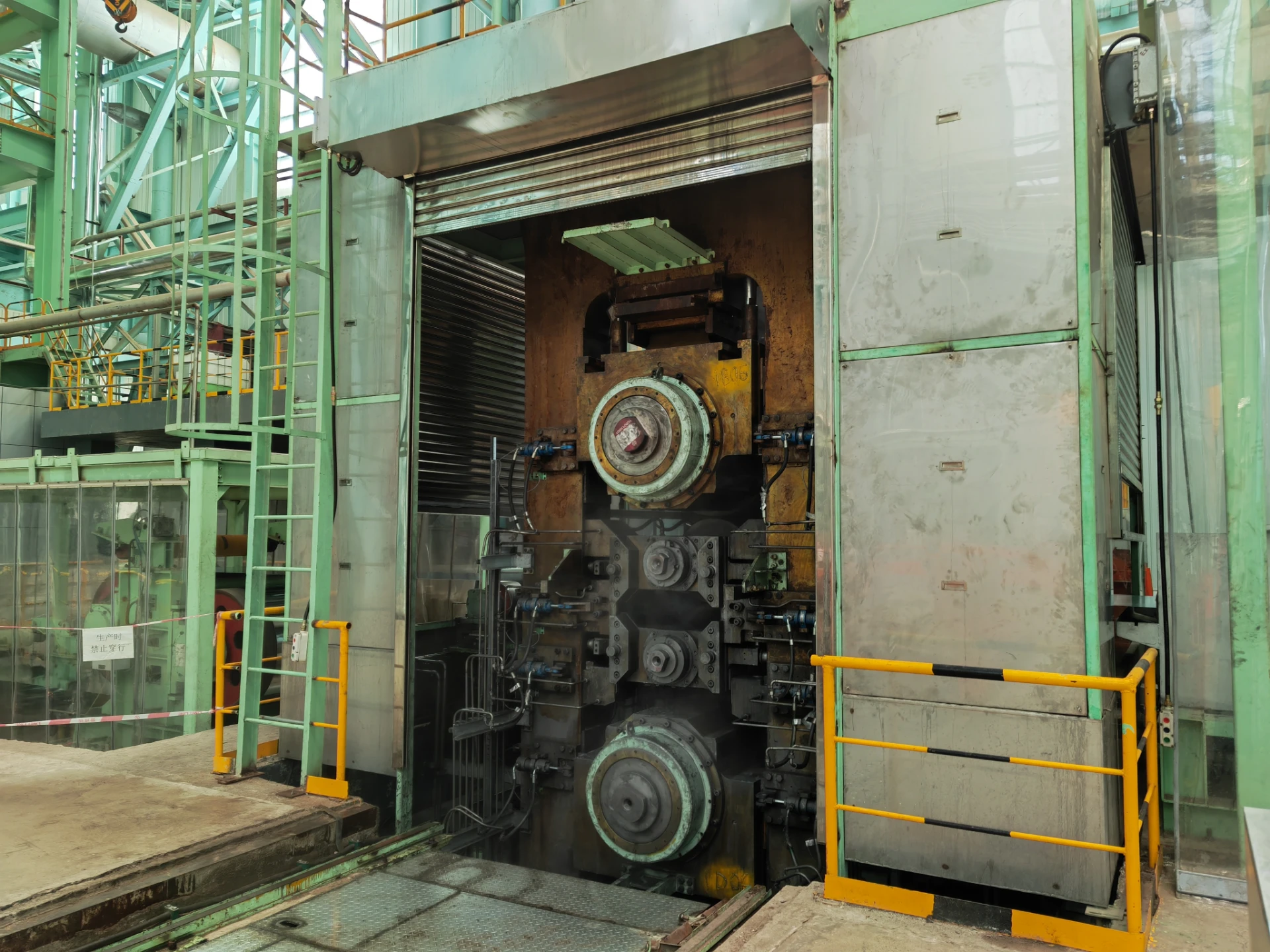
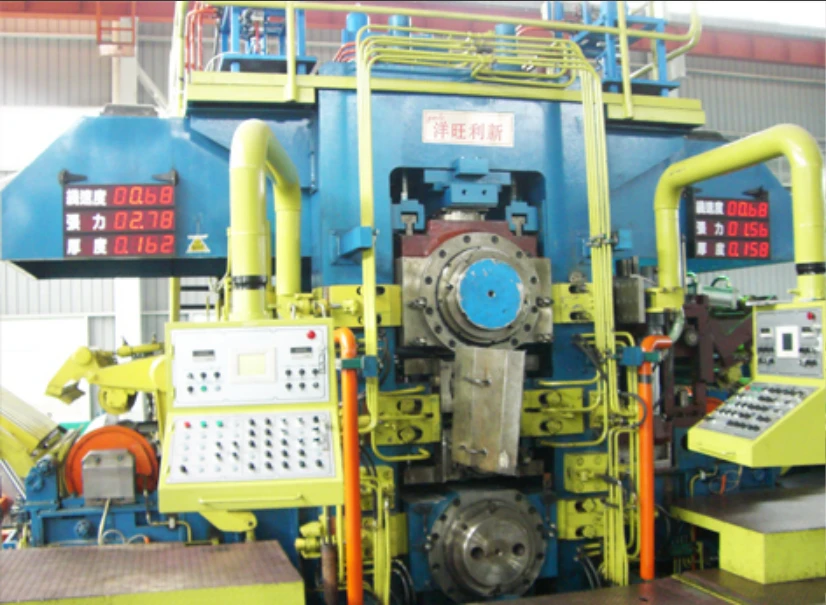
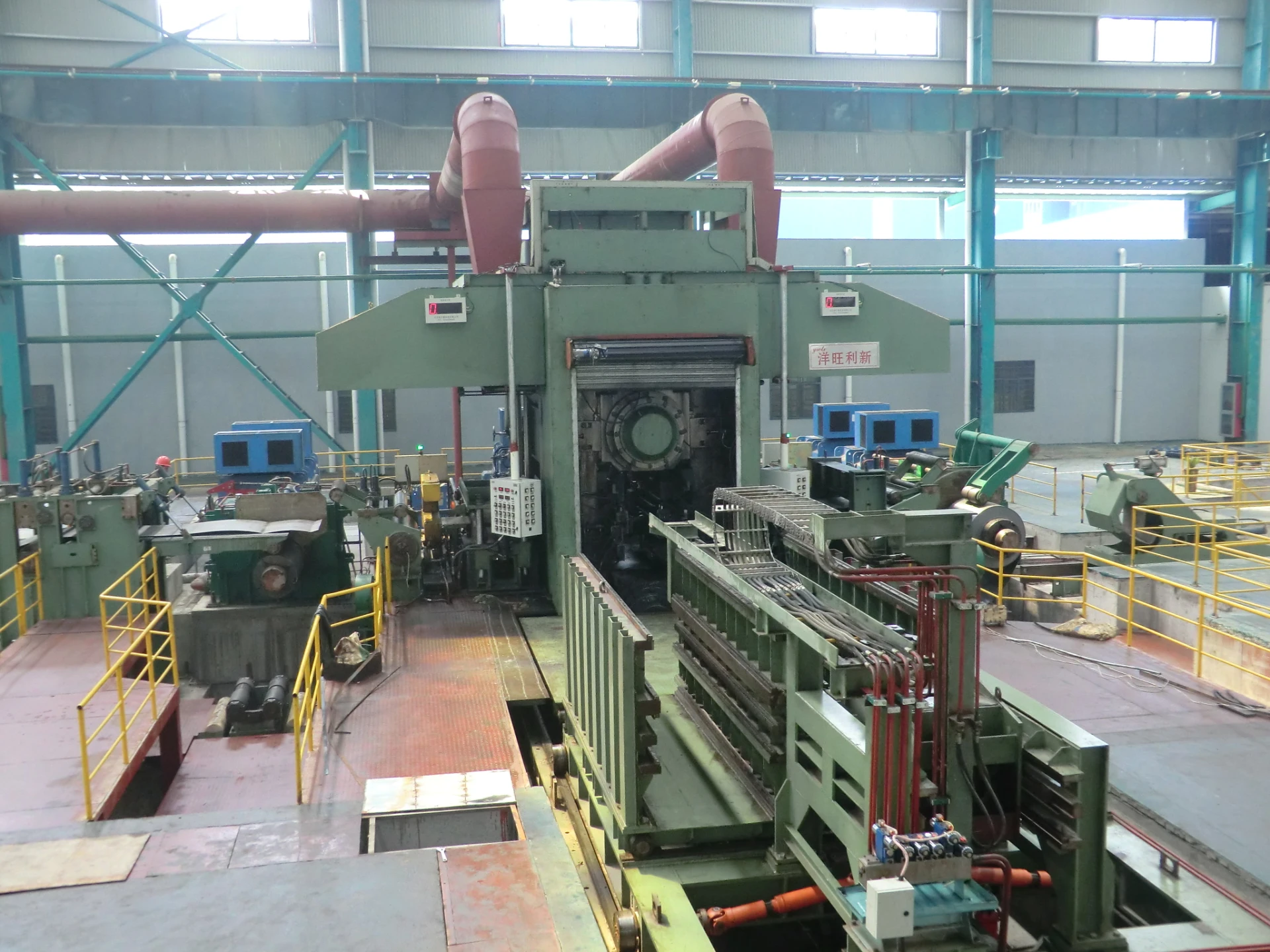
Cold Rolling Cladding Technology: Combining the latest global cold rolling cladding strip technology, YWLX's cladding rolling business department has independently developed cold rolling cladding process and complete sets of equipment. This technology avoids the shortcomings of traditional explosion cladding and hot rolling cladding, such as low surface quality and high energy consumption. It can produce high-quality composite strips with width up to 1000mm and minimum thickness of 0.2mm, which are widely used in corrosion-resistant scenarios such as electronic components and automotive parts.
-
Multi-Material Composite Cladding Technology: YWLX has mastered a variety of multi-material cladding process technologies, including copper-steel, aluminum-steel, copper-aluminum, aluminum-stainless steel, and stainless steel-steel cladding. These technologies can realize bimetallic or trimetallic composite bonding in a single production line, giving full play to the corrosion resistance of cladding materials and the mechanical strength of base metals. Among them, copper-steel and aluminum-steel cladding technologies have been applied in actual production, achieving stable and reliable corrosion protection effects.
-
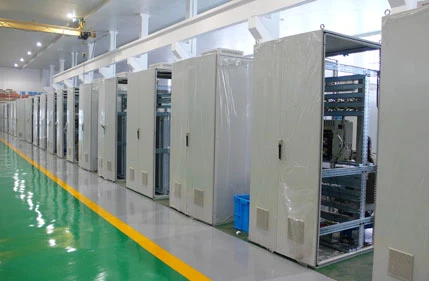
Intelligent Cladding Process Control Technology: As one of the professionalweld overlay companies, YWLX integrates intelligent control systems into the cladding process. The system can real-time monitor key parameters such as heat input, cladding layer thickness, and material temperature, and automatically adjust process parameters according to preset standards. This not only ensures the stability of cladding quality but also improves production efficiency, reducing the impact of human factors on product quality.
-
Environmentally Friendly Cladding Technology: Aiming at the high environmental protection investment problem of traditional cladding processes, YWLX's cold rolling cladding process adopts environmentally friendly production technologies, reducing energy consumption and waste emissions. The process meets global environmental protection standards, helping customers achieve green production while ensuring corrosion protection performance.
Application Value Of Weld Overlay Cladding In Key Industries
-
Chemical Industry: In the chemical industry with harsh corrosion environments (such as strong acids, alkalis, and organic solvents), weld overlay cladding can effectively protect the surface of reaction vessels, pipelines, and other key equipment. YWLX's stainless steel-steel cladding products have excellent corrosion resistance, extending the service life of equipment by more than 50% and reducing maintenance costs significantly.
-
Automotive Industry: The application of composite strips produced by cladding process in the automotive industry is gradually expanding, replacing traditional non-ferrous materials and stainless steel. YWLX's aluminum-steel and copper-steel cladding strips are used in automotive corrosion-resistant components (such as fuel pipes, heat exchangers), which not only ensure corrosion resistance but also reduce the weight of the vehicle, contributing to energy conservation and emission reduction.
-
Electronic Industry: Precision electronic components have high requirements for corrosion resistance and surface quality. YWLX's cold rolling cladding technology produces composite strips with high surface quality and uniform thickness, which are used in electronic connectors, battery components, and other products. The stable weld overlay cladding quality ensures the reliability and service life of electronic products.
-
Marine Industry: Marine environments are characterized by strong salt spray corrosion, which severely affects the service life of marine equipment.Weld overlay cladding products of YWLX (such as aluminum-stainless steel composite materials) can resist salt spray corrosion for a long time, protecting hulls, offshore platforms, and other marine structures, and ensuring the safety and stability of marine operations.
Weld Overlay Cladding FAQs
What Are The Differences Between YWLX's Cold Rolling Cladding Process And Traditional Explosion Cladding
Compared with traditional explosion cladding, YWLX's cold rolling cladding process has obvious advantages: first, higher surface quality, avoiding surface defects caused by explosion impact; second, higher yield, reducing material waste; third, lower energy consumption and environmental protection investment, complying with green production requirements; fourth, better thickness uniformity, capable of producing thin-gauge composite strips with minimum thickness of 0.2mm. In terms of application scenarios, cold rolling cladding is more suitable for mass production of composite strips, while explosion cladding is more suitable for large-scale thick-plate components. As professional weld overlay companies, YWLX's cold rolling technology fills the gap in high-precision thin-gauge cladding production.
How To Select The Appropriate Cladding Material For Weld Overlay Cladding Corrosion Protection
The selection of cladding material should be based on three core factors: first, the working environment (such as acid, alkali, salt spray, temperature); second, the base metal type (steel, aluminum, copper, etc.); third, the service requirements (mechanical strength, service life, etc.). For example, in strong acid environments, stainless steel or nickel-based alloys are recommended; in automotive lightweight scenarios, aluminum is preferred as the cladding material. YWLX, as one of the professional weld overlay companies, provides customized material selection solutions based on customer's specific working conditions and has rich experience in multi-materialcladding process to ensure optimal corrosion protection effect.
Can YWLX's Cladding Process Be Used For The Production Of Thick-Gauge Composite Plates
Yes, YWLX's cladding process covers both thin-gauge strips and thick-gauge plates. While its cold rolling cladding technology is mainly used for producing thin-gauge composite strips (minimum thickness 0.2mm, width up to 1000mm), the company also has corresponding technological solutions for thick-gauge composite plates. By optimizing the weld overlay cladding parameters and equipment configuration, YWLX can produce thick-gauge composite plates that meet the corrosion protection and mechanical strength requirements of different industries. Customers can consult YWLX's professional team for customized solutions according to their specific product specifications.
What Is The Service Life Of Products Processed By YWLX's Weld Overlay Cladding Technology
The service life of weld overlay cladding products depends on the working environment and cladding material selection, generally ranging from 15 to 30 years. In mild corrosion environments (such as general atmospheric corrosion), the service life can reach more than 25 years; in harsh environments (such as chemical strong acid/alkali, marine salt spray), the service life is usually 15 to 20 years. YWLX's products adopt high-quality cladding materials and precise cladding process control, ensuring the stability of the metallurgical bond between the cladding layer and the base metal. Compared with traditional anti-corrosion methods, the service life is increased by 50% to 100%.
What Technical Support Does YWLX Provide For Weld Overlay Cladding Projects
As professional weld overlay companies, YWLX provides comprehensive technical support for weld overlay cladding projects: first, pre-sales consultation, designing personalized cladding process and material selection schemes according to customer's corrosion environment and product requirements; second, turn-key services, including process design, equipment manufacturing, installation, and commissioning; third, on-site technical guidance, providing operator training and process debugging support; fourth, after-sales service, regular product quality tracking and maintenance guidance, and timely solving technical problems encountered by customers in use.
Latest news
-
Ship Multi-Project Equipment on the Lantern FestivalNewsMar.03,2026
-
YWLX Deep Dives into Cladding Line with Dubai ClientNewsDec.22,2025
-
1450mm 6-Hi Reversing Mill Goes Live in BangladeshNewsOct.28,2025
-
Sep. 3rd Parade: Carry Forward and Press OnNewsSep.03,2025
-
Indian Clients Visit YWLX to Inspect Skin-pass MillNewsJun.22,2025
-
Full- throttle! YWLX's Intense Production During May DayNewsMay.01,2025
-
YWLX Participated in the 2025 Chinese GAP Program Review ConferenceNewsApr.17,2025
Related Products