How a Cold Reduction Mill Improves Steel Strength
Dec . 24, 2025 19:10
Back to list
How a Cold Reduction Mill Improves Steel Strength
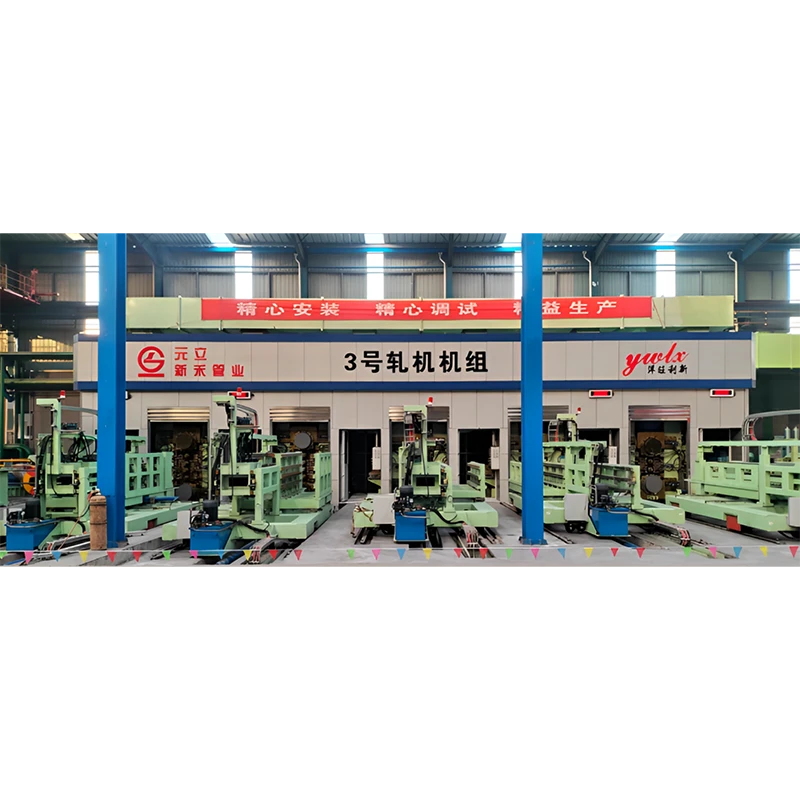
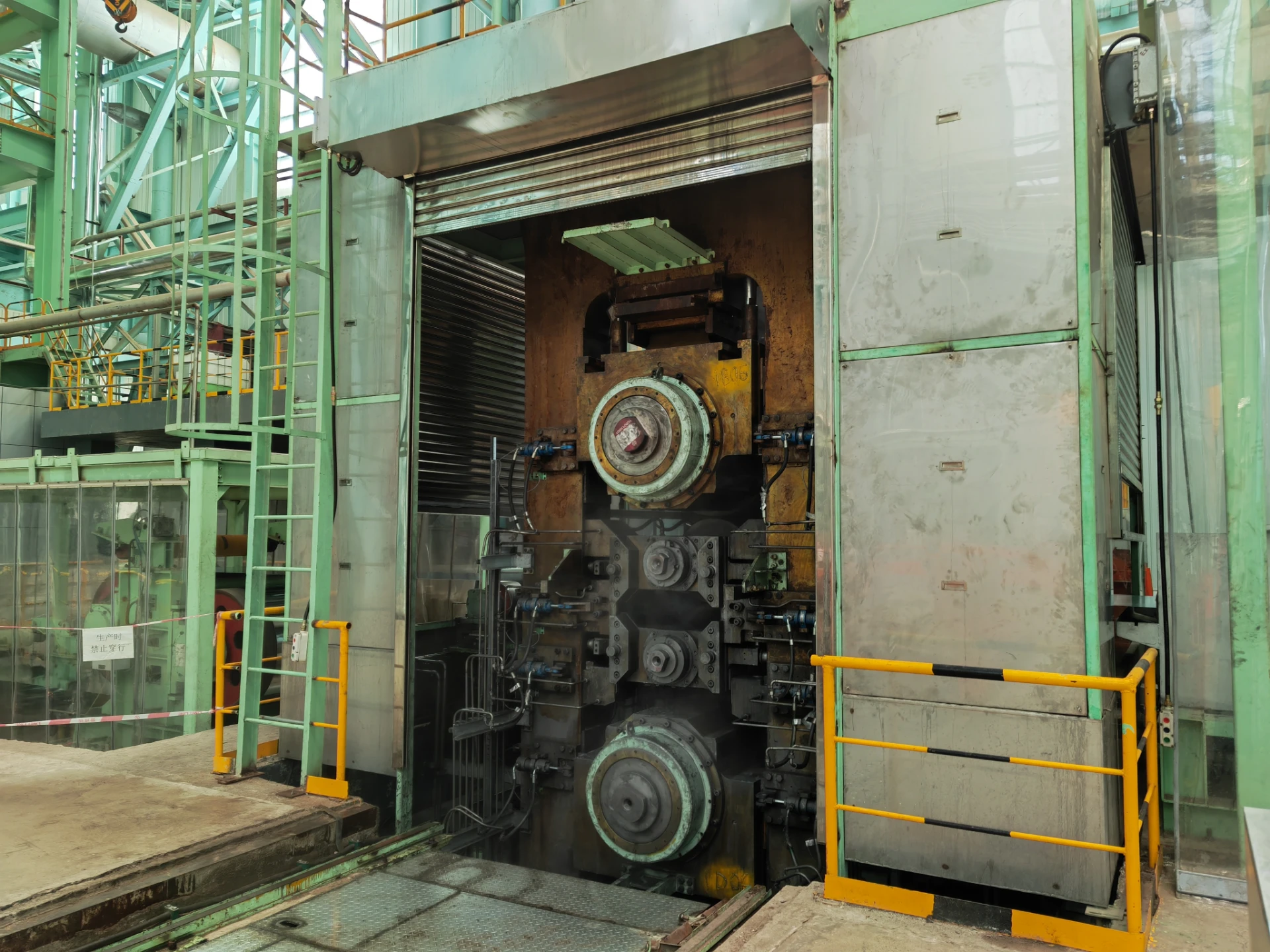
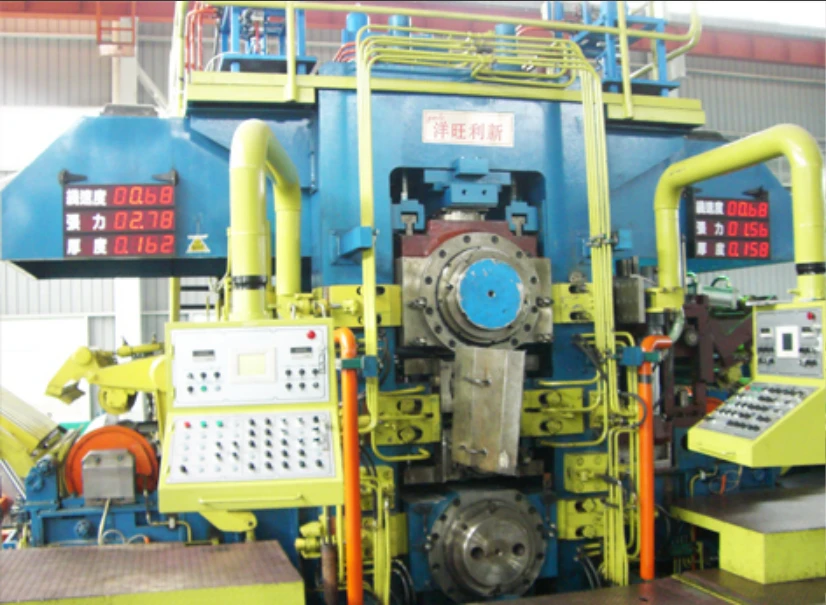
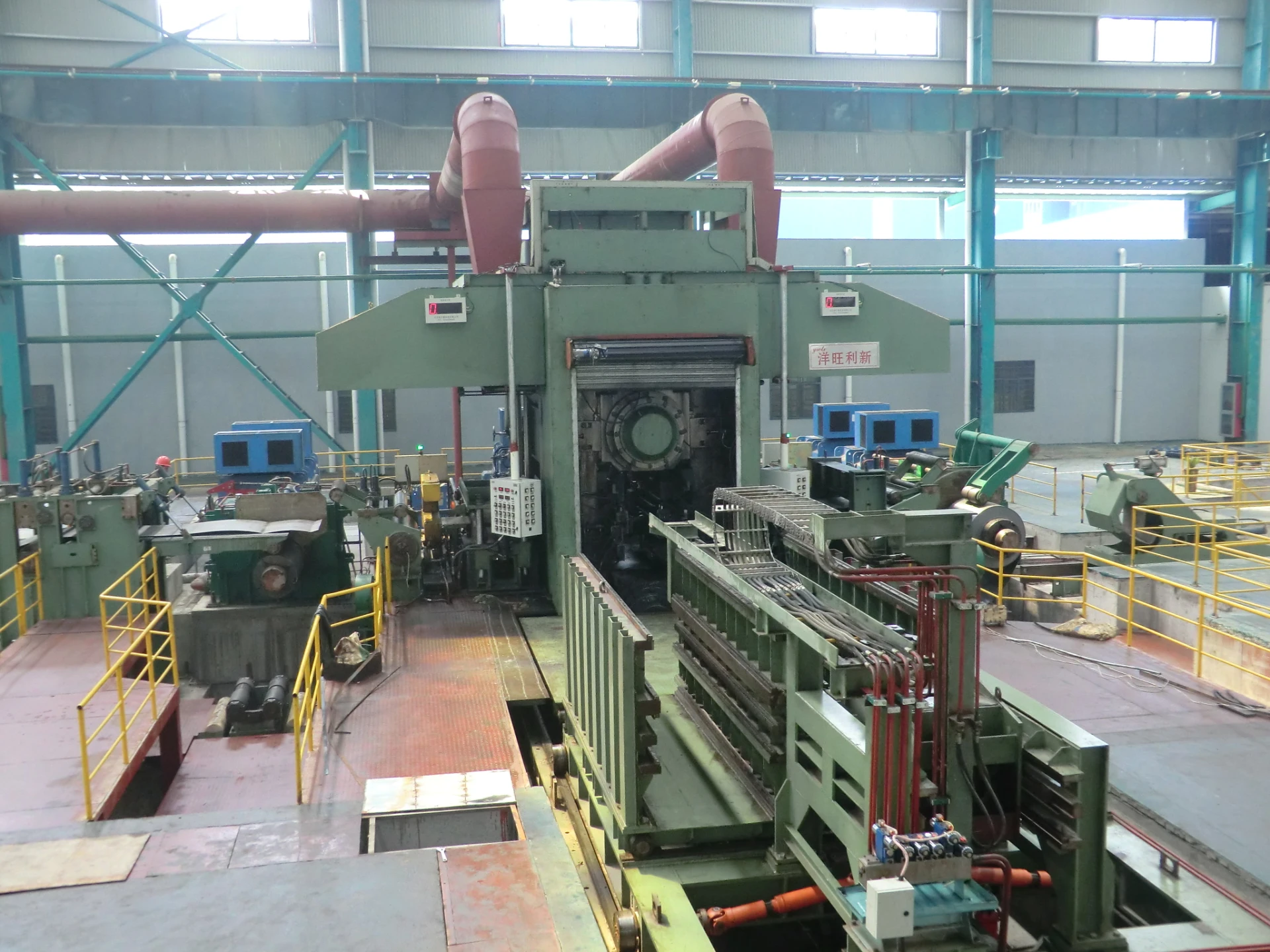
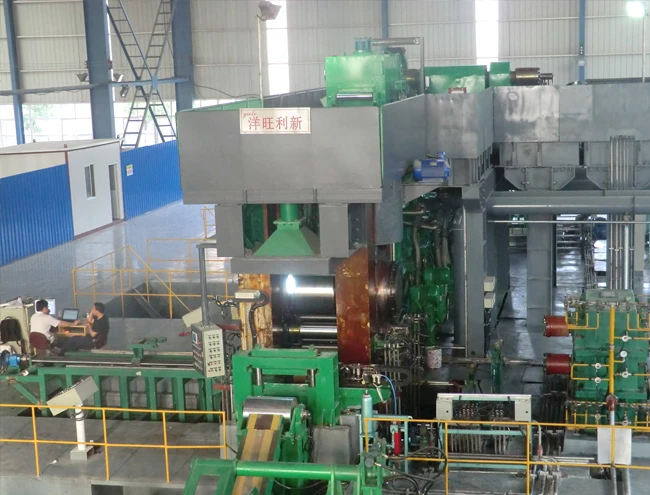
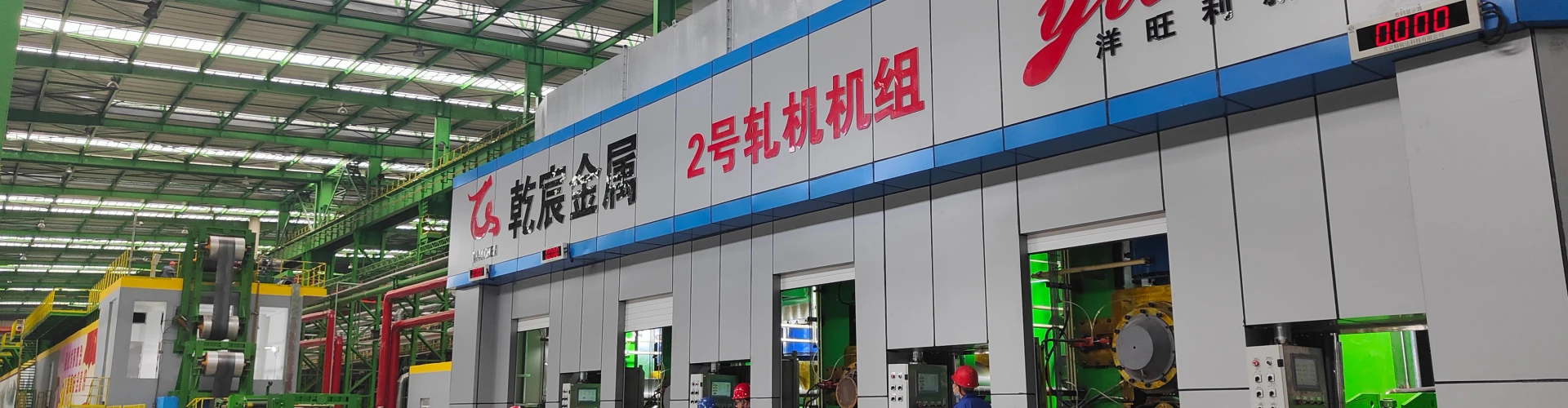
Steel strength is a core performance index that determines the application scope and safety of steel products, especially in high-demand fields such as ocean engineering, automotive manufacturing, and precision machinery. The cold reduction mill, as a key component of the cold mill complex, plays a decisive role in improving steel strength through precise cold rolling deformation. By controlling rolling parameters and optimizing process design, it can significantly enhance the mechanical properties of steel while ensuring product precision. Beijing Yang Wang Li Xin Sci&Tech Co.,Ltd. (YWLX), established in 2003, is a preeminent professional turn-key project provider specializing in metallurgical rolling machinery for the iron, steel, and non-ferrous industries. With the invaluable expertise of its founder Dr. Yang (former department head at the China Top Iron & Steel Research Institute) and the team, YWLX has in-depth insights into the strength improvement mechanism of cold reduction mill. Notably, in 2015, YWLX successfully developed China's first production line of special Z-type steel for ZSB ocean petroleum casing pipes, breaking the monopoly of Japanese and German firms. This achievement fully demonstrates YWLX's advanced technology in using cold reduction mill to improve steel strength, realizing import substitution of high-strength special steel.
Mechanism Of Cold Reduction Mill Improving Steel Strength
-
Work Hardening Effect: The core mechanism by which cold reduction mill improves steel strength is work hardening. During cold rolling, the cold reduction mill applies pressure to the steel strip, causing plastic deformation of the steel's internal crystal structure. The grains are elongated, broken, and rearranged, increasing the internal stress of the steel and hindering the movement of dislocations. This makes the steel more resistant to deformation, thereby significantly improving its tensile strength and hardness. In YWLX's cold mill complex, the cold reduction mill precisely controls the reduction rate to adjust the degree of work hardening, matching the strength requirements of different products.
-
Grain Refinement: The cold reduction mill in the cold mill complex can refine the grain structure of steel during the rolling process. Fine-grained steel has higher strength than coarse-grained steel because the grain boundaries can block the movement of dislocations more effectively. YWLX's cold reduction mill adopts optimized rolling parameters and multi-pass rolling technology to break large grains into small, uniform grains, further enhancing steel strength while improving toughness.
-
Elimination Of Internal Defects: The cold reduction mill can also eliminate internal defects (such as pores, cracks, and looseness) of the steel during cold rolling. Under the action of rolling pressure, these internal defects are compressed and closed, improving the density of the steel. The denser the steel structure, the higher its strength and structural stability. This is particularly important for special steels such as Z-type steel for ocean petroleum casing pipes, which require high structural integrity.
-
Synergy With Cold Rolled Steel Mill: The cold reduction mill and cold rolled steel mill in the cold mill complex work synergistically to improve steel strength. After the cold reduction mill completes the main thickness reduction and initial strength improvement, the cold rolled steel mill performs processes such as temper rolling to further optimize the internal stress distribution of the steel, ensuring that the steel maintains high strength while having good ductility and processability.
Key Parameters Of Cold Reduction Mill Affecting Steel Strength
|
Parameter Type
|
Impact On Steel Strength
|
Optimal Setting Range
|
YWLX's Control Measures
|
|
Reduction Rate
|
The higher the reduction rate, the more obvious the work hardening effect, and the higher the steel strength; excessive reduction rate will reduce ductility
|
10%-50% (adjusted according to steel type and strength requirements)
|
Adopt hydraulic pressure control system to realize precise adjustment of reduction rate; establish parameter database for different steel types
|
|
Rolling Speed
|
Higher rolling speed increases the deformation rate, enhances work hardening, and improves strength; too high speed may cause uneven deformation
|
100m/min-800m/min
|
Frequency conversion speed regulation technology; real-time monitoring of rolling speed to ensure stability; speed-tension synchronization control
|
|
Rolling Temperature
|
Cold rolling is usually at room temperature; slight temperature rise affects work hardening degree; stable temperature ensures consistent strength
|
15℃-35℃
|
Equip rolling zone cooling system; real-time temperature monitoring; adjust cooling intensity according to rolling speed
|
|
Rolling Pass Number
|
Multi-pass rolling realizes gradual deformation, refines grains more fully, and improves strength uniformity; fewer passes lead to uneven strength
|
2-8 passes (determined by total reduction rate)
|
Optimize pass schedule; adopt online roll gap adjustment technology to ensure consistent deformation in each pass
|
Application Of Cold Reduction Mill In High Strength Steel Production
-
Ocean Engineering Steel: The special Z-type steel for ZSB ocean petroleum casing pipes requires ultra-high strength to withstand harsh marine environments. In YWLX's dedicated production line, thecold reduction mill in the cold mill complex adopts a high-precision multi-pass rolling process with a customized reduction rate. Combined with a unique rolling pass design, it realizes precise control of the steel's internal structure, making the Z-type steel have excellent tensile strength and corrosion resistance, breaking the international monopoly.
-
Automotive High-Strength Steel: The automotive industry has increasing demands for lightweight and crash safety, requiring high-strength cold-rolled steel. YWLX's cold reduction mill optimizes rolling parameters to produce high-strength automotive steel with appropriate strength and ductility. The cold rolled steel mill further adjusts the mechanical properties through temper rolling, ensuring the steel meets the stamping and forming requirements of automotive parts.
-
Precision Machinery Steel: Precision machinery components require high strength and dimensional accuracy. The cold reduction mill in YWLX's cold mill complex adopts advanced thickness control technology, ensuring the steel strip has uniform thickness and high strength. The grain refinement effect of the cold reduction mill also improves the wear resistance of the steel, extending the service life of precision components.
-
Construction High-Strength Steel: High-strength cold-rolled steel is widely used in construction fields such as high-rise buildings and bridges. YWLX's cold reduction mill produces high-strength construction steel with stable performance through precise process control. The steel has high yield strength and tensile strength, ensuring the structural stability and safety of buildings.
Advantages Of YWLX's Cold Mill Complex In Improving Steel Strength
-
Advanced Process Design: YWLX's cold mill complex integrates advanced cold reduction mill and cold rolled steel mill technologies. Based on years of R&D achievements and engineering experience, the team has developed unique rolling processes and pass designs, especially for special steels such as Z-type steel. This enables precise control of the steel's deformation process, maximizing strength improvement while ensuring product quality.
-
Precise Parameter Control: The cold reduction mill in YWLX's cold mill complex adopts a full closed-loop control system, which real-time monitors and adjusts key parameters such as reduction rate, rolling speed, and rolling force. The high-precision hydraulic pressure control and frequency conversion speed regulation technologies ensure the stability of parameters, avoiding strength fluctuations caused by parameter deviations.
-
Strong R&D Capability: Relying on Dr. Yang's professional team, YWLX has strong R&D capabilities in the field of rolling technology. The successful development of the special Z-type steel production line demonstrates the company's ability to tackle technical difficulties. The team continuously optimizes the cold reduction mill process to improve steel strength, meeting the increasingly strict market requirements for high-strength steel.
-
Comprehensive Turn-Key Services: YWLX provides comprehensive consultation, design, manufacturing, installation, and commissioning solutions forcold mill complex projects. The professional team provides personalized process design according to customer's steel strength requirements, and offers on-site commissioning and operator training to ensure that the cold reduction mill exerts the best performance in improving steel strength.
Cold Mill Complex FAQs
Can The Cold Reduction Mill Adjust Steel Strength According To Different Requirements
Yes, the cold reduction mill can adjust steel strength by changing key rolling parameters. The most important parameter is the reduction rate: increasing the reduction rate enhances work hardening and improves strength, while decreasing it reduces strength but improves ductility. YWLX's cold mill complex is equipped with a flexible parameter control system, which can adjust reduction rate, rolling pass number, and other parameters according to customer's specific strength requirements. For special steels such as Z-type steel, the team also designs customized rolling passes to achieve precise strength control.
What Is The Difference Between Cold Reduction Mill And Cold Rolled Steel Mill In Improving Steel Strength
The cold reduction mill is the main equipment for improving steel strength, mainly through work hardening and grain refinement caused by cold rolling deformation to increase strength. The cold rolled steel mill mainly plays an auxiliary role: it optimizes the internal stress distribution of the steel through processes such as temper rolling, reducing the brittleness caused by excessive work hardening while maintaining high strength. In YWLX's cold mill complex, the two equipment work synergistically to ensure the steel has both high strength and good processability.
Will Improving Steel Strength By Cold Reduction Mill Affect The Ductility Of Steel
There is a certain trade-off between steel strength and ductility: excessive improvement of strength by cold reduction mill will reduce ductility. However, YWLX solves this problem through scientific process design: first, precisely control the reduction rate to avoid excessive work hardening; second, use the cold rolled steel mill to perform temper rolling, which can eliminate internal stress and improve ductility while maintaining strength; third, optimize the rolling pass schedule to realize gradual deformation, ensuring the steel has a good balance of strength and ductility.
How Does YWLX Ensure The Uniformity Of Steel Strength Produced By Cold Reduction Mill
YWLX ensures the uniformity of steel strength through three key measures: first, precise parameter control, the cold reduction mill adopts closed-loop control to ensure uniform reduction rate and rolling speed along the steel strip width and length; second, advanced detection system, real-time monitoring of the steel strip's thickness and shape, and dynamic adjustment of parameters to avoid uneven deformation; third, optimized roll design, using variable crown rolls to ensure uniform rolling pressure distribution, which is particularly important for wide steel strips and special-shaped steels such as Z-type steel.
What Technical Support Does YWLX Provide For Customers Using Cold Reduction Mill To Improve Steel Strength
YWLX provides comprehensive technical support: first, pre-sales consultation, designing personalized cold reduction mill process schemes according to customer's steel type and strength requirements; second, equipment customization, manufacturing cold mill complex with precise parameter control functions; third, on-site commissioning, optimizing rolling parameters to ensure the best strength improvement effect; fourth, after-sales service, regular technical tracking, providing process optimization suggestions, and solving technical problems encountered in the process of improving steel strength.
Latest news
-
Ship Multi-Project Equipment on the Lantern FestivalNewsMar.03,2026
-
YWLX Deep Dives into Cladding Line with Dubai ClientNewsDec.22,2025
-
1450mm 6-Hi Reversing Mill Goes Live in BangladeshNewsOct.28,2025
-
Sep. 3rd Parade: Carry Forward and Press OnNewsSep.03,2025
-
Indian Clients Visit YWLX to Inspect Skin-pass MillNewsJun.22,2025
-
Full- throttle! YWLX's Intense Production During May DayNewsMay.01,2025
-
YWLX Participated in the 2025 Chinese GAP Program Review ConferenceNewsApr.17,2025
Related Products