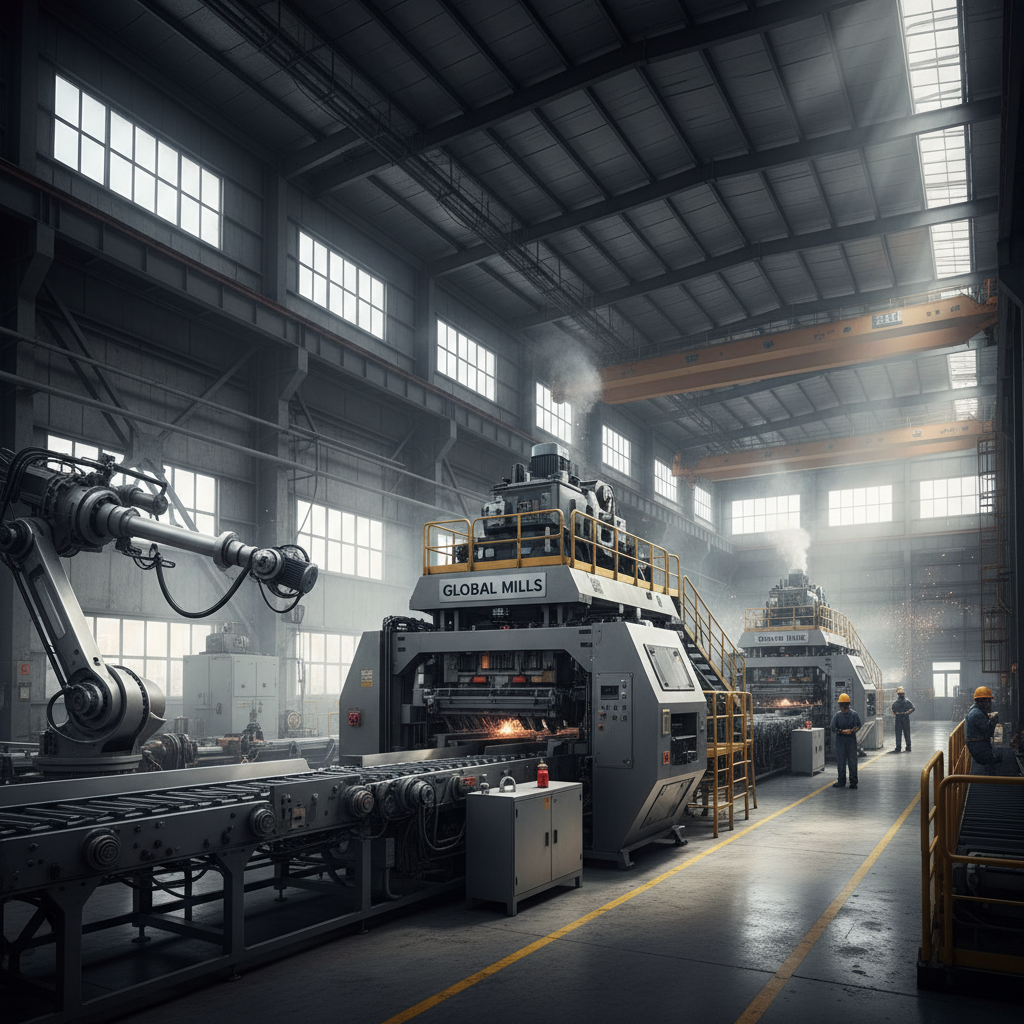
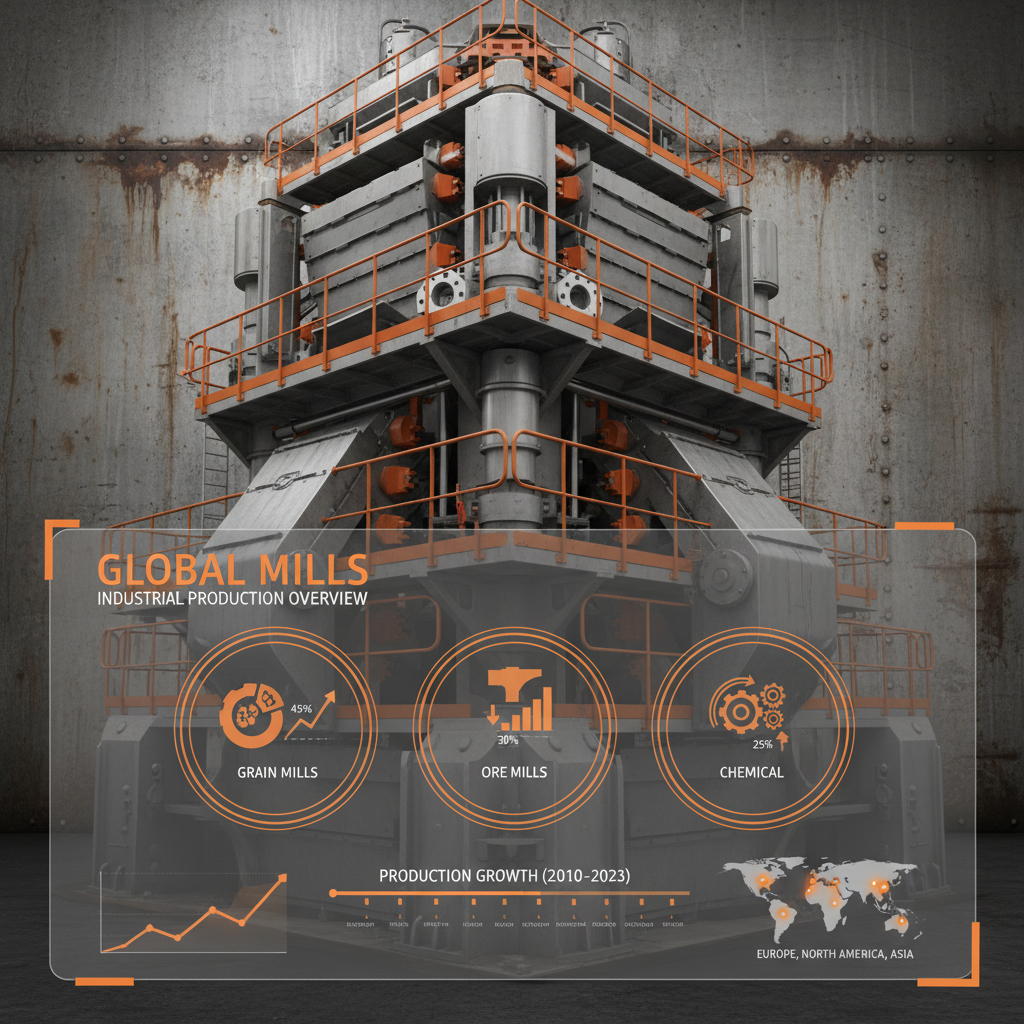
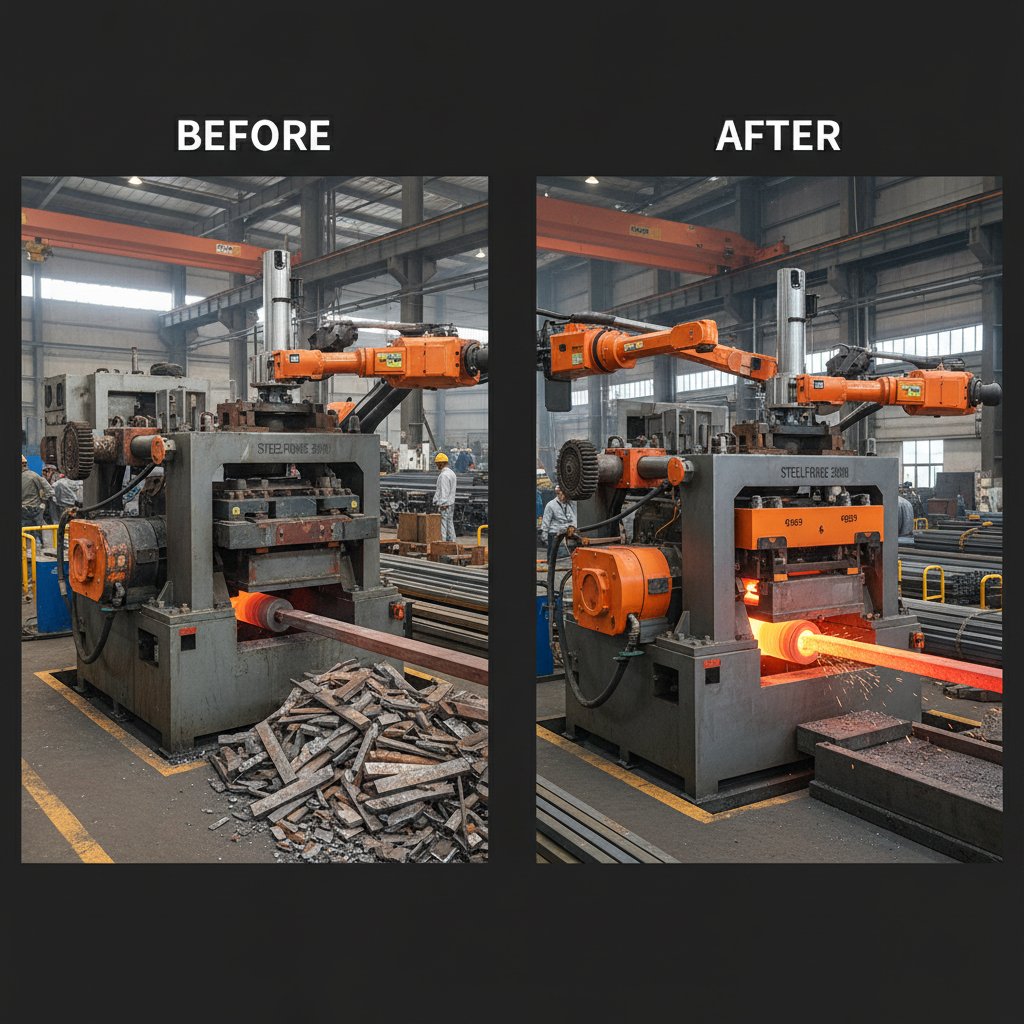
Global mills – it’s a term you’ll hear a lot about in industries ranging from disaster relief to large-scale infrastructure. But it’s more than just a buzzword; it's a fundamental shift in how we approach building, supplying, and deploying essential structures. I've spent years on sites all over the world, and I can tell you, the efficiency and scalability these systems offer are a game-changer. It’s about getting the right solution, rapidly deployed, to where it’s needed most, and doing it sustainably.
For years, we relied on traditional construction methods which, frankly, are slow, resource-intensive, and often struggle to keep pace with global demands. Think about post-disaster scenarios - time is critical. Or consider remote locations where skilled labor is scarce. That’s where global mills really shine. They address these challenges head-on, providing a viable alternative that’s both cost-effective and incredibly versatile. I’ve seen firsthand the difference a quick, robust, and adaptable structure can make in a crisis.
Ultimately, understanding global mills isn’t just about knowing the technology. It's about understanding the impact – the ability to provide shelter, establish facilities, and support communities faster and more effectively than ever before. It's about leveling the playing field, and ensuring that everyone, everywhere, has access to safe, reliable infrastructure. That’s what gets me up in the morning.
The Core Principles of global mills
At its heart, the philosophy behind global mills is about adaptability and rapid response. I've seen countless situations where a standard building design just wouldn’t cut it. Global mills, with their modular and scalable nature, allow for customization on the fly. It’s about being able to adjust to changing needs, whether it's expanding a field hospital or adapting a shelter to withstand a specific climate.
It's also about minimizing waste. Traditional construction generates huge amounts of material scrap. With global mills, you're using pre-fabricated components, precisely measured and cut, resulting in significantly less waste. That translates to cost savings, environmental benefits, and a more efficient building process. And believe me, on a job site, efficiency equals money.
Global Relevance and Industry Standards
The need for efficient, rapidly deployable infrastructure is global. From disaster zones like Haiti and Nepal to remote mining operations in Australia, the demand is constant. Organizations like the UN, the Red Cross, and various NGOs are increasingly turning to global mills as a solution. According to recent UN reports, the need for emergency shelter is projected to increase by 30% in the next decade due to climate change and geopolitical instability.
This demand is driving the development of industry standards. ISO certifications are becoming increasingly important, ensuring that these structures meet rigorous safety and quality requirements. We’re also seeing a push for standardization in component sizes and connection methods, making it easier to integrate systems from different manufacturers. It's about creating a more interoperable ecosystem.
Compliance with local building codes is critical, and this can be a complex challenge. Global mills manufacturers need to be able to adapt their designs to meet diverse regulatory requirements. That’s where expertise in international standards and a commitment to quality control become essential.
Defining Global Mills: A Practical Approach
Simply put, global mills refer to rapidly deployable, modular building systems. Think of LEGOs, but on a much larger scale. These systems use pre-fabricated components – walls, roofs, floors, electrical systems – that can be easily assembled on-site. The key is pre-fabrication and standardization, which drastically reduces construction time and labor costs.
What sets them apart from traditional modular construction is the emphasis on portability and speed. While modular homes are often transported to a permanent location, global mills are designed for repeated assembly and disassembly, making them ideal for temporary or emergency situations. I’ve seen systems that can be fully operational in a matter of days, compared to months or even years for conventional construction.
This approach has significant implications for humanitarian aid, disaster relief, and remote infrastructure projects. It allows for a more responsive and efficient deployment of resources, ultimately saving lives and improving living conditions. The versatility of these mills also means they can be adapted for a wide range of applications, from hospitals and schools to housing and industrial facilities.
Key Components of Effective Global Mills
Durability is paramount. I’ve learned the hard way that a structure that doesn’t hold up to the elements isn’t worth much. Global mills must be built to withstand harsh weather conditions, seismic activity, and prolonged use. The materials used – steel, composite panels, reinforced concrete – play a crucial role.
Scalability is another key factor. The ability to easily expand or reconfigure a structure is essential. This allows for flexibility in responding to changing needs. I've seen systems that can be linked together to create larger facilities, or adapted to accommodate different layouts.
Global Mills Component Rating
Real-World Applications of Global Mills
In post-disaster relief operations, global mills provide immediate shelter for displaced populations. I was in Puerto Rico after Hurricane Maria, and the speed at which we were able to get temporary housing up and running was incredible. It gave people a sense of security and dignity in a time of immense hardship.
In remote industrial zones – think mining camps in Canada or oil fields in the Middle East – they offer a cost-effective solution for worker housing and facilities. The ability to transport and assemble these structures quickly reduces logistical challenges and minimizes downtime.
Long-Term Benefits and Value Proposition
The cost savings are significant. While the initial investment might be comparable to traditional construction, the reduced labor costs, faster build times, and minimal waste translate to a lower overall lifecycle cost. Sustainability is also a major benefit. By using pre-fabricated components and minimizing waste, global mills have a smaller environmental footprint.
Beyond the tangible benefits, there’s a social impact. Providing safe, dignified shelter and facilities improves the quality of life for those who need it most. And let’s not forget the psychological impact – knowing you have a secure place to live and work can make all the difference in a crisis.
Future Trends and Innovations in Global Mills
We’re seeing a lot of exciting developments in materials science. New composite materials are lighter, stronger, and more sustainable than traditional options. 3D printing is also starting to play a role, allowing for the creation of customized components on-demand. I've seen prototypes of 3D-printed connectors that are incredibly robust.
Digital twin technology is another game-changer. Creating a virtual replica of a structure allows for remote monitoring, predictive maintenance, and optimization of performance. And of course, the integration of renewable energy systems – solar panels, wind turbines – is becoming increasingly common.
Automation will play a larger role in the assembly process. Robotic systems can speed up construction and improve accuracy, reducing labor costs and minimizing errors. The future of global mills is about smarter, more sustainable, and more efficient building systems.
Challenges and Solutions for Future Global Mills Implementation
| Challenge Area |
Impact on Global Mills |
Potential Solution |
Implementation Timeline |
| Supply Chain Disruptions |
Delays in component delivery, increased costs |
Diversify suppliers, establish regional manufacturing hubs |
12-24 months |
| Skilled Labor Shortage |
Difficulty in assembling complex systems, quality control issues |
Invest in training programs, develop user-friendly assembly guides |
6-12 months |
| Local Building Codes & Regulations |
Permitting delays, design modifications |
Engage with local authorities early in the process, advocate for standardized codes |
Ongoing |
| Material Costs & Availability |
Increased project expenses, supply constraints |
Explore alternative materials, negotiate long-term contracts with suppliers |
3-6 months |
| Climate Change Resilience |
Structures vulnerable to extreme weather events |
Design for specific climate risks, use durable and weather-resistant materials |
Ongoing (continuous improvement) |
| Transportation & Logistics |
High shipping costs, logistical complexities |
Optimize packaging, leverage strategic partnerships with logistics providers |
6-12 months |
FAQS
The lifespan depends heavily on the materials used and the environment, but well-maintained global mills structures can easily last 10-20 years, and often much longer. We’ve seen examples of systems that have been in use for over 30 years with proper upkeep. The modular nature also allows for components to be replaced or upgraded as needed, extending the overall life cycle.
While the initial material costs can be similar, the total cost of ownership is often lower with global mills. This is due to reduced labor costs, faster build times, and minimal waste. You also have to factor in the potential for reuse and relocation, which can generate significant savings over the long term. I've seen projects where we've cut construction time by 50%!
Absolutely. By using pre-fabricated components and minimizing waste, global mills have a smaller environmental footprint than traditional construction. Many manufacturers are also using sustainable materials like recycled steel and bamboo. The reduced transportation requirements also contribute to lower carbon emissions. Plus, the durability ensures a longer service life reducing the need for frequent replacements.
While some technical expertise is required, global mills are designed for relatively easy assembly. We provide detailed training and support to ensure that crews can quickly and safely build structures. The level of skill required depends on the complexity of the design, but generally, it's less than what's needed for traditional construction. We're also seeing the development of more automated assembly systems.
Yes, absolutely. That’s one of the biggest advantages of global mills. The modular design allows for a high degree of customization. We can adapt the size, layout, and features of a structure to meet specific client requirements. From hospitals and schools to housing and industrial facilities, the possibilities are endless. We are constantly working on options for unique designs.
Permitting requirements vary depending on the location and the intended use of the structure. It’s crucial to work with local authorities early in the process to ensure compliance with building codes and regulations. Many jurisdictions are now developing specific guidelines for modular construction, which can streamline the permitting process. Check with your local municipality and also global mills
Conclusion
Global mills represent a paradigm shift in the construction industry, offering a faster, more sustainable, and more cost-effective way to build. From disaster relief to remote infrastructure projects, these modular systems are proving their value in a wide range of applications. They address critical challenges related to speed, scalability, and sustainability, offering a viable solution for a world facing increasing demands on its resources.
Looking ahead, continued innovation in materials science, automation, and digital technologies will further enhance the capabilities of global mills. Investing in research and development, fostering collaboration between manufacturers and policymakers, and promoting standardization will be key to unlocking the full potential of this transformative technology. To explore the possibilities of global mills for your next project, visit our website at www.bjywlx.com.