Temper Mill Process Control Parameters
Dec . 23, 2025 21:20
Back to list
Temper Mill Process Control Parameters
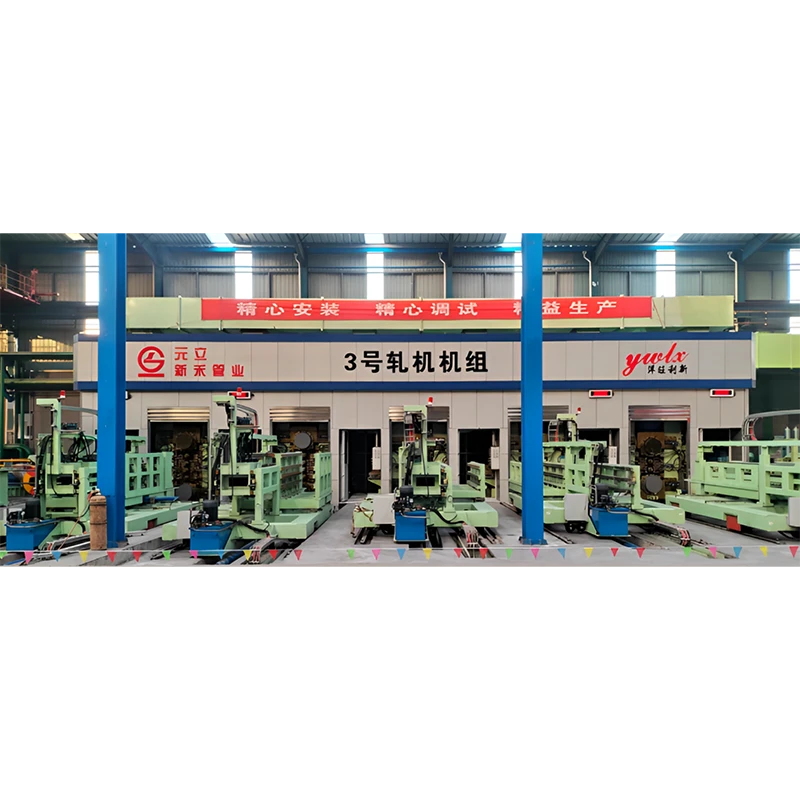
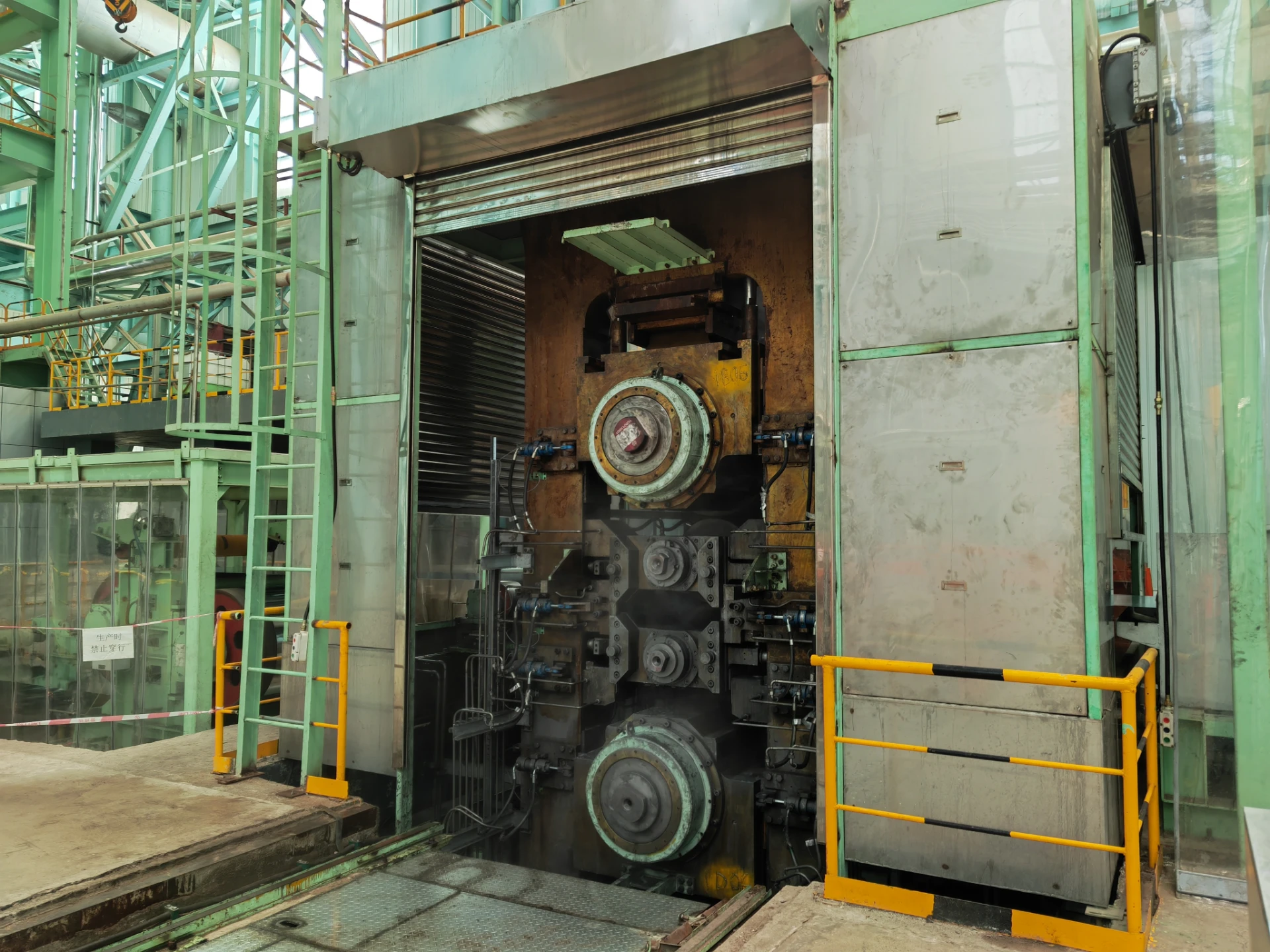
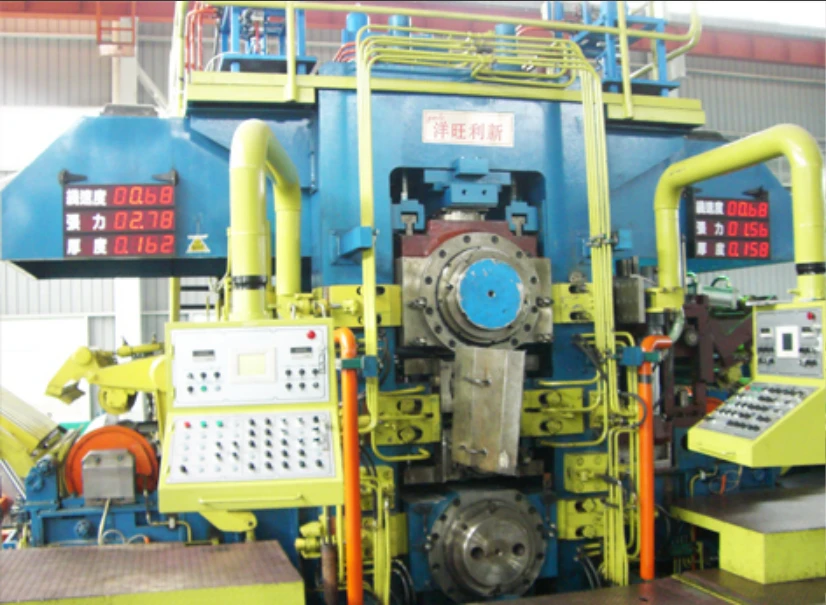
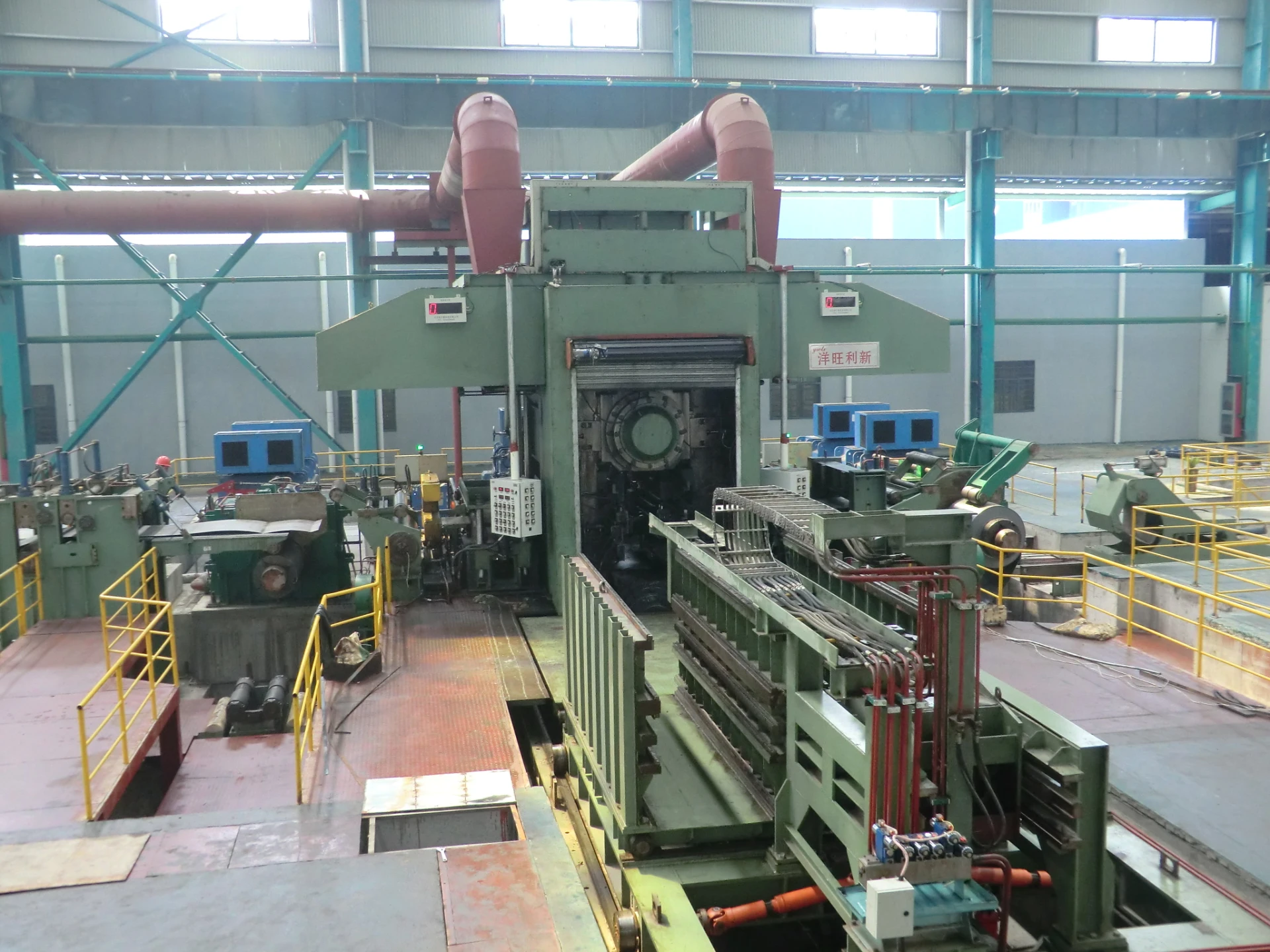
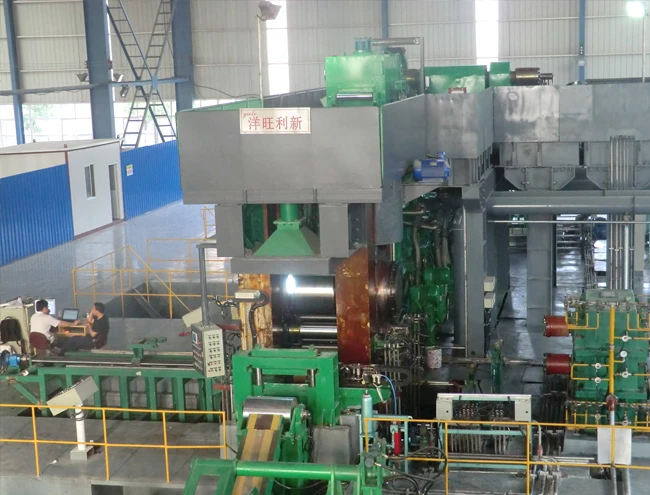
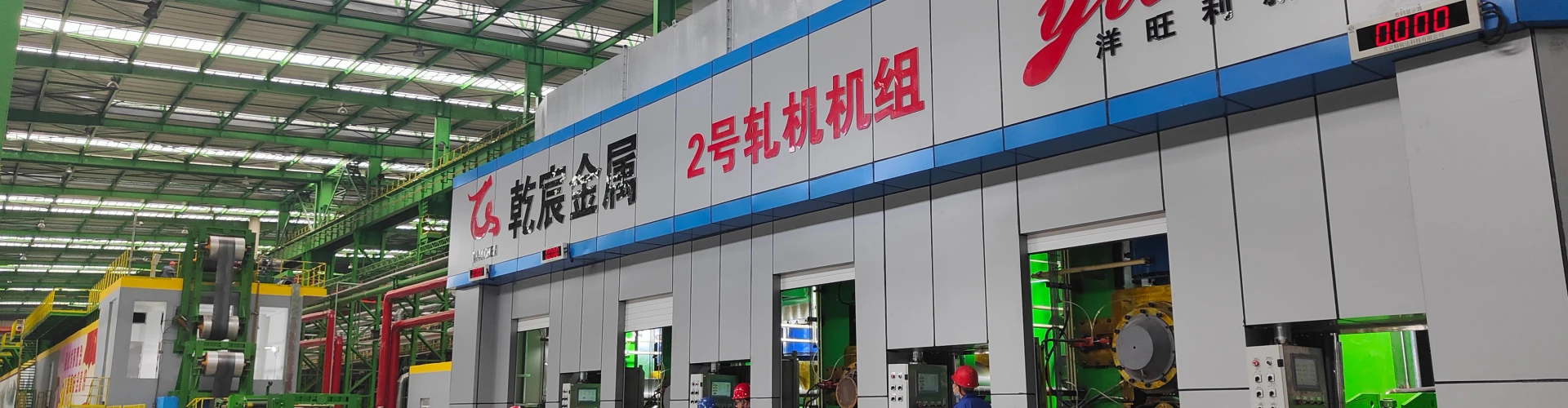
In the iron and steel metallurgical industry, the temper mill is a key equipment for optimizing the quality of temper mill steel, and the rational setting of temper mill process control parameters directly determines the final performance, surface quality, and processing applicability of the steel strip. Precise control of these parameters ensures that the temper mill can fully exert its core functions, laying a solid foundation for high-end steel product production. Beijing Yang Wang Li Xin Sci&Tech Co.,Ltd. (YWLX), established in 2003, is a preeminent professional turn-key project provider specializing in metallurgical rolling machinery for the iron, steel, and non-ferrous industries. With the invaluable expertise of its founder Dr. Yang (former department head at the China Top Iron & Steel Research Institute) and the team, YWLX has deep insights into temper mill process control, and its customized parameter setting solutions for temper mill have been widely applied in various steel production lines, winning recognition from domestic and foreign customers.
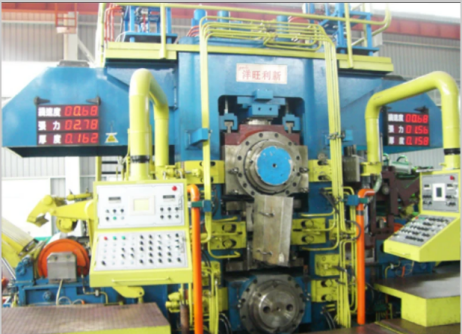
Core Functions Of Temper Mill And Significance Of Process Control Parameters
-
Core Functions of Temper Mill: The temper mill undertakes four key tasks in the temper mill process of temper mill steel: First, eliminating the yield terrace, comprehensively improving the strip's mechanical properties and deep-drawing ability; second, enhancing the cleanliness of the strip's surface or obtaining a certain surface roughness to improve its processability; third, optimizing the flatness and straightness of the steel strip; fourth, realizing soft reduction to adjust the thickness and mechanical properties of the steel strip.
-
Significance of Parameter Control: All core functions of the temper mill rely on the precise control of process parameters. Improper parameter setting will lead to defects such as insufficient elimination of yield terrace, uneven surface roughness, and poor flatness of temper mill steel. Reasonable parameter matching can maximize the performance of the temper mill, ensure the stability of product quality, and meet the diverse needs of different application scenarios.
-
YWLX's Parameter Optimization Advantage: YWLX combines years of temper mill process research experience and on-site production data, and has developed a set of scientific parameter optimization methods. The team can adjust control parameters in real time according to the material composition, thickness, and target performance of temper mill steel, ensuring that the temper mill operates in the optimal state.
-
Impact on Production Efficiency: Precise temper mill process control parameters not only improve product quality but also reduce the rate of unqualified products, avoiding the waste of raw materials and energy. At the same time, stable parameter settings ensure the continuous and efficient operation of the temper mill, further improving the overall production efficiency of the steel production line.
Key Control Parameters Of Temper Mill Process
|
Control Parameter Type
|
Parameter Setting Range
|
Impact On Temper Mill Steel
|
YWLX's Control Precision And Optimization Measures
|
|
Temper Reduction Rate
|
0.5%-3.0% (adjustable according to steel type and performance requirements)
|
Directly affects mechanical properties; low reduction rate cannot eliminate yield terrace; excessive reduction rate leads to excessive hardness and reduced ductility
|
Control precision up to ±0.1%; equipped with high-precision roll gap detection system to realize real-time adjustment of reduction rate
|
|
Rolling Force
|
3000KN-12000KN (matched with steel thickness and reduction rate)
|
Ensures sufficient plastic deformation of steel strip; unstable rolling force causes uneven thickness and surface quality defects
|
Adopts closed-loop hydraulic control system; rolling force fluctuation controlled within ±50KN; realizes dynamic matching with reduction rate
|
|
Rolling Speed
|
100m/min-800m/min (adapted to production line rhythm and steel type)
|
Affects production efficiency and temperature rise; too high speed may cause surface scratches; too low speed reduces efficiency
|
Speed control precision up to ±1m/min; speed-tension synchronization system avoids strip slipping and stretching
|
|
Strip Tension
|
10MPa-50MPa (adjusted according to steel strip thickness and width)
|
Improves flatness; excessive tension causes strip thinning; insufficient tension leads to waviness
|
High-precision tension sensor real-time monitoring; tension fluctuation controlled within ±2MPa; customized tension curve for different steel types
|
|
Roll Surface Roughness
|
Ra 0.2μm-1.5μm (determined by final surface requirements)
|
Affects the surface quality and processability of steel strip; determines the adhesion of subsequent coatings
|
Special roll surface processing technology; roll roughness uniformity error ≤5%; regular roll grinding and maintenance guidance
|
Parameter Matching Principles For Different Types Of Temper Mill Steel
-
Automotive Grade Temper Mill Steel: Focus on improving deep-drawing ability. The temper mill process adopts low reduction rate (0.8%-1.5%) and moderate rolling force, matching with lower roll surface roughness (Ra 0.2μm-0.5μm) to ensure the surface smoothness and ductility of the steel strip, meeting the stamping requirements of automotive parts.
-
Structural Temper Mill Steel: Emphasize mechanical strength and flatness. The temper mill uses medium reduction rate (1.5%-2.5%) and higher rolling force, with appropriate strip tension to eliminate internal stress and improve the straightness of the steel strip, ensuring the stability of structural parts during installation and use.
-
Electrical Temper Mill Steel: Require uniform thickness and low surface roughness. The temper mill process adopts precise reduction rate control (±0.1%) and low rolling speed, matching with high-precision tension control to avoid magnetic property degradation caused by uneven stress, meeting the requirements of electrical equipment cores.
-
YWLX's Customized Matching Scheme: For different types of temper mill steel, YWLX establishes a parameter database based on a large number of experimental data and on-site experience. The temper mill control system can quickly call the corresponding parameter combination, and make fine adjustments according to the actual production situation, ensuring the optimal matching of parameters and steel properties.
Control Strategies For Temper Mill Process Parameters
-
Closed-Loop Control System: YWLX's temper mill adopts a full closed-loop control system, which collects real-time data of reduction rate, rolling force, tension, and other parameters through sensors, compares it with the preset target value, and adjusts the execution mechanism in real time through the controller. This strategy ensures that the parameters are always stable within the set range, avoiding quality fluctuations caused by external interference.
-
Pre-Compensation Control: Aiming at the characteristics of temper mill steel (such as uneven incoming material thickness), the temper mill process adopts pre-compensation control. The system predicts the possible parameter deviations according to the incoming material detection data, and adjusts the relevant parameters in advance to eliminate the impact of incoming material defects on the final product quality.
-
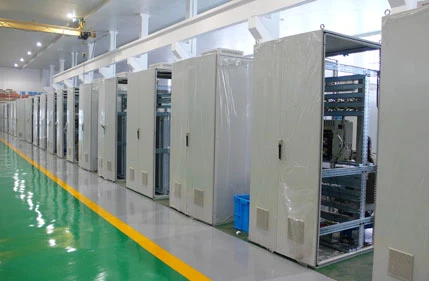
Intelligent Parameter Optimization: Relying on the team's technical accumulation, YWLX integrates intelligent algorithms into the temper mill control system. The system can self-learn and optimize parameters according to the long-term production data, continuously improving the control precision and adaptability, and reducing the dependence on manual operation.
-
Process Monitoring And Alarm: The temper mill process control system is equipped with a comprehensive monitoring module, which monitors all key parameters in real time. When the parameters exceed the allowable range, the system will issue an alarm immediately and take corresponding protective measures (such as reducing speed, stopping machine) to avoid the production of a large number of unqualified products.
Temper Mill FAQs
How To Determine The Optimal Temper Reduction Rate For Different Temper Mill Steel
The optimal temper reduction rate is determined by the type and target performance of temper mill steel. First, clarify the core requirements (such as deep-drawing ability, strength, surface quality); then, refer to the existing parameter database and conduct small-batch tests to verify the effect of different reduction rates on the mechanical properties and surface quality of the steel strip. YWLX's professional team will formulate the optimal reduction rate range according to the customer's specific product requirements, and assist in adjusting and optimizing during the trial production process.
What Factors Will Affect The Stability Of Temper Mill Process Parameters
The stability of temper mill process parameters is mainly affected by four factors: first, incoming material quality (uneven thickness, inconsistent material composition); second, equipment status (wear of rolls, failure of hydraulic system, sensor accuracy); third, external environment (temperature change, power fluctuation); fourth, operation level (unreasonable parameter setting, improper manual adjustment). YWLX's temper mill is equipped with corresponding control strategies and protection measures to reduce the impact of these factors.
Can The Temper Mill Process Parameters Be Adjusted Online During Production
Yes, YWLX's temper mill supports online adjustment of process parameters. The control system has a friendly human-machine interface, and operators can adjust parameters such as reduction rate, rolling speed, and tension online according to the real-time production situation (such as changes in incoming material, product quality feedback). At the same time, the system has parameter locking and step adjustment functions to avoid sudden changes in parameters that affect product quality. For large parameter adjustments, YWLX recommends conducting small-batch tests first to ensure the rationality of the adjustment.
What Is The Impact Of Rolling Speed On The Quality Of Temper Mill Steel
Rolling speed has an important impact on the surface quality and mechanical properties of temper mill steel: too high speed will increase the friction between the roll and the steel strip, easily causing surface scratches, and the heat generated by friction may change the material properties of the steel strip; too low speed will reduce production efficiency, and may lead to uneven temperature distribution of the steel strip, affecting the uniformity of mechanical properties. YWLX's temper mill process adopts speed-tension synchronization control to ensure that the rolling speed is matched with the steel type and thickness, balancing production efficiency and product quality.
What Technical Support Does YWLX Provide For The Setting And Adjustment Of Temper Mill Process Parameters
YWLX provides comprehensive technical support for the setting and adjustment of temper mill process parameters: first, pre-sales consultation – design customized parameter schemes according to the customer'stemper mill steel type and production requirements; second, on-site commissioning – send professional engineers to debug parameters on site to ensure the temper mill reaches the optimal operation state; third, operator training – conduct systematic training on parameter setting, adjustment skills, and fault handling; fourth, after-sales follow-up – regularly track the production situation, provide parameter optimization suggestions, and solve the problems encountered in parameter adjustment in time.
Latest news
-
Ship Multi-Project Equipment on the Lantern FestivalNewsMar.03,2026
-
YWLX Deep Dives into Cladding Line with Dubai ClientNewsDec.22,2025
-
1450mm 6-Hi Reversing Mill Goes Live in BangladeshNewsOct.28,2025
-
Sep. 3rd Parade: Carry Forward and Press OnNewsSep.03,2025
-
Indian Clients Visit YWLX to Inspect Skin-pass MillNewsJun.22,2025
-
Full- throttle! YWLX's Intense Production During May DayNewsMay.01,2025
-
YWLX Participated in the 2025 Chinese GAP Program Review ConferenceNewsApr.17,2025
Related Products