The global demand for durable, corrosion-resistant materials has propelled the stainless steel mill industry to the forefront of modern manufacturing. These mills are essential for producing the high-quality stainless steel used in countless applications, ranging from infrastructure and healthcare to food processing and consumer goods. Understanding the intricacies of stainless steel mill operations, capabilities, and future trends is crucial for professionals across diverse sectors and for fostering innovation in materials science.
The importance of efficient and sustainable stainless steel production cannot be overstated. As global populations grow and demand for durable goods increases, the need for robust, reliable stainless steel mill infrastructure expands. These facilities play a pivotal role in enabling economic development, supporting public health, and contributing to a more sustainable future.
Investing in knowledge about stainless steel mill technology, processes, and challenges yields significant benefits, allowing for informed decision-making, optimized production strategies, and the development of innovative solutions to meet evolving industry needs.
The Role of Stainless Steel Mill in Global Industry
Stainless steel mills are integral to a multitude of global industries, providing the essential materials for sectors like construction, automotive, and healthcare. The ability to produce high-quality stainless steel in large quantities directly impacts the efficiency and competitiveness of these industries. A robust stainless steel mill network is fundamental for sustained economic growth worldwide.
The stainless steel mill industry directly employs millions globally and supports countless more jobs in related sectors. The technological advancements within these mills not only improve production efficiency but also contribute to the development of more sustainable and environmentally friendly manufacturing processes.
Defining the Stainless Steel Mill
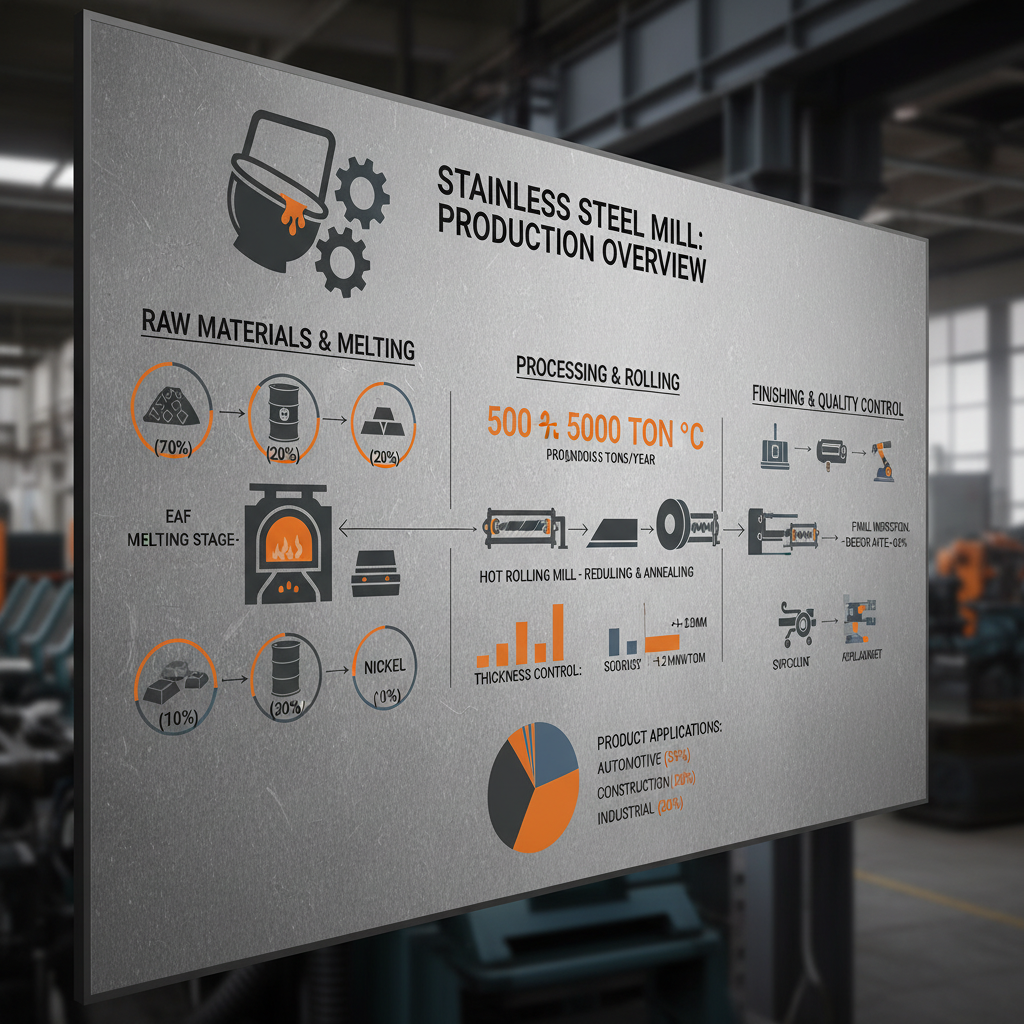
A stainless steel mill is a manufacturing facility dedicated to the production of stainless steel from raw materials, typically iron ore, chromium, nickel, and other alloying elements. The process involves melting, refining, forming, and finishing these materials to create a diverse range of stainless steel products, including sheets, coils, bars, and tubes.
The defining characteristic of stainless steel is its resistance to corrosion and staining, achieved through the addition of a minimum of 10.5% chromium. This property makes it ideal for applications where hygiene, durability, and longevity are paramount, such as in medical equipment, food processing facilities, and architectural components.
Modern stainless steel mill operations integrate sophisticated technologies and quality control measures to ensure consistent product quality and adherence to stringent industry standards. They are critical to supplying the materials necessary for modern industrial needs.
Core Components of a Stainless Steel Mill
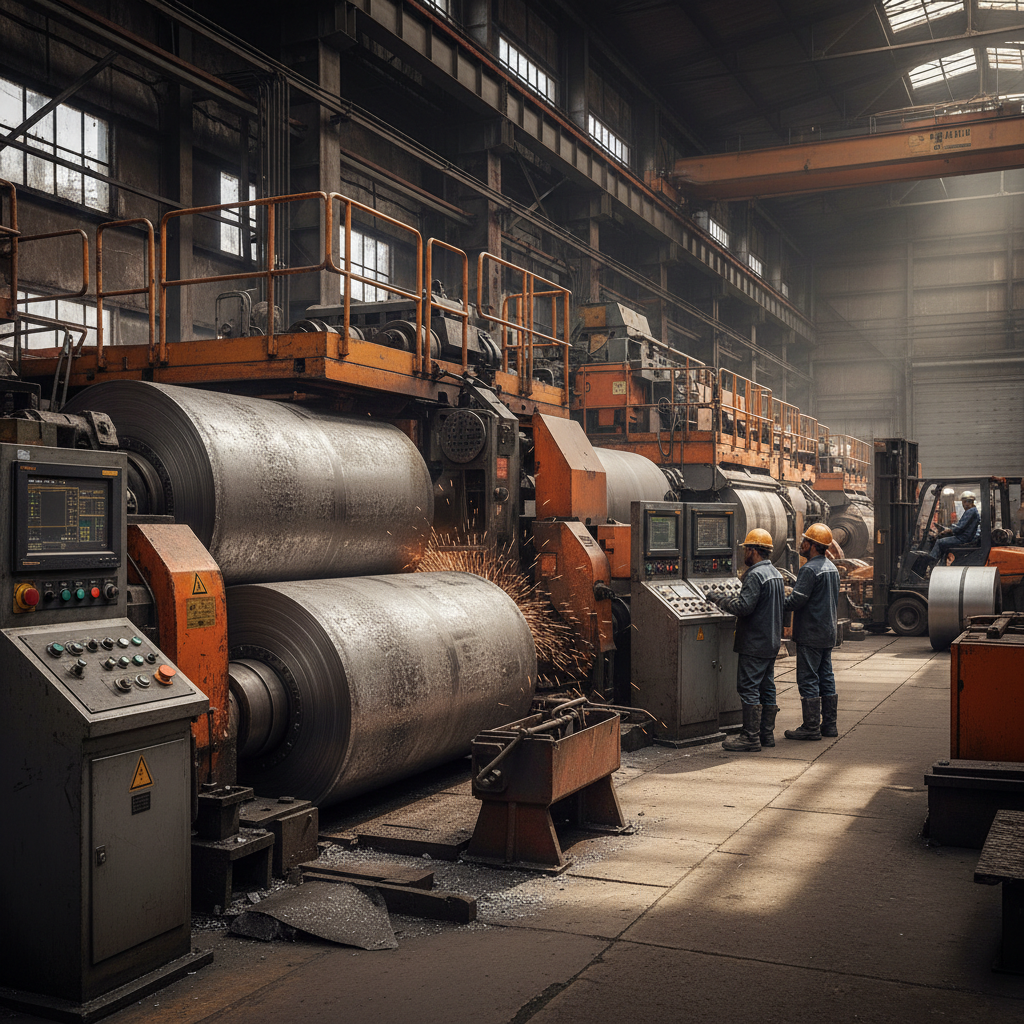
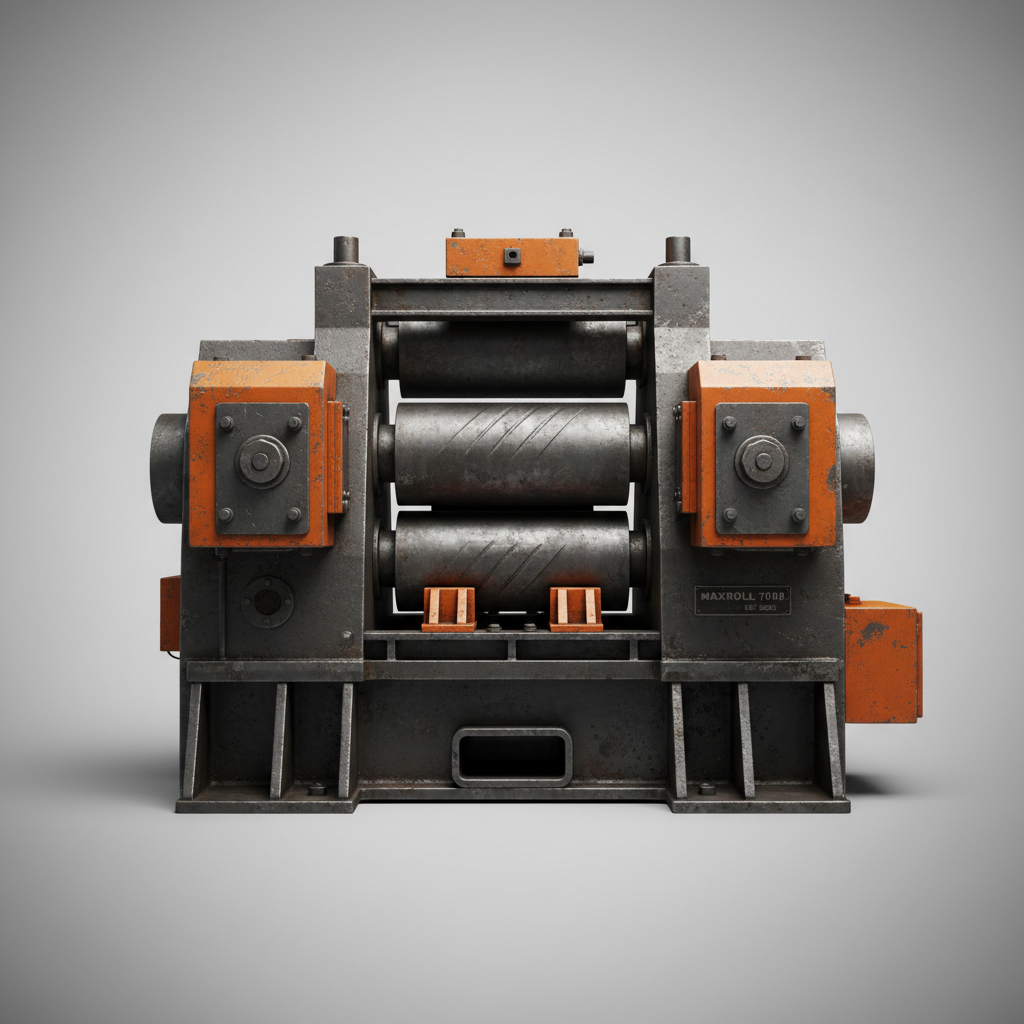
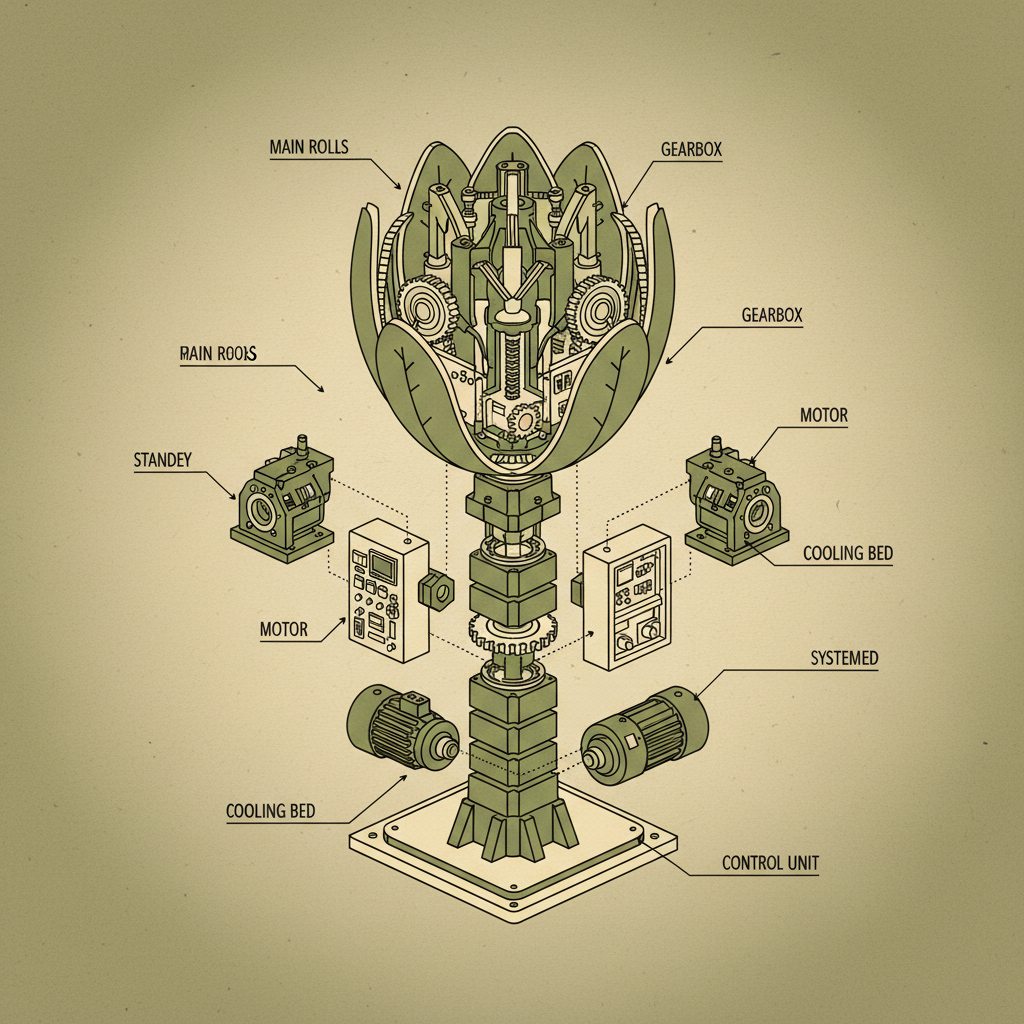
Several core components work in unison to enable efficient stainless steel production. The melting shop, often utilizing electric arc furnaces or basic oxygen furnaces, is the initial stage where raw materials are melted and refined. The continuous casting process then transforms the molten steel into semi-finished shapes like slabs or billets.
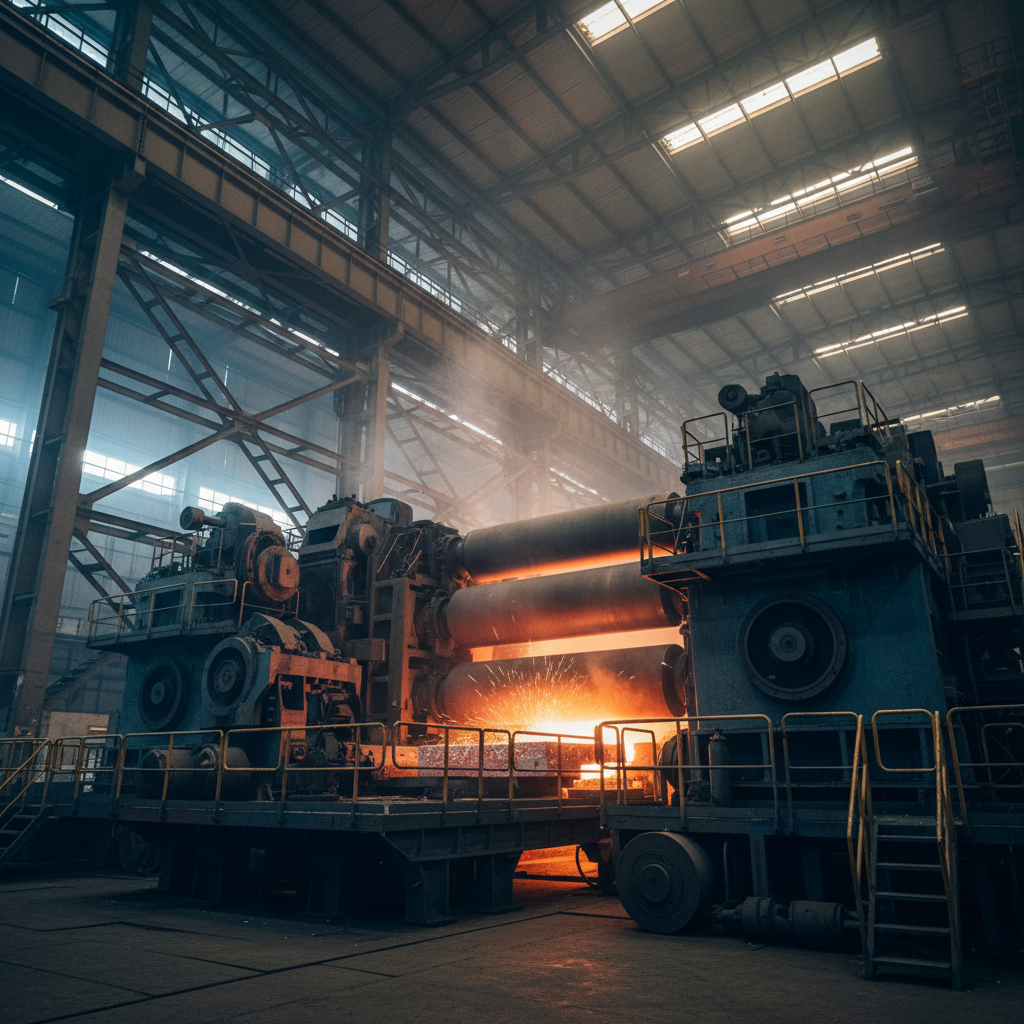
Subsequent hot and cold rolling processes shape the steel into desired thicknesses and forms. Finishing operations, including pickling, polishing, and coating, enhance the steel's surface properties and corrosion resistance. Finally, rigorous quality control testing ensures that the finished product meets specified standards.
These components, coupled with advanced automation and process control systems, are essential for maximizing production efficiency, minimizing waste, and ensuring consistent product quality within a modern stainless steel mill.
Stainless Steel Mill Applications and Sectors
Stainless steel produced by mills finds widespread application across a vast spectrum of industries. In the construction sector, it's utilized for structural components, cladding, and roofing, offering both durability and aesthetic appeal. The automotive industry relies on stainless steel for exhaust systems, trim, and structural parts.
The healthcare sector utilizes stainless steel extensively for surgical instruments, medical devices, and sanitation systems due to its hygienic properties and corrosion resistance. Furthermore, the food and beverage industry benefits from stainless steel's resistance to contamination, employing it in processing equipment, storage tanks, and pipelines.
Stainless Steel Mill Production Output by Sector
The Advantages of Stainless Steel Mill Products
Stainless steel offers a multitude of advantages over other materials, driving its demand across various industries. Its exceptional corrosion resistance minimizes maintenance costs and extends product lifespan, making it a cost-effective solution in the long run.
Its high strength and durability ensure structural integrity and safety in critical applications. Furthermore, stainless steel is 100% recyclable, contributing to sustainable manufacturing practices and reducing environmental impact. A high-quality stainless steel mill product provides these benefits reliably.
Future Trends in Stainless Steel Mill Technology
The stainless steel mill industry is undergoing a transformation driven by technological advancements and sustainability concerns. Automation and digitalization are playing an increasingly important role, enabling more efficient production processes, improved quality control, and reduced operational costs.
Furthermore, the development of new stainless steel alloys with enhanced properties, such as increased strength and corrosion resistance, is expanding the range of applications. The integration of artificial intelligence (AI) and machine learning (ML) is also poised to revolutionize mill operations, optimizing processes and predicting equipment failures.
Challenges and Solutions in Stainless Steel Mill Operations
Stainless steel mills face several challenges, including fluctuating raw material prices, energy consumption, and environmental regulations. Rising energy costs can significantly impact production costs, while stricter environmental standards require investments in pollution control technologies.
To address these challenges, mills are adopting energy-efficient technologies, optimizing production processes, and exploring alternative raw material sources. Investing in research and development to create more sustainable and cost-effective manufacturing processes is also crucial for long-term viability.
Collaboration with suppliers and customers, coupled with a commitment to continuous improvement, is essential for navigating these challenges and ensuring the continued success of the stainless steel mill industry.
Summary of Stainless Steel Mill Operational Challenges and Solutions
| Challenge |
Impact Area |
Solution |
Implementation Cost (1-10) |
| Raw Material Price Volatility |
Profit Margins |
Long-Term Contracts, Diversified Sourcing |
6 |
| High Energy Consumption |
Operating Costs |
Energy-Efficient Equipment, Process Optimization |
8 |
| Stringent Environmental Regulations |
Compliance Costs |
Pollution Control Technologies, Waste Reduction |
9 |
| Skilled Labor Shortage |
Operational Efficiency |
Training Programs, Automation |
7 |
| Maintaining Quality Control |
Product Reputation |
Advanced Testing Equipment, Real-Time Monitoring |
5 |
| Supply Chain Disruptions |
Production Delays |
Resilient Supply Chain, Inventory Management |
6 |
FAQS
Several factors contribute to stainless steel mill production costs, including the price of raw materials like iron ore, nickel, and chromium. Energy costs, labor expenses, transportation fees, and compliance with environmental regulations also play a significant role. Effective cost management requires optimizing processes, securing favorable supply contracts, and investing in energy-efficient technologies.
Quality verification in a stainless steel mill involves a comprehensive series of tests at various stages of production. Chemical analysis confirms the steel’s composition, while mechanical testing assesses its strength, ductility, and hardness. Non-destructive testing methods, such as ultrasonic inspection and eddy current testing, detect internal flaws. Surface inspection ensures the steel meets aesthetic and functional requirements.
Stainless steel mills can have environmental impacts related to air emissions, water discharge, and solid waste generation. Air emissions include greenhouse gases and particulate matter. Water discharge may contain pollutants, and solid waste includes slag and scrap metal. Mills are increasingly adopting cleaner production technologies, waste recycling programs, and water treatment systems to minimize these impacts.
Automation significantly enhances efficiency in stainless steel mills by streamlining processes, reducing manual labor, and improving precision. Automated systems control melting, casting, rolling, and finishing operations, leading to increased throughput and reduced waste. Real-time data analysis and predictive maintenance further optimize performance and minimize downtime.
Alloy selection is critical in stainless steel mill production as it determines the final properties of the steel. Different alloying elements, such as chromium, nickel, molybdenum, and titanium, contribute to corrosion resistance, strength, and weldability. Selecting the appropriate alloy based on the intended application is crucial for meeting performance requirements and ensuring product reliability.
Current sustainability trends in stainless steel mills include increasing the use of recycled scrap metal, improving energy efficiency, reducing water consumption, and minimizing greenhouse gas emissions. Developing low-carbon steelmaking technologies, such as hydrogen-based reduction, is also gaining momentum. Adopting circular economy principles and promoting responsible sourcing practices are key to long-term sustainability.
Conclusion
In conclusion, the stainless steel mill industry is a vital component of the global manufacturing landscape. Its ability to produce durable, corrosion-resistant materials underpins countless applications across diverse sectors, from construction and healthcare to automotive and food processing. Understanding the core components, key challenges, and emerging trends within this industry is paramount for stakeholders seeking to innovate and thrive.
Looking ahead, continued investment in sustainable practices, advanced technologies, and skilled workforce development will be essential for ensuring the long-term viability and competitiveness of stainless steel mills. Visit our website at www.bjywlx.com to learn more about our commitment to delivering high-quality stainless steel solutions and supporting your success.