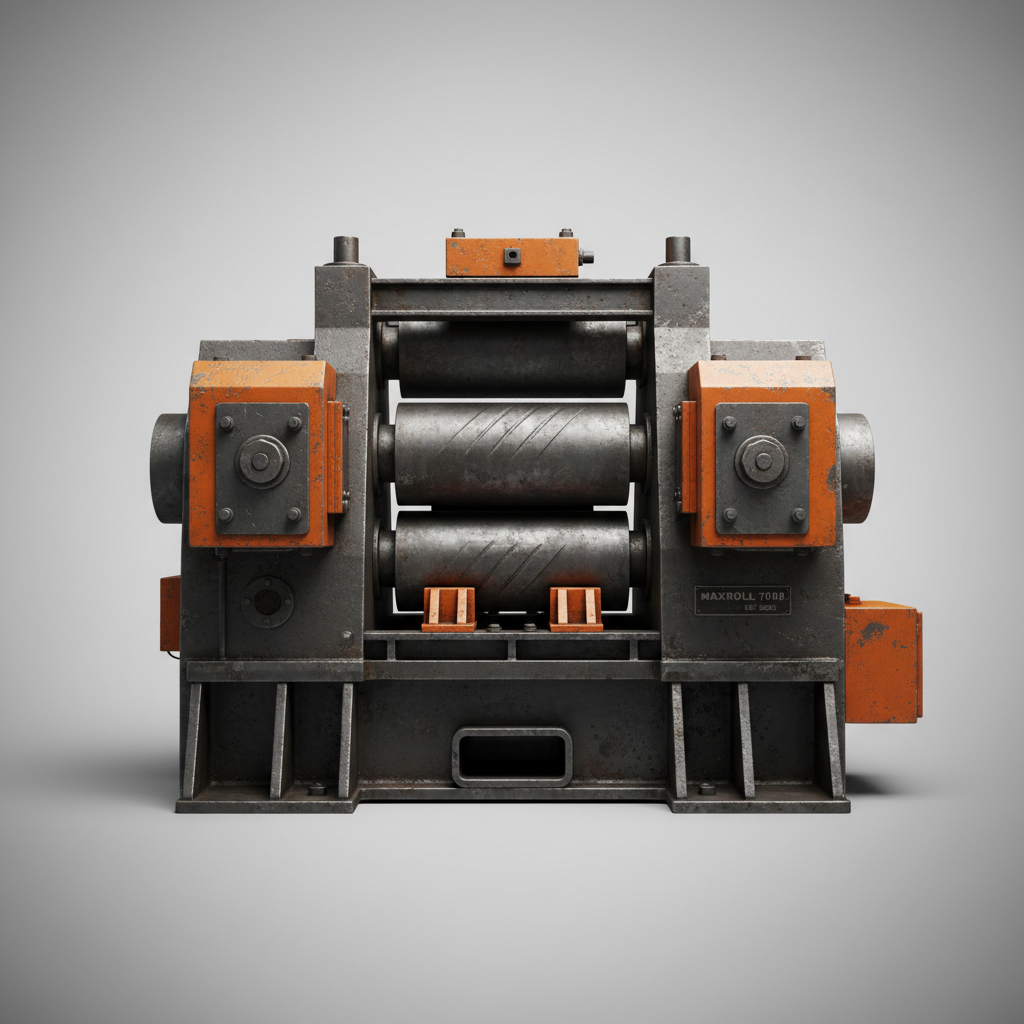
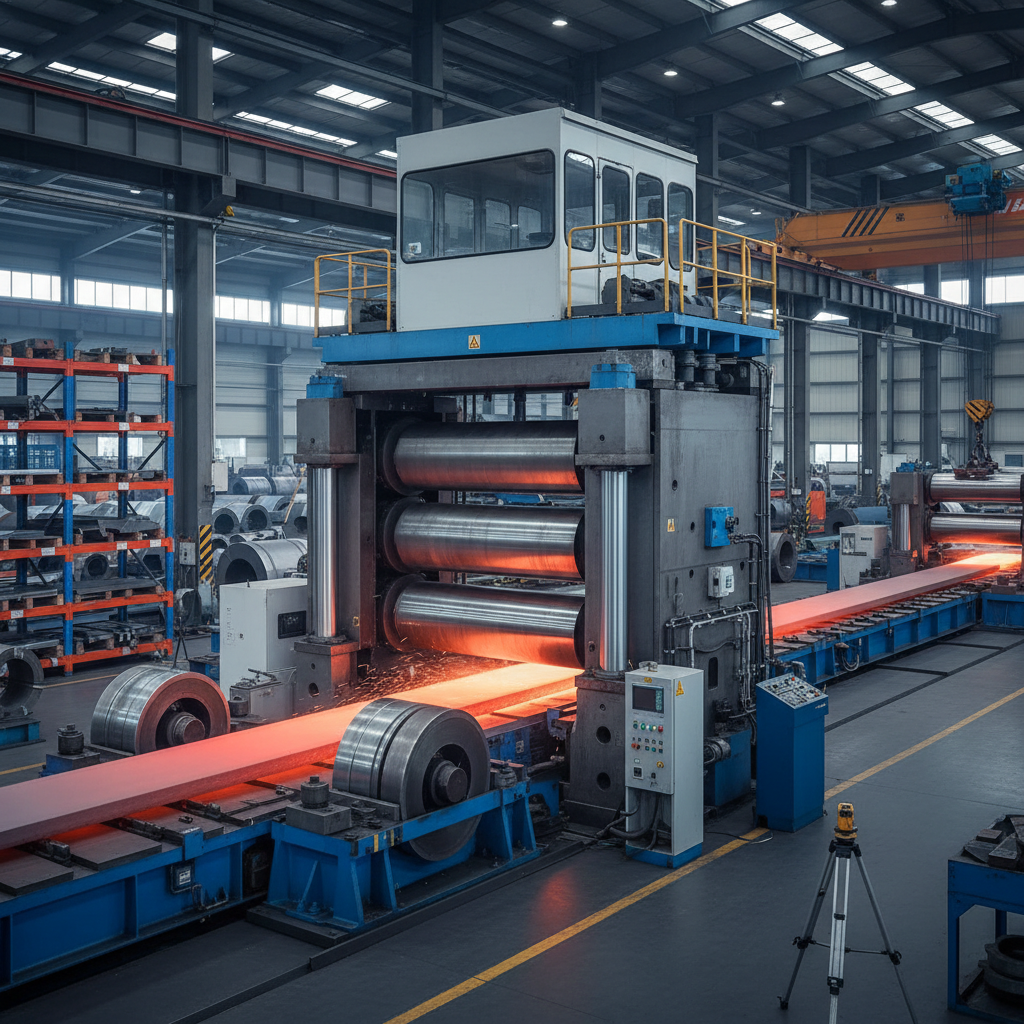
The global steel industry is a cornerstone of modern infrastructure, and understanding the steel rolling mill plant cost is paramount for economic development and sustainable growth. Fluctuations in material prices, technological advancements, and geopolitical factors all significantly impact the investment required to establish and operate a steel rolling mill. Accurate cost assessment is crucial for project feasibility, return on investment, and ensuring competitiveness in a demanding global market.
The demand for steel continues to rise, driven by urbanization, industrialization, and infrastructure projects worldwide. Consequently, optimizing the steel rolling mill plant cost is vital for meeting this demand efficiently. Efficient cost management not only influences profitability but also affects the affordability of essential infrastructure and construction projects, particularly in developing economies. The ability to accurately predict and control costs is a key differentiator for success in the steel industry.
Investing in a steel rolling mill is a complex undertaking, and a thorough understanding of all associated costs – from initial capital expenditure to ongoing operational expenses – is essential. This includes costs related to land acquisition, equipment procurement, installation, labor, energy consumption, and maintenance. Analyzing these factors enables informed decision-making and mitigates potential risks, ultimately ensuring a successful and profitable venture.
Introduction to steel rolling mill plant cost
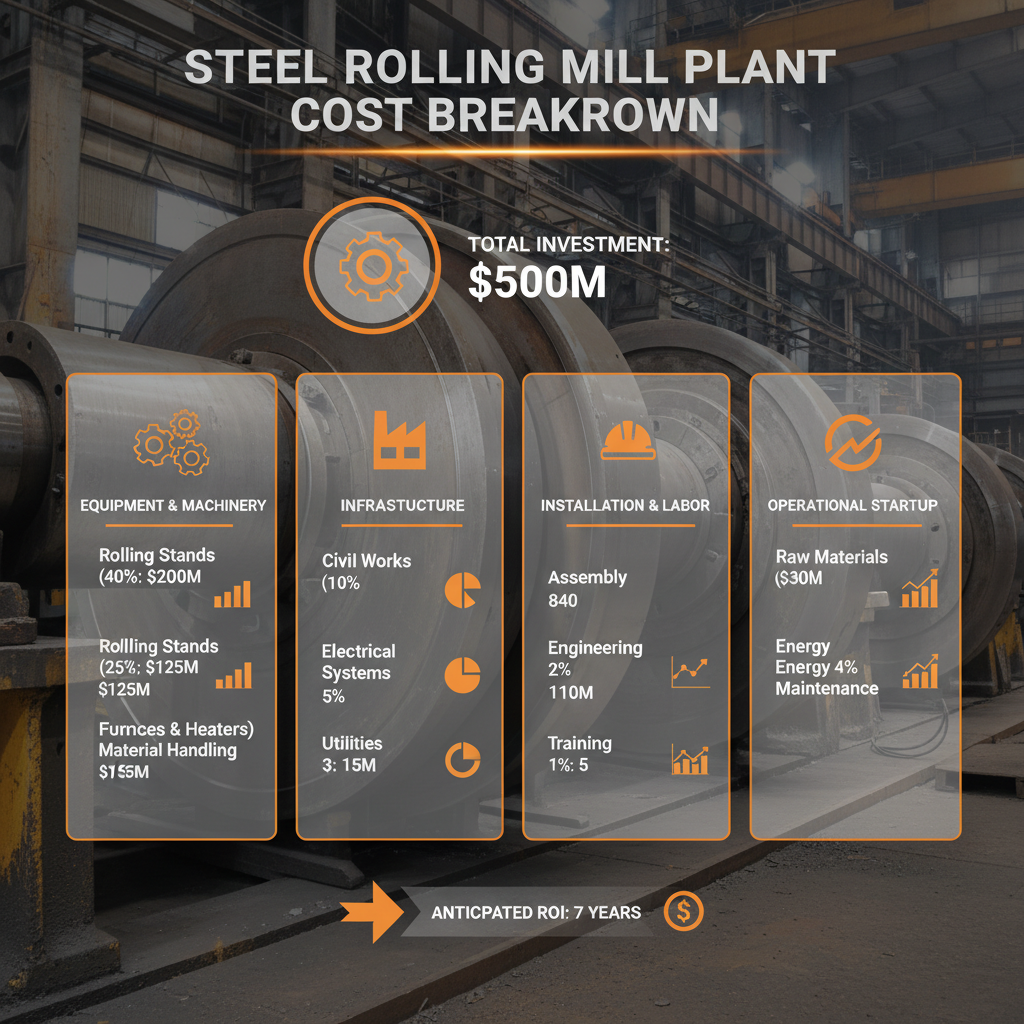
Understanding the intricacies of steel rolling mill plant cost is crucial for any investor or operator in the steel industry. The costs are not static; they are heavily influenced by factors like plant capacity, automation level, location, and prevailing market conditions. A comprehensive cost analysis must incorporate both capital expenditure (CAPEX) – the initial investment – and operational expenditure (OPEX) – the ongoing costs of running the mill.
The long-term profitability of a steel rolling mill hinges on the effective management of these costs. Poorly managed costs can quickly erode margins, while optimized cost control can lead to substantial savings and a competitive edge. This necessitates careful planning, diligent procurement, and continuous monitoring of expenses throughout the plant's lifecycle.
Defining Steel Rolling Mill Plant Cost
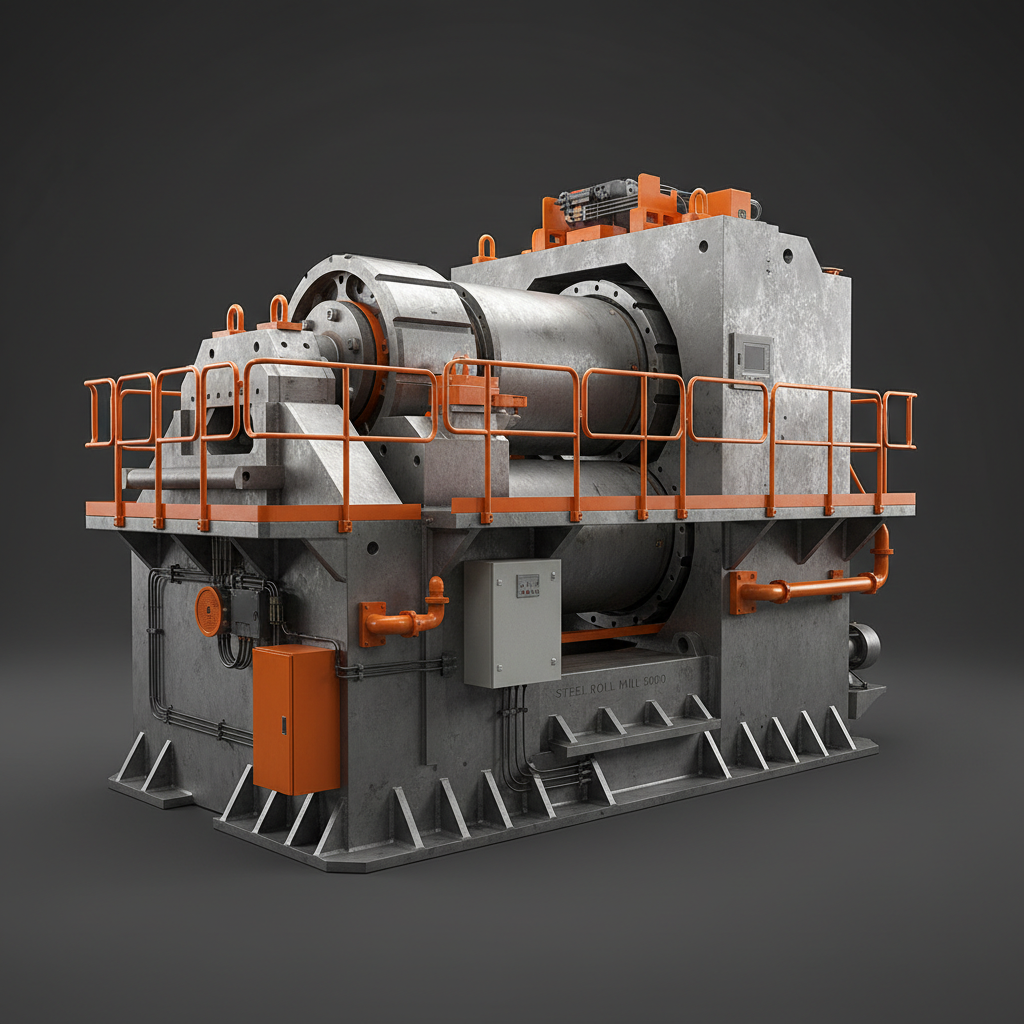
Steel rolling mill plant cost encompasses the total expenditure required to establish and operate a facility that transforms semi-finished steel products, such as billets, blooms, or slabs, into finished steel products like sheets, plates, bars, and rods. This cost isn't simply the price of the machinery; it's a complex equation that includes land acquisition, building construction, equipment procurement, installation, commissioning, and ongoing operational expenses.
Furthermore, costs extend beyond the physical plant. They include engineering and design fees, permitting and regulatory compliance, workforce training, and initial working capital. A holistic cost assessment recognizes both direct costs (e.g., raw materials, energy) and indirect costs (e.g., administration, insurance). Accurately defining all these elements is the first step towards effective cost management.
The term 'plant cost' can also vary depending on the scope. It might refer to a greenfield project – building a mill from scratch – or a brownfield project – upgrading or expanding an existing facility. Each scenario presents unique cost considerations and challenges.
Key Components Influencing Cost
Several key components significantly impact the overall steel rolling mill plant cost. The capacity of the mill is a primary driver; larger capacity mills generally have higher initial investment costs but can benefit from economies of scale. The level of automation also plays a crucial role, with highly automated mills requiring significant upfront investment but reducing long-term labor costs.
The type of steel products the mill will produce also influences cost. Manufacturing specialized steel products requires more sophisticated equipment and expertise, leading to higher investment and operational expenses. Furthermore, location is a critical factor; land costs, labor rates, and access to raw materials and transportation infrastructure all vary significantly by region.
Finally, compliance with environmental regulations and safety standards adds to the overall cost. Implementing pollution control technologies and ensuring a safe working environment requires substantial investment and ongoing maintenance. These factors contribute significantly to the total cost of ownership.
Global Applications and Regional Variations
Steel rolling mills are essential in nearly every region of the world, supporting infrastructure development, manufacturing, and construction. Demand is particularly high in rapidly industrializing nations like India, China, and Southeast Asian countries. However, the steel rolling mill plant cost varies dramatically across these regions.
Regional Variations in Steel Rolling Mill Plant Cost
Advantages of Optimized Cost Management
Effective cost management for a steel rolling mill plant offers numerous advantages, extending beyond simple profitability. Lower costs translate to more competitive pricing, allowing the mill to capture a larger market share and increase sales volume. Reduced operational expenses improve cash flow, providing greater financial flexibility for reinvestment and expansion.
Furthermore, optimized costs enhance the mill's resilience to market fluctuations. When steel prices decline, a well-managed mill can maintain profitability where others struggle. This proactive approach fosters long-term sustainability and positions the mill for continued success in a dynamic industry.
Future Trends in Steel Rolling Mill Plant Cost
Several emerging trends are poised to reshape the landscape of steel rolling mill plant cost. Increased adoption of Industry 4.0 technologies, such as artificial intelligence, machine learning, and the Internet of Things (IoT), will drive significant efficiency gains and cost reductions. Digitalization of processes, from raw material procurement to finished product distribution, will optimize resource utilization and minimize waste.
The growing emphasis on sustainability and green steel production is also impacting costs. Investing in energy-efficient equipment, implementing carbon capture technologies, and utilizing recycled materials will increase upfront investment but yield long-term cost savings and enhance environmental performance.
Challenges and Mitigation Strategies
Despite advancements, several challenges remain in controlling steel rolling mill plant cost. Volatile raw material prices, particularly iron ore and scrap steel, can significantly impact production costs. Geopolitical instability and trade disputes can disrupt supply chains and lead to price increases. Skilled labor shortages also pose a challenge, requiring investment in training and development.
To mitigate these risks, mills should diversify their sourcing of raw materials, implement hedging strategies to protect against price fluctuations, and invest in automation to reduce labor dependence. Furthermore, fostering strong relationships with suppliers and embracing collaborative partnerships can help ensure a stable and reliable supply chain.
Regular cost audits and performance monitoring are crucial for identifying areas for improvement and ensuring that cost control measures are effective. Continuous innovation and adaptation are essential for maintaining a competitive edge in the evolving steel industry.
Summary of Key Challenges and Mitigation Strategies for Steel Rolling Mill Plant Cost
| Challenge |
Impact on Cost |
Mitigation Strategy |
Effectiveness (1-10) |
| Raw Material Price Volatility |
Increased production costs, reduced profitability |
Diversification of suppliers, hedging strategies |
8 |
| Energy Costs |
Significant portion of OPEX |
Energy-efficient equipment, renewable energy sources |
7 |
| Labor Shortages |
Increased labor costs, reduced productivity |
Automation, training programs, competitive wages |
6 |
| Supply Chain Disruptions |
Delayed production, increased costs |
Strong supplier relationships, alternative sourcing |
7 |
| Environmental Regulations |
Investment in pollution control technologies |
Compliance planning, sustainable practices |
5 |
| Technological Obsolescence |
Reduced efficiency, increased maintenance |
Regular equipment upgrades, technology adoption |
6 |
FAQS
The primary cost drivers include land acquisition, building construction, equipment procurement (rolling mills, auxiliary equipment, automation systems), installation and commissioning, engineering and design fees, permitting and regulatory compliance, and initial working capital. Location significantly impacts land costs and access to resources, while the chosen technology and automation level heavily influence equipment expenses. A thorough feasibility study is crucial to accurately assess these costs.
While automation initially increases the upfront steel rolling mill plant cost due to the investment in advanced technologies like robotic systems and process control software, it leads to substantial long-term savings. Reduced labor costs, improved efficiency, higher product quality, and minimized material waste all contribute to a lower total cost of ownership. The level of automation should be carefully considered based on production volume and desired level of operational efficiency.
The payback period for a steel rolling mill investment varies significantly depending on factors such as plant capacity, product mix, market conditions, and operational efficiency. Typically, a well-managed mill can achieve a payback period of 5-10 years. However, this can be shorter or longer depending on these variables. A detailed financial model incorporating realistic projections is essential for determining the expected payback period.
Strategies to reduce energy consumption include implementing energy-efficient equipment, optimizing process parameters, recovering waste heat, and utilizing renewable energy sources. Investing in advanced control systems can also help monitor and manage energy usage effectively. Regular energy audits and maintenance programs are essential for identifying and addressing energy inefficiencies.
Environmental regulations significantly impact steel rolling mill plant cost through the requirement for pollution control technologies, waste management systems, and environmental impact assessments. Investments in dust collectors, wastewater treatment plants, and air emission control systems add to the initial investment and ongoing operational expenses. Compliance with these regulations is essential for obtaining permits and operating legally.
Location is a critical factor influencing steel rolling mill plant cost. Land costs, labor rates, proximity to raw materials (iron ore, scrap steel), access to transportation infrastructure (rail, ports, highways), and regulatory environment all vary significantly by location. Choosing a strategic location can minimize transportation costs, reduce labor expenses, and streamline supply chain logistics.
Conclusion
In conclusion, understanding the complexities of steel rolling mill plant cost is vital for success in the steel industry. From initial investment to ongoing operational expenses, meticulous planning and diligent cost management are paramount. By carefully considering key components, embracing technological advancements, and proactively addressing potential challenges, operators can optimize costs, enhance profitability, and build sustainable businesses.
Looking ahead, the future of steel rolling mill plant cost will be shaped by sustainability, digitalization, and automation. Embracing these trends is not just a matter of economic efficiency but also environmental responsibility and long-term viability. For detailed cost analysis and tailored solutions, visit our website: www.bjywlx.com