Mastering Tension Control for Premium Steel
In the high-stakes production of Automobile steel, plate, strip, and coil, consistency is the ultimate currency. The difference between premium product and costly scrap often hinges on a single, critical process variable: tension control. For over two decades, Yang Wang Li Xin (YWLX) has been at the forefront of engineering turn-key metallurgical solutions where precision is paramount. Our expertise lies in designing and integrating the advanced systems that master this invisible force, ensuring every meter of steel meets the stringent demands of global markets. This article explores the pivotal role of tension control in modern rolling operations and why it is a non-negotiable focus for any manufacturer or importer seeking superior quality and yield.
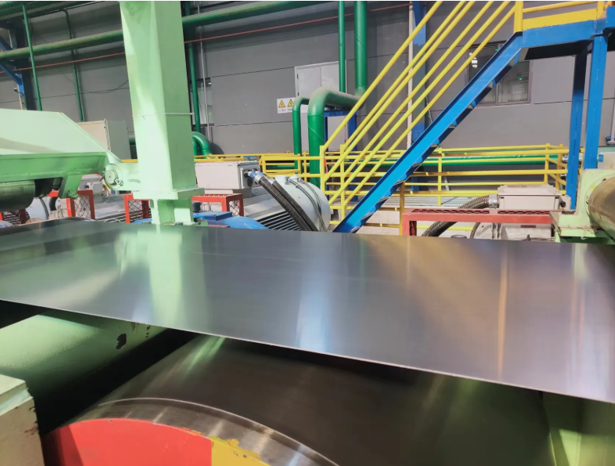
Tension Control in Continuous Rolling Lines
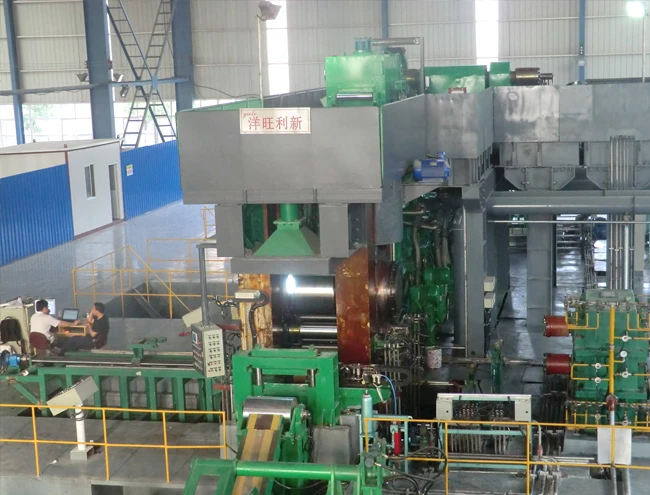
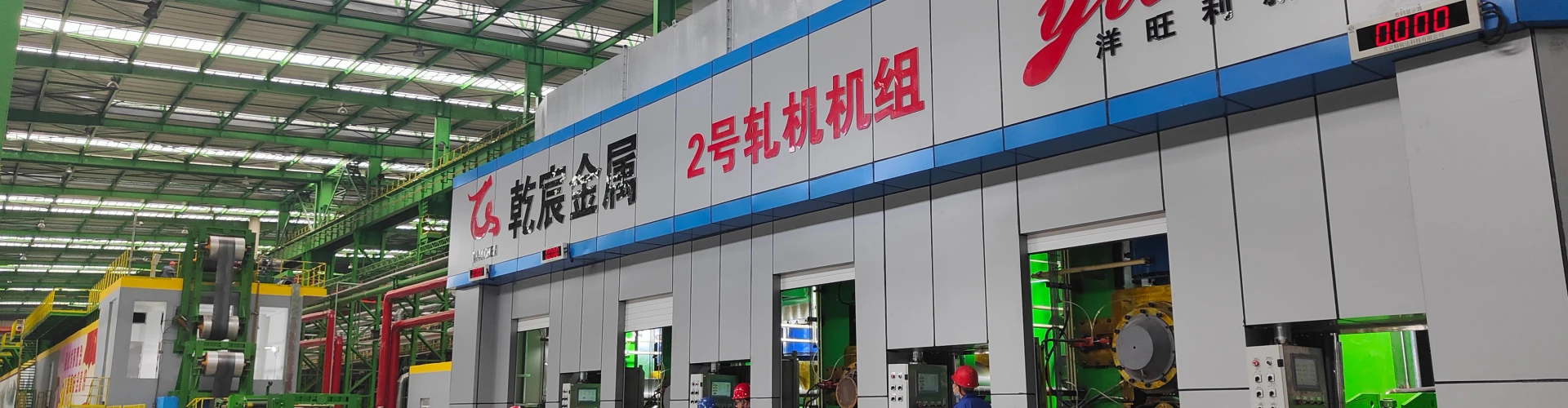
Precise tension control is essential for the stable operation of any continuous rolling line processing strip and coil. As a fundamental parameter governing material flow between stands, consistent tension prevents a range of defects—from gauge variations and shape issues to strip breaks or cobbles. Optimal tension control ensures uniform longitudinal stress, avoiding slippage, buckling, or over-stretching. This is especially vital for high-grade automotive steel, where metallurgical and dimensional specifications must be exact. Effective tension control reduces yield loss, increases throughput, and acts as the first safeguard against quality deviations in production batches.
Integrating Advanced Tension Control Systems
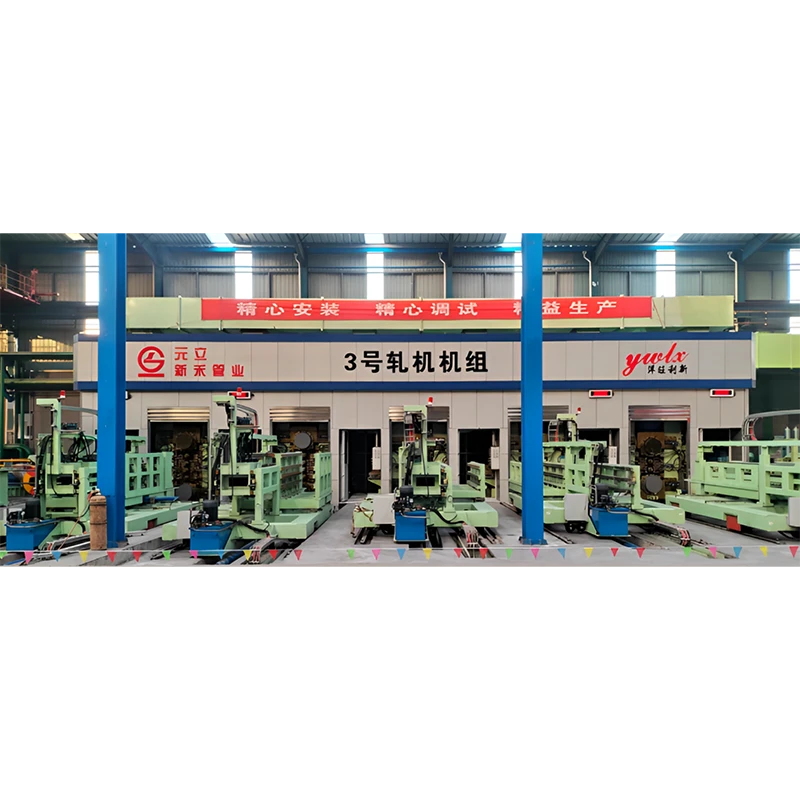
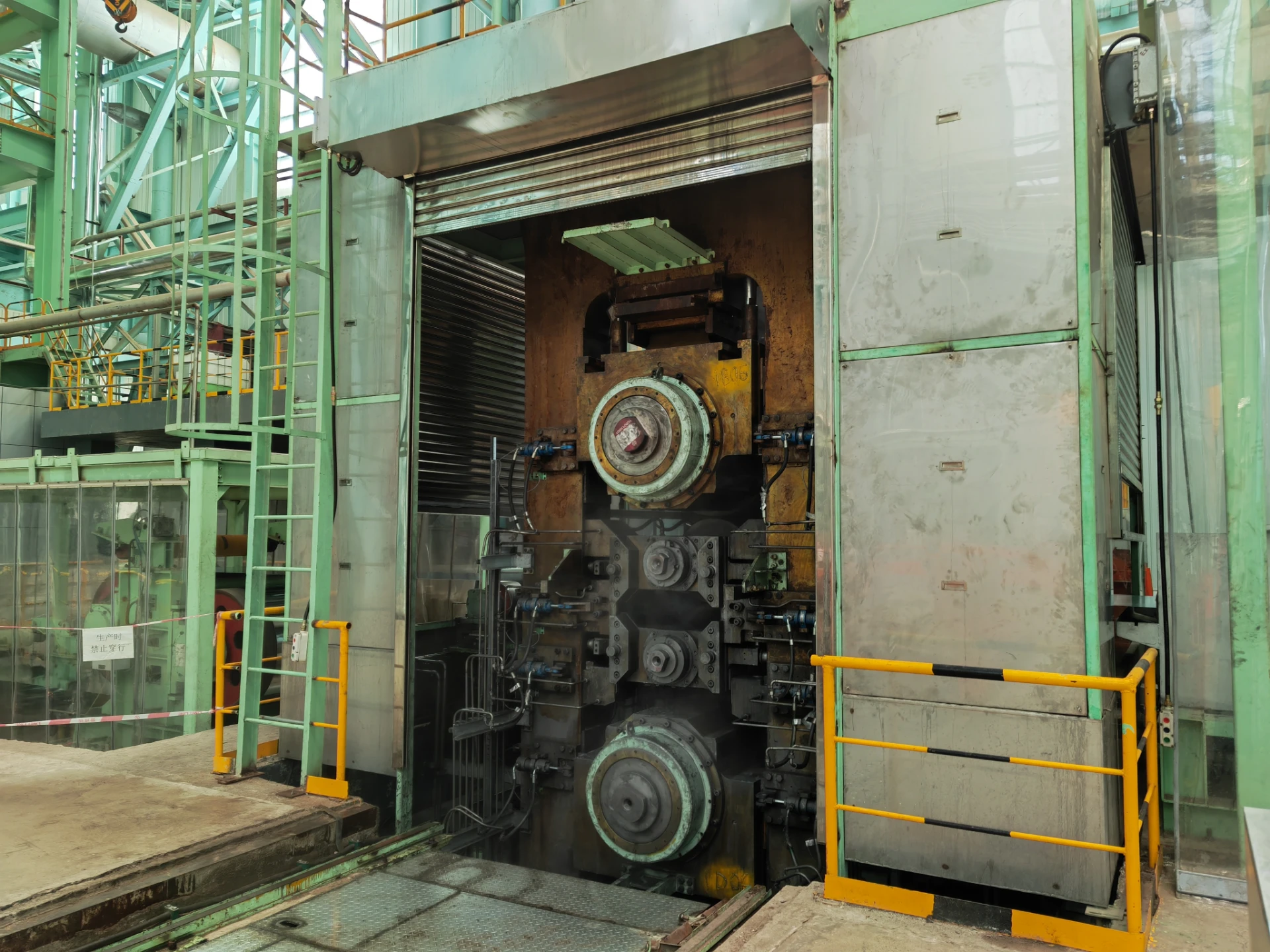
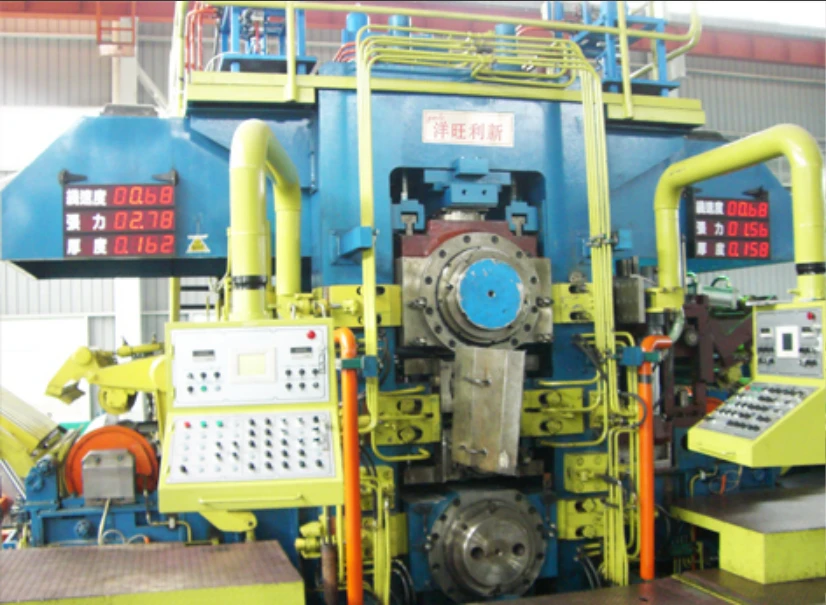
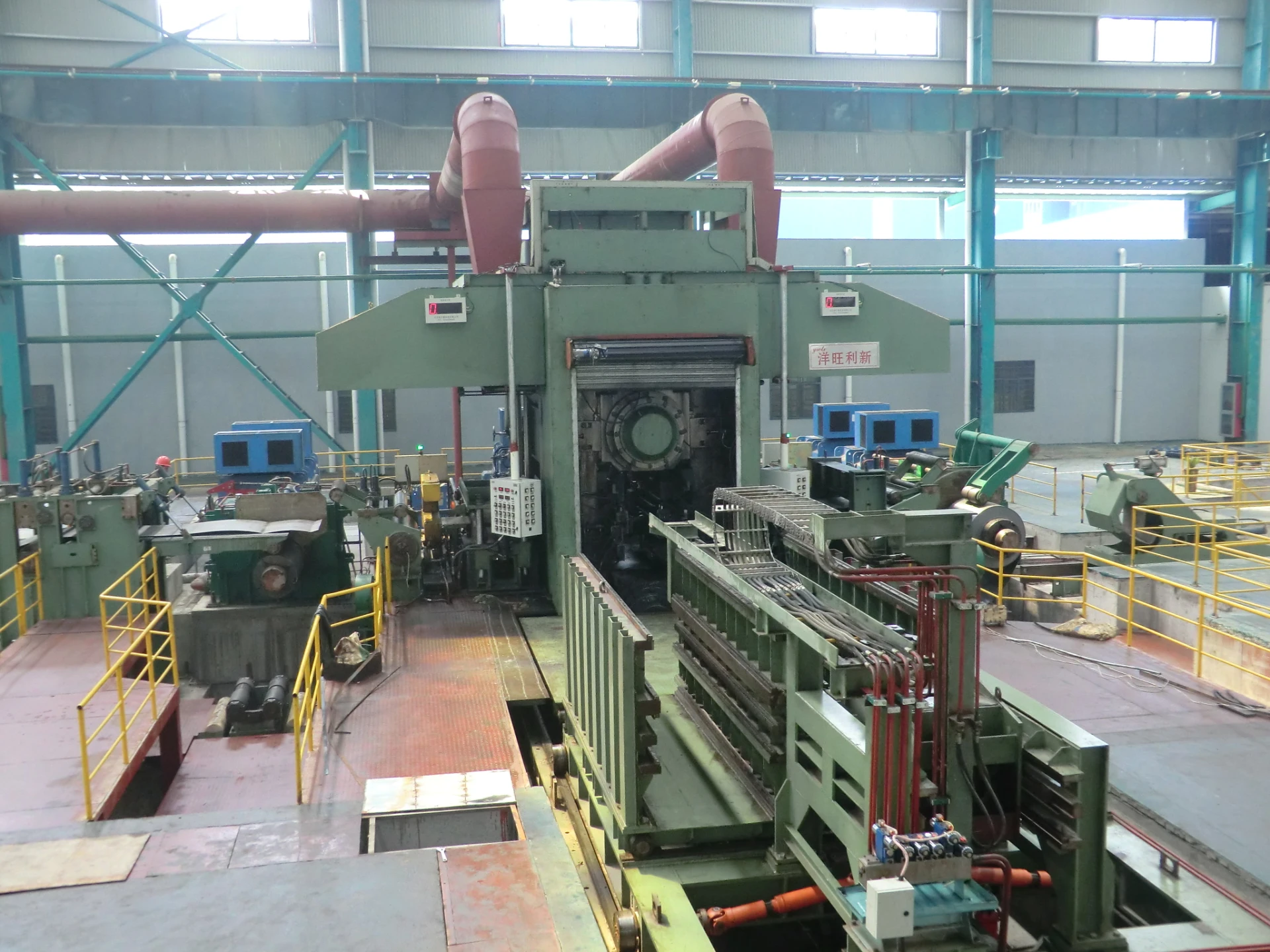
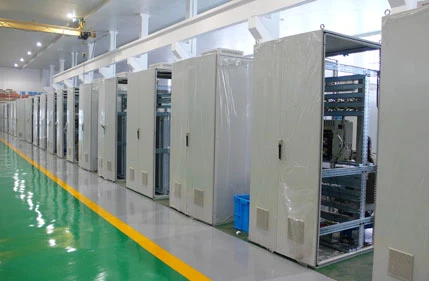
Modernizing a mill with updated tension control systems enhances overall capability and competitiveness. Integration involves more than new hardware—it requires re-engineering the process loop with high-accuracy tension sensors, responsive drives, and advanced automation with intelligent control algorithms. YWLX specializes in integrating these tension control systems into existing infrastructure. Our approach ensures seamless communication between digital controls and legacy mechanics, offering operators user-friendly interfaces for precise setpoint adjustment and real-time monitoring, thereby future-proofing production operations.
Hydraulic Automatic Gauge Control for Uniformity
Hydraulic automatic gauge control (HAGC) complements tension control by ensuring cross-sectional precision. HAGC maintains consistent strip thickness by dynamically adjusting the roll gap using high-response hydraulic cylinders. The interaction is key: stable tension control provides predictable strip entry conditions, allowing HAGC to perform effectively. Together, they compensate for variations in material hardness, temperature, and incoming gauge. For precision plate and ultra-thin coil, this combined control achieves the strict thickness uniformity demanded by automotive and aerospace applications.
FAQs About Optimizing Mill Performance with Tension Control
Why is precise tension control critical for strip quality?
Tension control prevents defects such as buckle waves, strip breaks, and gauge bands, ensuring high surface and dimensional quality in strip and coil.
How do modern tension control systems improve stability?
Advanced tension control systems use closed-loop feedback and predictive algorithms to react instantly to disturbances, maintaining setpoints within a tight tolerance band.
What are common tension control challenges in existing mills?
Older mills often struggle with worn components, slow drive response, and fragmented sensor data, all of which reduce tension control accuracy.
How does hydraulic automatic gauge control interact with tension?
Hydraulic automatic gauge control and tension control work together; stable tension enables Hydraulic automatic gauge control to function properly, ensuring both target thickness and flatness are maintained.
Can tension control systems be retrofitted on old lines?
Yes. Specialized providers such as YWLX can retrofit modern tension control systems onto older lines, significantly enhancing performance and product consistency.
In the precision-focused flat rolled steel industry, tension control is a cornerstone of quality, efficiency, and profitability. From automotive steel surfaces to dimensional accuracy in specialty plate, mastering this element distinguishes leading producers.YWLX combines deep expertise with practical solutions!With two decades of experience in turn-key projects, we design, integrate, and optimize tension control and hydraulic automatic gauge control systems that meet modern mill demands. We deliver guaranteed process performance, not just equipment. Partner with a specialist for whom control engineering is a core strength. Contact the YWLX engineering team to evaluate your tension control strategy. Let us show how customized solutions can stabilize production, improve product quality, and strengthen your reputation as a reliable supplier of premium automotive steel, plate, strip, and coil.
-
Ship Multi-Project Equipment on the Lantern FestivalNewsMar.03,2026
-
YWLX Deep Dives into Cladding Line with Dubai ClientNewsDec.22,2025
-
1450mm 6-Hi Reversing Mill Goes Live in BangladeshNewsOct.28,2025
-
Sep. 3rd Parade: Carry Forward and Press OnNewsSep.03,2025
-
Indian Clients Visit YWLX to Inspect Skin-pass MillNewsJun.22,2025
-
Full- throttle! YWLX's Intense Production During May DayNewsMay.01,2025
-
YWLX Participated in the 2025 Chinese GAP Program Review ConferenceNewsApr.17,2025