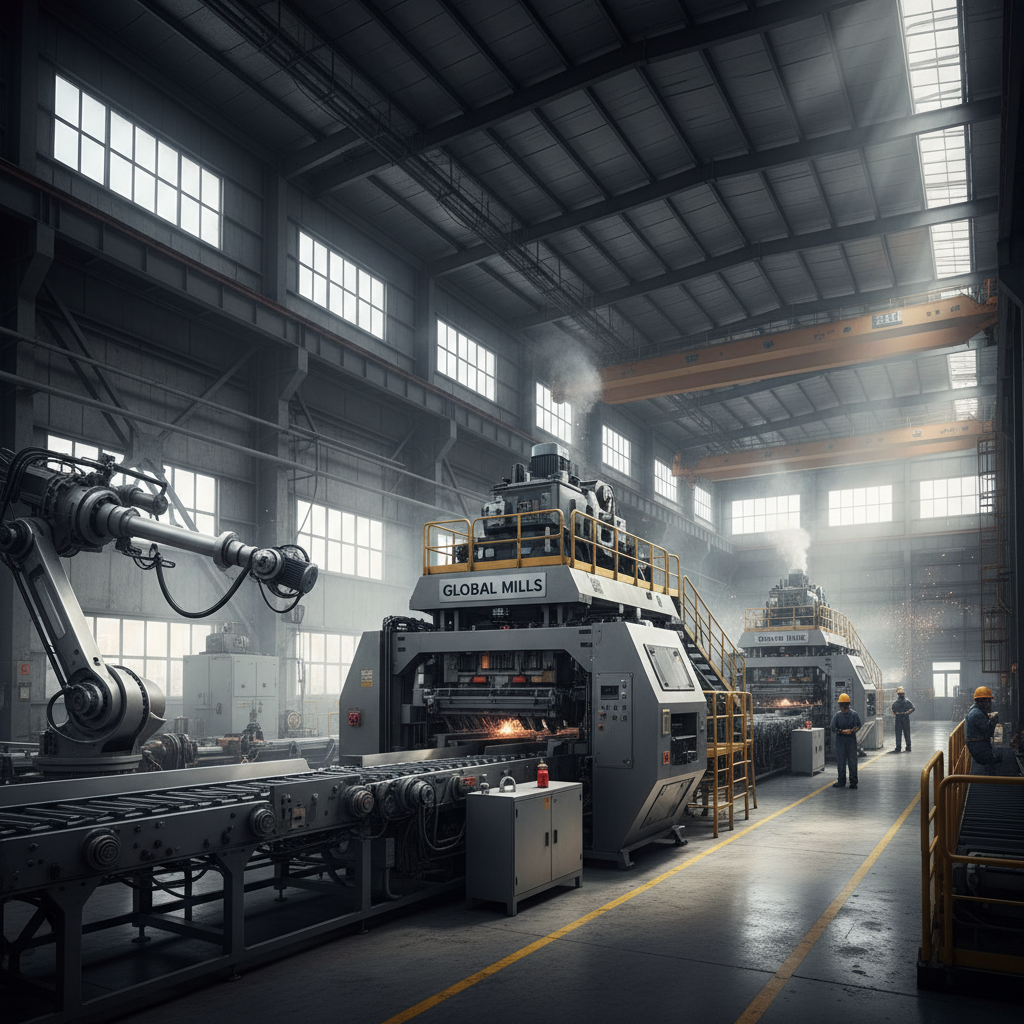
The modern industrial landscape relies heavily on the precision and efficiency of metal processing, where the wire rolling machine stands as a cornerstone of production. By transforming raw metal billets into high-quality wire rods through a series of controlled deformations, these machines enable the creation of everything from construction reinforcements to delicate electronic components. Understanding the nuances of this technology is essential for manufacturers aiming to optimize throughput and maintain strict dimensional tolerances.
Globally, the demand for precision wire products is surging, driven by the expansion of infrastructure in emerging economies and the evolution of the automotive and aerospace sectors. A high-performance wire rolling machine does not merely shape metal; it enhances the mechanical properties of the material, ensuring that the final product can withstand extreme stress and environmental conditions. This process is critical for maintaining the structural integrity of global supply chains.
However, the industry faces significant challenges, including the need for higher energy efficiency and the reduction of material waste. Transitioning to advanced rolling technologies allows operators to achieve tighter tolerances with less downtime. By integrating smart automation and superior metallurgy, the contemporary wire rolling machine transforms a traditional mechanical process into a precision-engineered science.
Global Industrial Relevance of Wire Rolling
On a global scale, the production of wire and rod products is a multi-billion dollar industry. According to international industrial standards, the precision of a wire rolling machine directly impacts the safety of civil engineering projects. From the suspension cables of massive bridges to the internal wiring of smart grids, the ability to produce consistent diameters and tensile strengths is non-negotiable.
The challenge for many manufacturers lies in balancing high-speed production with the stringent quality requirements set by ISO and other regulatory bodies. Inefficient rolling processes lead to significant scrap rates and energy loss, which not only hurts the bottom line but also increases the carbon footprint of the metalworking industry. This has sparked a global shift toward more intelligent, digitally controlled rolling systems.
Defining the Wire Rolling Machine Mechanism
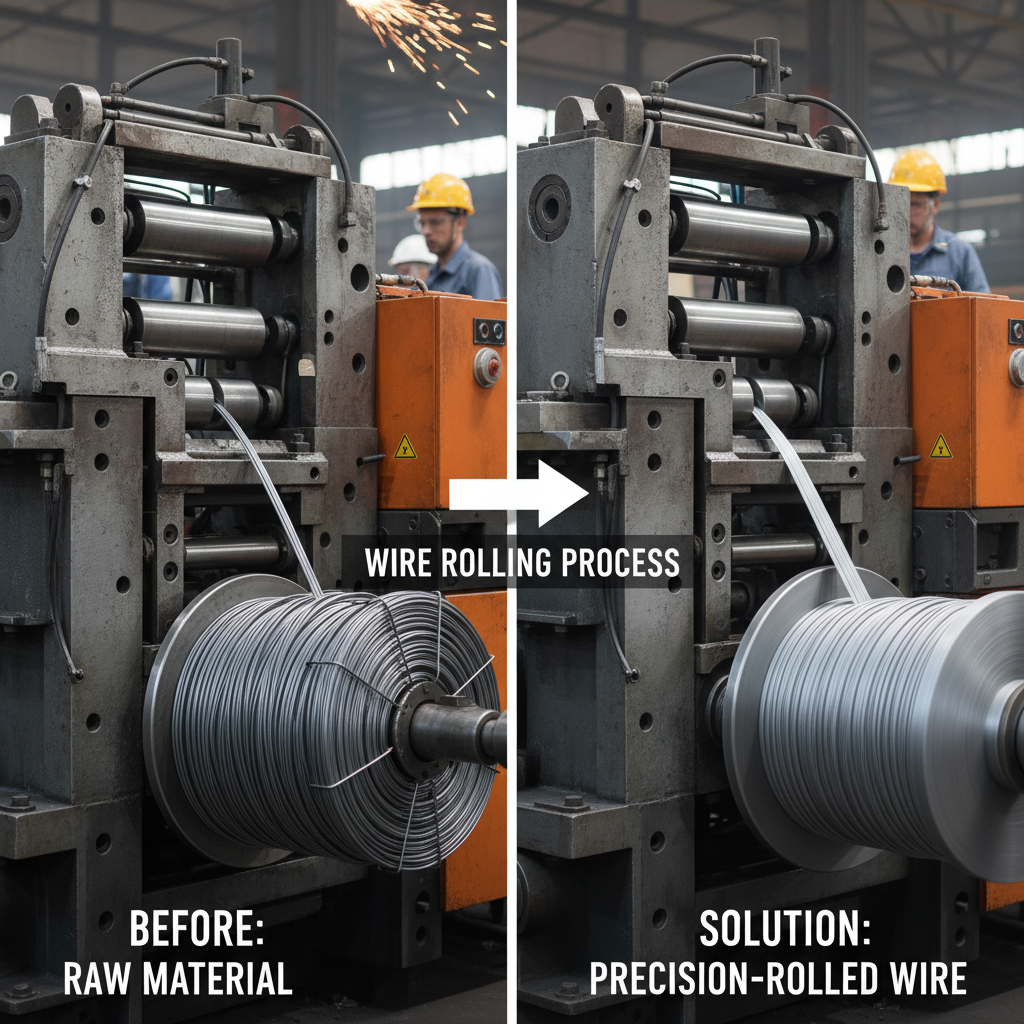
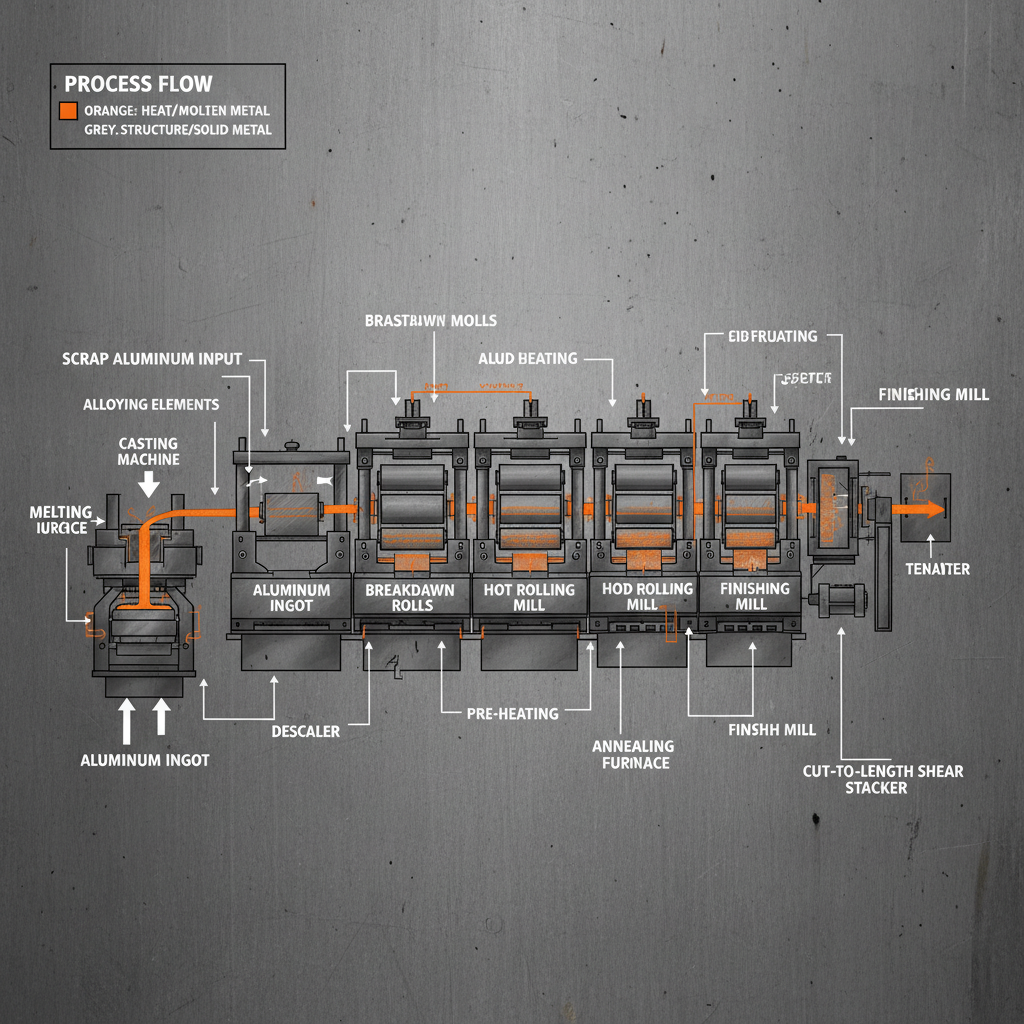
In simple terms, a wire rolling machine is a specialized piece of industrial equipment designed to reduce the cross-section of a metal bar (billet) through compressive forces. By passing the heated or cold metal through a series of progressively smaller rollers, the machine elongates the material into a continuous wire or rod of a specific gauge.
This mechanism is fundamentally connected to modern humanitarian and infrastructure needs. For instance, the production of affordable, high-strength galvanized wire is essential for agricultural fencing in developing regions and for creating secure housing frameworks. The machine acts as the bridge between raw smelting and finished functional products.
Unlike simple drawing processes, rolling allows for larger reductions in a single pass and can be performed at high temperatures (hot rolling) to improve the ductility and grain structure of the metal. This ensures that the resulting wire is not only the correct size but possesses the internal metallurgical properties required for heavy-duty industrial use.
Core Components for Operational Excellence
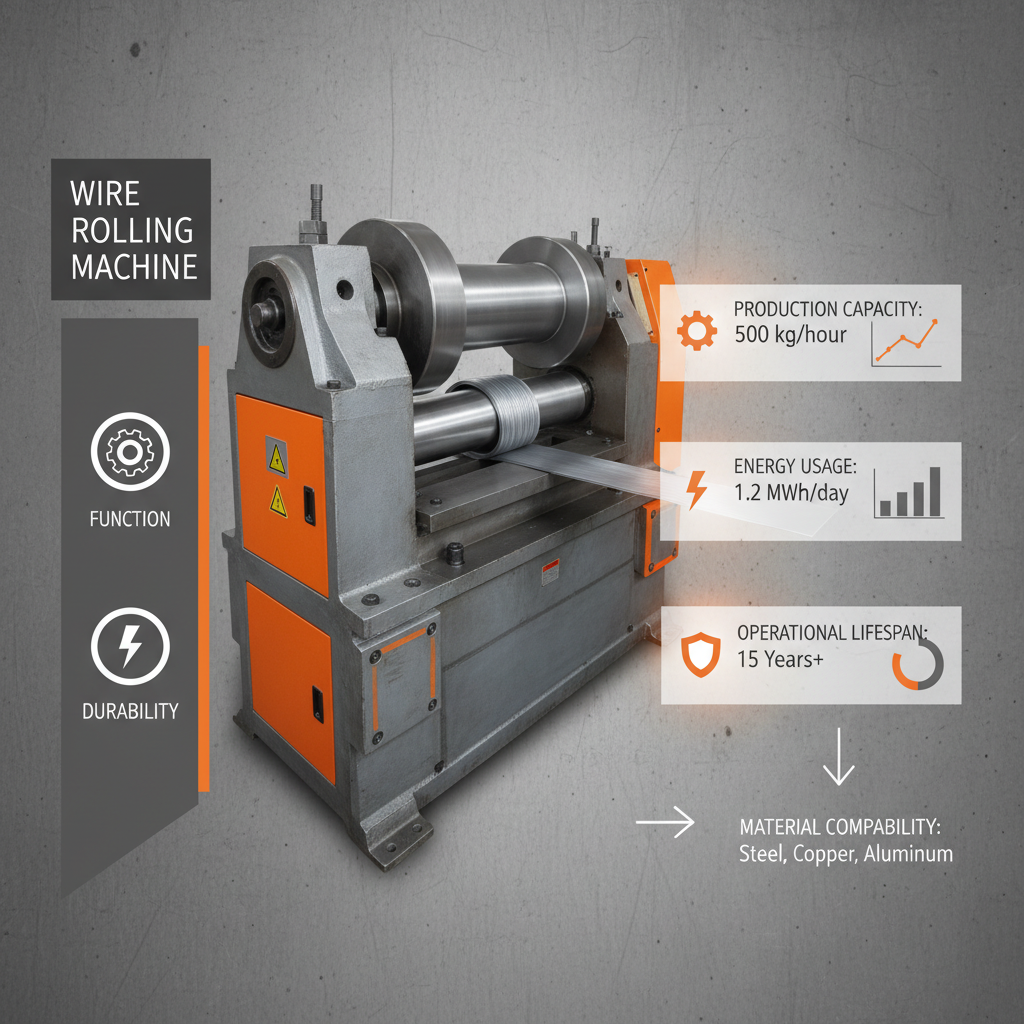
Durability is the primary factor for any wire rolling machine. The rollers themselves must be crafted from high-alloy tungsten carbide or specialized tool steels to resist the immense heat and friction generated during the deformation process. Without extreme wear resistance, the dimensional accuracy of the wire would drift rapidly, leading to rejected batches.
Scalability and flexibility are also critical. Modern systems are designed with modular roll stands, allowing operators to switch between different wire diameters quickly. This versatility ensures that a single wire rolling machine can serve multiple product lines, from heavy-gauge industrial rods to fine-gauge specialty wires, optimizing the facility's footprint.
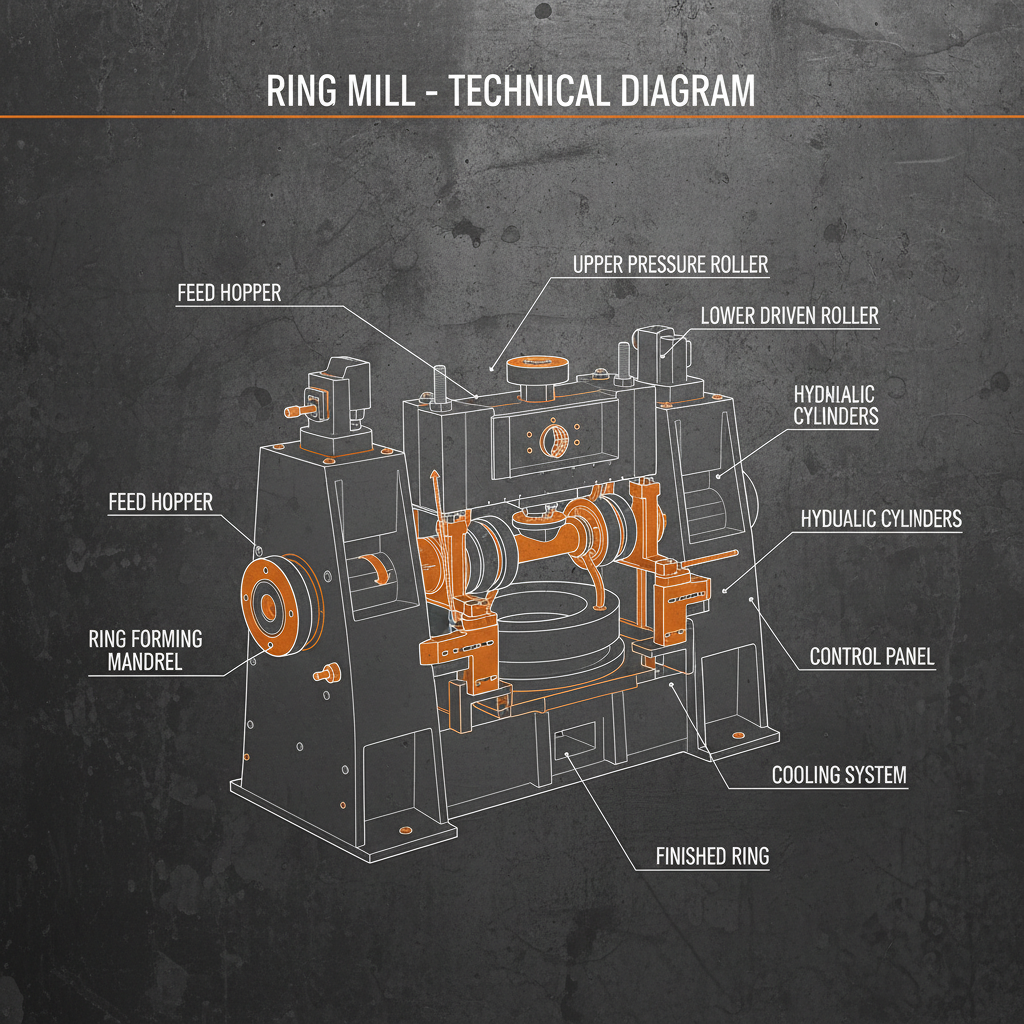
Finally, precision control systems—including automated guiding and cooling devices—ensure that the wire remains centered and thermally stable. By integrating sensors that monitor speed and tension in real-time, the wire rolling machine can automatically adjust its parameters to compensate for material variations, ensuring a consistent finish.
Practical Performance Metrics and Efficiency
Evaluating the success of a wire rolling machine requires a look at several Key Performance Indicators (KPIs). The most vital metrics include the reduction ratio per pass, the surface finish quality, and the energy consumption per ton of produced wire. High-efficiency machines minimize "cobbles" (production jams) and maximize the linear meters produced per hour.
When comparing different rolling technologies, manufacturers often look at the balance between speed and precision. While some machines prioritize sheer volume, others are tuned for specialty alloys where temperature control is more important than throughput.
Efficiency Comparison of Wire Rolling Machine Configurations
Global Applications Across Diverse Sectors
The application of the wire rolling machine spans virtually every continent, serving sectors from automotive to construction. In industrial zones across Southeast Asia and India, these machines are pivotal for producing the rebar and tie-wire needed for rapid urbanization. The ability to scale production quickly allows these regions to meet the explosive demand for infrastructure.
In more specialized contexts, such as the aerospace hubs in Europe and North America, precision wire rolling is used to create high-performance alloy wires for turbine components and fuselage reinforcements. Here, the focus shifts from volume to extreme metallurgical purity and exactness, where a variance of a few microns can determine the success of a mission-critical part.
Long-term Value and Sustainable Advantages
Investing in a high-tier wire rolling machine provides tangible long-term value through reduced operational costs and improved material yields. By utilizing advanced lubrication and cooling systems, manufacturers can extend the lifespan of their rolls, significantly lowering the cost of consumables and reducing the frequency of maintenance shutdowns.
Beyond the financial gains, there is a strong sustainability angle. Modern machines are designed for "Green Steel" initiatives, utilizing energy-recovery systems that capture waste heat and repurpose it. This not only lowers the energy bill but also aligns the manufacturer with global carbon-reduction targets, enhancing the company's reputation as an eco-conscious leader.
Furthermore, the reliability of a well-engineered system fosters trust within the supply chain. When a client knows that every spool of wire coming off a specific wire rolling machine meets identical specifications, it eliminates the need for exhaustive secondary testing, accelerating the overall production cycle and enhancing industrial safety.
Future Trends in Wire Rolling Automation
The future of the wire rolling machine is inextricably linked to Industry 4.0. We are seeing a shift toward "Smart Rolling," where AI-driven algorithms predict tool wear and automatically adjust rolling speeds to prevent defects before they occur. This predictive maintenance reduces unplanned downtime and ensures that the machine operates at peak efficiency throughout its lifecycle.
Another emerging trend is the integration of hybrid rolling technologies, combining the speed of hot rolling with the surface finish of cold rolling in a single, integrated line. This innovation allows for the production of specialty materials that were previously too costly or technically difficult to manufacture, opening new doors for the medical and electronics industries.
As digital twins become more common, engineers can now simulate the entire rolling process in a virtual environment before a single piece of metal is processed. This reduces the trial-and-error phase of new product development, allowing the wire rolling machine to be optimized for new alloys and dimensions with unprecedented speed.
Comparative Analysis of Wire Rolling Machine Technology Evolution
| Technology Era |
Control Method |
Precision Level |
Sustainability Rating |
| Traditional Mechanical |
Manual Levers/Gears |
Low (±0.5mm) |
2/10 |
| Early PLC Systems |
Basic Digital Logic |
Medium (±0.2mm) |
4/10 |
| Modern CNC Rolling |
Computerized Control |
High (±0.05mm) |
6/10 |
| Industry 4.0 Smart Mill |
AI & Real-time IoT |
Ultra-High (±0.01mm) |
9/10 |
| Hybrid Rolling Line |
Adaptive Feedback Loop |
Very High (±0.02mm) |
8/10 |
| Zero-Emission Mill |
Fully Integrated Cloud |
High (±0.05mm) |
10/10 |
FAQS
A wire rolling machine uses compressive force from rollers to reduce the diameter of the metal, often while the material is hot, which can improve metallurgical properties. In contrast, a drawing machine pulls the wire through a die to reduce its size. Rolling is generally faster for large reductions and better for achieving specific internal grain structures in heavy-duty applications.
Replacement cycles depend on the material being rolled and the production volume. Harder alloys cause faster wear. However, with modern tungsten carbide rollers and proper lubrication, rolls can last for thousands of tons. We recommend implementing a predictive maintenance schedule using sensors to monitor diameter drift, allowing for replacement exactly when needed rather than on a fixed timer.
Yes, but it requires different roll settings and potentially different roll materials. Stainless steel has higher work-hardening rates and requires more precise temperature control to avoid surface defects. A versatile machine with adjustable roll gaps and a high-torque motor can switch between these materials, provided the operators adjust the rolling speed and cooling parameters accordingly.
While the initial investment in PLC and IoT sensors is higher than manual systems, the ROI is usually realized quickly. Automation reduces scrap rates, lowers labor costs, and prevents catastrophic machine failure through predictive alerts. In the long run, an automated wire rolling machine is significantly more cost-effective due to its higher yield and lower energy consumption per unit.
Temperature is critical. In hot rolling, heating the billet lowers the yield strength of the metal, making it easier to deform and reducing the load on the machine. If the temperature drops too low, the risk of surface cracks and "cobbles" increases. Precise temperature control ensures a uniform grain structure and a smoother finish, which is why advanced machines include integrated reheating and cooling zones.
Safety is paramount due to the high pressures and temperatures involved. Essential measures include emergency stop buttons at multiple points, safety guarding to prevent access to moving rollers, and automated sensors that shut down the line if a jam is detected. Additionally, operators should be equipped with heat-resistant PPE and trained in lockout-tagout (LOTO) procedures during maintenance.
Conclusion
The wire rolling machine is far more than a piece of heavy machinery; it is a precision instrument that enables the modern world's infrastructure. From the core components of global transport to the smallest electrical connections, the efficiency and accuracy of the rolling process determine the quality and safety of the end product. By focusing on durability, scalability, and the integration of smart technologies, manufacturers can transition from traditional production to a high-yield, sustainable industrial model.
Looking forward, the synergy between AI, green energy, and advanced metallurgy will redefine what is possible in metal processing. We encourage manufacturers to embrace digital transformation and invest in equipment that not only meets today's standards but is ready for the demands of tomorrow. For those seeking to elevate their production capabilities with world-class rolling technology, we invite you to explore our comprehensive solutions. Visit our website: www.bjywlx.com