The global industrial landscape relies heavily on the efficient production of long steel products, where the wire rod mill serves as a critical cornerstone. By transforming steel billets into high-quality coiled wire rods, these mills provide the essential raw materials for everything from automotive components to construction reinforcements and electrical wiring.
Understanding the complexities of a modern wire rod mill is vital for manufacturers aiming to optimize throughput and ensure material consistency. As global demand for high-strength, low-alloy steels rises, the ability to precisely control the rolling and cooling process becomes a significant competitive advantage in the metalworking sector.
Investing in advanced rolling technology allows producers to reduce energy consumption while increasing the precision of the final product. This guide explores the technical nuances, operational advantages, and future trajectories of the wire rod mill, providing a comprehensive overview for engineers and procurement specialists alike.
Global Industrial Context of Wire Rod Mills
On a global scale, the production of steel wire is an indispensable part of the infrastructure chain. According to World Steel Association trends, the shift toward urbanization in emerging economies has spiked the demand for high-tensile wire rods used in reinforced concrete and bridge cabling. The wire rod mill is the engine that powers this supply, ensuring that millions of tons of steel are processed with minimal waste.
However, the industry faces a mounting challenge: the need to balance massive output with stringent environmental regulations. Many legacy mills struggle with outdated heating systems and inefficient rolling sequences, leading to excessive carbon emissions and inconsistent grain structures in the steel. This has paved the way for the adoption of smart milling technologies and high-precision temperature controls.
Defining the Wire Rod Mill Process
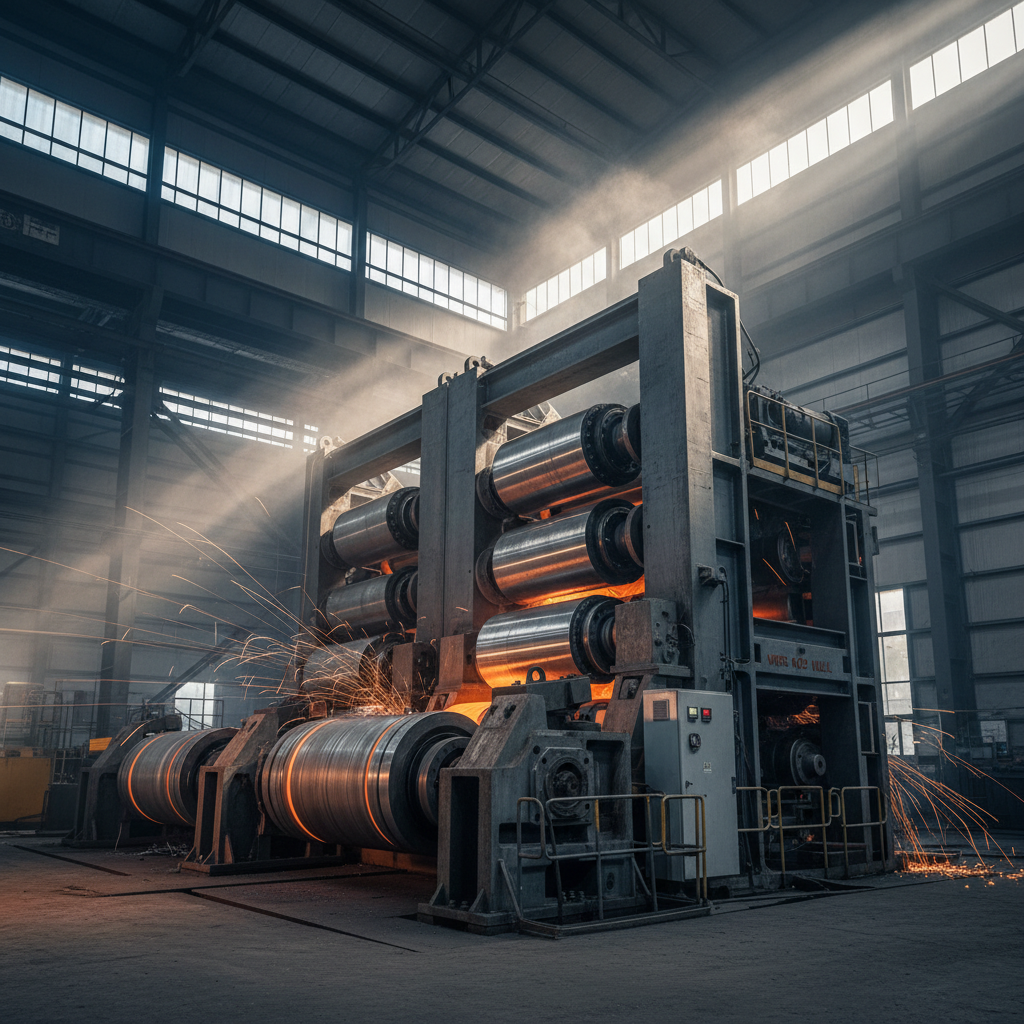
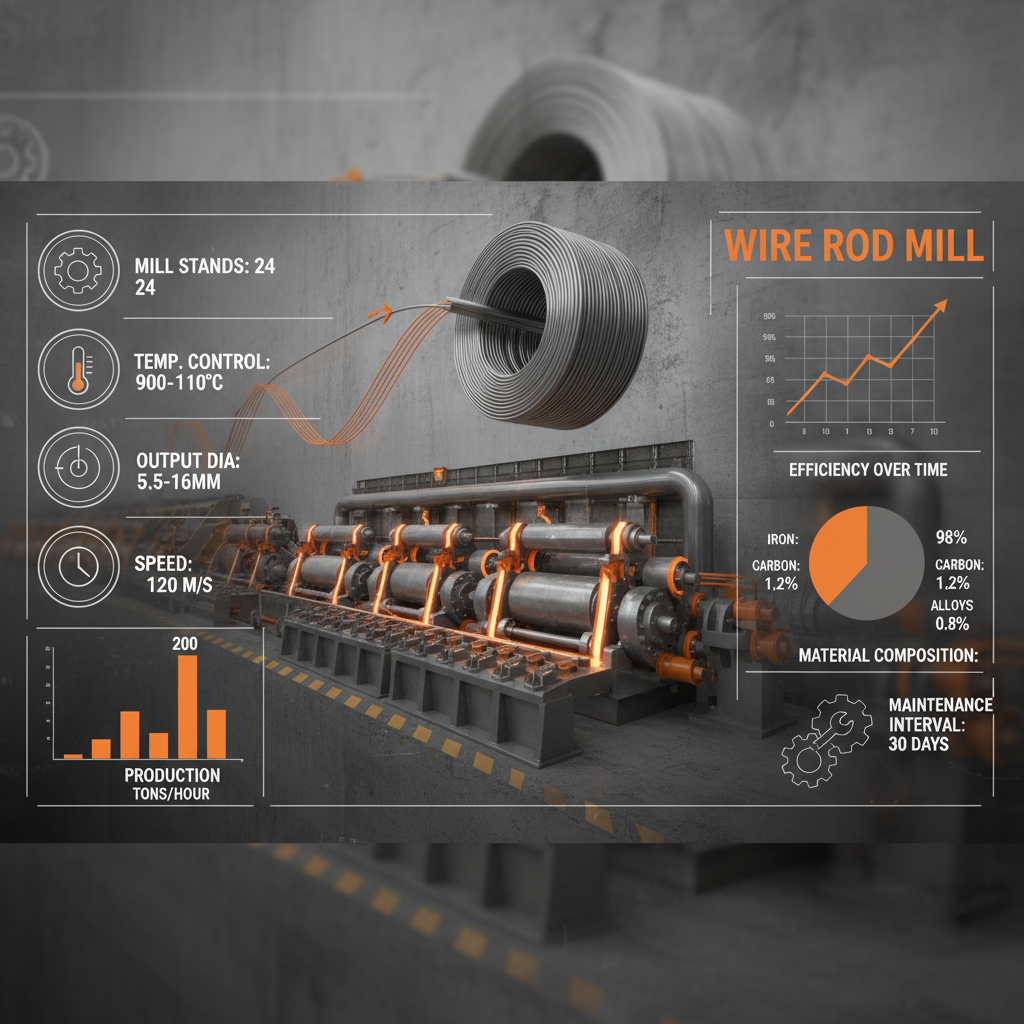
In simple technical terms, a wire rod mill is a specialized rolling facility designed to reduce the cross-section of a heated steel billet into a thin, circular rod, which is then coiled for easy transport and further processing. Unlike traditional bar mills, the wire rod mill focuses on continuous high-speed production and precise coiling, making it the most efficient method for producing small-diameter steel products.
The connection between this technology and modern humanitarian needs is profound. From the production of medical-grade surgical wires to the galvanized fencing used in agricultural protection in remote regions, the outputs of these mills support basic safety, food security, and healthcare infrastructure worldwide.
Modern systems often integrate AGC (Automatic Gauge Control) and advanced cooling beds to ensure that the metallurgical properties of the steel—such as hardness and ductility—are uniform across the entire length of the coil. This precision is what allows a wire rod to be drawn into a hair-thin filament without snapping.
Core Components for Operational Excellence
The efficiency of a wire rod mill is largely determined by its thermal management. Reheating furnaces must ensure the billet reaches a precise temperature to facilitate plastic deformation without causing surface cracks or excessive scale loss.
Scalability is another critical factor. Modular mill designs allow operators to add additional finishing blocks or upgrade to higher-speed laying heads as market demand grows. This ensures that the initial investment remains viable over decades of service.
Finally, the cooling system—specifically the Stelmor conveyor or water quenching devices—defines the final mechanical properties of the steel. By controlling the cooling rate, the mill can produce various grades of steel, from soft annealed wire to high-strength pearlitic structures.
Performance Metrics and Cost Efficiency
When evaluating the success of a wire rod mill, engineers typically look at the yield rate and the energy consumption per ton of product. Reducing "cobbles" (production failures where the steel bunches up) is the primary goal, as a single cobble can result in hours of downtime and significant material loss.
To maximize cost efficiency, many plants are transitioning toward direct rolling, where billets are transferred from the continuous caster to the rolling mill without intermediate reheating. This drastically reduces fuel costs and carbon footprints while maintaining the integrity of the steel.
Comparative Efficiency of Wire Rod Mill Configurations
Global Applications and Industrial Use Cases
The output of a wire rod mill finds its way into nearly every industrial sector. In the automotive industry, high-carbon wire rods are processed into valve springs and fasteners that must withstand extreme stress and temperature fluctuations. In construction, low-carbon rods are utilized for stirrups and wire mesh that provide essential shear strength to high-rise buildings.
Beyond urban centers, these products are critical in remote industrial zones for the creation of mining cables and drilling wires. In post-disaster relief operations, the rapid deployment of temporary shelters often relies on galvanized steel wires produced by these mills, which provide the necessary tension and durability for quick-assembly frames.
Long-Term Value and Sustainability
The long-term value of a modern wire rod mill extends beyond simple production numbers; it is about the reliability and trust built into the material. When a mill produces a consistent, defect-free rod, it eliminates the risk of failure in downstream applications, ensuring the safety of millions of end-users.
From a sustainability perspective, the industry is moving toward "Green Steel." This involves integrating hydrogen-based heating and implementing closed-loop water recycling systems within the quenching devices. By reducing the ecological footprint, mills can secure their "social license to operate" in an era of strict ESG (Environmental, Social, and Governance) requirements.
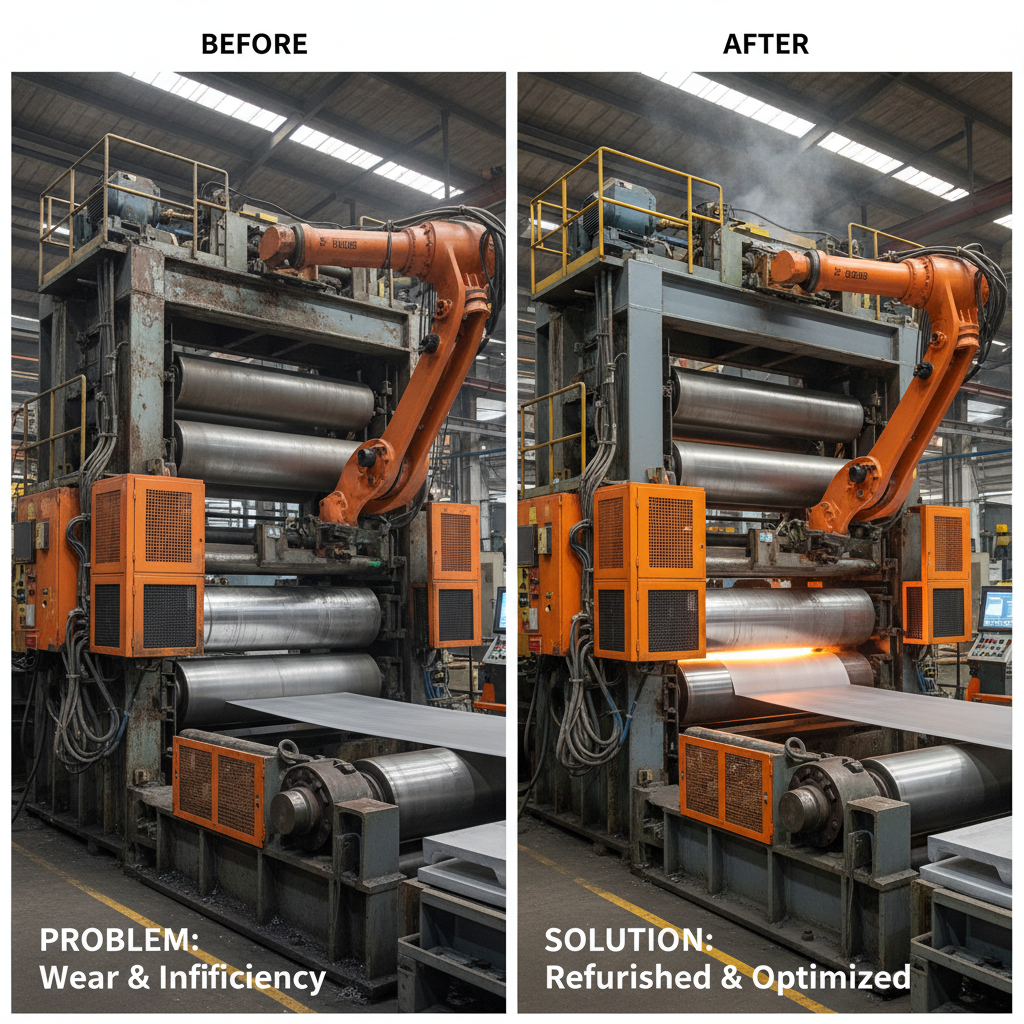
Furthermore, the implementation of revamping services allows older plants to modernize their equipment without the need for a complete teardown. This approach preserves the existing infrastructure while introducing cutting-edge automation, maximizing the lifecycle value of the industrial asset.
Future Trends in Rolling Automation
The future of the wire rod mill is inextricably linked to Industry 4.0. The integration of Artificial Intelligence (AI) for predictive maintenance allows operators to identify wear in the rolling guides before a failure occurs, virtually eliminating unplanned downtime.
Digital twin technology is also becoming a standard. By creating a virtual replica of the rolling line, engineers can simulate the effects of different alloy compositions and rolling speeds in a risk-free environment, optimizing the process before a single billet is heated.
Finally, the shift toward higher-grade specialty steels requires even more precise automation. We are seeing the rise of adaptive control systems that adjust rolling pressure in real-time based on sensor feedback, ensuring that even the most complex alloys meet exact tolerances.
Analysis of Modern Wire Rod Mill Technology Trends
| Technology Aspect |
Legacy Approach |
Modern Innovation |
Impact Score (1-10) |
| Heating Method |
Fuel-fired Furnace |
Induction/Hydrogen Heating |
9 |
| Gauge Control |
Manual Adjustment |
Automatic Gauge Control (AGC) |
10 |
| Cooling Process |
Air Cooling Beds |
Controlled Stelmor Cooling |
8 |
| Maintenance |
Reactive/Scheduled |
AI Predictive Maintenance |
9 |
| Data Monitoring |
Analog Gauges |
IIoT Real-time Dashboards |
7 |
| Material Flow |
Batch Processing |
Continuous Casting Linkage |
8 |
FAQS
The primary difference lies in the final form and the speed of production. A wire rod mill produces thin, coiled steel that is processed at much higher speeds and is designed for downstream drawing. A bar mill produces straight, longer sections of steel with larger diameters. The coiling mechanism at the end of the wire rod mill is its most distinguishing feature.
Temperature control is critical for determining the grain structure of the steel. If the temperature is too high, the steel may suffer from overheating defects; if it is too low, the rolling force increases, leading to tool wear and potential surface cracks. Precise control ensures consistent tensile strength and ductility throughout the coil.
Yes, through professional revamping services. This typically involves upgrading the motor drives, replacing outdated rolling stands with high-precision blocks, and installing modern AGC systems and high-speed laying heads. This is often more cost-effective than building a new facility from scratch.
Cobbles are usually caused by misalignment of the rolling guides, improper temperature of the billet, or mechanical failure in the high-speed block. Modern mills use laser alignment and real-time sensors to detect deviations early, allowing the system to adjust and prevent the material from bunching.
Absolutely. Direct rolling eliminates the need to cool the billet and then reheat it in a furnace before rolling. This saves a massive amount of energy and reduces CO2 emissions significantly, making it one of the most effective ways to implement "green steel" practices in a wire rod mill.
The Stelmor conveyor is a cooling bed that allows for controlled cooling of the wire rod coils. By adjusting the airflow and speed of the conveyor, operators can control the transformation of the steel's microstructure, ensuring the rod has the specific hardness and flexibility required for its end-use.
Conclusion
The wire rod mill remains an indispensable asset in the global metallurgical industry, bridging the gap between raw steel billets and the sophisticated wire products that sustain modern infrastructure. From the critical importance of thermal management and AGC systems to the integration of AI-driven predictive maintenance, the evolution of rolling technology is focused on maximizing precision while minimizing environmental impact.
As we look toward a future of sustainable manufacturing, the transition to direct rolling and green energy heating will define the next generation of industry leaders. For companies seeking to optimize their production lines or invest in new capabilities, focusing on modularity and automation is the surest path to long-term viability and competitive excellence. Visit our website for more professional solutions: www.bjywlx.com