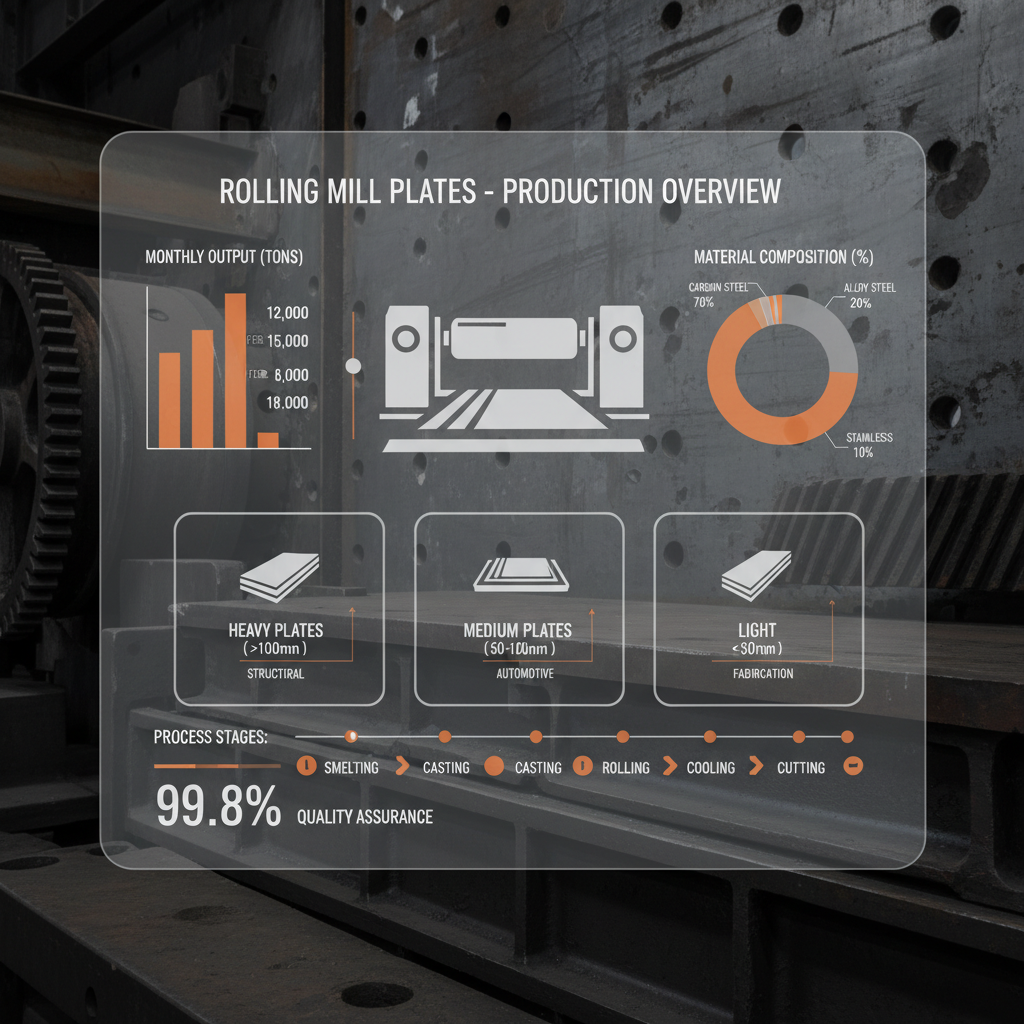
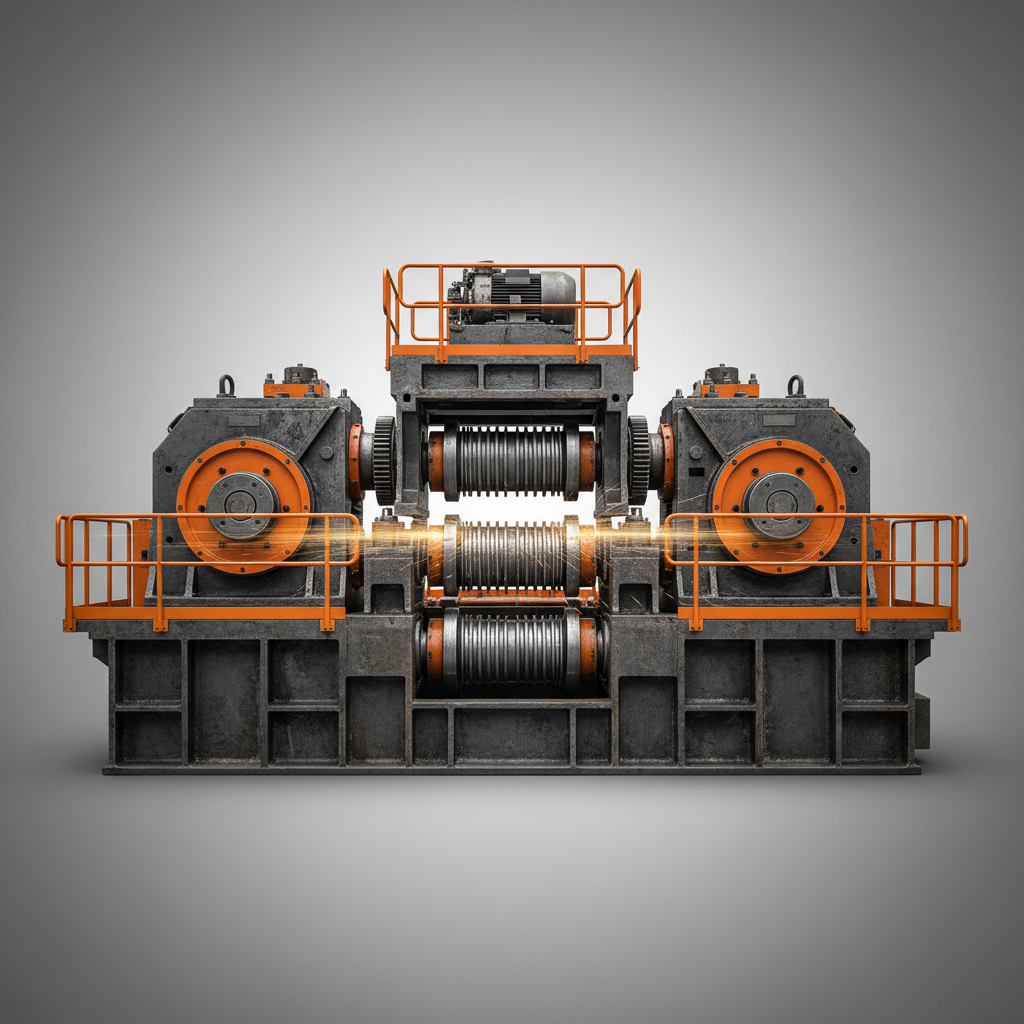
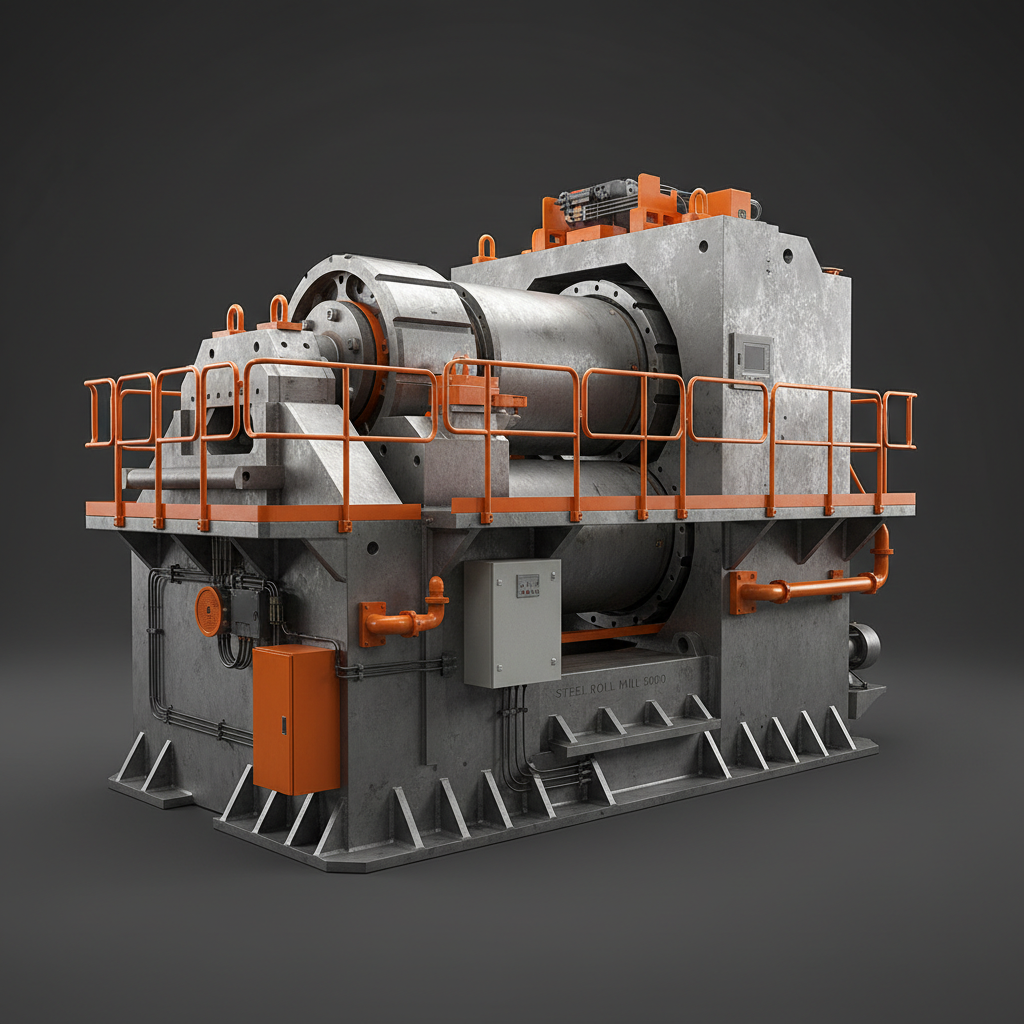
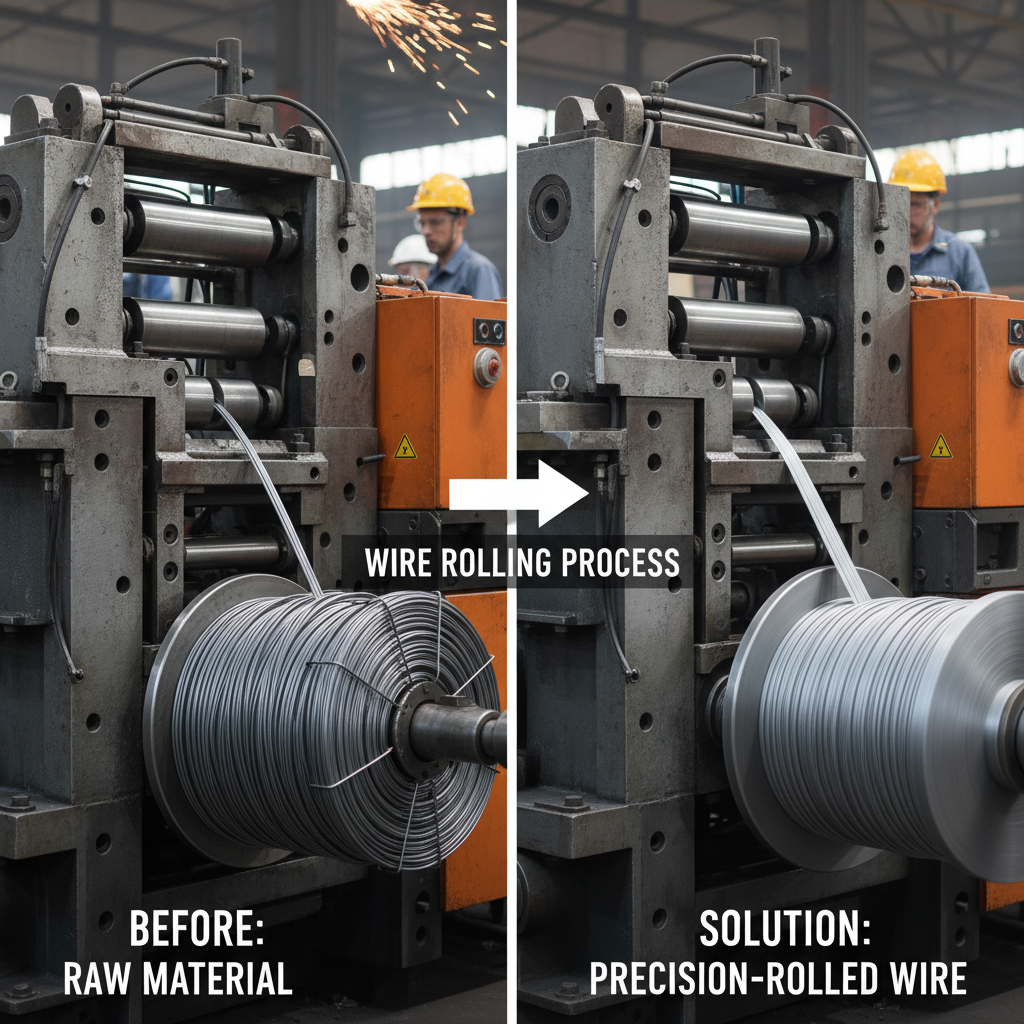
The efficiency of modern metal processing hinges on the precision and durability of the components used in the reduction process, with rolling mill plates serving as the fundamental interface between the machinery and the raw material. These specialized components are engineered to withstand extreme pressure and thermal stress, ensuring that steel, aluminum, and other alloys are shaped with exacting tolerances. Understanding the metallurgy and mechanical properties of these plates is essential for any operation aiming to maximize throughput while minimizing downtime.
On a global scale, the demand for high-performance rolling mill plates is driven by the automotive, aerospace, and construction industries, where the quality of the final sheet or strip is directly proportional to the surface integrity of the rolling rolls. As industries shift toward lightweight materials and higher-strength alloys, the technical requirements for the plates—ranging from wear resistance to thermal conductivity—have become increasingly stringent, pushing the boundaries of material science.
Selecting the right configuration of rolling mill plates is not merely a procurement decision but a strategic operational choice. By optimizing the hardness and elasticity of these components, manufacturers can significantly reduce the frequency of regrinding and replace cycles, leading to a more sustainable production cycle. This guide explores the technical nuances, applications, and future trends of these critical industrial components to help operators achieve peak operational excellence.
The Global Significance of Rolling Mill Plates
In the context of global infrastructure, rolling mill plates represent the silent backbone of the metals industry. From the production of massive ship hulls to the delicate foil used in electronics, the precision of the rolling process is dictated by the quality of these plates. According to ISO standards for metallurgical equipment, the stability of the rolling gap—maintained by high-rigidity plates—is the primary factor in preventing gauge variation, which can otherwise lead to significant material waste in large-scale production lines.
The challenge facing modern mills is the conflict between high-speed production and wear resistance. As rolling speeds increase to meet global demand, the frictional heat generated at the contact point accelerates the degradation of the plates. This necessitates the development of advanced alloys and coatings that can maintain surface smoothness under extreme conditions, ensuring that the final product meets the strict quality certifications required by international markets.
Defining Technical Standards for Rolling Mill Plates
At its core, rolling mill plates refer to the heavy-duty wear-resistant plates or rolls used within a rolling mill to compress and shape metal. Unlike standard industrial plates, these are engineered with specific metallurgical compositions—often involving chromium, molybdenum, or tungsten—to ensure they do not deform under the colossal pressures exerted by the mill's drive system. They are the primary tool for transforming a thick slab into a thinner, uniform sheet.
The connection between these plates and modern humanitarian needs is more direct than it appears. For instance, the production of affordable, high-strength galvanized steel for sustainable housing and disaster-relief shelters depends on the efficiency of the rolling process. By utilizing superior rolling mill plates, manufacturers can lower the cost of production for essential materials, making high-quality building components accessible to developing regions globally.
Technically, the "meaning" of a high-quality plate is defined by its balance of hardness and toughness. A plate that is too hard may crack under sudden impact, while one that is too soft will wear down quickly, causing "flat spots" that leave visible imperfections on the rolled metal. Therefore, the engineering of these plates is a precise science of balancing carbon content and heat treatment to achieve a surface that is nearly impervious to abrasion.
Core Components and Material Properties
One of the most critical factors in the performance of rolling mill plates is Dimensional Stability. In a Tandem Cold Mill or a Reversing Mill, even a micron-level deviation in the plate's diameter can result in uneven thickness across the width of the strip. This stability is achieved through rigorous tempering processes and the use of low-expansion alloys that resist warping during the heat cycles of hot rolling.
Wear Resistance and Surface Hardness are equally paramount. The interface between the rolling mill plates and the workpiece is where the most intense energy transfer occurs. By employing advanced surface hardening techniques, such as induction hardening or the application of ceramic coatings, mills can extend the operational life of their plates, reducing the frequency of expensive shutdowns for roll grinding.
Finally, Thermal Conductivity plays a decisive role in maintaining the metallurgical properties of the rolled metal. In Hot Rolling Lines, the plates must effectively manage the heat transfer to prevent "cold spots" in the workpiece. Specialized rolling mill plates are designed to dissipate heat uniformly, ensuring a consistent crystalline structure in the finished steel or aluminum, which is vital for the material's eventual structural integrity.
Performance Analysis and Cost Efficiency
Evaluating the cost-efficiency of rolling mill plates requires a shift from looking at the initial purchase price to analyzing the Total Cost of Ownership (TCO). A cheaper plate may offer a lower entry cost, but if it requires regrinding every 500 tons of production compared to 2,000 tons for a premium plate, the operational losses in downtime far outweigh the initial savings.
Efficiency is also measured by the "Yield Rate"—the percentage of the final product that meets quality specs without needing scrap. Higher precision rolling mill plates minimize edge cracks and surface scratches, directly increasing the profit margin per ton of processed metal.
Comparative Efficiency of Rolling Mill Plates Materials
Global Industrial Applications and Use Cases
The practical application of rolling mill plates varies significantly across different industrial zones. In the heavy industrial hubs of East Asia and Europe, these plates are integrated into massive Tandem Cold Mills to produce automotive-grade steel sheets. These sheets are the primary material for car bodies, where the surface finish provided by the plates determines the quality of the final paint and the aerodynamic efficiency of the vehicle.
In more specialized contexts, such as the production of high-precision aerospace components, rolling mill plates are used in skin pass mills to provide a specific surface texture and eliminate internal stresses in titanium or specialty aluminum alloys. In remote industrial zones, such as mining regions in Australia or Canada, the focus shifts toward the durability of plates used in revamping services for older mills, ensuring that aging infrastructure can still produce viable materials for local construction.
Long-Term Value and Operational Advantages
Investing in premium rolling mill plates offers a logical advantage through the reduction of "cycle-time." When plates maintain their profile longer, the mill can run more continuous batches without interruption. This reliability fosters a sense of trust between the manufacturer and the end client, as the consistency of the material properties—such as tensile strength and ductility—remains constant across thousands of tons of production.
From a sustainability perspective, the long-term value is found in energy reduction. Plates with optimized surface friction coefficients require less torque from the mill's motors to achieve the same reduction ratio. This decrease in energy consumption not only lowers operational costs but also reduces the carbon footprint of the metal production process, aligning the facility with global green manufacturing initiatives.
Furthermore, the safety implications cannot be overlooked. Plates that are engineered to resist catastrophic failure (brittle fracture) protect the workforce by preventing hazardous accidents in the mill. The peace of mind that comes from using certified, high-integrity rolling mill plates allows plant managers to focus on optimization rather than crisis management, driving a culture of innovation and safety.
Future Innovations in Rolling Technology
The future of rolling mill plates is being shaped by the digital transformation of the industry, often referred to as "Industry 4.0." We are seeing the emergence of "Smart Plates" embedded with sensors that can monitor temperature and wear in real-time. This allows for predictive maintenance, where plates are replaced exactly when needed based on actual wear data rather than estimated schedules, virtually eliminating unplanned downtime.
Material science is also evolving with the introduction of nanostructured coatings and additive manufacturing. By using 3D printing to create internal cooling channels within the rolling mill plates, engineers can achieve unprecedented levels of thermal control, allowing for the rolling of alloys that were previously considered "unrollable" due to their extreme sensitivity to heat.
Lastly, the shift toward a circular economy is prompting the development of fully recyclable high-alloy plates. These materials are designed to be repurposed at the end of their life cycle without losing their metallurgical purity. As policies regarding industrial waste tighten, the transition to sustainable, high-efficiency rolling mill plates will become a competitive necessity for global mills.
Analysis of Future Trends in Rolling Mill Plate Technology
|
Innovation Driver
|
Technical Implementation
|
Expected Impact
|
Adoption Readiness
|
| IoT Integration |
Embedded Wear Sensors |
Predictive Maintenance |
Moderate |
| Nano-Coatings |
Diamond-Like Carbon (DLC) |
Ultra-Low Friction |
High |
| Additive Mfg |
Internal Cooling Channels |
Thermal Precision |
Emerging |
| Green Alloys |
Cobalt-Free High-Wear Steel |
Environmental Compliance |
Moderate |
| AI Optimization |
Automated Gap Control (AGC) |
Zero-Defect Production |
Very High |
| Composite Bases |
Ceramic-Metal Matrix |
Weight Reduction |
Low |
FAQS
Choosing the right material depends on the specific rolling application. For hot rolling, focus on thermal conductivity and heat resistance (e.g., High Chrome Steel). For cold rolling, prioritize surface hardness and wear resistance to prevent strip marking (e.g., Tungsten Carbide or Alloy Steel). Always consider the chemistry of the metal being rolled to avoid adverse chemical reactions between the plate and the workpiece.
The most common signs include an increase in gauge variation (thickness inconsistency), visible surface defects or "striping" on the final product, and an increase in the motor torque required to achieve the same reduction. Regular profiling with a digital micrometer can help identify "flat spots" before they lead to significant product failure.
Yes, many plates can be refurbished through a process of grinding and regrinding to restore the original profile. In some cases, surface cladding or laser welding can be used to fill in worn areas. However, once the plate has reached its minimum diameter threshold, a full replacement is necessary to maintain the structural integrity of the mill.
AGC systems continuously monitor the strip thickness and adjust the position of the rolling mill plates in real-time. The effectiveness of AGC depends on the rigidity of the plates; if the plates flex too much under pressure, the AGC cannot maintain the precise tolerances required for high-end applications like automotive skin panels.
While the initial cost is higher, ceramic coatings significantly reduce friction and wear. This leads to longer intervals between regrinding and a reduction in lubrication requirements. For high-volume mills, the savings in downtime and lubricant costs typically make ceramic-coated plates far more cost-effective over a 2-3 year operational cycle.
Lifespan varies wildly based on the material rolled and the speed of the mill. On average, high-alloy plates in a cold mill may last several thousand tons before requiring the first regrind, with a total service life of 1-3 years before the plate diameter becomes too small for operational use. Precise maintenance and proper lubrication are key to maximizing this lifespan.
Conclusion
In summary, rolling mill plates are far more than simple mechanical components; they are the primary determinants of product quality and operational efficiency in the metal processing industry. By balancing metallurgy, precision engineering, and modern maintenance strategies, manufacturers can achieve a synergistic effect that lowers costs, increases throughput, and enhances the structural integrity of the final metal products.
Looking ahead, the integration of smart sensing and sustainable materials will redefine the standards of the rolling industry. We suggest that mill operators move away from reactive replacement cycles and embrace predictive, data-driven maintenance to stay competitive in an increasingly demanding global market. The investment in high-performance plates today is an investment in the reliability and sustainability of tomorrow's infrastructure. Visit our website for more professional solutions: www.bjywlx.com