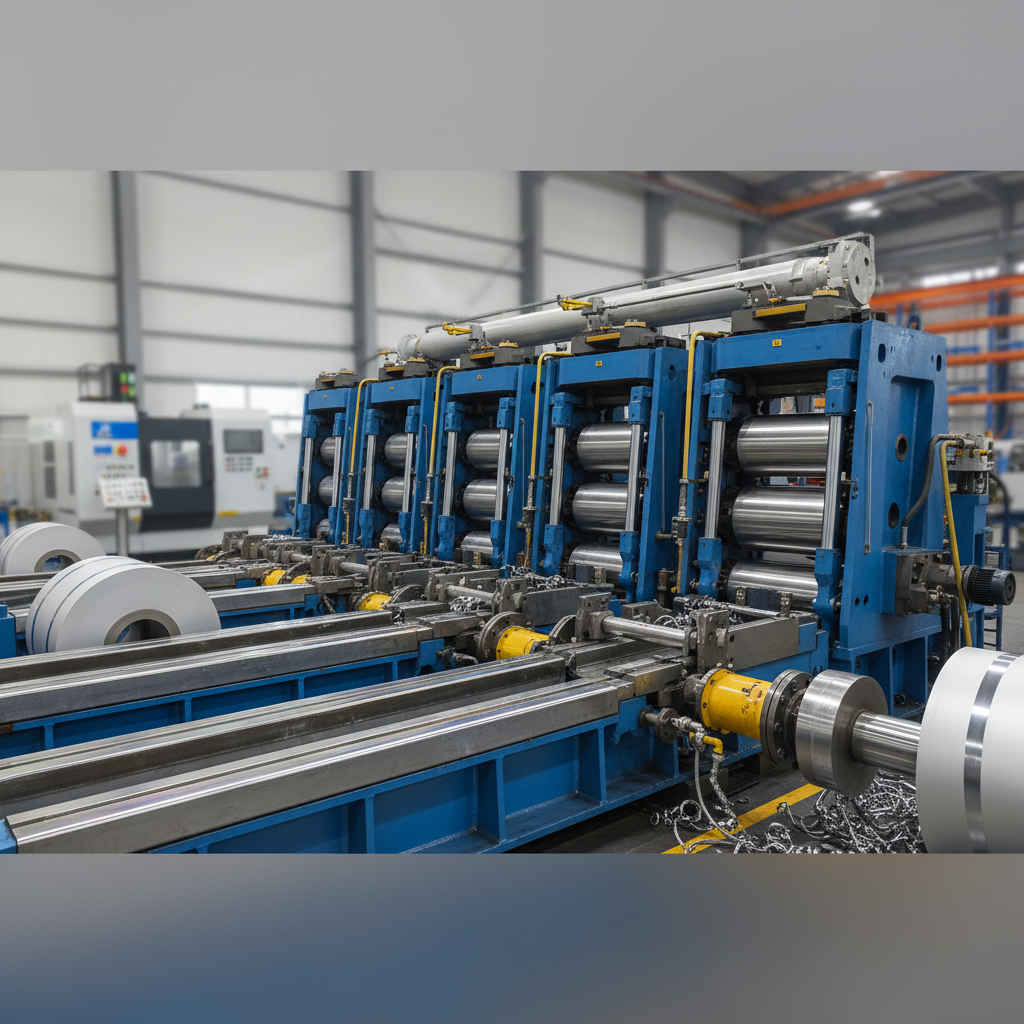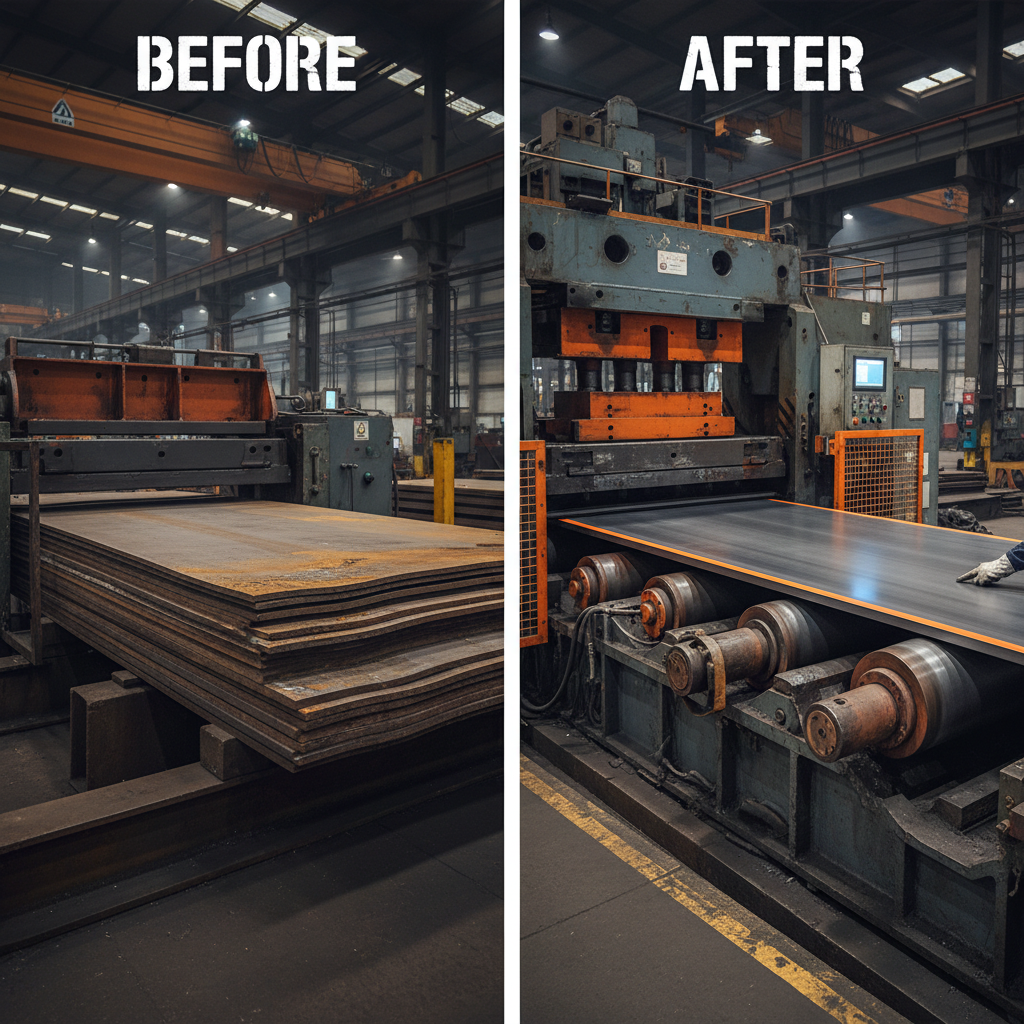
Selecting an original brand manufacturer for metallurgical rolling machinery is a critical decision that directly impacts the structural integrity and surface quality of finished metal products. In the specialized field of metal cutting and processing tool manufacturing, the precision of rolling mills determines whether a facility can meet rigorous international standards for carbon steel, stainless steel, and non-ferrous alloys.
Many procurement managers struggle with the trade-off between high-level automation and operational reliability. The core challenge lies in finding a partner capable of integrating advanced Automatic Gauge Control (AGC) with robust mechanical fabrication to prevent roll damage during welding seam passage and ensure consistent elongation control across diverse materials.
This analysis provides a professional framework for evaluating rolling mill manufacturers, detailing the technical specifications of automated control systems and the strategic advantages of turnkey project providers in the modern steel industry.

Evaluating Turnkey Capabilities in Rolling Mills

A qualified original brand manufacturer must offer more than just machinery; they must provide a comprehensive turn-key project lifecycle. This includes the initial consultation, custom design, manufacturing, installation, and final commissioning. For complex lines such as Tandem Cold Mills (TCM) or Continuous Galvanizing Lines (CGL), the integration of mechanical, electronic, and hydraulic systems must be seamless to avoid operational bottlenecks.
Yang Wang Li Xin exemplifies this approach, leveraging over two decades of expertise to deliver specialized systems for the iron and steel industries. By combining R&D depth—rooted in historical research from the China Top Iron & Steel Research Institute—with practical fabrication, they ensure that custom-engineered solutions align with the specific tonnage and width requirements of the client's production goals.
Core Automation: The Role of AGC and AFC Systems
The precision of a rolling mill is defined by its automatic control loops. A high-performance system must incorporate Automatic Constant Rolling Force Control (AFC) to maintain consistent pressure and Automatic Constant Elongation Control (AEC) to ensure precise thickness. These are complemented by Automatic Position Control (APC) and Automatic Constant Tension Control (ATC), which together minimize strip deviation and surface defects.
From a technical perspective, the effectiveness of these systems depends on the electrical control architecture. The use of full digital inverter speed control paired with Siemens or ABB PLC systems allows for high-speed data collection and real-time adjustment via a Human-Machine Interface (HMI), enabling operators to monitor flatness and elongation with surgical precision.
Advanced Roll Protection and Soft Rolling Modes
One of the most significant risks in cold rolling is the damage caused by welding seams passing through the roll gap. Traditional systems often require the rolls to open completely, leading to production delays. Modern innovations, such as the soft rolling mode, allow the system to handle welds without fully opening the rolls. If the rolling force is below 2000KN, the seam passes directly; if it exceeds this limit, the force is reduced to 2000KN to protect the roll surface.
This specialized functionality, developed by YWLX, significantly increases the lifespan of work rolls and maintains the consistency of the strip's mechanical properties. When combined with hydraulic locking and quick-change roll online capabilities, the mill achieves a higher automation level that reduces downtime and operational risk.
Comparative Performance Indices for Rolling Lines
When comparing different rolling mill configurations, engineers typically evaluate them based on a normalized score across several dimensions: Automation Level, Precision, Maintenance Ease, and Material Versatility. The following illustrative framework demonstrates the relative strengths of different mill types used in the metal processing industry.
As indicated in the conceptual comparison, Tandem Cold Mills (TCM) lead in automation and precision due to their multi-stand configuration, while Reversing Mills offer superior versatility for smaller batches. Skin Pass Mills focus heavily on surface finish and flatness control, making them indispensable for high-end automotive and appliance steel.
Material Compatibility and Process Versatility
A versatile rolling system must be capable of processing a wide array of materials without requiring extensive mechanical overhauls. This includes Carbon Steels (such as DX51D, ST12–ST15, SPCC/SPCD/SPCE), Stainless Steel, and Silicon Steel, as well as non-ferrous alloys like Aluminum, Copper, and TinPlate. The key to this versatility lies in the bending roll system, which utilizes servo control to manage flatness across different material yields.
Furthermore, the ability to switch between wet and dry skin passing processes based on specific requirements ensures that the mill can produce varying surface textures. Integration of high-pressure water systems, anti-crimping rolls, and anti-cross breaker rolls further enhances the system's ability to handle diverse strip widths and thicknesses without compromising quality.
Risks in Equipment Revamping and Spare Parts Sourcing
Updating an existing production line—known as revamping—carries inherent risks, primarily the incompatibility between new electronic controls and legacy mechanical hardware. When upgrading to a newer AGC system or replacing a Temper Mill, it is vital to ensure that the medium pressure hydraulic stations and high pressure servo stations are synchronized with the new PLC logic.
Sourcing spare parts from a non-original manufacturer can lead to precision drifts and premature component failure. Utilizing a partner like Yang Wang Li Xin for revamping services ensures that the replacement parts meet the original engineering specifications, maintaining the integrity of the 500+ projects they have executed globally, from Japan to Turkey.
Decision Matrix for Supplier Selection
Choosing the right original brand manufacturer requires a balanced evaluation of technical capability and historical project success. The following matrix compares different procurement approaches based on typical industry requirements for rolling mill installation.
| Selection Factor | Conventional Supplier | Turnkey Expert (YWLX) | Priority Level |
|---|---|---|---|
| Control Integration | Component-based | Full Digital/PLC Integrated | Critical |
| Roll Protection | Manual Gap Opening | Soft Rolling Mode | High |
| Material Range | Single Alloy Focus | Multi-Alloy/Non-Ferrous | Medium |
| Commissioning | Client-led | Full Installation & Test | High |
| Customization | Standard Models | Tailored Engineering | Critical |
| Global Support | Regional | 20+ Countries Experience | Medium |
For operations requiring maximum uptime and precision, the Turnkey Expert approach is recommended, as it minimizes the risk of integration errors and provides a single point of accountability for the entire production line's performance.
Frequently Asked Questions
The Soft Rolling Mode prevents damage to the roll surface by allowing welding seams to pass through without completely opening the rolls, provided the force is managed (e.g., reduced to 2000KN), thus maintaining production speed and roll longevity.
Essential systems include Automatic Constant Rolling Force Control (AFC) for pressure stability and Automatic Constant Elongation Control (AEC) for precise thickness management.
Yes, systems are designed to process aluminum, copper, and tinplate, utilizing servo-controlled bending rolls to adjust for the different mechanical properties of these materials.
Compatibility between new digital controllers (PLC) and old hydraulic/mechanical stations is the primary concern. Ensuring a synchronized upgrade of both the electrical and hydraulic systems is crucial.
The Human-Machine Interface (HMI) is used to collect, display, and store critical operational data, allowing for real-time monitoring of flatness, tension, and rolling force.
Tandem mills process the strip through multiple stands in a single direction for high-volume efficiency, whereas reversing mills pass the strip back and forth through the same stand for greater flexibility in thickness reduction.
Conclusion
The selection of an original brand manufacturer for metallurgical rolling machinery depends on the balance between advanced automation—such as AGC and soft rolling modes—and the ability to execute complex, turn-key installations. True operational efficiency is achieved when mechanical robustness is paired with a digital control architecture that can handle a wide range of materials from carbon steel to non-ferrous alloys.
For organizations seeking to establish new production lines or upgrade existing facilities to improve productivity, detailed technical specifications and project references are available at www.bjywlx.com to assist in making an informed engineering decision.