Automatic Gauge Control System | Precision Metal Rolling Solutions
Understanding the Automatic Gauge Control System
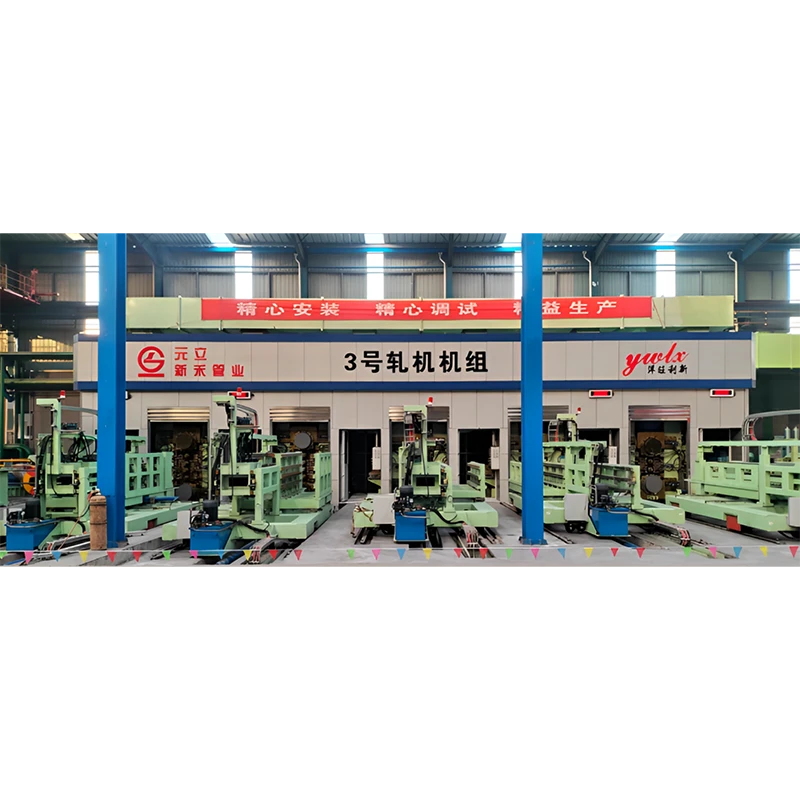
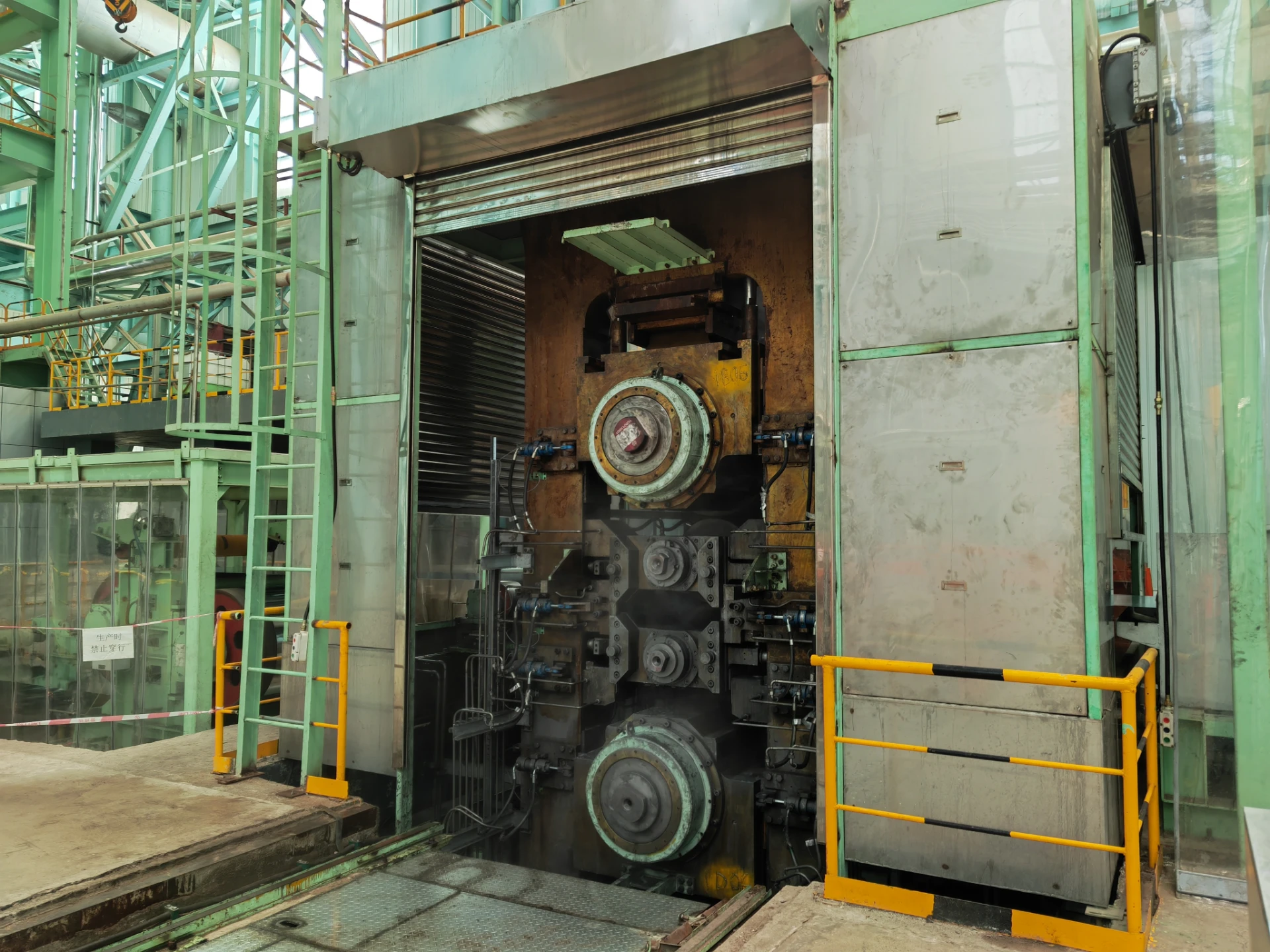
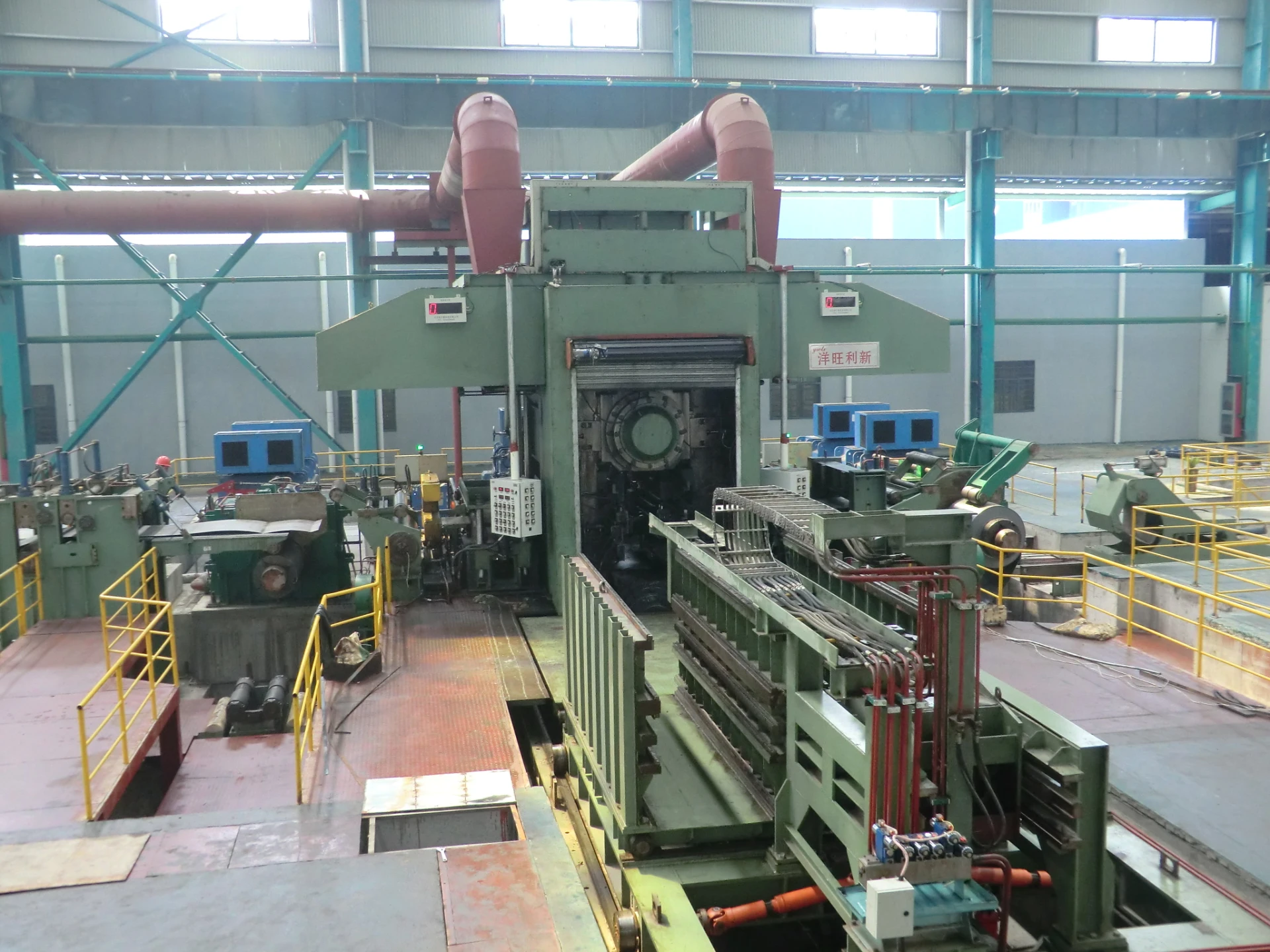
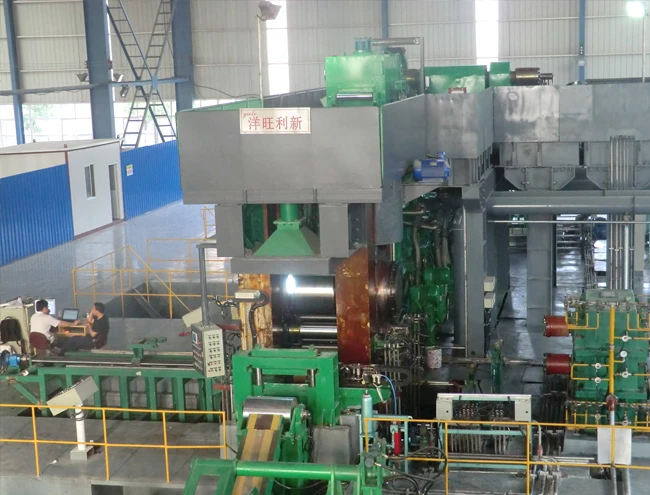
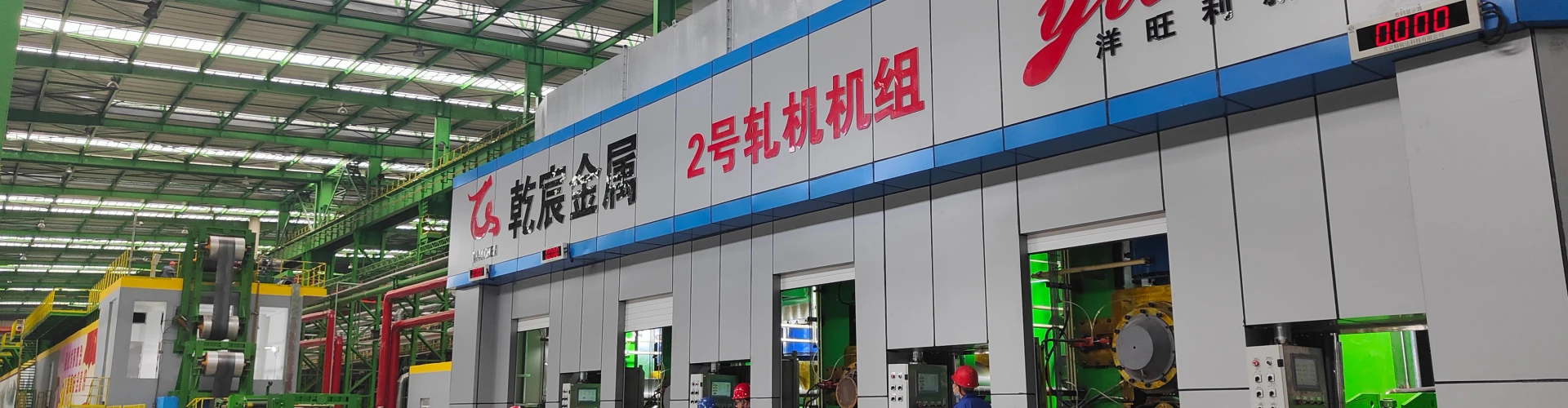
Having spent years in the industrial equipment world, I can tell you that the automatic gauge control system is one of those quietly powerful innovations that keeps metal processing running smooth and efficient. You often don’t hear about it in flashy headlines, but frankly, it’s a workhorse—responsible for precision and consistency in metal thickness during rolling processes. If you ever witnessed a steel mill in operation, you’d notice how critical gauge control is to meet standards and avoid costly rework.
The way these systems have evolved fascinates me. Initially, operators relied a lot on manual adjustments — not exactly the best for uniform quality or production speed. Then came the automated solutions that use real-time feedback from sensors to adjust rolling pressure and speed on the fly. It feels like this tiny automation miracle cuts down on waste, boosts productivity, and improves product consistency. It’s a bit like having a tireless engineer constantly monitoring and fine-tuning your process, but without the human exhaustion factor.
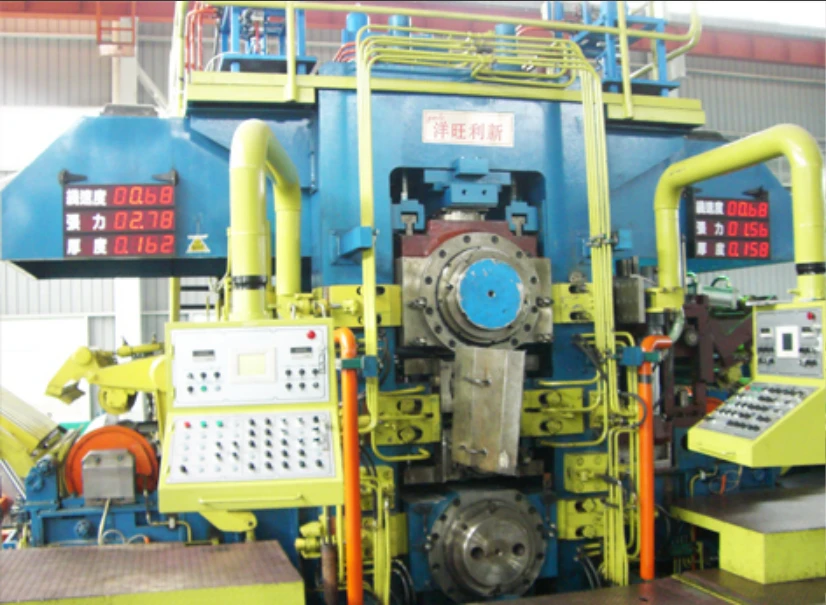
In real terms, automatic gauge control systems measure the thickness of a metal sheet or strip as it emerges from the rolling mill, then adjust the roll gap continuously. The sensors can be of different types—X-ray, laser, or even contact mechanical gauges—each with its pros and cons when it comes to accuracy vs. maintenance. I once spoke with an engineer who swore by laser sensors for their reliability in harsh mill environments. Oddly enough, they still kept mechanical backup gauges on hand just in case.
What makes these systems really interesting is how customizable they are. For instance, some setups adapt the control algorithm depending on the metal type—steel, aluminum, or brass—and production speed. That kind of flexibility means the equipment you buy today can handle tomorrow’s product variants as well. It’s a good selling point since upgrading entire lines is costly and disruptive.
Key Product Specifications
| Specification | Details |
|---|---|
| Gauge Measurement Range | 0.1mm – 25mm |
| Measurement Accuracy | ±0.005 mm |
| Sensor Types | Laser, X-ray, Contact Mechanical |
| Control System | PID & Adaptive Algorithms |
| Response Time |
How Does It Stack Up? A Quick Vendor Comparison
| Vendor | Sensor Options | Customization | Ease of Integration | Typical Applications |
|---|---|---|---|---|
| Vendor A | Laser, Mechanical | High | Medium | Steel & Aluminum |
| Vendor B | X-ray, Laser | Medium | High | High-speed Production |
| Vendor C | Mechanical | Low | Low | Basic Rolling Mills |
I recall one customer at a mid-sized rolling plant who upgraded from a purely manual gauge control setup to an automated one. The results were quite striking—scrap rates fell by about 30%, and overall throughput improved noticeably. The operators initially worried about the adjustment, but it quickly turned into a favorite tool since it took a lot of guesswork out of the process.
To be sure, no system is perfect. Harsh environments with dust and vibration can sometimes interfere with sensor accuracy, and routine maintenance remains key to keeping things humming. But these controls have certainly become indispensable. Many engineers I’ve talked to claim that, looking forward, these systems will only get smarter with increasing AI and IoT integration.
If you work in metal processing or related fields, exploring automatic gauge control technology might be a solid move. For more detailed info and product choices, you can check out automatic gauge control system providers like BJYWLX who have made significant strides in this space.
In the long run, tools like these save time, reduce waste, and improve output quality—which are all wins in this industry.
References:
1. Industry interviews with metal processing engineers, 2019-2023.
2. Technical manuals on gauge control sensor technology, 2021.
3. Product literature from leading gauge control system vendors.
-
Ship Multi-Project Equipment on the Lantern FestivalNewsMar.03,2026
-
YWLX Deep Dives into Cladding Line with Dubai ClientNewsDec.22,2025
-
1450mm 6-Hi Reversing Mill Goes Live in BangladeshNewsOct.28,2025
-
Sep. 3rd Parade: Carry Forward and Press OnNewsSep.03,2025
-
Indian Clients Visit YWLX to Inspect Skin-pass MillNewsJun.22,2025
-
Full- throttle! YWLX's Intense Production During May DayNewsMay.01,2025
-
YWLX Participated in the 2025 Chinese GAP Program Review ConferenceNewsApr.17,2025