Environmental Impact of the Cladding Process
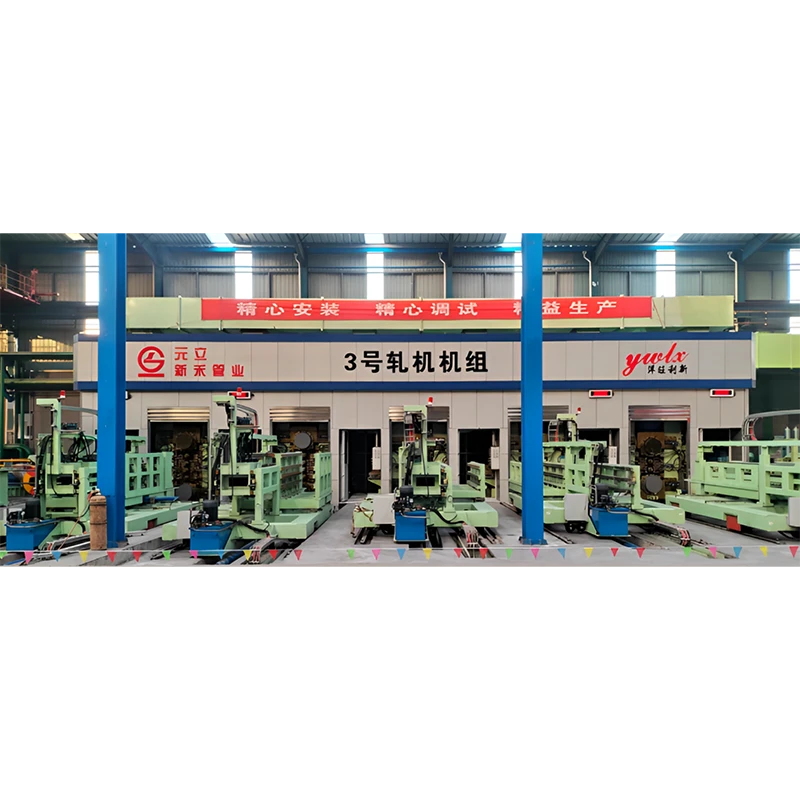
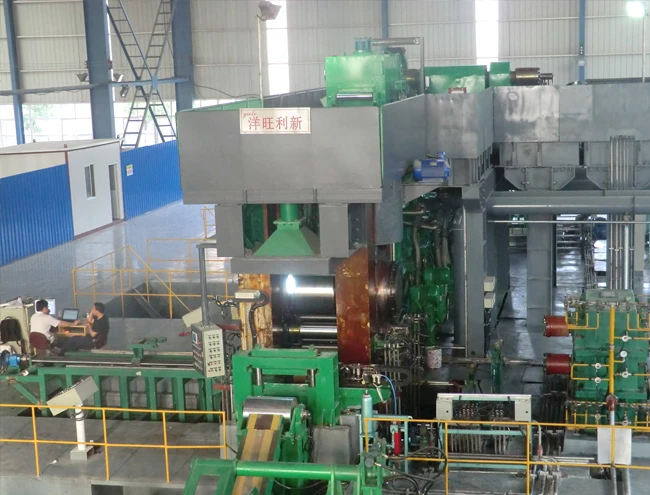
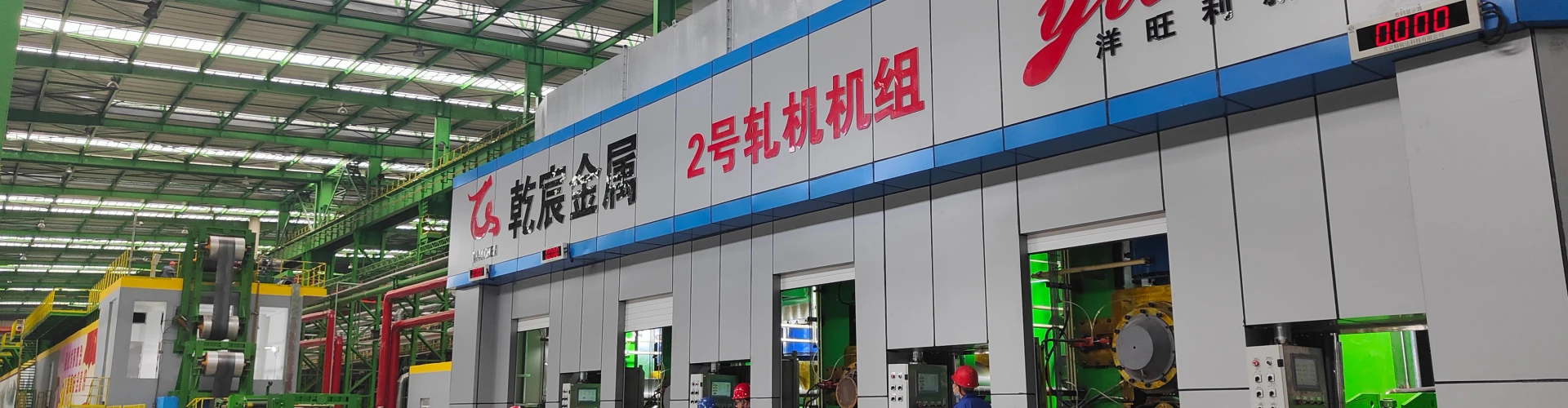
In the dynamic realm of steel rolling, the cladding process has emerged as a key operation with significant implications for both product quality and environmental sustainability. For wholesalers seeking to offer eco - friendly and high - performance steel solutions, understanding the environmental impact of the cladding process, along with related concepts like weld overlay cladding and the role of weld overlay companies, is essential. Yang Wang Li Xin, a leading entity in the industry, has been dedicated to developing cladding process technologies that balance efficiency, quality, and environmental responsibility.
Cladding Process and Environmental Footprint Reduction
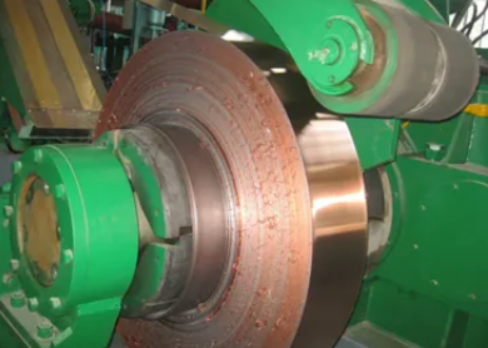
- The cladding process as developed by Yang Wang Li Xin contributes significantly to reducing the environmental footprint in steel rolling. The elimination of acid pickling due to the superior surface quality achieved through cold rolling is a major environmental advantage. Acid pickling involves the use of harmful chemicals that, if not properly managed, can contaminate water sources and soil. By avoiding this process, the cladding process minimizes the release of hazardous substances into the environment, protecting ecosystems and reducing the need for costly waste treatment.
- Energy conservation is another crucial aspect of the cladding process's positive environmental impact. Since rolled bonding strips don't require reheating before rolling, a substantial amount of energy that would otherwise be consumed in the reheating process is saved. Energy savings directly translate to a reduction in greenhouse gas emissions, as less fuel is burned to generate the energy needed for production. This aligns with global efforts to combat climate change and adhere to environmental regulations focused on reducing carbon footprints.
- The simplicity of the cladding process, with its three - phase operation, also has environmental benefits. A streamlined process means fewer opportunities for energy - intensive inefficiencies and material waste. The high yield rate of over 90% ensures that a large proportion of the input materials are effectively converted into usable products, minimizing waste generation. With less waste going to landfills and fewer resources wasted in the production process, the cladding processpromotes a more sustainable approach to steel manufacturing.
Weld Overlay Cladding and Sustainable Steel Production
- Weld overlay cladding, a specialized technique within the broader cladding domain, offers unique opportunities for sustainable steel production. Yang Wang Li Xin's expertise in weld overlay cladding allows for the targeted application of protective layers on steel surfaces. By precisely applying these overlays, only the necessary amount of materials is used, reducing material waste compared to less precise coating methods. This material conservation not only saves resources but also decreases the environmental impact associated with the extraction, processing, and disposal of excess materials.
- In terms of durability and lifespan extension, weld overlay cladding plays a vital role. By enhancing the corrosion resistance and wear properties of steel components, it reduces the frequency of component replacement. Fewer replacements mean less raw material extraction, less energy consumed in manufacturing new components, and less waste generated from discarded parts. This cycle of reduced resource consumption and waste production contributes significantly to the overall environmental sustainability of the steel industry.
- Additionally, weld overlay cladding can be optimized to use environmentally friendly materials. For example, choosing cladding materials with low toxicity and recyclability further minimizes the environmental impact. Yang Wang Li Xin focuses on researching and utilizing such sustainable materials in weld overlay cladding, ensuring that the process not only meets the functional requirements of steel products but also adheres to strict environmental standards.
Role of Weld Overlay Companies in Environmental Stewardship
- Weld overlay companies, such as Yang Wang Li Xin, are at the forefront of driving environmental stewardship in the cladding process. These companies invest in research and development to continuously improve the efficiency and environmental performance of weld overlay cladding and related processes. By developing new technologies and techniques, they can reduce energy consumption, minimize waste, and decrease the use of harmful chemicals in the cladding operations.
- Weld overlay companies also play a crucial role in promoting sustainable practices throughout the supply chain. They collaborate with raw material suppliers to source eco - friendly materials and work with customers to educate them about the environmental benefits of using cladded steel products. Through these partnerships and educational efforts, weld overlay companies help create a more environmentally conscious ecosystem within the steel industry, encouraging the adoption of sustainable practices at every stage of production and consumption.
- Furthermore, weld overlay companies are responsible for ensuring compliance with environmental regulations. Yang Wang Li Xin, for instance, adheres strictly to all relevant environmental laws and standards in its cladding operations. By maintaining high environmental compliance, these companies not only avoid potential fines and legal issues but also contribute to the overall improvement of environmental quality in the regions where they operate. This commitment to compliance sets a positive example for the entire industry and helps drive the transition towards more sustainable steel production.
Cladding Process FAQS
How does the cladding process contribute to reducing water pollution?
The cladding process reduces water pollution primarily by eliminating the need for acid pickling. Acid pickling involves the use of strong acids that, when improperly disposed of, can contaminate water sources. Since the cladding process at Yang Wang Li Xin achieves excellent surface quality through cold rolling without the requirement for acid pickling, it prevents the release of these harmful chemicals into water bodies, thus protecting water quality and aquatic ecosystems.
What makes weld overlay cladding more environmentally friendly compared to other coating methods?
Weld overlay cladding is more environmentally friendly due to several factors. It allows for precise material application, reducing material waste. By enhancing the durability of steel components, it decreases the frequency of replacements, conserving resources and reducing waste generation. Moreover, the option to use environmentally friendly, low - toxicity, and recyclable cladding materials in weld overlay cladding further minimizes its environmental impact compared to traditional coating methods that may rely on more harmful substances.
How do weld overlay companies influence the overall environmental impact of the cladding industry?
Weld overlay companies have a significant influence on the cladding industry's environmental impact. They drive innovation in technology and processes, aiming to reduce energy consumption and waste. Through supply chain collaboration and customer education, they promote the use of sustainable materials and practices. Additionally, by ensuring strict compliance with environmental regulations, weld overlay companies set industry standards and encourage other players in the cladding industry to adopt more environmentally friendly operations, collectively reducing the industry's environmental footprint.
Can the cladding process be adjusted to further reduce its environmental impact?
Yes, the cladding process can be adjusted to further reduce its environmental impact. Continued research and development can lead to the adoption of more energy - efficient equipment and processes. Exploring alternative materials with lower environmental impacts for cladding can also make the process greener. Additionally, optimizing the existing three - phase process to minimize material waste and improve energy utilization can further enhance the environmental performance of the cladding process.
What are the long - term environmental benefits of using products from the cladding process?
The long - term environmental benefits of using products from the cladding process are substantial. The enhanced durability and corrosion resistance of cladded steel products mean longer lifespans, reducing the need for frequent replacements and conserving resources. Fewer replacements also result in less energy consumed during manufacturing and less waste sent to landfills. Moreover, the reduced use of harmful processes like acid pickling in the cladding process helps protect the environment in the long run by preventing the release of pollutants and reducing the demand for waste treatment, contributing to a more sustainable and healthy planet.
-
Ship Multi-Project Equipment on the Lantern FestivalNewsMar.03,2026
-
YWLX Deep Dives into Cladding Line with Dubai ClientNewsDec.22,2025
-
1450mm 6-Hi Reversing Mill Goes Live in BangladeshNewsOct.28,2025
-
Sep. 3rd Parade: Carry Forward and Press OnNewsSep.03,2025
-
Indian Clients Visit YWLX to Inspect Skin-pass MillNewsJun.22,2025
-
Full- throttle! YWLX's Intense Production During May DayNewsMay.01,2025
-
YWLX Participated in the 2025 Chinese GAP Program Review ConferenceNewsApr.17,2025