AGC System Whispers: Silent Thickness Corrections
In the high-stakes world of metal rolling, where precision is measured in microns and consistency is the currency of quality, there exists a silent, unseen dialogue. It is a conversation between massive steel rolls, powerful hydraulics, and sophisticated electronics—a series of instantaneous whispers that ensure every meter of strip produced meets an exacting standard. This dialogue is orchestrated by the heart of the modern cold rolling mill: the AGC system, or Automatic Gauge Control system. For over two decades, Yang Wang Li Xin has been listening to these whispers, perfecting the language of precision to deliver turn-key rolling solutions that stand at the pinnacle of technological achievement.
The Unseen Guardian: Understanding the AGC System in Modern Rolling
At its core, an AGC system is the intelligent brain of a cold rolling mill. Its singular, critical mission is to maintain a consistent, predefined thickness across the entire length and width of a metal strip, regardless of incoming material variations or process disturbances. Imagine rolling a strip that enters the mill with slight variations in hardness or thickness. Without intervention, these inconsistencies would be amplified, resulting in a final product that fails quality checks. The AGC system acts as the unseen guardian, continuously making microscopic, real-time adjustments to cancel out these imperfections.
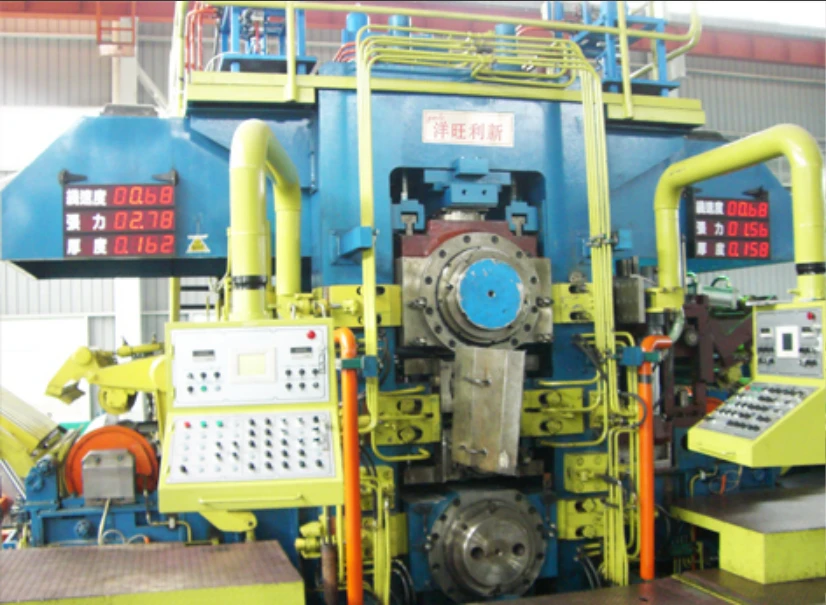
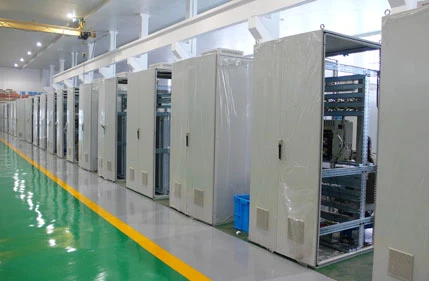
It operates on a simple principle: measure, compare, and correct. High-precision sensors, such as X-ray or gamma ray thickness gauges, measure the strip thickness after it exits the roll gap. This measured value is instantly compared to the desired target thickness. Any deviation, even a few microns, is seen as an error signal. The AGC system then whispers a command to its actuators—typically high-response hydraulic cylinders—to adjust the roll gap minutely, applying more or less force to squeeze the metal to the exact specification. This entire cycle, from measurement to correction, happens in milliseconds, a silent, high-speed dance of feedback loops that guarantees sublime consistency. This foundational principle is what makes the automatic gauge control cold rolling mill a benchmark for quality in industries from automotive to aerospace.
The Symphony of Precision: Integrating the AGC System with the Automatic Gauge Control Cold Rolling Mill
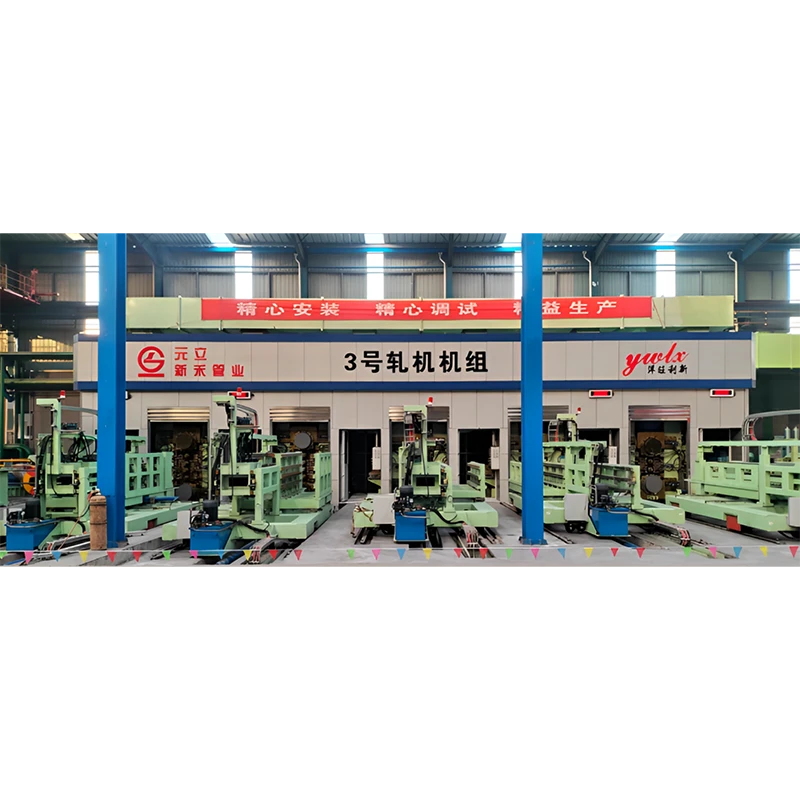
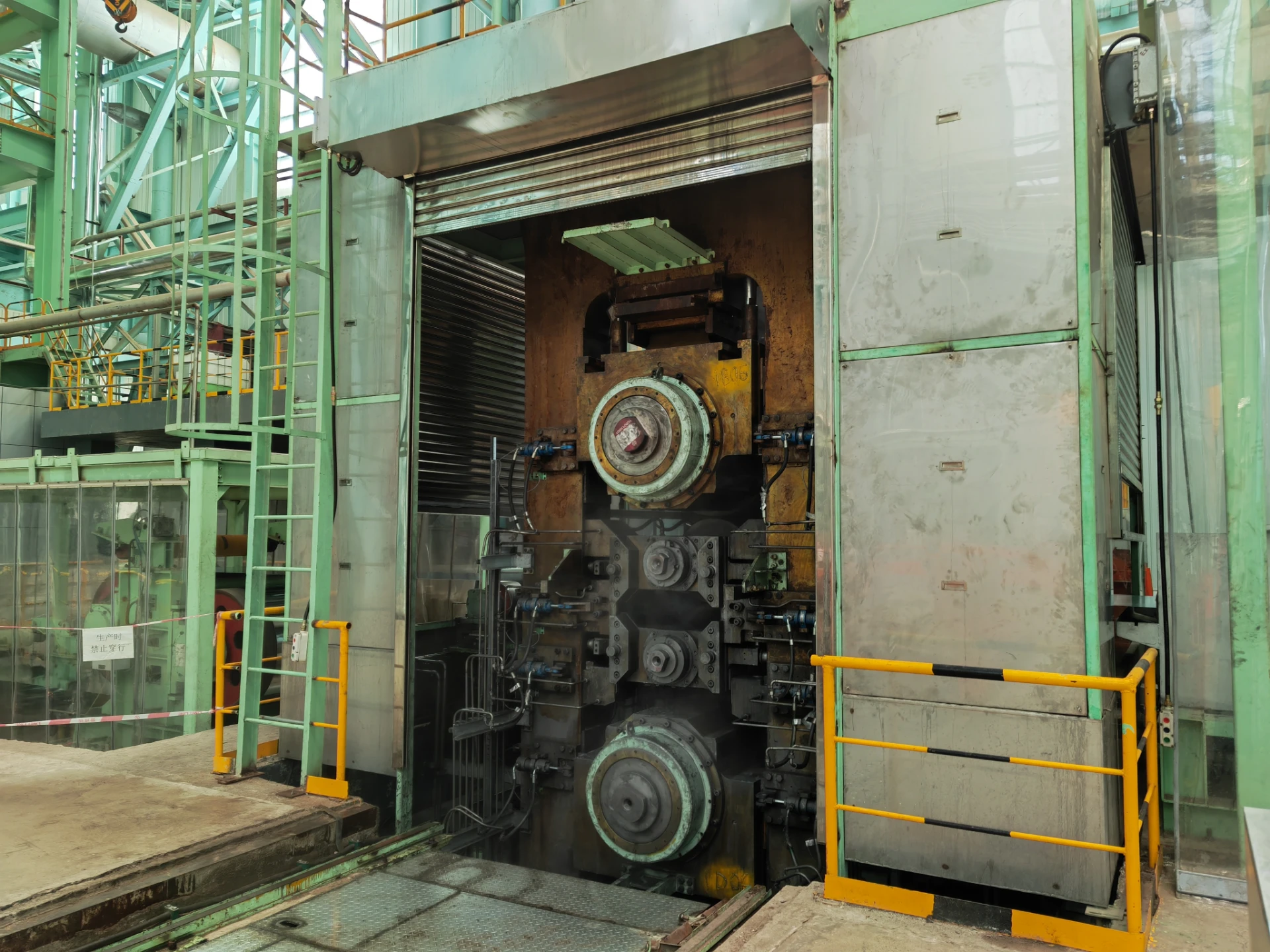
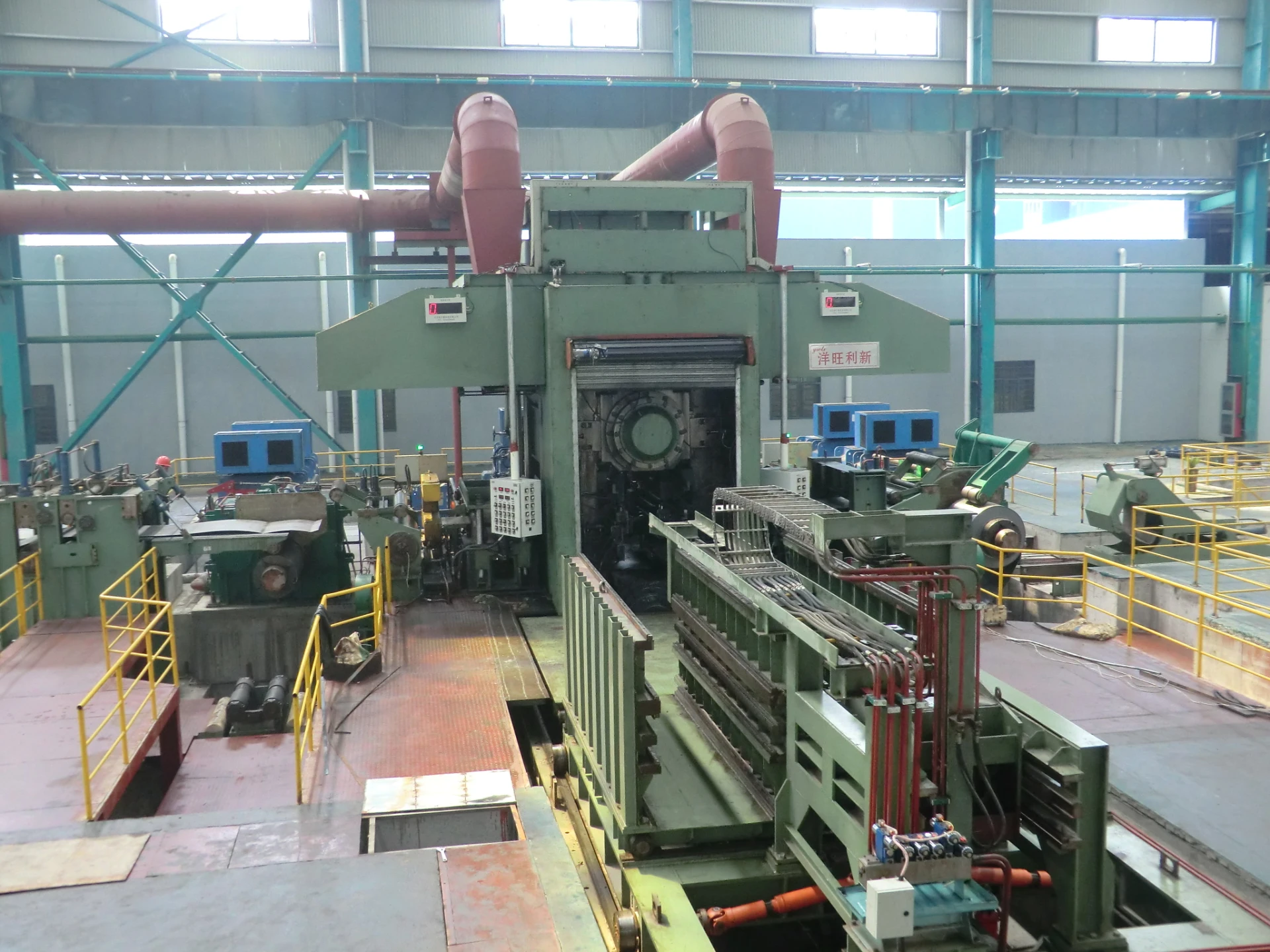
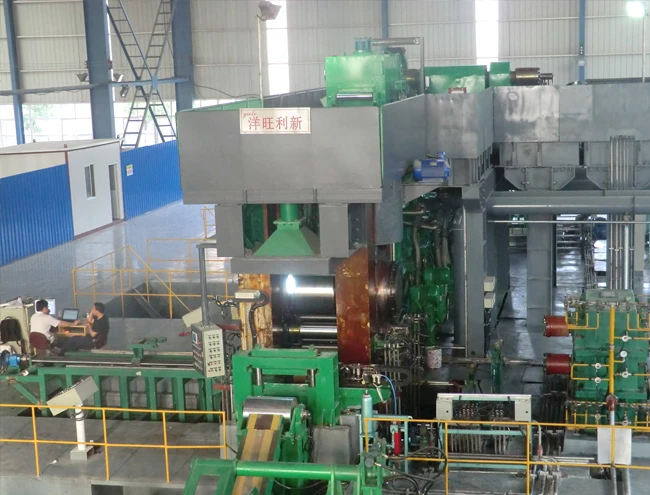
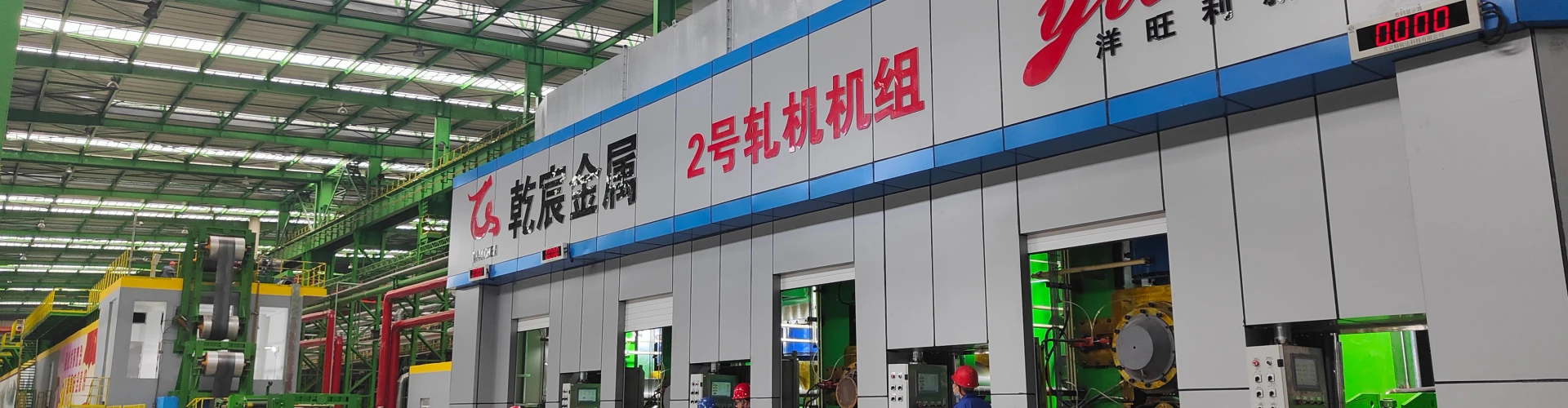
An AGC system does not operate in a vacuum. Its true power is unleashed when it is perfectly harmonized with the mechanics of the mill itself. This integration is where Yang Wang Li Xin’s expertise shines, transforming a collection of components into a symphonic entity—a true automatic gauge control cold rolling mill. Our systems are designed from the ground up to work in concert with the mill’s structure, drive systems, and hydraulics.
The synergy is critical. The mill provides the muscle—the rigid frame to withstand immense rolling forces, the powerful motors to pull the strip, and the precisely ground rolls that impart the finish. The AGC system provides the nerves and the intelligence. It takes into account the mill’s natural characteristics, such as stretch and deflection, and compensates for them in its control algorithms. For instance, when a harder section of strip enters the roll gap, the rolling force increases, causing the mill stand to stretch slightly, which would naturally lead to a thicker output. Our advanced AGC system anticipates this, instantly adjusting the hydraulic pressure to compensate for the stand stretch, thereby maintaining a constant gap and a perfect thickness. This deep level of integration ensures that the whispers of correction are translated accurately into physical action, making the entire mill responsive and intelligent.
The following table outlines the core control functionalities embedded within our advanced AGC system packages, demonstrating the comprehensive nature of our solution:
|
Control Parameter |
Description |
|
1. Roll Opening Position Closed Loop Control (APC) |
Ensures the initial roll gap is set with absolute accuracy before rolling commences, providing a perfect starting point for the AGC. |
|
2. Strip Gauge Closed Loop Control |
The core of the system, incorporating multiple control strategies such as Forward AGC, Feedback AGC, Monitoring AGC, Tension AGC, and Mass Flow AGC for comprehensive thickness management. |
|
3. Roll Gap Pressure On, Rolling Force Setting and Roll Gap Zero |
Manages the critical moment when the rolls contact the strip, establishing a precise zero point for force and gap measurement. |
|
4. Control of Roll Synchronous Down and Up in Two Sides |
Maintains perfect parallelism between the rolls during engagement and disengagement, preventing wedge-shaped strips and ensuring uniform deformation. |
|
5. Roll Gap Difference and Strip Correcting Control |
Automatically corrects for side-to-side differences in the roll gap, actively steering the strip to prevent misalignment and edge damage. |
|
6. Separate Force Setting and Alarming |
Allows for independent force limits and provides immediate alarms for abnormal conditions, protecting both the mill and the product. |
|
7. Data Collection and Reporting |
Continuously collects, records, displays, and prints all rolling parameters, enabling data-driven optimization of rolling schedules and quality traceability. |
The Delicate Balance: The Role of Web Tension Control Systems in Gauge Accuracy
While the AGC system masterfully controls the vertical dimension (thickness), another critical force acts in the horizontal plane: tension. Web tension control systems are the silent partner to the AGC, and their harmonious interaction is non-negotiable for producing flawless strip. Tension, the longitudinal force applied to pull the strip through the mill, provides stability. It keeps the strip flat, prevents slippage, and significantly influences the rolling process itself.
The relationship between gauge control and tension is profound. Imagine a delicate strip of thin aluminum. If the tension is too low, the strip can sag, wrinkle, or even slip, making accurate thickness control impossible. If the tension is too high, it can over-stretch or even tear the strip. Our advanced control systems understand this delicate balance. The AGC system and the web tension control systems are in constant communication. For example, in a tandem mill where the strip passes through multiple stands, the inter-stand tension is a critical variable. A deviation in thickness from one stand will cause a change in tension for the next stand. Our integrated control system can use this tension change as a sensitive early indicator to make proactive adjustments to the roll gap, often before the thickness gauge even detects an error. This multi-variable approach, where tension and gauge control act as two interconnected feedback loops, represents the highest level of rolling mill automation, ensuring stability and precision even at high speeds.
FAQs About Our Advanced AGC Systems and Control Systems
What are the key advantages of your AGC system over basic controls?
Our AGC system leverages a multi-layered control strategy that goes far beyond simple feedback loops. By integrating Forward AGC (which preemptively adjusts for incoming hardness variations), Feedback AGC (which corrects based on exit thickness), and Tension AGC (which uses tension as a control variable), we achieve a level of accuracy and stability that basic systems cannot match. This results in a dramatic reduction in head and tail crop losses, superior thickness consistency across the entire coil, and the ability to roll more challenging materials.
How does your automatic gauge control cold rolling mill improve product quality?
An automatic gauge control cold rolling mill from Yang Wang Li Xin directly translates to higher product quality and value. The extreme thickness uniformity it provides is fundamental for downstream processes like deep drawing or anodizing. It eliminates gauge bands, reduces yield strength variation, and ensures a perfect surface finish. This consistency is critical for our customers in premium markets, such as automotive exterior panels or electronic component substrates, where every micron counts.
Why is web tension control integration so important for your AGC system?
Web tension control systems are not an accessory; they are an integral part of our control philosophy. Tight, stable tension control provides a calm, stable "canvas" for the AGC system to work its magic. It prevents strip flutter and instability that can confuse standard AGC systems. Our integrated approach allows the two systems to work synergistically, using tension deviations as a sensitive, high-speed feedback signal to make even faster corrections, ensuring precision even during acceleration or deceleration.
Can your AGC system be retrofitted to existing rolling mills?
Absolutely. A significant part of our business is upgrading existing mills with modern AGC systems and web tension control systems. Our engineering team conducts a thorough assessment of your mill's mechanical and hydraulic condition and designs a retrofit package that can breathe new life into your equipment. This is a highly cost-effective way to dramatically improve product quality, increase yield, and reduce downtime without the capital investment of a completely new mill.
What support does Yang Wang Li Xin offer AGC system after installation?
We provide a comprehensive turn-key service that extends long after commissioning. Our support includes detailed operator and maintenance training, remote diagnostic capabilities, and a readily available supply of critical spare parts. Our team of experts is committed to ensuring your automatic gauge control cold rolling mill operates at peak performance throughout its entire lifecycle, maximizing your return on investment and minimizing operational risks.
-
Ship Multi-Project Equipment on the Lantern FestivalNewsMar.03,2026
-
YWLX Deep Dives into Cladding Line with Dubai ClientNewsDec.22,2025
-
1450mm 6-Hi Reversing Mill Goes Live in BangladeshNewsOct.28,2025
-
Sep. 3rd Parade: Carry Forward and Press OnNewsSep.03,2025
-
Indian Clients Visit YWLX to Inspect Skin-pass MillNewsJun.22,2025
-
Full- throttle! YWLX's Intense Production During May DayNewsMay.01,2025
-
YWLX Participated in the 2025 Chinese GAP Program Review ConferenceNewsApr.17,2025