Process Optimization for 6Hi Reversing Cold Rolling Mill
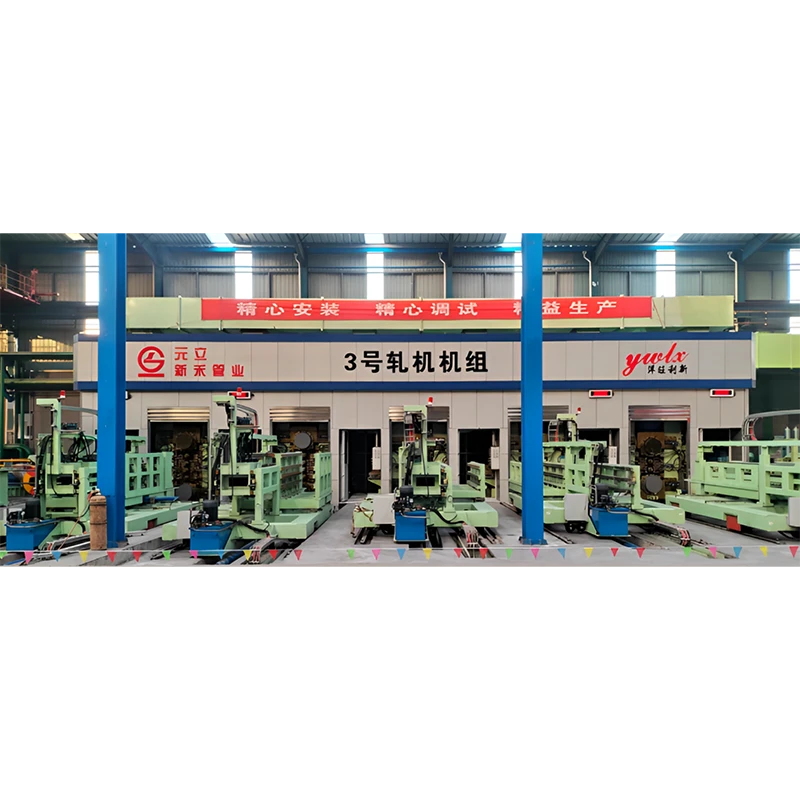
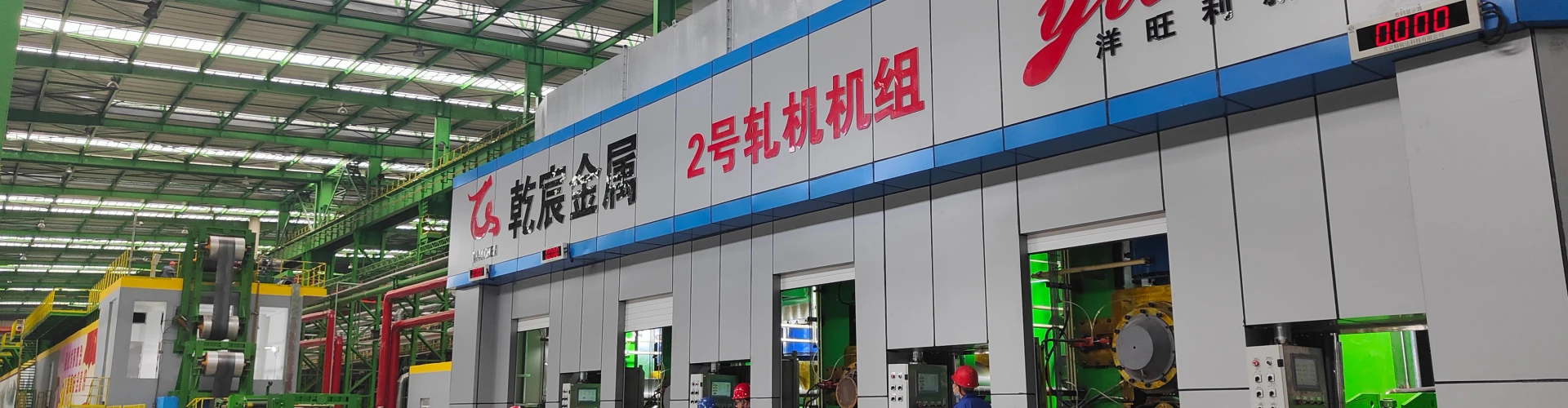
In the highly competitive realm of steel rolling, 4hi reversible cold rolling mill, 6 hi reversing cold rolling mill, and reversing cold mill are key equipment driving the production of high - quality steel products. For wholesalers, understanding the process optimization of these mills is essential to provide clients with superior solutions. Yang Wang Li Xin has established itself as a leading provider in the industry, with its advanced rolling mill equipment widely recognized for its efficiency and reliability.
Yang Wang Li Xin's 6Hi Reversing Cold Rolling Mill Overview Table
|
Aspect |
Details |
|
Product Status |
Four/Six Hi finishing reversing cold rolling mills are matured products of Yang Wang Li Xin, widely used in many Chinese steel firms |
|
Rolling Capabilities |
The Six Hi reversing precise cold rolling mill can roll carbon strip steel, oriented/non - oriented silicon strip steel, and stainless strip steel |
|
Product Series |
Developed series of 900mm, 1150mm, and 1380mm width of Six Hi reversing cold rolling mill |
|
Carbon Steel Rolling |
For carbon steel strip (SPHC), thickness can be reduced from 3.0mm to 0.2mm in six rolling passes without intermediate annealing |
|
Silicon Steel Rolling |
When rolling oriented/non - oriented silicon strip steel, thickness can be reduced from 0.63mm to 0.26mm in 2 - 3 rolling passes, with thickness tolerance and flatness meeting technical requirements |
Equipment Features of 6 Hi Reversing Cold Rolling Mill
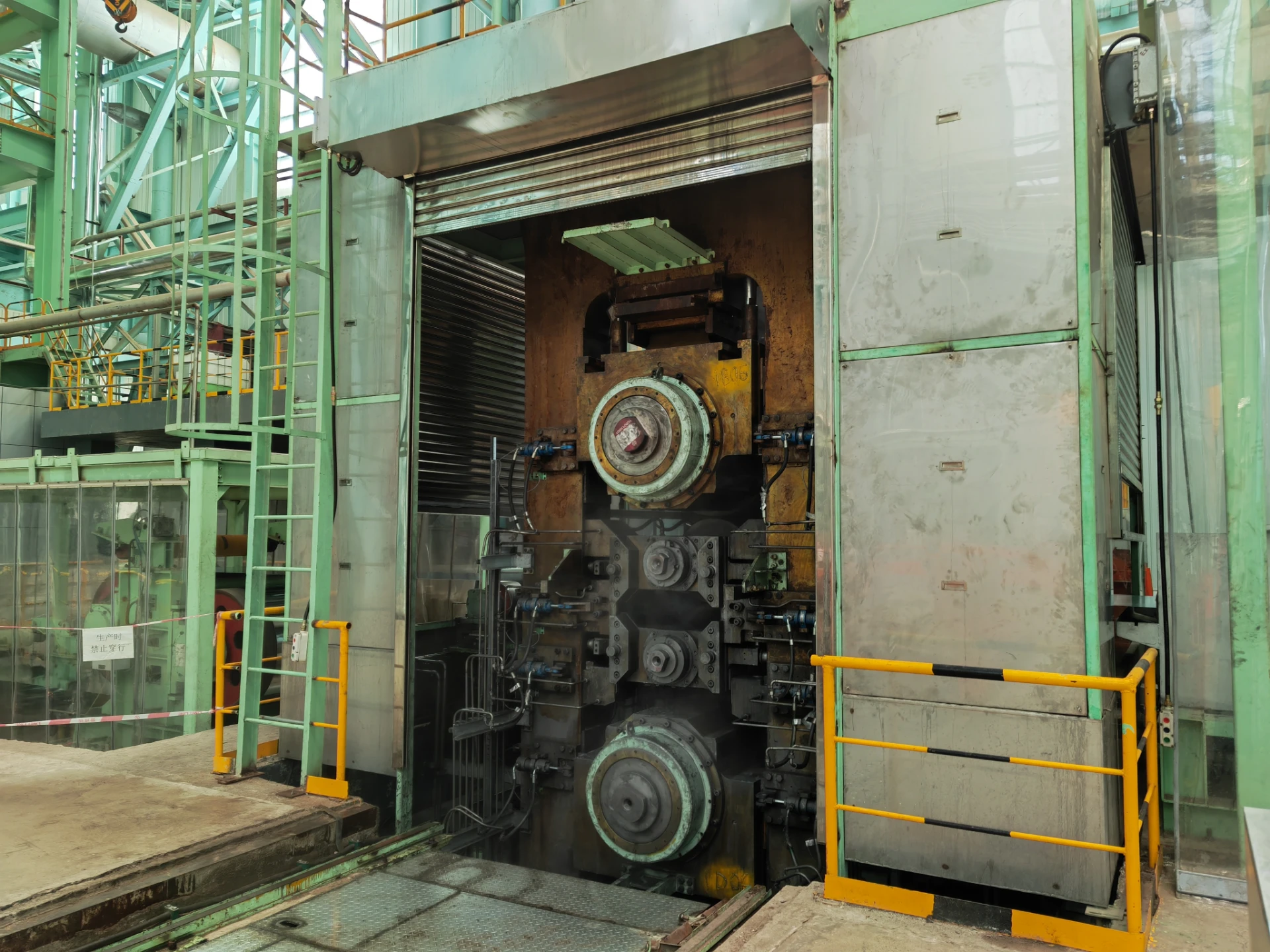
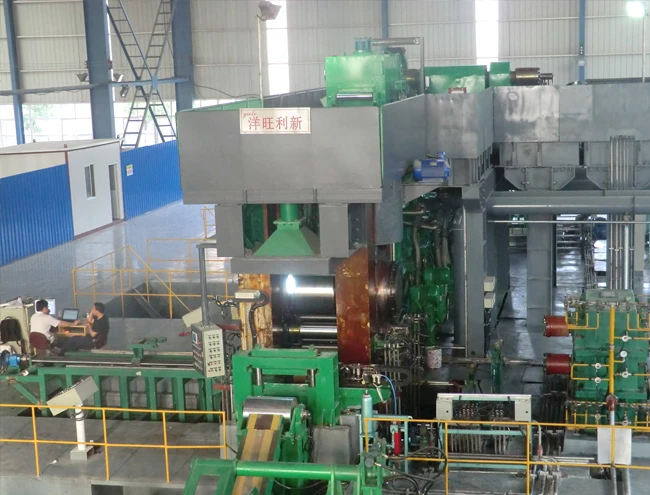
- The 6 hi reversing cold rolling mill from Yang Wang Li Xin features a unique six - high roll configuration. This design offers enhanced rigidity and stability during the cold rolling process, enabling more precise control over the thickness and shape of the steel strip. The additional intermediate rolls in the six - high setup distribute the rolling force more evenly across the strip width, reducing the likelihood of uneven deformation and improving the overall quality of the rolled product.
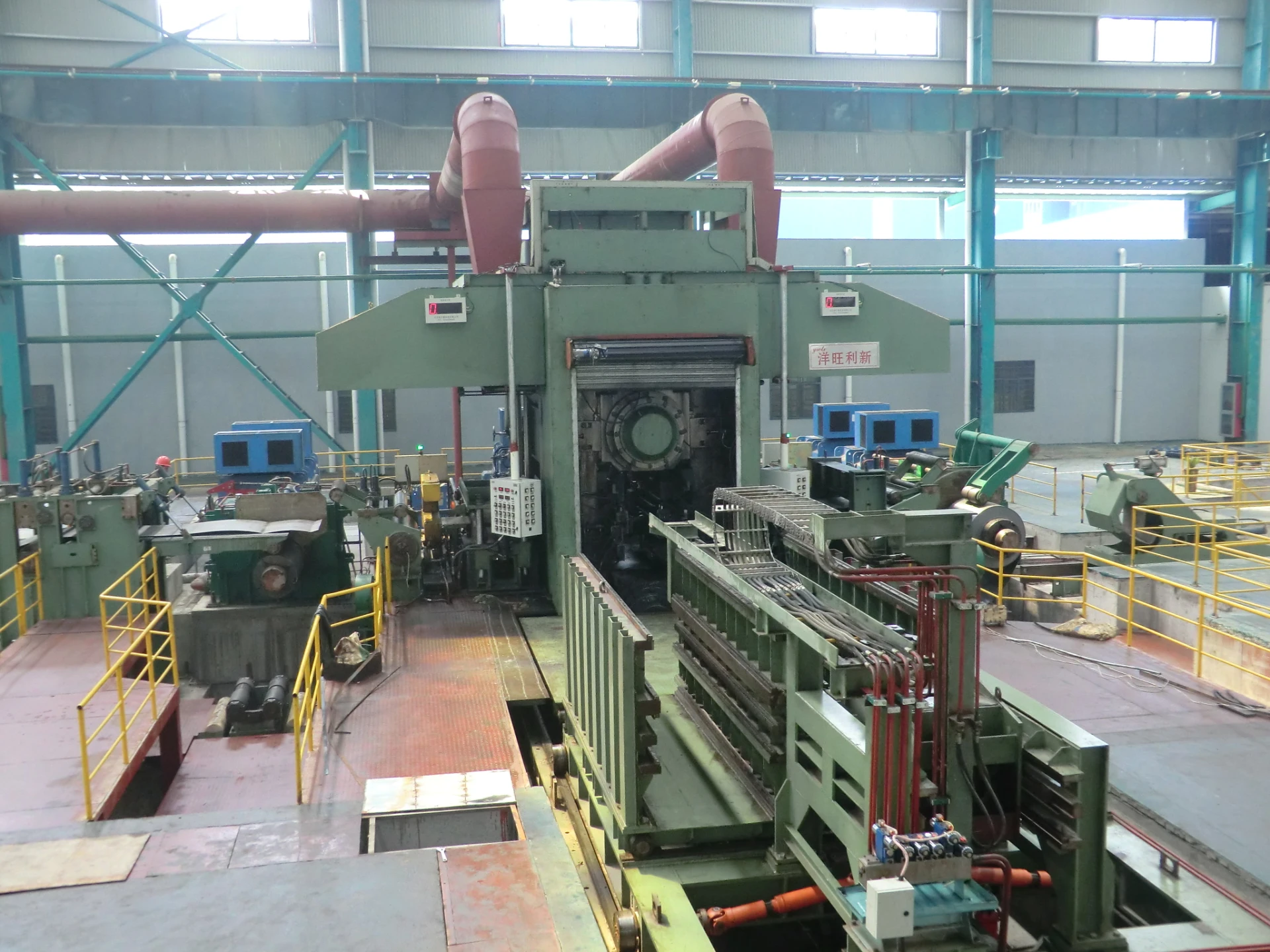
- Its reversing mechanism is a crucial feature. The 6 hi reversing cold rolling mill can reverse the direction of the steel strip's movement, allowing for multiple passes through the rolls. This repeated rolling process helps to achieve the desired thickness reduction and mechanical properties of the steel strip. The reversing operation also ensures that both sides of the strip are uniformly processed, eliminating any potential differences in surface finish or mechanical characteristics.
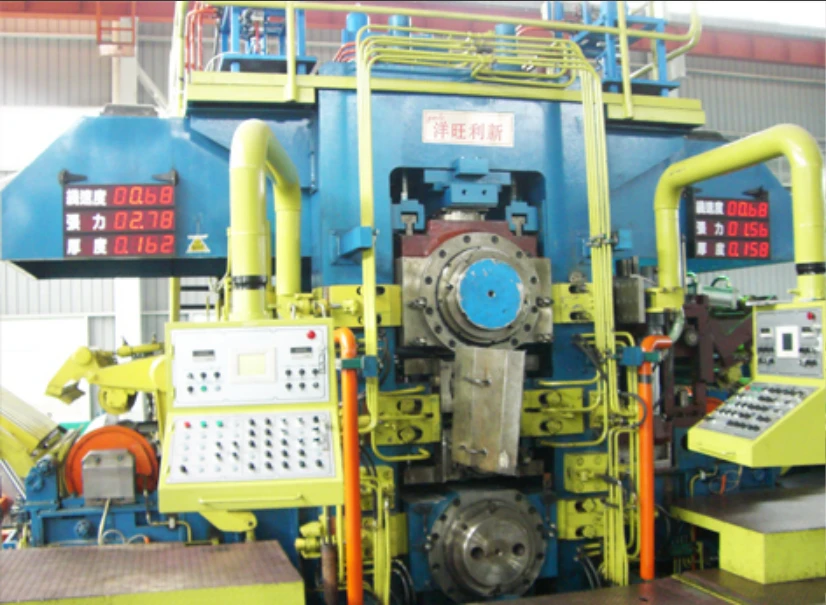
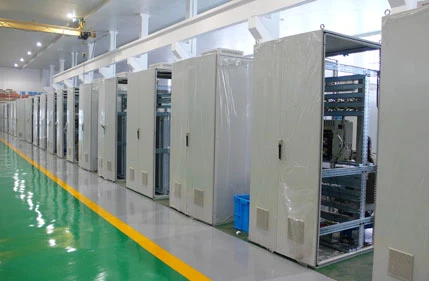
- The mill is equipped with advanced control systems. These systems monitor and adjust parameters such as roll speed, rolling force, and tension in real - time. By precisely controlling these variables, the 6 hi reversing cold rolling mill can adapt to different types of steel materials and production requirements. Whether it's rolling carbon steel, silicon steel, or stainless steel, the control systems ensure consistent product quality and efficient production processes.
Process Optimization Strategies for Reversing Cold Mill
- Optimizing the rolling schedule is a key strategy for reversing cold mill. By carefully planning the number of passes, reduction ratios in each pass, and the sequence of rolling, the overall efficiency and quality of the cold rolling process can be improved. For example, in the case of rolling carbon steel strip, determining the optimal combination of passes to achieve the target thickness from 3.0mm to 0.2mm without intermediate annealing requires a detailed analysis of the material's mechanical properties and the capabilities of the reversing cold mill. This optimized schedule minimizes energy consumption, reduces production time, and ensures that the final product meets the required specifications.
- Improving the lubrication and cooling systems is another important aspect of process optimization. Adequate lubrication reduces friction between the rolls and the steel strip, minimizing wear and tear on the equipment and improving the surface finish of the rolled product. Advanced cooling systems help to control the temperature of the steel strip during the cold rolling process, preventing overheating and ensuring that the material maintains its desired mechanical properties. By upgrading these systems in the reversing cold mill, Yang Wang Li Xin ensures smooth operation, longer equipment lifespan, and higher - quality steel products.
- Implementing advanced control algorithms in the reversing cold mill also contributes to process optimization. These algorithms can predict and compensate for variations in the material properties, rolling conditions, and equipment performance. For instance, they can adjust the rolling force in real - time based on the thickness and hardness of the incoming steel strip, ensuring consistent thickness and flatness of the final product. The use of such intelligent control methods enhances the stability and precision of the cold rolling process, making the reversing cold mill more adaptable to different production scenarios.
6 Hi Reversing Cold Rolling Mill FAQS
What are the main differences between a 4hi reversible cold rolling mill and a 6 hi reversing cold rolling mill?
The main differences lie in their roll configurations and performance capabilities. A 4hi reversible cold rolling mill has four rolls, typically two work rolls and two backup rolls. It is suitable for general - purpose cold rolling of various steel materials. In contrast, a 6 hi reversing cold rolling mill has six rolls, with additional intermediate rolls. This extra configuration provides greater rigidity and better control over the rolling force distribution, enabling more precise thickness control and better surface finish. The 6 hi reversing cold rolling mill is often preferred for rolling high - precision products such as silicon steel and stainless steel where tight dimensional tolerances and superior surface quality are required.
How does process optimization affect the energy consumption of the reversing cold mill?
Process optimization can significantly reduce the energy consumption of the reversing cold mill. By optimizing the rolling schedule, the number of unnecessary passes can be minimized, reducing the overall time the mill operates and thus saving energy. Additionally, improving the lubrication and cooling systems reduces friction and heat generation, which in turn decreases the energy required to drive the mill. Advanced control algorithms also contribute to energy savings by ensuring that the mill operates at its most efficient point, adjusting parameters in real - time to match the actual production conditions and material properties.
Can the 6 hi reversing cold rolling mill handle different widths of steel strips?
Yes, Yang Wang Li Xin's 6 hi reversing cold rolling mill is designed to handle different widths of steel strips. The company has developed a series of mills with widths of 900mm, 1150mm, and 1380mm, demonstrating its flexibility in accommodating various production requirements. The mill's design and adjustable components allow for easy adaptation to different strip widths, ensuring consistent performance and product quality regardless of the width of the incoming steel material.
What measures are taken to ensure the safety of operators during the operation of the 4hi reversible cold rolling mill?
To ensure operator safety, the 4hi reversible cold rolling mill is equipped with a range of safety features. These include emergency stop buttons that can immediately halt the operation in case of an emergency, safety guards around moving parts to prevent accidental contact, and interlock systems that prevent the mill from starting if safety conditions are not met. Additionally, regular maintenance and inspection of the mill ensure that all safety - related components are in good working condition. Operator training programs are also implemented to ensure that personnel are familiar with the proper operation procedures and safety protocols associated with the 4hi reversible cold rolling mill.
How does Yang Wang Li Xin ensure the quality of its reversing cold mill products?
Yang Wang Li Xin ensures the quality of its reversing cold mill products through a comprehensive quality control system. This system starts from the design stage, where advanced engineering techniques and materials are used to ensure the reliability and performance of the mill. During the manufacturing process, strict inspection and testing procedures are carried out at every stage to ensure that all components meet the required standards. After production, the mills undergo rigorous performance testing to verify their functionality and compliance with the specified technical requirements. Moreover, the company continuously invests in research and development to improve the quality and performance of its products, staying ahead in the highly competitive steel rolling equipment market.
-
Ship Multi-Project Equipment on the Lantern FestivalNewsMar.03,2026
-
YWLX Deep Dives into Cladding Line with Dubai ClientNewsDec.22,2025
-
1450mm 6-Hi Reversing Mill Goes Live in BangladeshNewsOct.28,2025
-
Sep. 3rd Parade: Carry Forward and Press OnNewsSep.03,2025
-
Indian Clients Visit YWLX to Inspect Skin-pass MillNewsJun.22,2025
-
Full- throttle! YWLX's Intense Production During May DayNewsMay.01,2025
-
YWLX Participated in the 2025 Chinese GAP Program Review ConferenceNewsApr.17,2025