

Comprehensive Stress Management Strategies for a Balanced Life کنترل تنش
کنترل تنش: A Comprehensive Guide to Stress Management
In today’s fast-paced world, experiencing stress is almost inevitable. However, chronic stress can significantly impact our physical and mental well-being. Effective stress management, or کنترل تنش, is crucial for maintaining a healthy and productive life. This article delves into the science of stress, its effects, and practical strategies for effectively managing it. We'll explore techniques that you can integrate into your daily routine to build resilience and improve your overall quality of life. Learning to control stress isn't just about feeling better; it's about protecting your long-term health.
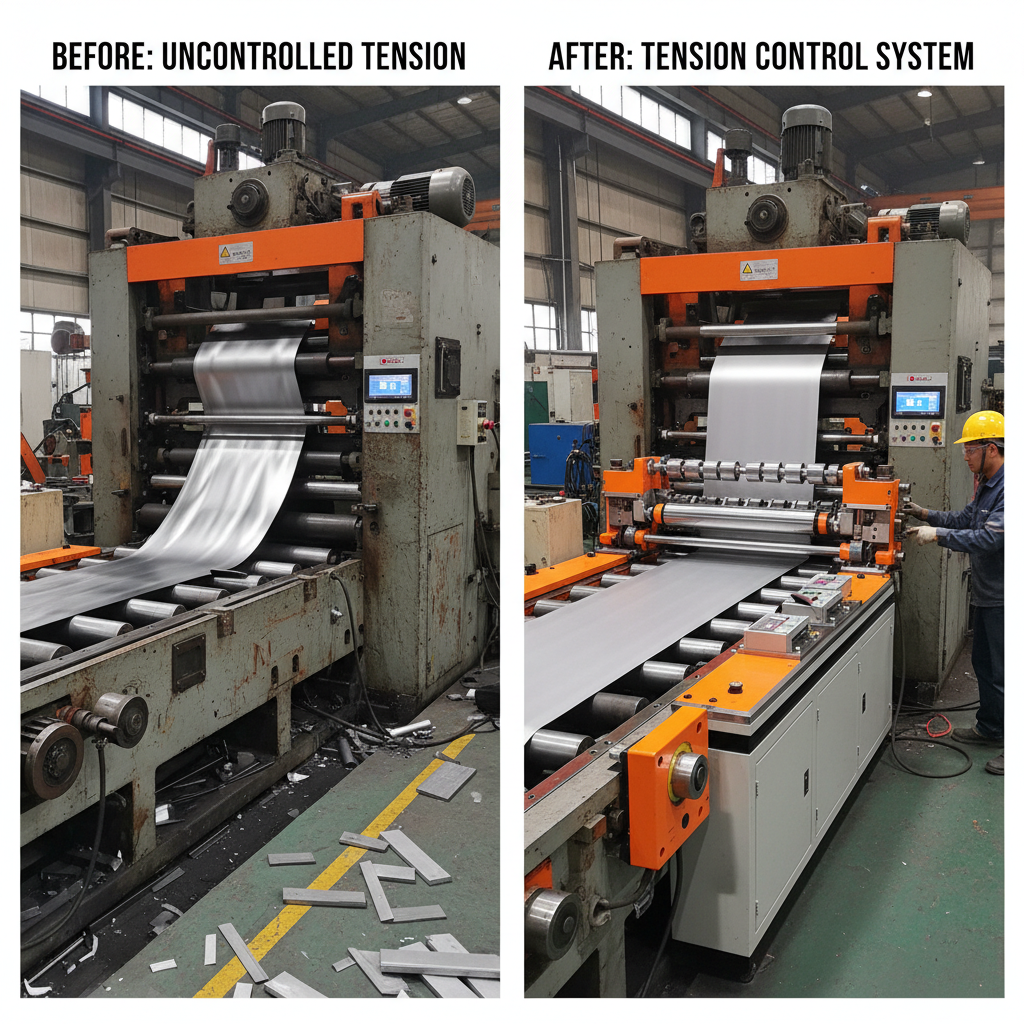
Understanding the Science of Stress
Stress isn't simply a psychological phenomenon; it's a physiological response. When we perceive a threat, our bodies activate the "fight or flight" response, releasing hormones like cortisol and adrenaline. This response is designed to prepare us for immediate action. While beneficial in short bursts, chronic activation of this system can lead to a cascade of negative health consequences. Understanding this biological basis is the first step towards effective کنترل تنش. The key is to recognize the triggers and learn to regulate your body’s response before it spirals out of control.
Key Takeaway: Stress is a natural physiological response, but chronic stress can be detrimental to your health.
Common Stressors and Their Impact
Stressors come in many forms, ranging from work-related pressures and financial concerns to relationship difficulties and health issues. Identifying your personal stressors is crucial. The impact of stress can manifest in various ways, including headaches, muscle tension, fatigue, digestive problems, and difficulty sleeping. Prolonged stress can also weaken the immune system and increase the risk of chronic diseases. Developing an awareness of these impacts will motivate you to actively pursue کنترل تنش strategies.
Common Stressors:
• Work Pressure
• Financial Difficulties
• Relationship Issues
• Health Concerns
Effective Techniques for کنترل تنش
There are numerous techniques available for managing stress. Mindfulness meditation, deep breathing exercises, and progressive muscle relaxation are all proven methods for calming the nervous system. Regular physical activity is also a powerful stress reliever, releasing endorphins that have mood-boosting effects. Prioritizing sleep, maintaining a healthy diet, and connecting with loved ones are also essential components of a comprehensive stress management plan. Remember, consistency is key. Incorporating these practices into your daily routine will yield the greatest benefits.
The Role of Lifestyle in Preventing Stress
Beyond specific techniques, your overall lifestyle plays a significant role in your ability to manage stress. Prioritizing self-care, setting realistic goals, and learning to say "no" are all crucial. Cultivating a positive mindset, practicing gratitude, and limiting exposure to negative influences can also significantly reduce your stress levels. Remember, کنترل تنش isn’t just about reacting to stress when it arises; it’s about proactively building a life that is less prone to it.
When to Seek Professional Help
While self-management techniques are effective for many, there are times when professional help is necessary. If stress is significantly interfering with your daily life, causing persistent feelings of anxiety or depression, or leading to unhealthy coping mechanisms, it’s important to reach out to a qualified mental health professional. Therapy, counseling, and medication can provide valuable support and guidance. Don't hesitate to seek help when you need it – it’s a sign of strength, not weakness. The team at bjywlx.com can provide guidance on resources available.
Conclusion: Taking Control of Your Well-being
Learning کنترل تنش is an ongoing process, not a destination. By incorporating the strategies discussed in this article into your daily life, you can build resilience, improve your overall well-being, and navigate the challenges of modern life with greater ease. Prioritize your mental and physical health, and remember that seeking support is a sign of strength. Invest in yourself, and you’ll be well-equipped to handle whatever life throws your way.
Frequently Asked Questions (FAQs)
What are some immediate steps I can take when feeling overwhelmed with stress?
When you're feeling overwhelmed, try a quick relaxation technique like deep breathing. Close your eyes, inhale deeply through your nose, and exhale slowly through your mouth. Repeat several times. Another helpful tactic is to take a short break from the stressful situation, even just a 5-minute walk or listening to calming music. Grounding techniques, such as focusing on your five senses (what you see, hear, smell, taste, and touch), can also bring you back to the present moment. Finally, don't hesitate to reach out to a friend or family member for support.
How important is sleep in managing stress?
Sleep is absolutely crucial for stress management. During sleep, your body repairs itself and consolidates memories, which helps to regulate emotions. Lack of sleep can exacerbate stress levels, making you more irritable, anxious, and less able to cope with challenges. Aim for 7-9 hours of quality sleep each night. Establish a regular sleep schedule, create a relaxing bedtime routine, and ensure your bedroom is dark, quiet, and cool.
Can diet influence my stress levels?
Yes, diet plays a significant role. A diet high in processed foods, sugar, and caffeine can contribute to stress and anxiety. Focus on eating whole, unprocessed foods, including fruits, vegetables, lean protein, and whole grains. Foods rich in omega-3 fatty acids (like salmon and walnuts) and magnesium (like spinach and dark chocolate) can also help to reduce stress. Stay hydrated by drinking plenty of water throughout the day.
What resources does bjywlx.com offer to help with stress management?
bjywlx.com offers a range of resources to support your stress management journey, including articles, guided meditations, and online workshops. Our team of experts provides evidence-based strategies and personalized guidance to help you build resilience and improve your overall well-being. We also offer individual and group counseling services to address specific stress-related challenges. Explore our website to discover the resources that best meet your needs.
-
Ship Multi-Project Equipment on the Lantern FestivalNewsMar.03,2026
-
YWLX Deep Dives into Cladding Line with Dubai ClientNewsDec.22,2025
-
1450mm 6-Hi Reversing Mill Goes Live in BangladeshNewsOct.28,2025
-
Sep. 3rd Parade: Carry Forward and Press OnNewsSep.03,2025
-
Indian Clients Visit YWLX to Inspect Skin-pass MillNewsJun.22,2025
-
Full- throttle! YWLX's Intense Production During May DayNewsMay.01,2025
-
YWLX Participated in the 2025 Chinese GAP Program Review ConferenceNewsApr.17,2025