
Cladding Rolling Mill-Beijing Yang Wang Li Xin Sci&Tech|Cold Rolling Cladding,Energy Efficient
Cladding Rolling Mill has emerged as a transformative solution in the manufacturing industry, offering a sustainable and efficient method for producing high-quality metal composite materials. Developed by Beijing Yang Wang Li Xin Sci&Tech Co., Ltd. (formerly Shijiazhuang Yangwang Machinery & Technology Co., Ltd.), this technology addresses critical challenges in traditional cladding processes, such as surface quality, energy consumption, and production costs. This article delves into the technical features, applications, and advantages of the Cladding Rolling Mill, supported by authoritative references from the National Institute of Standards and Technology (NIST).
Technical Features of the Cladding Rolling Mill
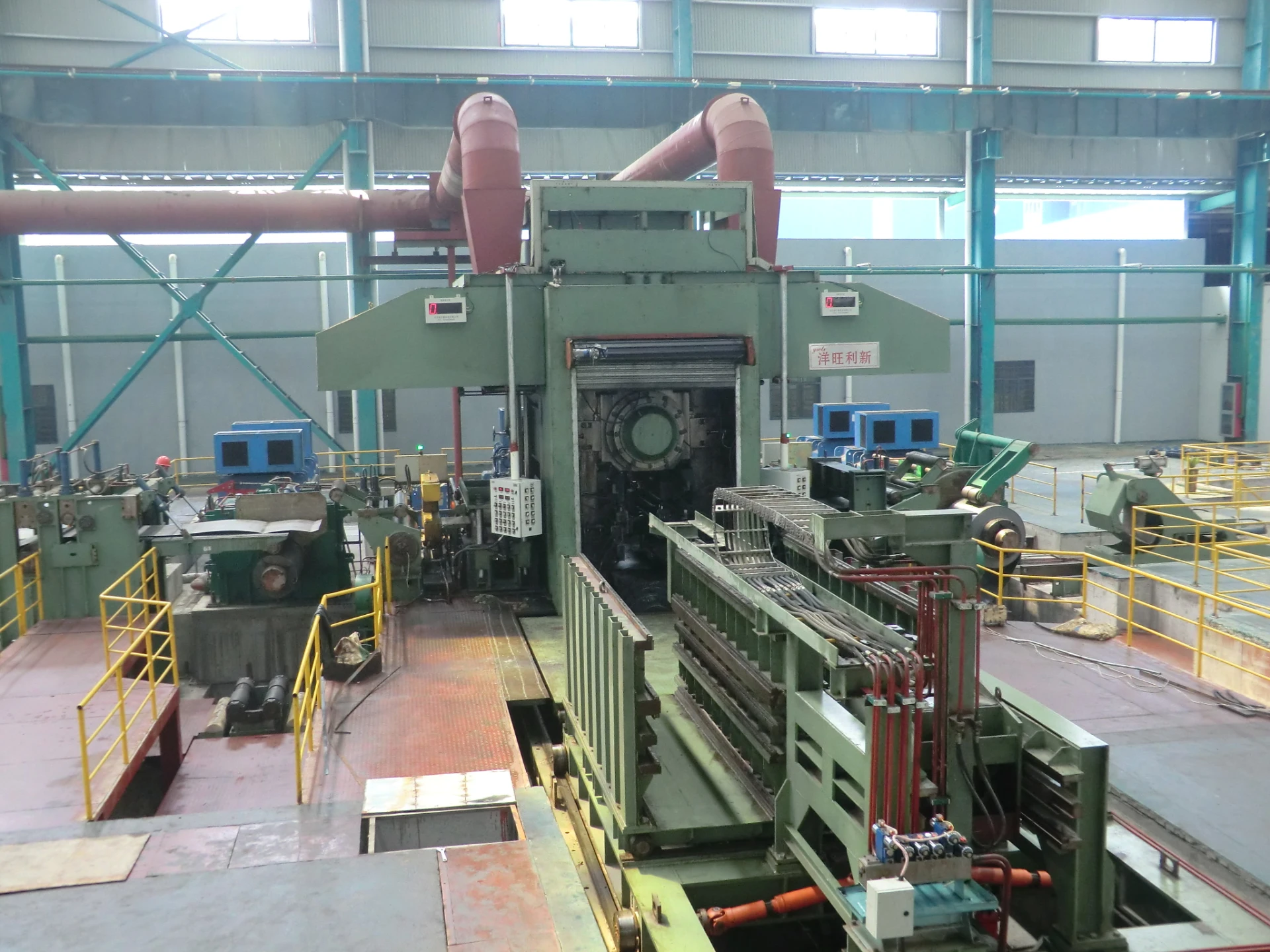
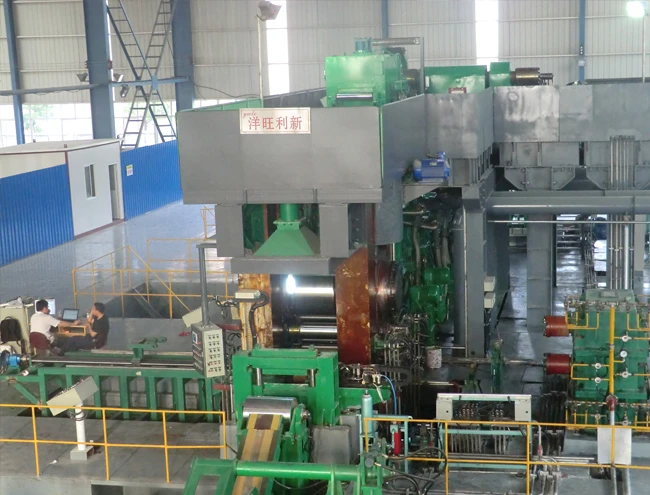
The Cladding Rolling Mill employs a cold rolling process to produce metal composite strips with exceptional surface quality. Unlike conventional methods that require acid pickling to remove oxides, the cold rolling technique eliminates the need for this step, resulting in a clean, oxide-free surface. This not only enhances the aesthetic appeal of the final product but also reduces environmental impact by minimizing chemical usage.
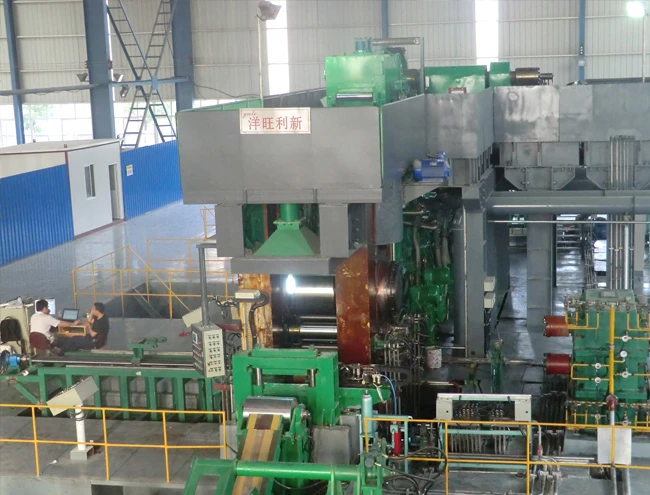
Another standout feature is its energy efficiency. The process avoids reheating the metal before rolling and eliminates post-rolling acid pickling, aligning with global initiatives for energy conservation and environmental protection. According to the U.S. Department of Energy, energy-efficient manufacturing practices can reduce carbon footprints by up to 30%, making the Cladding Rolling Mill a sustainable choice for modern industries (NIST Reference).
Process Simplification and Cost Efficiency
The Cladding Rolling Mill streamlines the production process into three main stages: surface treatment before rolling, bonding rolling, and annealing treatment. This simplified workflow ensures a high yield rate (above 90%) while significantly lowering production costs. The reduced investment in infrastructure and energy further enhances its economic viability, making it an attractive option for manufacturers seeking to optimize resources.
For instance, the technology can bond bimetallic or tri-metallic composites in a single production line, eliminating the need for multiple machines. This versatility is particularly beneficial for industries requiring customized material solutions, such as the automotive and chemical sectors.
Product Specifications Table
| Parameter | Specification |
|---|---|
| Maximum Strip Width | 1000 mm |
| Minimum Strip Thickness | 0.2 mm |
| Yield Rate | ≥90% |
| Energy Consumption | Reduced by 30% compared to traditional methods |
| Surface Quality | Oxide-free, no acid pickling required |
| Material Compatibility | Copper-Steel, Aluminum-Steel, Copper-Aluminum, Aluminum-Stainless Steel, Stainless Steel-Steel |
Applications in Diverse Industries
The Cladding Rolling Mill's adaptability makes it suitable for a wide range of applications. In the electronic industry, it produces clad strips used in heat sinks and circuit boards, leveraging the thermal conductivity of copper and the structural integrity of steel. In the automotive sector, the technology supports the production of lightweight yet durable components, contributing to fuel efficiency and emission reduction.
For the chemical industry, the mill's ability to create corrosion-resistant composites is invaluable. Stainless steel-clad materials, for example, are ideal for reactors and pipelines exposed to harsh environments. Meanwhile, the decorative materials sector benefits from the mill's capacity to generate aesthetically pleasing, high-quality surfaces without the need for additional treatments.
Company Background: Beijing Yang Wang Li Xin Sci&Tech Co., Ltd.
Founded with a focus on advanced manufacturing technologies, Beijing Yang Wang Li Xin Sci&Tech Co., Ltd. has established itself as a leader in the development of cold rolling cladding technology. The company's Cladding Rolling Mill division integrates cutting-edge global innovations with proprietary processes to deliver state-of-the-art equipment and solutions.
According to the NIST guidelines on manufacturing standards, companies that prioritize research and development (R&D) are better positioned to meet evolving industry demands. Beijing Yang Wang Li Xin Sci&Tech Co., Ltd. exemplifies this by continuously refining its technology to address challenges such as material efficiency and environmental sustainability (NIST Reference).
Comparative Advantages Over Traditional Methods
Traditional cladding techniques like explosive cladding and hot rolling cladding have long been plagued by issues such as low surface quality, high energy consumption, and substantial capital investment. The Cladding Rolling Mill mitigates these challenges by offering a simplified, cost-effective alternative. For example, the cold rolling process eliminates the need for reheating, which is a significant energy drain in hot rolling methods.
Moreover, the mill's high yield rate ensures minimal material waste, a critical factor in industries where raw material costs are a major concern. This aligns with NIST's emphasis on resource efficiency in manufacturing, which is essential for achieving long-term sustainability (NIST Reference).
Future Prospects and Industry Impact
As industries increasingly prioritize sustainability and cost-effectiveness, the Cladding Rolling Mill is poised to play a pivotal role in shaping the future of metal composite manufacturing. Its ability to produce high-quality, eco-friendly materials positions it as a key player in sectors such as renewable energy, automotive, and aerospace.
Looking ahead, the integration of smart manufacturing technologies with the Cladding Rolling Mill could further enhance its capabilities. For instance, IoT-enabled monitoring systems could optimize production parameters in real time, ensuring consistent quality and reducing downtime. This aligns with NIST's research on next-generation manufacturing systems, which aims to drive innovation through digital transformation (NIST Reference).
Conclusion
The Cladding Rolling Mill represents a significant leap forward in metal bonding technology, combining technical excellence, environmental responsibility, and economic efficiency. By addressing the limitations of traditional methods, it offers manufacturers a reliable solution to meet the demands of modern industries. As Beijing Yang Wang Li Xin Sci&Tech Co., Ltd. continues to innovate, the Cladding Rolling Mill is set to redefine standards in the global manufacturing landscape.
References
NIST Reference: National Institute of Standards and Technology – Provides authoritative insights into energy efficiency, manufacturing standards, and technological innovation.
Product Information: Cladding Rolling Mill Product Page – Explore detailed specifications and applications.
Company Profile: Beijing Yang Wang Li Xin Sci&Tech Co., Ltd. – Learn more about the company's mission and technological advancements.
-
YWLX’s 1450mm Six-Hi Reversing Mill Goes Live in BangladeshNewsNov.24,2025
-
Adjusting Roll Gap in 6Hi Reversing Cold Rolling Mill for Thin StripNewsNov.13,2025
-
Quality Control Standards for Automatic Gauge Control in Strip RollingNewsNov.13,2025
-
Effect of Skin Pass Rolling on Metal DuctilityNewsNov.13,2025
-
Key Components of a Modern TempermillNewsNov.13,2025
-
Common Wear Patterns of Work Roll in Tandem Cold Mill OperationsNewsNov.13,2025
-
Revolutionary Skin Pass Rolling Technology for Enhanced Steel QualityNewsNov.04,2025