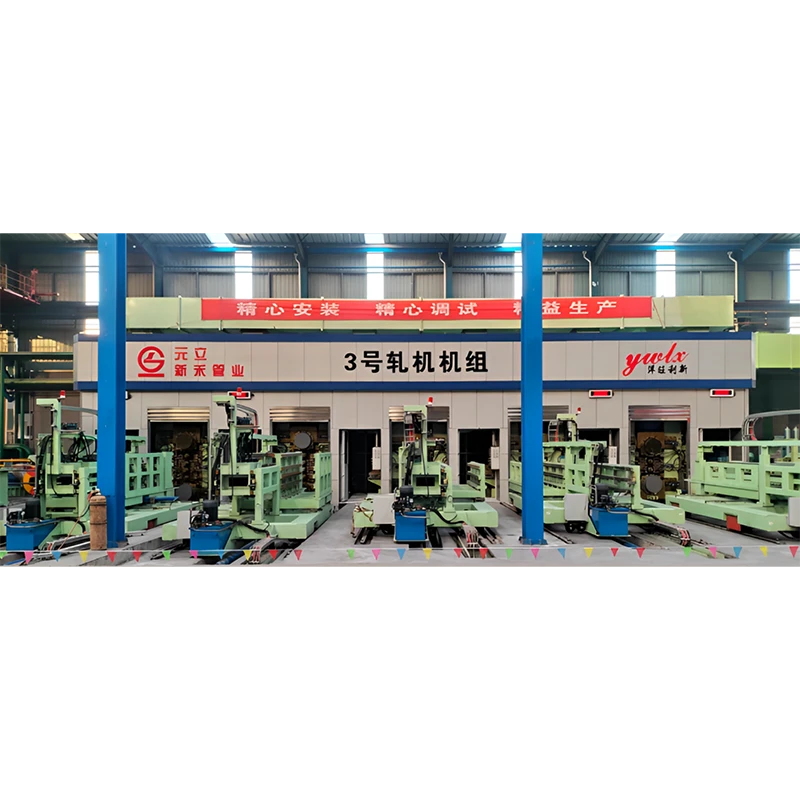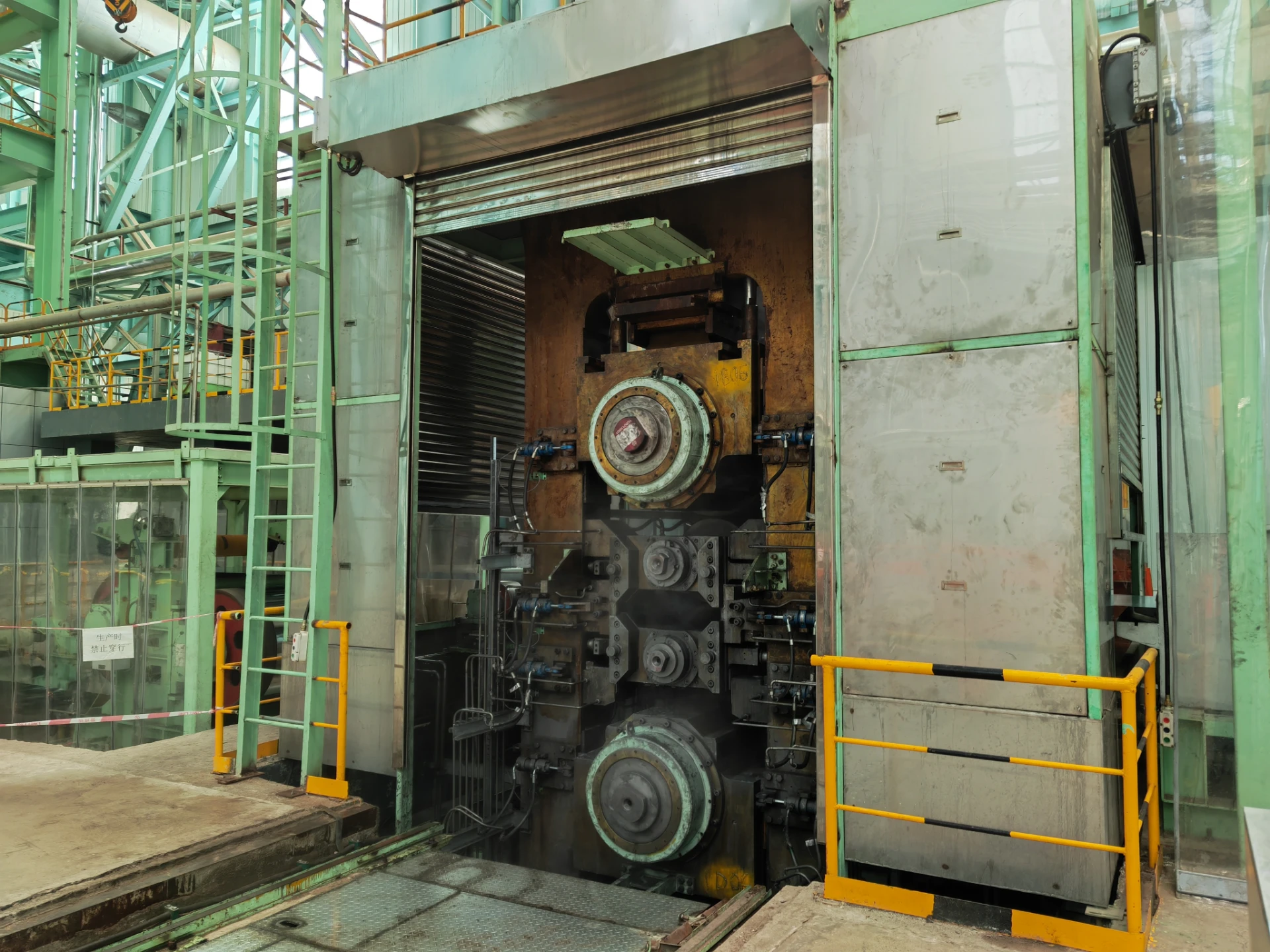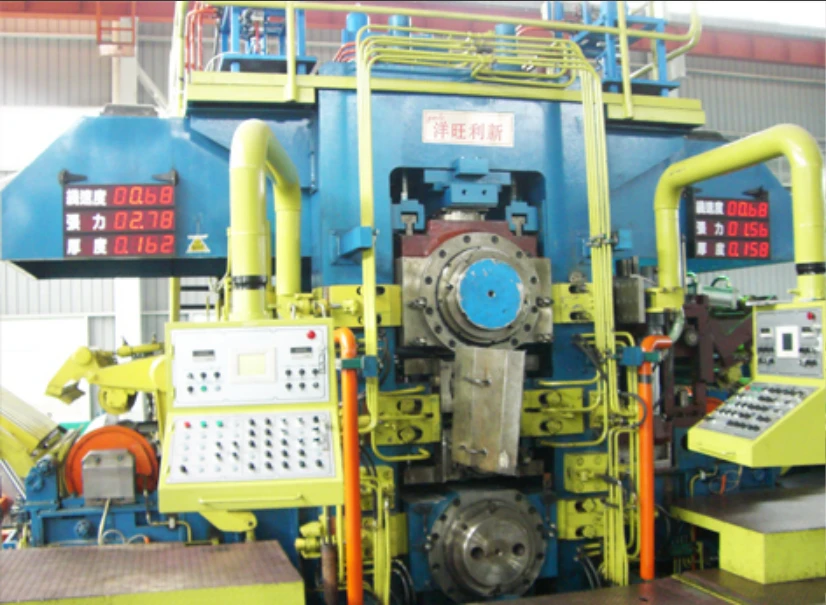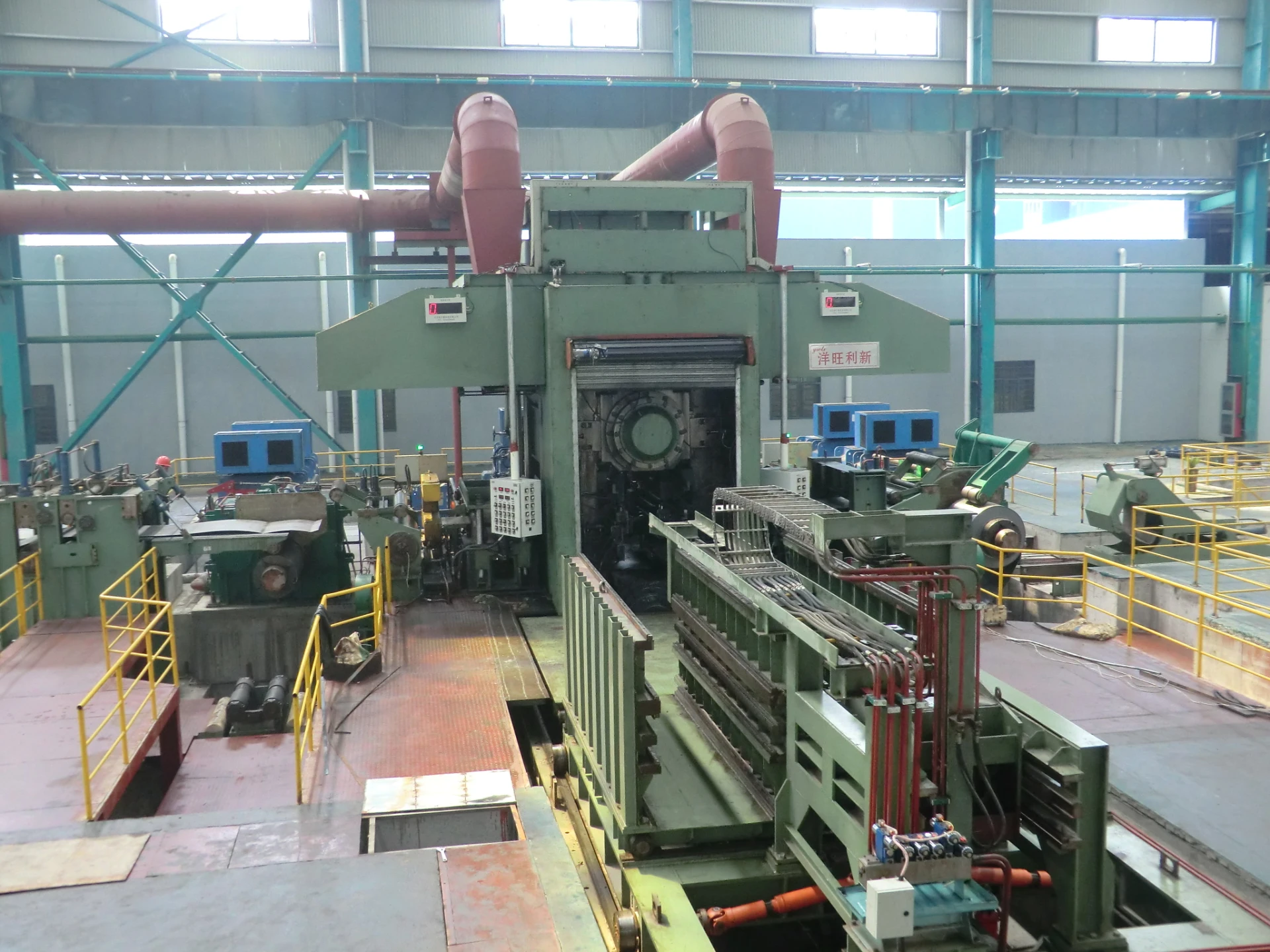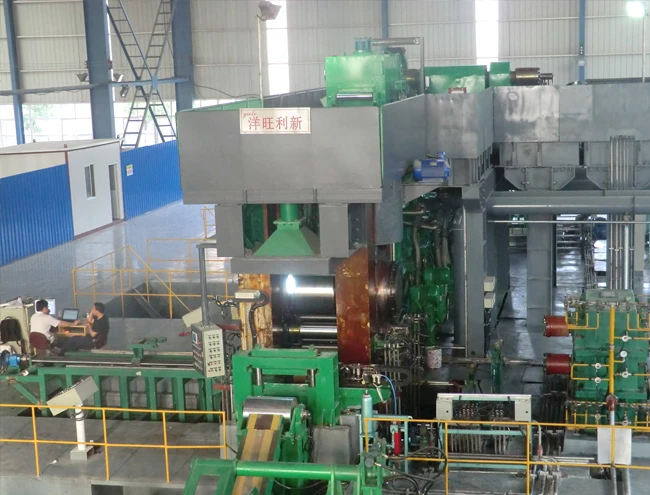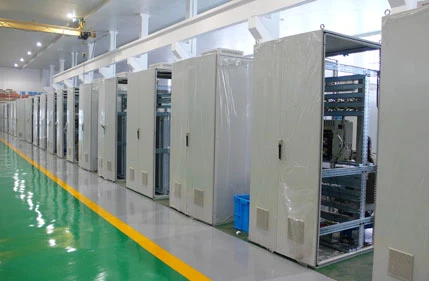
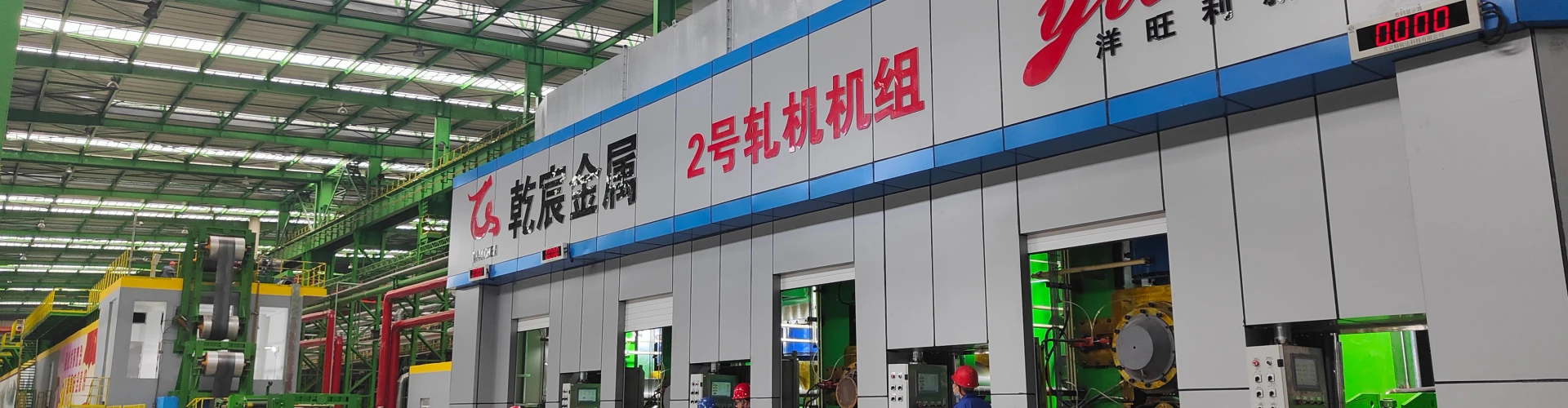
Fundamental Working Principles of Temper Mill
In the complex and dynamic field of steel rolling, temper mill, temper mill process, and temper mill steel play indispensable roles. For wholesalers in the steel industry, a deep understanding of the fundamental working principles of temper mill is crucial to offer clients high - quality products and valuable insights.
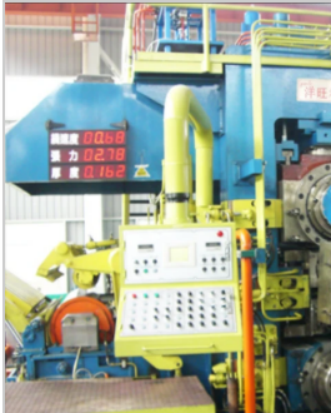
Main Functions of Temper Mill Table
|
Function Aspect |
Details |
|
Mechanical Property Improvement |
Eliminates yield terrace, comprehensively enhancing the mechanical property and deep draw ability of the st |
|
Surface Quality Enhancement |
Promotes strip surface cleanliness or achieves a specific surface roughness, improving the strip's process ability |
|
Shape Improvement |
Improves the flatness and straightness of the strip |
|
Thickness and Property Adjustment |
Has the function of soft reduction to modify the thickness and mechanical property of the steel strip |
Core Principles of Temper Mill Operation
- At the heart of temper mill operation is the application of rolling force. When temper mill steel passes through the rolls of the temper mill, the precisely controlled rolling force acts on the steel strip. This force causes plastic deformation of the strip at a relatively small reduction ratio. By carefully adjusting the magnitude of the rolling force, the temper mill can effectively eliminate the yield terrace in the steel strip. The yield terrace, if present, can cause uneven deformation during subsequent processing, but the temper mill's action ensures a more uniform and stable mechanical behavior of the temper mill steel, greatly enhancing its deep draw ability and making it more suitable for complex forming processes.
- The temper mill process also involves the interaction between the rolls and the steel strip surface. The rolls of the temper mill are designed with specific surface characteristics. As the temper mill steel passes through, these rolls can either clean the strip surface by removing contaminants and scale residues or create a certain roughness on the surface. This controlled surface modification is of great significance. A clean surface improves the adhesion of subsequent coatings, while a specific surface roughness can enhance the frictional properties of the steel strip, which is beneficial for processes like stamping and rolling, ultimately improving the overall process ability of the temper mill steel.
- To improve the flatness and straightness of the temper mill steel, the temper mill utilizes a combination of roll alignment and pressure distribution control. The rolls are precisely aligned to ensure that the rolling force is evenly distributed across the width of the steel strip. This even force application helps to correct any existing curvature or waviness in the strip, gradually flattening and straightening it. By closely monitoring and adjusting the pressure distribution and roll alignment during the temper mill process, the temper mill can produce temper mill steel with excellent flatness and straightness, meeting the strict requirements of various downstream applications such as automotive manufacturing and construction.
- The soft reduction function of the temper mill is another important aspect of its working principles. During the temper mill process, by precisely controlling the relative movement and pressure between the rolls, a small amount of reduction in thickness can be achieved without significantly affecting the overall dimensions of the steel strip. This soft reduction not only changes the thickness of the temper mill steel but also modifies its internal structure and mechanical properties. For example, it can refine the grain structure, improve the strength - toughness balance of the steel, and enhance its overall performance, providing more options for steel producers to meet the diverse needs of different customers.
Role of Temper Mill Process in Steel Rolling
- The temper mill process is an essential link in the steel rolling production line. After the steel strip has undergone rough rolling and finish rolling processes, it enters the temper mill. Here, it undergoes the final refinement and adjustment. The temper mill acts as a quality enhancer, taking the semi - finished temper mill steel and transforming it into a product with superior mechanical properties, surface quality, and shape accuracy. This ensures that the steel product meets the high - quality standards required by the market, increasing its competitiveness and value.
- In terms of production efficiency, the temper mill process contributes significantly. By improving the quality of the temper mill steel in one pass, it reduces the need for rework and additional processing steps. For example, the improved flatness and straightness of the steel strip mean that it can be directly used in downstream processes such as cutting and bending without the need for time - consuming and costly straightening operations. This streamlined production process not only saves time but also reduces production costs, making the entire steel rolling operation more efficient and profitable.
- The temper mill process also provides flexibility in steel production. Different types of temper mill steel with varying mechanical properties and surface characteristics can be produced by adjusting the parameters of the temper mill. This allows steel producers to respond quickly to market demands and customize their products according to the specific requirements of different customers. Whether it's producing steel for high - strength structural applications or for products that require excellent surface finish, the temper mill process enables Yang Wang Li Xin's temper mill to deliver products that meet the diverse needs of the steel industry.
Temper Mill FAQS
What is the significance of eliminating the yield terrace in temper mill steel?
Eliminating the yield terrace in temper mill steel is of great significance. The yield terrace can cause uneven deformation during subsequent processing operations like stamping and rolling, leading to defects in the final product. By removing it, the temper mill ensures that the steel strip deforms uniformly, enhancing its deep draw ability and overall mechanical performance. This makes the temper mill steel more reliable and suitable for complex manufacturing processes, improving the quality and consistency of the end - products made from it.
How does the temper mill process control the surface roughness of the steel strip?
The temper mill process controls the surface roughness of the steel strip through the design and operation of the temper mill rolls. The rolls are manufactured with specific surface textures. When the temper mill steel passes through these rolls, the contact and pressure between them cause the surface of the steel strip to be modified. By adjusting parameters such as the roll surface finish, rolling force, and speed, the temper mill can precisely control the degree of surface roughness. This allows for the production of temper mill steel with the desired surface characteristics to meet the requirements of different downstream applications.
Can the temper mill be used for different types of steel?
Yes, the temper mill can be used for different types of steel. Yang Wang Li Xin's temper mill is designed with adjustable parameters that can be tailored to the characteristics of various steels, such as carbon steel, stainless steel, and alloy steel. By adjusting factors like the rolling force, roll speed, and reduction ratio, the temper mill can effectively process different types of temper mill steel, improving their mechanical properties, surface quality, and shape accuracy regardless of the steel grade, making it a versatile equipment in the steel processing industry.
What are the key factors affecting the flatness improvement in the temper mill process?
Several key factors affect the flatness improvement in the temper mill process. Roll alignment is crucial; any misalignment can lead to uneven rolling force distribution and result in wavy or curved steel strips. Pressure distribution control also plays a vital role. Ensuring that the rolling force is evenly applied across the width of the temper mill steel helps to correct existing flatness defects. Additionally, the initial shape and thickness uniformity of the steel strip before entering the temper mill can impact the final flatness. Monitoring and controlling these factors during the temper mill process is essential for achieving high - quality, flat temper mill steel.
How does Yang Wang Li Xin ensure the reliability of its temper mill?
Yang Wang Li Xin ensures the reliability of its temper mill through a combination of advanced design, high - quality manufacturing, and strict quality control. The company uses the latest engineering technologies and simulation software in the design phase to optimize the structure and performance of the temper mill. During manufacturing, high - grade materials and precision machining techniques are employed to ensure the durability and accuracy of the equipment. Rigorous quality control measures are implemented at every stage of production, from component inspection to final assembly and testing. This comprehensive approach guarantees that the temper mill can operate stably and efficiently, providing consistent performance in the steel rolling process.
-
Ship Multi-Project Equipment on the Lantern FestivalNewsMar.03,2026
-
YWLX Deep Dives into Cladding Line with Dubai ClientNewsDec.22,2025
-
1450mm 6-Hi Reversing Mill Goes Live in BangladeshNewsOct.28,2025
-
Sep. 3rd Parade: Carry Forward and Press OnNewsSep.03,2025
-
Indian Clients Visit YWLX to Inspect Skin-pass MillNewsJun.22,2025
-
Full- throttle! YWLX's Intense Production During May DayNewsMay.01,2025
-
YWLX Participated in the 2025 Chinese GAP Program Review ConferenceNewsApr.17,2025