Automatic Pressure Control Systems A Comprehensive Guide to Optimization and Safety
کنترل فشار اتوماتیک: A Comprehensive Guide
Automatic pressure control systems are essential for optimizing performance, enhancing safety, and improving efficiency in a wide range of industrial applications. From maintaining stable processes to protecting critical equipment, these systems play a vital role. This article will delve into the intricacies of automatic pressure control, exploring its principles, components, benefits, and applications. Understanding these systems is crucial for engineers, technicians, and anyone involved in process control. We will cover how these systems work and why investing in quality control is vital.
Understanding the Fundamentals of Automatic Pressure Control
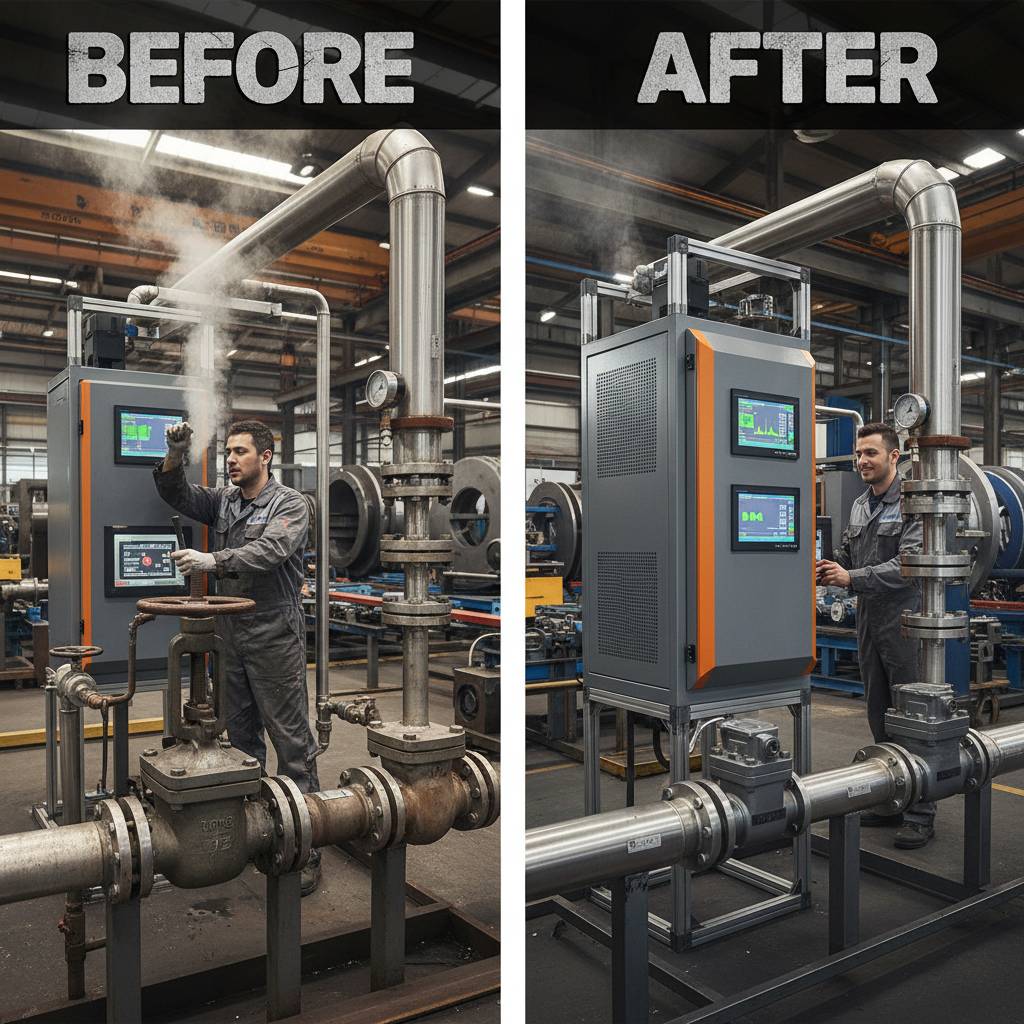
At its core, automatic pressure control is a feedback control system designed to maintain a desired pressure level within a specified process. This is achieved by continuously monitoring the actual pressure, comparing it to a setpoint, and adjusting a control element – typically a valve – to correct any deviations. The system utilizes sensors, controllers, and actuators to execute this process automatically, minimizing the need for manual intervention. This ensures consistent and reliable performance, leading to improved product quality and reduced waste. Key components include pressure sensors, control valves, and a programmable logic controller (PLC) or distributed control system (DCS).
Key Highlights: Continuous monitoring, automatic adjustments, minimal manual intervention, and improved process consistency.
Key Components in an Automatic Pressure Control System
A typical automatic pressure control system comprises several essential components working in harmony. Firstly, a pressure sensor accurately measures the process pressure and transmits this data to the controller. Secondly, the controller, often a PLC or DCS, compares the measured pressure to the desired setpoint and calculates the necessary adjustment. Finally, a control valve, acting as the actuator, modulates the flow of fluid to increase or decrease the pressure. Other components include signal conditioners, transmitters, and power supplies, all contributing to the system's overall reliability and performance. Selecting compatible and high-quality components is essential for long-term functionality.
Essential Components:
• Pressure Sensor: Measures process pressure.
• Controller (PLC/DCS): Compares measured pressure to setpoint.
• Control Valve: Modulates fluid flow.
• Signal Conditioners & Transmitters: Ensure accurate data transmission.
کنترل فشار اتوماتیک: Types and Control Strategies
There are several types of control strategies employed in automatic pressure control. Proportional control provides a basic level of regulation, adjusting the control valve proportionally to the pressure deviation. Proportional-Integral (PI) control adds an integral term to eliminate steady-state errors, providing more precise control. Proportional-Integral-Derivative (PID) control further enhances performance by incorporating a derivative term to anticipate future pressure changes. The choice of control strategy depends on the specific application and desired level of accuracy. More complex systems may utilize advanced control algorithms like model predictive control (MPC) for optimal performance in challenging scenarios. Contact us to learn more about our custom solutions.
Applications of Automatic Pressure Control Systems
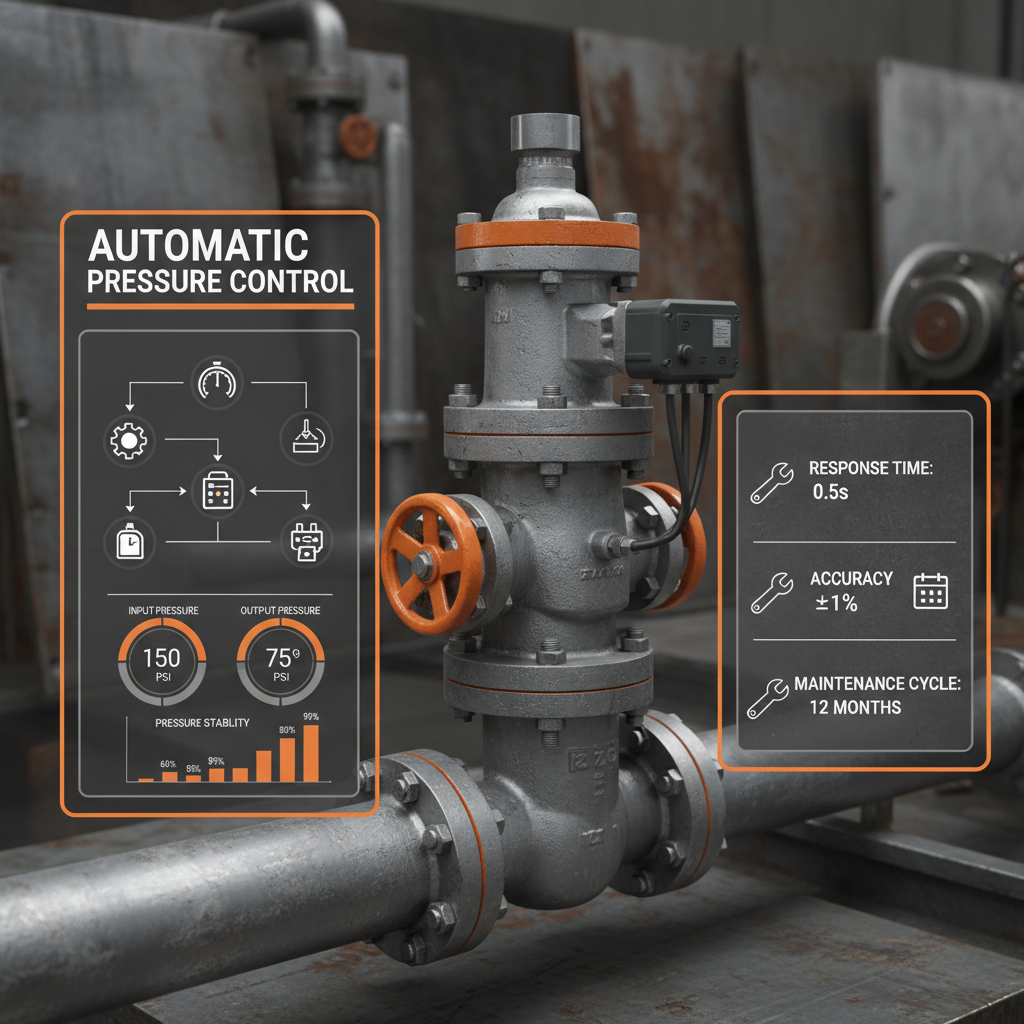
Automatic pressure control systems find applications across a diverse range of industries. In the chemical processing industry, they are crucial for maintaining reactor pressure and ensuring safe and efficient operation. In the oil and gas sector, they regulate pipeline pressure and prevent overpressure events. In power generation, they control steam pressure in boilers and turbines. Furthermore, they are widely used in water treatment plants, pneumatic systems, and hydraulic systems. The benefits extend to increased safety, reduced energy consumption, and improved product quality. Investing in reliable pressure control solutions is therefore crucial.
Selecting the Right Automatic Pressure Control System
Choosing the right automatic pressure control system requires careful consideration of several factors. First, accurately define your process requirements, including the desired pressure range, accuracy, and response time. Next, evaluate the type of fluid being controlled and its properties. Consider the environmental conditions, such as temperature and humidity. Finally, select a reputable supplier with a proven track record and excellent technical support. BJYWLX offers a comprehensive range of customized solutions tailored to meet your specific needs.
Conclusion: Ensuring Optimal Performance with Automatic Pressure Control
Investing in a robust automatic pressure control system is critical for optimizing processes, enhancing safety, and improving overall efficiency. By carefully selecting the right components and control strategy, you can ensure reliable and precise pressure regulation, leading to significant cost savings and improved product quality. Don't compromise on control – choose a system that delivers performance and peace of mind.
Frequently Asked Questions (FAQs)
What maintenance is required for an automatic pressure control system?
Regular maintenance is crucial for ensuring long-term reliability. This includes periodic calibration of pressure sensors, inspection of control valves for leaks or wear, and checking the controller's functionality. It's also important to clean or replace filters and verify the integrity of all connections. Following the manufacturer's recommended maintenance schedule is essential. Preventative maintenance can significantly reduce the risk of unexpected downtime and costly repairs. Contact our service team for assistance.
What are the benefits of using a PLC-based control system?
PLC-based control systems offer several advantages, including flexibility, reliability, and scalability. They can be easily programmed and reconfigured to adapt to changing process requirements. PLCs are also highly robust and can withstand harsh industrial environments. Their modular design allows for easy expansion and integration with other systems. Furthermore, PLCs provide advanced diagnostic capabilities, making it easier to troubleshoot and resolve issues.
How do I select the appropriate control valve for my application?
Selecting the right control valve involves considering several factors, including the fluid type, pressure range, flow rate, and temperature. You also need to determine the valve's actuation method (e.g., pneumatic, electric, hydraulic) and its materials of construction. Ensure the valve is compatible with the process fluid and can withstand the operating conditions. Consulting with a valve specialist can help you choose the optimal valve for your specific application.
-
Ship Multi-Project Equipment on the Lantern FestivalNewsMar.03,2026
-
YWLX Deep Dives into Cladding Line with Dubai ClientNewsDec.22,2025
-
1450mm 6-Hi Reversing Mill Goes Live in BangladeshNewsOct.28,2025
-
Sep. 3rd Parade: Carry Forward and Press OnNewsSep.03,2025
-
Indian Clients Visit YWLX to Inspect Skin-pass MillNewsJun.22,2025
-
Full- throttle! YWLX's Intense Production During May DayNewsMay.01,2025
-
YWLX Participated in the 2025 Chinese GAP Program Review ConferenceNewsApr.17,2025