Advantages of Temper Mill Process in Steel Refinement
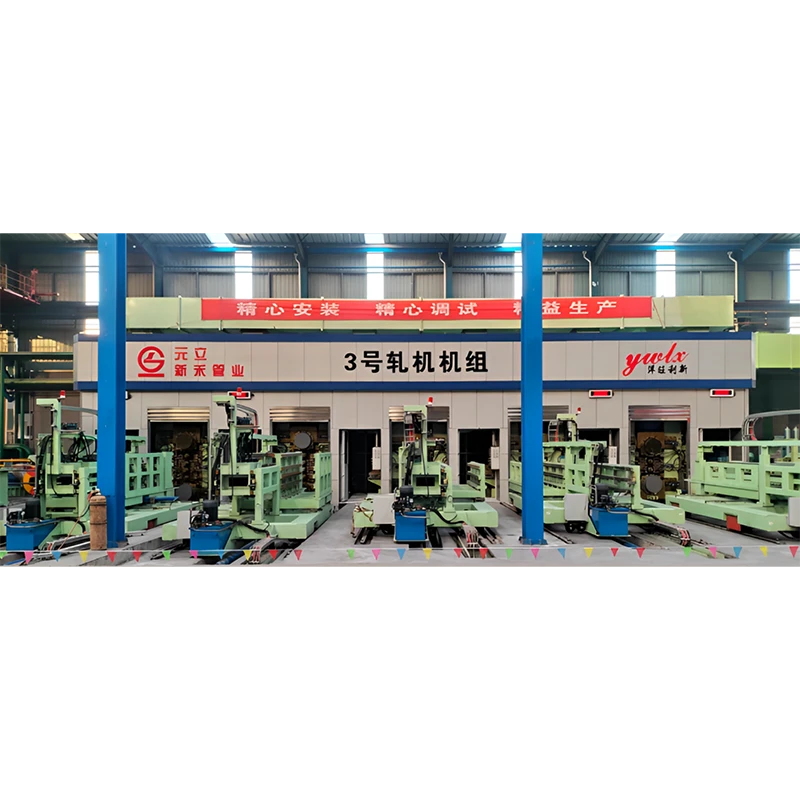
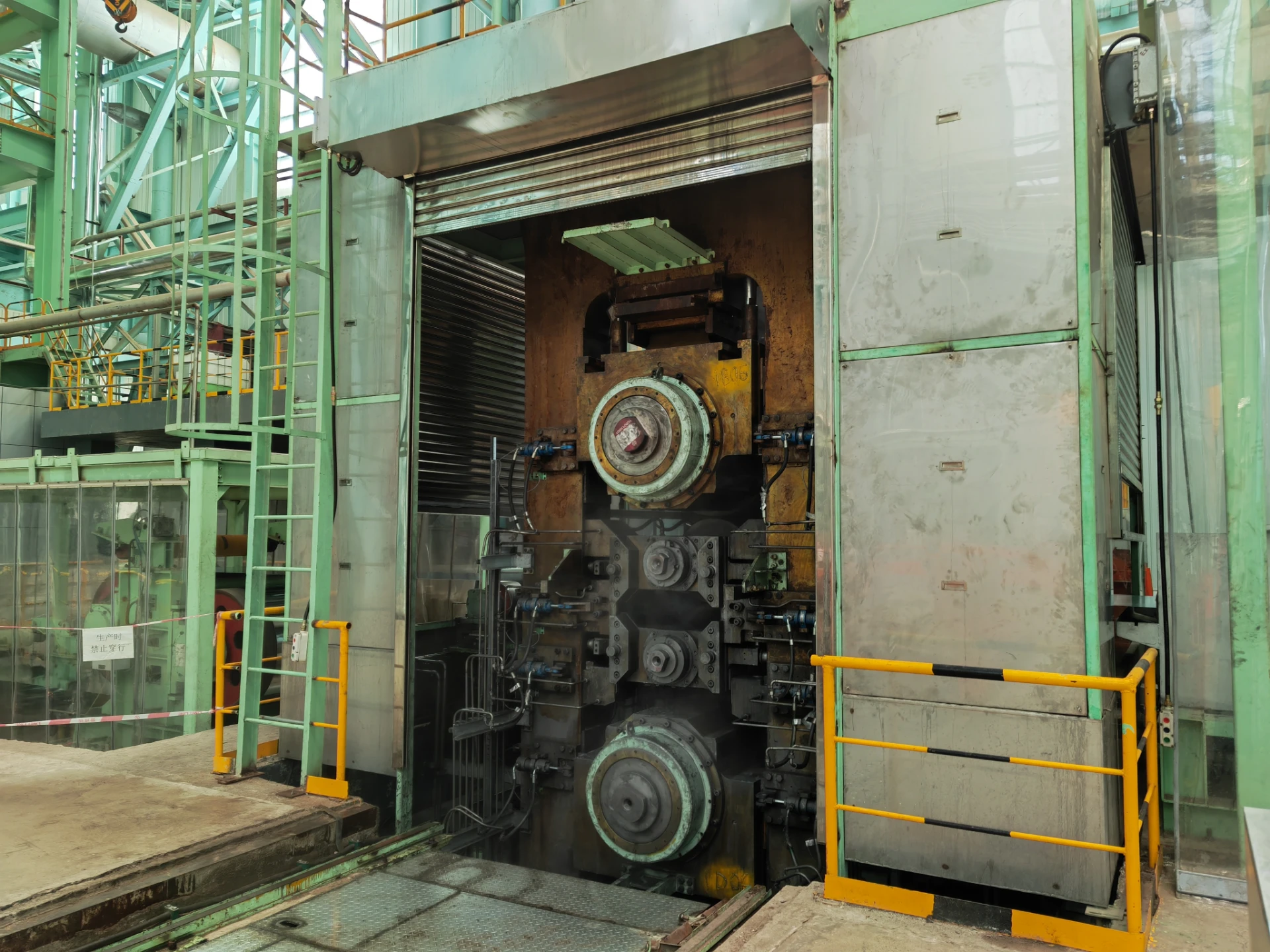
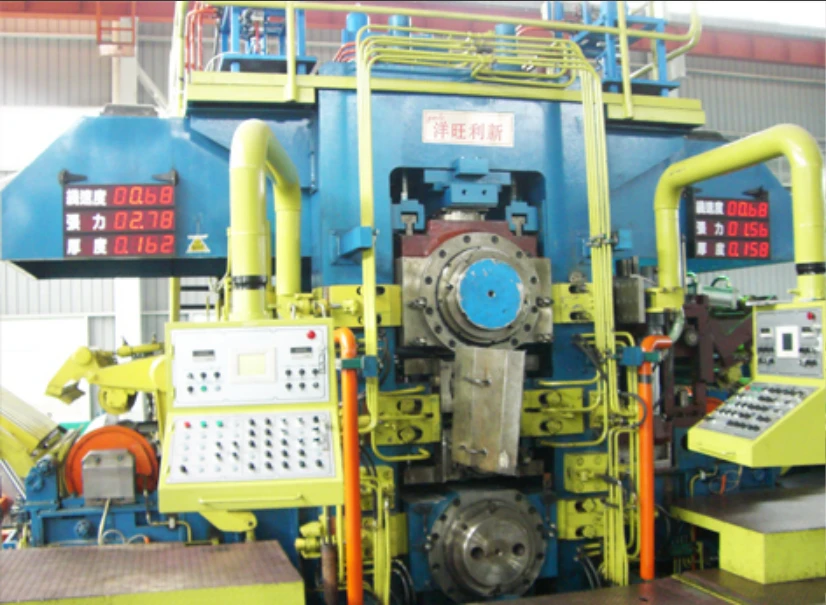
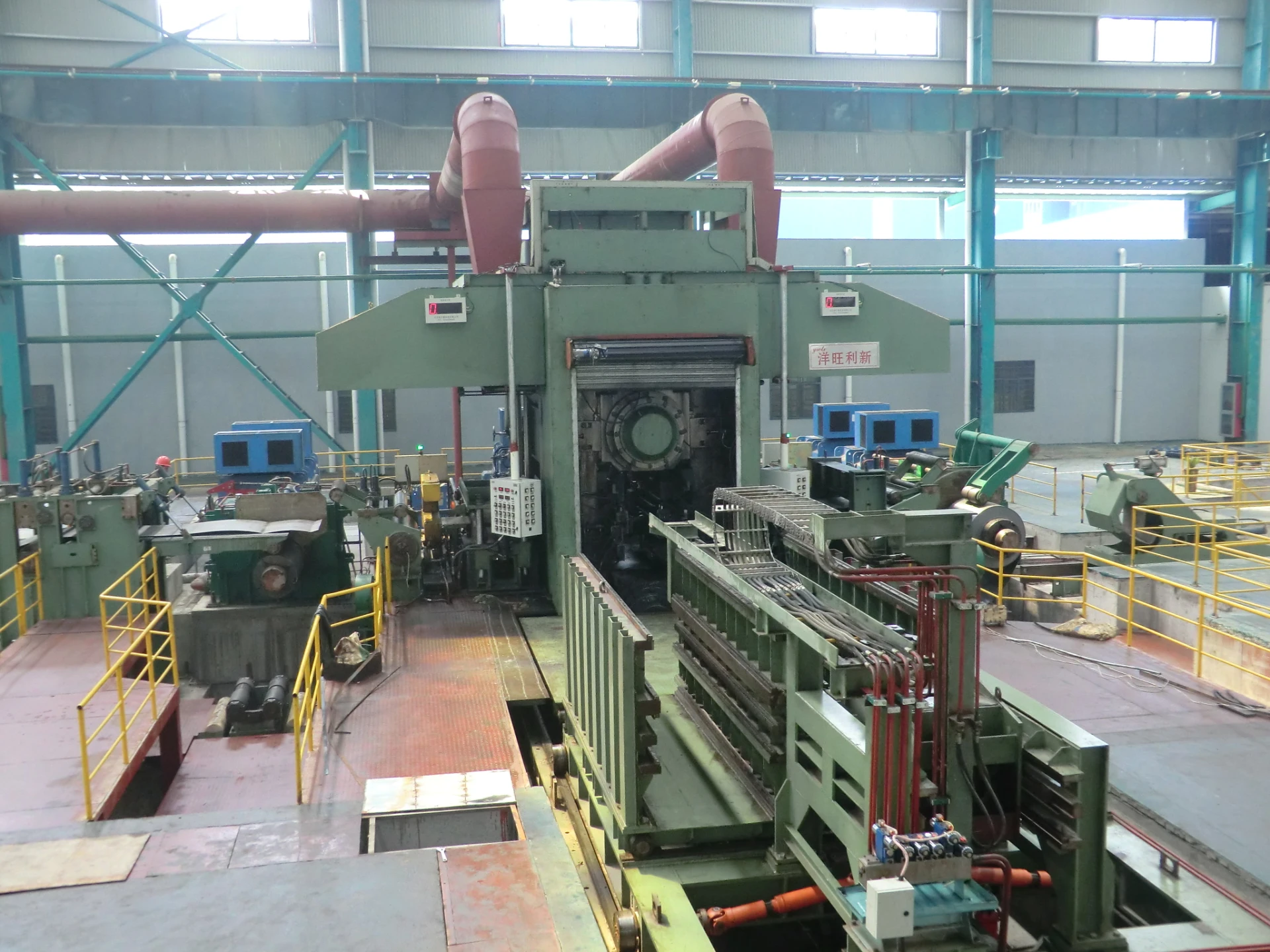
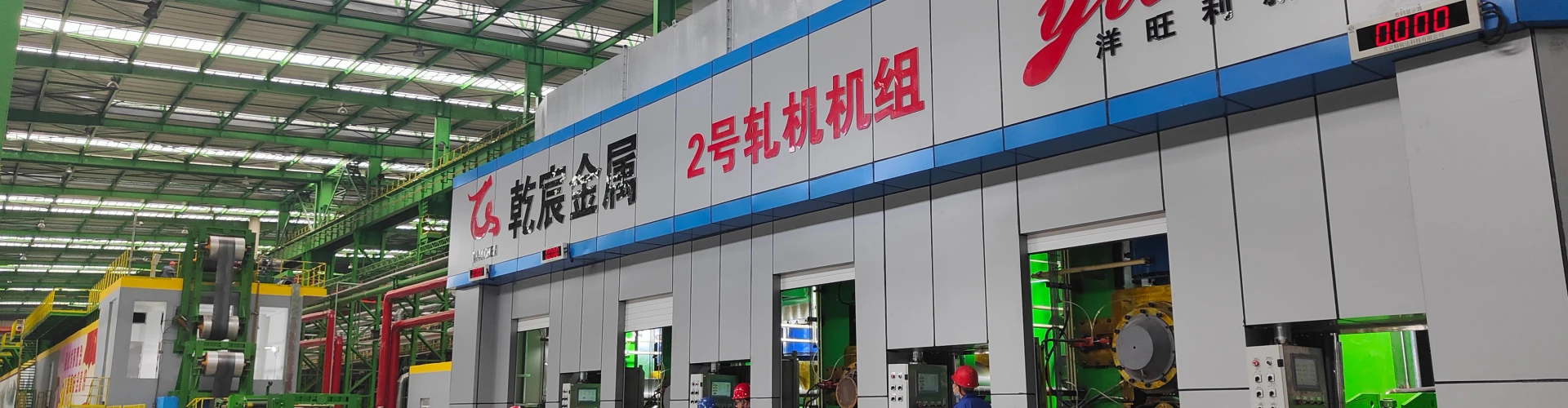
In the competitive landscape of steel processing, understanding the advantages of the temper mill process is key for wholesalers dealing with products like automobile steel, plates, strips, and coils. Yang Wang Li Xin (YWLX) is dedicated to providing top - notch temper mill solutions that leverage the remarkable benefits of this process.
Temper Mill Features Table
|
Aspect |
Details |
|
Control Systems |
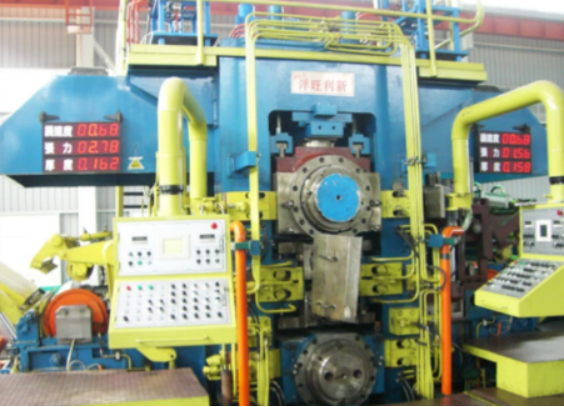
Automatic constant rolling force control (AFC), automatic constant elongation control (AEC), automatic position control (APC), automatic constant tension control (ATC) |
|
Automation Level |
Automatic threading, automatic coil unloading, centering position control, quick roll change device |
|
Electrical Control |
Full digital inverter speed control in driving system, Siemens' or ABB's speed control device, Siemens' or ABB's PLC control with touch screen for basic automation, servo control for bending roll system |
|
Data Management |
HMI used to collect, display, and store data |
|
Flatness Control |
Positive/negative bending system of work roll for flatness control |
|
Elongation Control |
Elongation control achieved through rolling force control |
|
Process Options |
Wet/dry rolling based on process requirements |
|
Auxiliary Systems |
Central circulating oil lubrication system, oil air lubrication system, roll coolant system (wet tempering), low pressure hydraulic station, high pressure servo station |
Temper Mill Process and Enhanced Steel Quality
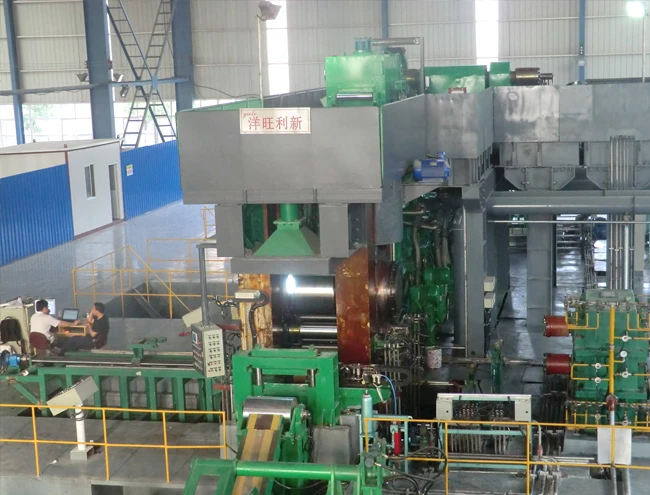
- The temper mill process significantly enhances the quality of temper mill steel. Through precise control systems such as automatic constant rolling force control (AFC) and automatic constant elongation control (AEC), the process ensures uniform deformation of the steel. This uniformity leads to a more consistent thickness across the steel sheets, strips, or coils, which is crucial for applications in the automobile industry where dimensional accuracy is of utmost importance. For instance, in the production of automotive body panels, the consistent thickness provided by the temper mill process ensures a perfect fit during assembly, reducing the need for costly adjustments and improving the overall quality of the vehicle.
- Additionally, the flatness control feature of the temper mill is a game - changer. Using the positive/negative bending system of the work roll, any minor surface irregularities or waviness in the steel can be corrected. This results in a smooth and flat surface finish, making the temper mill steel ideal for applications that require high - quality aesthetics, such as exterior automotive parts or decorative steel panels. The enhanced surface quality not only improves the visual appeal but also enhances the performance of the steel, as it reduces the risk of stress concentrations and potential failure points.
Temper Mill for Improved Production Efficiency
- Temper mill systems, with their high level of automation, greatly improve production efficiency. Features like automatic threading and automatic coil unloading eliminate time - consuming manual operations. In a high - volume steel production environment, these automated functions can significantly reduce the downtime between production cycles. For example, the automatic threading feature quickly and accurately guides the steel through the mill, minimizing the time spent on setting up the process. This allows for a continuous flow of production, increasing the overall output of temper mill steel and enabling wholesalers to meet tight delivery schedules for their customers.
- The quick roll change device in temper mill further boosts efficiency. When the rolls wear out or need to be changed for different production requirements, this device enables a rapid and seamless roll change. Instead of extended periods of downtime for roll replacement, the quick roll change feature ensures that the mill can resume operation in a short time. This not only increases the productivity of the mill but also reduces maintenance costs associated with prolonged downtime. YWLX's temper mill systems are designed with these efficiency - enhancing features, providing wholesalers with reliable and high - performing equipment.
Precision Control in the Temper Mill Process
- The advanced electrical control system in the temper mill process offers unparalleled precision. The driving control system utilizes full digital inverter speed control along with Siemens' or ABB's speed control devices, allowing for extremely accurate control of the rolling speed. This precise speed control is essential for achieving the desired mechanical properties in temper mill steel. For example, different steel grades may require specific rolling speeds to optimize their strength, ductility, and other characteristics. The ability to fine - tune the speed ensures that the steel is processed exactly as per the required specifications, resulting in high - quality end - products.
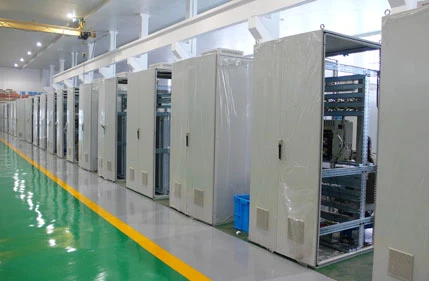
- The use of Siemens' or ABB's PLC control with a touch screen for basic automation, along with servo control for the bending roll system, further enhances the precision of the temper mill process. The PLC control system enables complex programming and monitoring of the entire process, ensuring that all parameters are maintained within the desired range. The servo - controlled bending roll system allows for highly accurate adjustments to control the flatness of the steel. This combination of technologies ensures that every aspect of the temper mill processis precisely controlled, leading to consistent and reliable production of high - quality temper mill steel.
Temper Mill Process FAQS
How does the temper mill process ensure the consistency of steel thickness?
The temper mill process ensures steel thickness consistency through its advanced control systems. Automatic constant rolling force control (AFC) and automatic constant elongation control (AEC) work in tandem to regulate the deformation of the steel during the rolling process. AFC maintains a consistent rolling force, which directly influences the thickness reduction of the steel. AEC, on the other hand, monitors and controls the elongation of the steel, ensuring that the thickness remains uniform across the length and width of the product. By precisely adjusting these parameters, the temper mill process can produce temper mill steel with highly consistent thickness, meeting the strict requirements of various industries.
What role does the HMI play in the temper mill?
The Human - Machine Interface (HMI) in the temper mill serves as a crucial interface for operators. It collects data from various sensors and components within the mill, such as rolling force, speed, temperature, and position. This data is then displayed in an easy - to - understand format on the HMI screen, allowing operators to monitor the real - time status of the temper mill process. The HMI also enables operators to input commands, adjust process parameters, and access historical data for analysis. Additionally, it stores the collected data, which can be used for process optimization, quality control, and maintenance planning. In summary, the HMI facilitates effective communication between the operator and the temper mill, ensuring smooth and efficient operation.
Can the temper mill handle different types of steel?
Yes, the temper mill is designed to handle different types of steel. Its versatile process options, such as wet and dry rolling, along with the ability to adjust process parameters like rolling speed, force, and tension, allow it to accommodate various steel grades and specifications. The advanced control systems can be programmed to meet the specific requirements of different steels, whether it's high - strength steel for automotive applications, stainless steel for decorative purposes, or carbon steel for general construction. YWLX's temper mill systems are engineered with the flexibility to process a wide range of steel types, making them a valuable asset for wholesalers looking to offer diverse temper mill steel products.
How often do the rolls in a temper mill need to be changed?
The frequency of roll changes in a temper mill depends on several factors, including the type of steel being processed, the production volume, and the quality of the rolls. Rolls can wear out over time due to the continuous contact with the steel during the rolling process. In general, if the production involves processing hard or abrasive steels, the rolls may need to be changed more frequently. Higher production volumes also increase the wear rate of the rolls. However, with YWLX's high - quality rolls and the quick roll change device in their temper mill systems, the impact of roll wear on production can be minimized. Regular inspection of the rolls' condition, such as checking for surface roughness, wear patterns, and dimensional changes, can help determine the optimal time for roll replacement to ensure consistent product quality and efficient operation of the temper mill.
What are the energy - saving features of the temper mill process?
The temper mill process incorporates several energy - saving features. The use of full digital inverter speed control in the driving system allows for precise control of the rolling speed, optimizing energy consumption based on the specific requirements of the steel being processed. Instead of operating at a constant high speed, the system can adjust the speed as needed, reducing unnecessary energy usage. Additionally, the advanced control systems, such as automatic constant rolling force control (AFC) and automatic constant elongation control (AEC), ensure efficient use of energy by minimizing wasteful processes. The well - designed auxiliary systems, like the lubrication and coolant systems, also contribute to energy savings by reducing friction and heat generation, which in turn reduces the energy required to operate the temper mill. These energy - saving features not only help reduce production costs but also make the temper mill process more environmentally friendly, making YWLX's temper mill solutions an attractive choice for wholesalers.
-
Ship Multi-Project Equipment on the Lantern FestivalNewsMar.03,2026
-
YWLX Deep Dives into Cladding Line with Dubai ClientNewsDec.22,2025
-
1450mm 6-Hi Reversing Mill Goes Live in BangladeshNewsOct.28,2025
-
Sep. 3rd Parade: Carry Forward and Press OnNewsSep.03,2025
-
Indian Clients Visit YWLX to Inspect Skin-pass MillNewsJun.22,2025
-
Full- throttle! YWLX's Intense Production During May DayNewsMay.01,2025
-
YWLX Participated in the 2025 Chinese GAP Program Review ConferenceNewsApr.17,2025