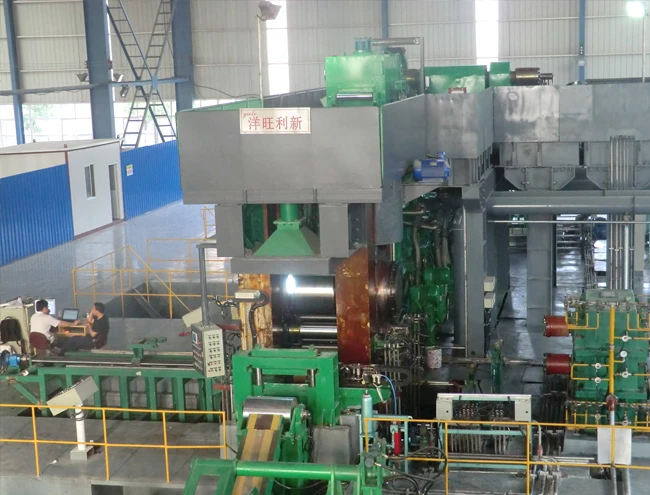
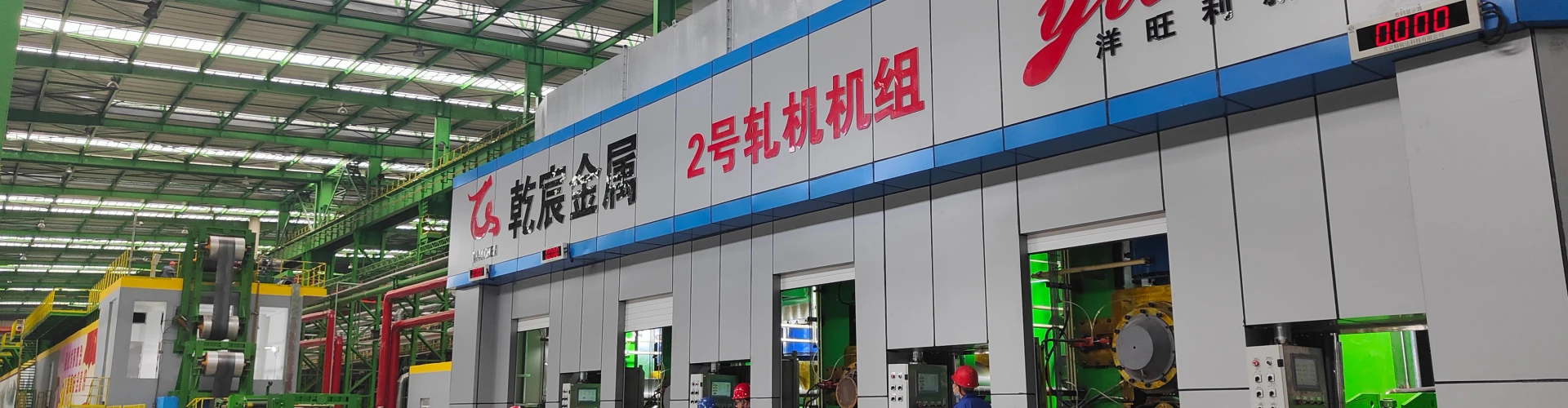
Roll Design Considerations for 4 Hi Reversible Cold Rolling Mill
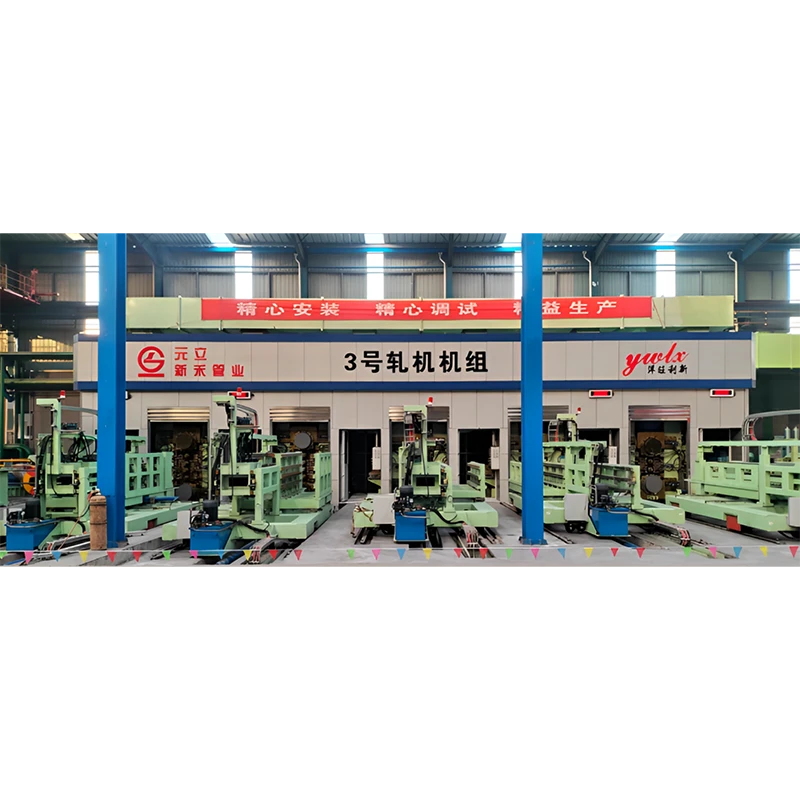
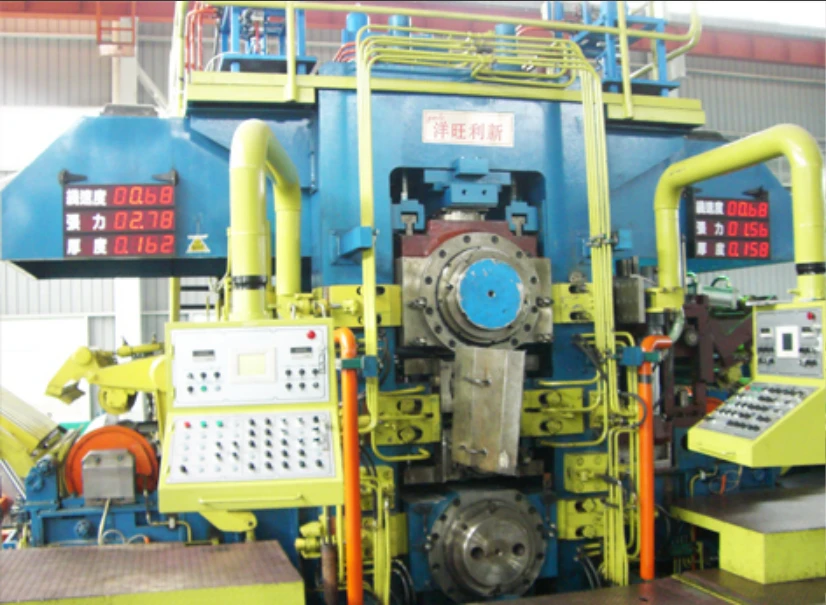
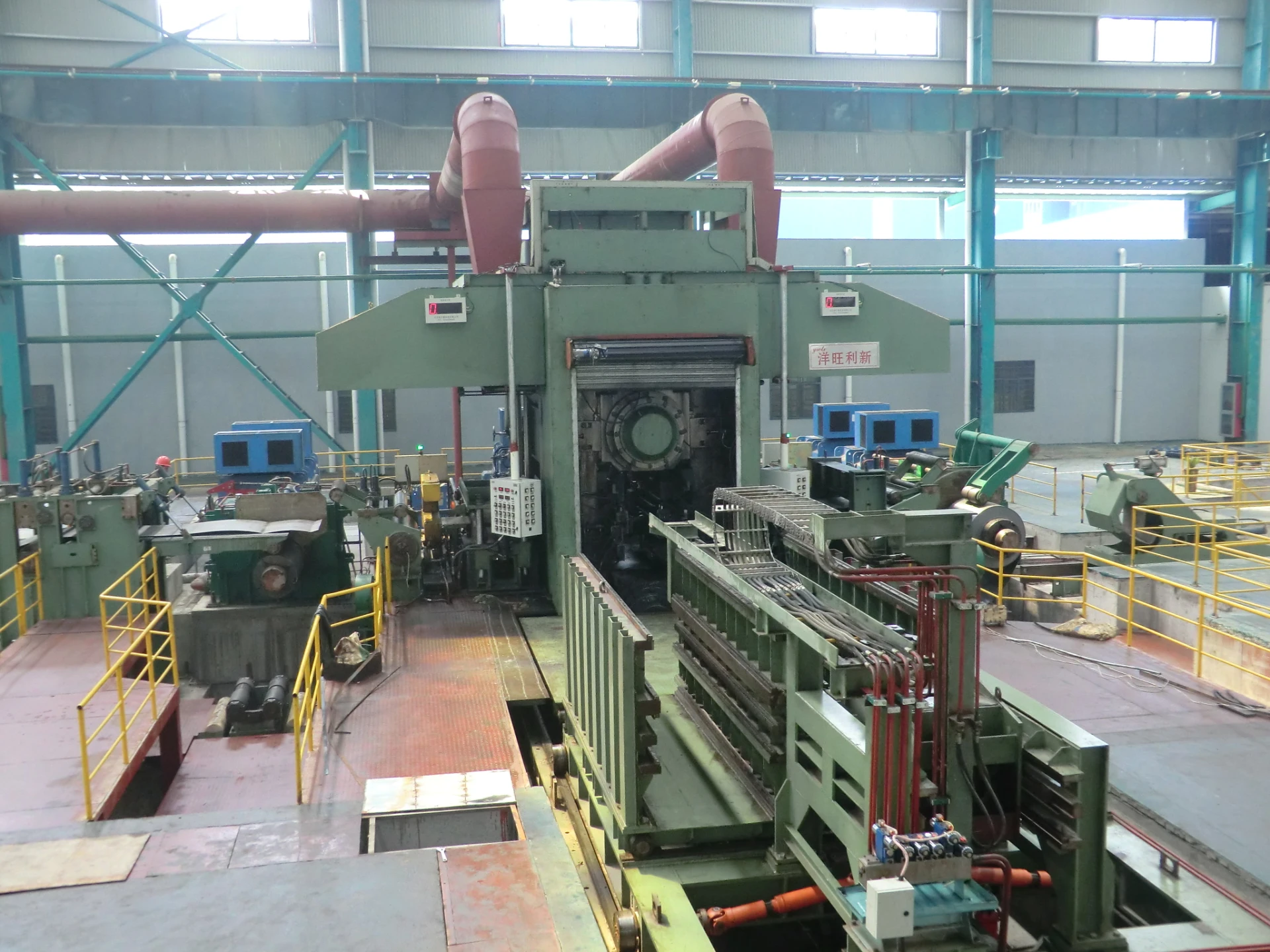
In the steel processing industry, especially for products like automobile steel, plates, strips, and coils, the design of rolls for 4hi reversible cold rolling mill and 6 hi reversing cold rolling mill is of paramount importance. Yang Wang Li Xin (YWLX), with its expertise and mature product lines, has been a significant contributor in this field.
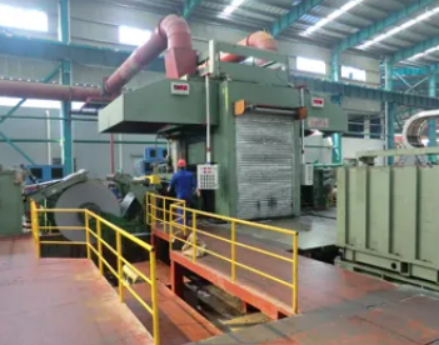
Roll Material Selection for 4hi Reversible Cold Rolling Mill
- The choice of material for rolls in a 4hi reversible cold rolling mill is a fundamental consideration. High - quality roll materials are essential to withstand the high pressures, frictions, and temperatures generated during the cold rolling process. For processing automobile steel, plates, strips, and coils, materials with excellent wear resistance are preferred. Alloyed cast iron is a commonly used material due to its high hardness and good resistance to abrasion. It can maintain its surface integrity over extended periods of use, reducing the frequency of roll replacement. This is crucial for maintaining continuous production and minimizing downtime, which directly impacts the productivity and profitability of steel manufacturing operations.
- Another important factor in material selection is the thermal conductivity of the roll material. During cold rolling, heat is generated due to the deformation of the steel and the friction between the rolls and the material. Materials with good thermal conductivity, such as certain types of forged steel, can effectively dissipate this heat. This helps prevent excessive temperature rise on the roll surface, which can lead to issues like thermal cracking and reduced roll life. YWLX takes these factors into account when manufacturing rolls for 4hi reversible cold rolling mills, ensuring that the materials used can perform reliably under the demanding conditions of steel processing.
Roll Dimensions and Geometry in 4hi Reversible Cold Rolling Mill
- The dimensions of the rolls in a 4hi reversible cold rolling mill play a critical role in the quality of the final steel product. The roll diameter affects the rolling force and the deformation of the steel. A larger roll diameter can distribute the rolling force more evenly, reducing the risk of uneven deformation and surface defects in the steel. However, it also increases the inertia of the rolls, which may impact the acceleration and deceleration during the rolling process. Therefore, a careful balance needs to be struck based on the specific requirements of the steel being processed, such as its thickness, width, and mechanical properties.
- The roll geometry, including the crown and the contour, is also carefully designed. The crown is the convexity of the roll surface along its length. A proper crown helps compensate for the deflection of the rolls under the rolling force, ensuring a uniform thickness of the steel strip across its width. The contour of the roll, on the other hand, is designed to control the edge quality of the steel. For example, a specially contoured roll can prevent edge cracking and improve the flatness of the edges, which is essential for applications like automotive body panels where precise edge dimensions are required. YWLX's expertise in roll design allows for the customization of roll dimensions and geometries to meet the specific needs of different steel products and manufacturing processes.
Roll Surface Quality for 4hi Reversible Cold Rolling Mill
- The surface quality of the rolls in a 4hi reversible cold rolling mill has a direct impact on the surface finish of the steel. A smooth and defect - free roll surface is necessary to produce steel with a high - quality surface. Any irregularities on the roll surface, such as scratches, pits, or roughness, can be transferred to the steel, resulting in surface defects. To achieve a high - quality surface, rolls undergo a series of precision machining and finishing processes. Grinding and polishing are common operations to obtain the desired surface roughness and smoothness. The surface roughness is carefully controlled according to the requirements of the final steel product. For example, steel used for decorative purposes may require an extremely smooth surface, while steel for structural applications may have slightly different surface roughness specifications.
- In addition to smoothness, the surface hardness of the rolls is also important. A harder roll surface can resist wear and deformation better, maintaining the surface quality over multiple rolling cycles. Surface treatments such as hardening and coating can be applied to enhance the surface hardness and improve the corrosion resistance of the rolls. YWLX utilizes advanced surface treatment technologies to ensure that the rolls for 4hi reversible cold rolling mills have excellent surface quality, enabling the production of high - grade steel products that meet the strict quality standards of the industry.
Roll Structure Design for 6 hi Reversing Cold Rolling Mill
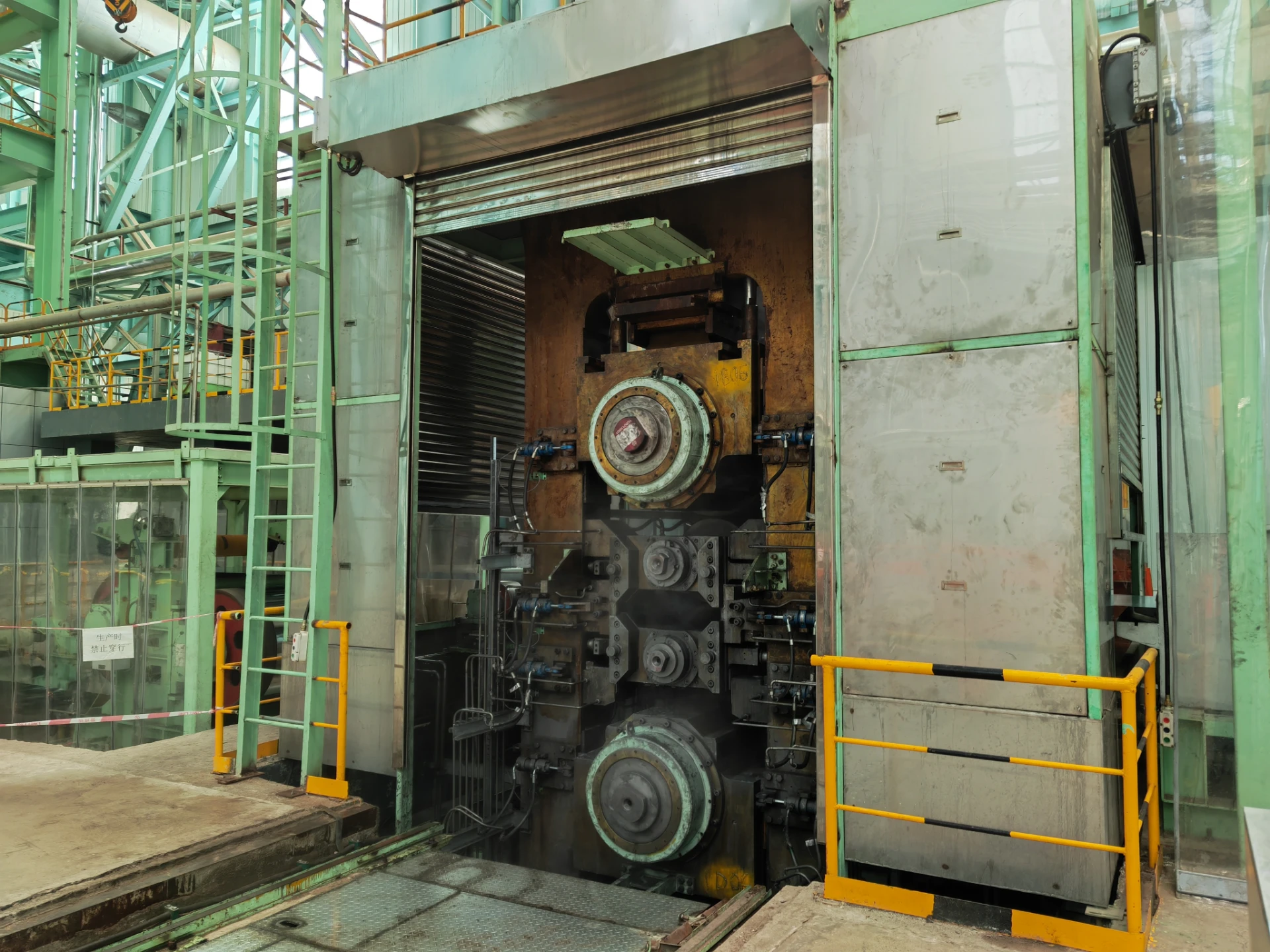
- The structure design of rolls for a 6 hi reversing cold rolling mill is more complex compared to some other types of mills due to its additional rolls and specific operational requirements. The arrangement and support of the rolls need to be carefully planned to ensure stability and precision during the rolling process. The backup rolls in a 6 - hi mill provide support to the work rolls, reducing their deflection under the high rolling forces. The design of the backup roll structure, including its diameter, length, and the way it is mounted, is crucial for evenly distributing the load and maintaining the alignment of the work rolls.
- The connection and interaction between different rolls in a 6 hi reversing cold rolling mill also need to be considered. The rolls need to work in harmony to achieve the desired reduction in thickness and the required mechanical properties of the steel. The design of the roll necks, bearings, and the drive system that connects the rolls is essential for smooth operation. YWLX's engineers have in - depth knowledge of the structural design requirements for 6 hi reversing cold rolling mills. Their designs ensure that the rolls can withstand the complex mechanical loads and stresses during operation, while also facilitating easy maintenance and roll changes when necessary.
4hi Reversible Cold Rolling Mill Roll Design FAQS
How does roll material affect the performance of a 4hi reversible cold rolling mill?
The roll material significantly impacts the performance of a 4hi reversible cold rolling mill. As mentioned, materials with high wear resistance, like alloyed cast iron, can extend the roll life, reducing the frequency of replacements and minimizing downtime. Materials with good thermal conductivity, such as forged steel, help dissipate heat generated during rolling, preventing thermal - related issues that could affect the quality of the rolled steel and the roll itself. Different materials also have varying mechanical properties, which can influence the rolling force, the deformation of the steel, and the overall efficiency of the mill. Choosing the right roll material based on the specific steel - processing requirements is essential for optimal mill performance.
What is the significance of roll crown in 4hi reversible cold rolling mill design?
The roll crown in 4hi reversible cold rolling mill design is crucial for ensuring uniform thickness of the steel strip across its width. During the rolling process, the rolls deflect under the high rolling forces. A properly designed roll crown compensates for this deflection. It ensures that the middle part of the roll, which experiences more deflection, still applies the appropriate amount of pressure to the steel, resulting in a consistent thickness from the center to the edges of the strip. Without a proper crown, the steel strip may be thicker in the middle and thinner at the edges, which is unacceptable for many applications, especially in the automotive and construction industries where precise dimensional accuracy is required.
How often do rolls in a 6 hi reversing cold rolling mill need to be replaced?
The frequency of roll replacement in a 6 hi reversing cold rolling mill depends on several factors. The type of steel being processed is a major determinant. Harder or more abrasive steels, such as some high - strength steels or stainless steels, will cause faster wear on the rolls. The production volume also plays a role; higher volumes mean more contact between the rolls and the steel, accelerating wear. Additionally, the quality of the roll material and the effectiveness of the maintenance practices can impact roll life. YWLX provides guidelines on roll inspection and maintenance, and with proper care, the rolls can last longer. Regular inspection for wear, surface damage, and dimensional changes can help determine the optimal time for roll replacement to maintain the quality of the rolled steel and the efficiency of the mill.
Can the roll design of a 4hi reversible cold rolling mill be customized?
Yes, the roll design of a 4hi reversible cold rolling mill can be customized. YWLX understands that different customers have specific requirements for the steel products they produce. Customization can involve aspects such as roll material selection, dimensions, geometry, surface quality, and structure design. For example, if a customer needs to roll a particular type of high - precision steel strip for automotive applications, YWLX can design rolls with specific crowns, contours, and surface finishes to meet the strict quality standards. The company's engineering team works closely with customers to understand their needs and develop customized roll designs that optimize the performance of the 4hi reversible cold rolling mill for their specific production processes.
What are the key differences in roll design between a 4hi reversible cold rolling mill and a 6 hi reversing cold rolling mill?
The key differences in roll design between a 4hi reversible cold rolling mill and a 6 hi reversing cold rolling mill mainly lie in the structure and the way the rolls interact. A 6 hi reversing cold rolling mill has an additional set of rolls, which changes the load - bearing and force - distribution mechanisms. The backup roll structure in a 6 - hi mill is designed to support the extra work rolls more effectively, reducing deflection. The roll arrangement and the connection between the rolls are also more complex in a 6 - hi mill to ensure smooth operation and precise control over the rolling process. In contrast, a 4hi reversible cold rolling mill has a relatively simpler roll configuration, but still requires careful design of roll dimensions, geometry, and material to achieve high - quality steel rolling. Each mill type has its own design considerations based on its specific operational requirements and the types of steel it processes.
-
Ship Multi-Project Equipment on the Lantern FestivalNewsMar.03,2026
-
YWLX Deep Dives into Cladding Line with Dubai ClientNewsDec.22,2025
-
1450mm 6-Hi Reversing Mill Goes Live in BangladeshNewsOct.28,2025
-
Sep. 3rd Parade: Carry Forward and Press OnNewsSep.03,2025
-
Indian Clients Visit YWLX to Inspect Skin-pass MillNewsJun.22,2025
-
Full- throttle! YWLX's Intense Production During May DayNewsMay.01,2025
-
YWLX Participated in the 2025 Chinese GAP Program Review ConferenceNewsApr.17,2025