Working Principles of Skin Pass Mill
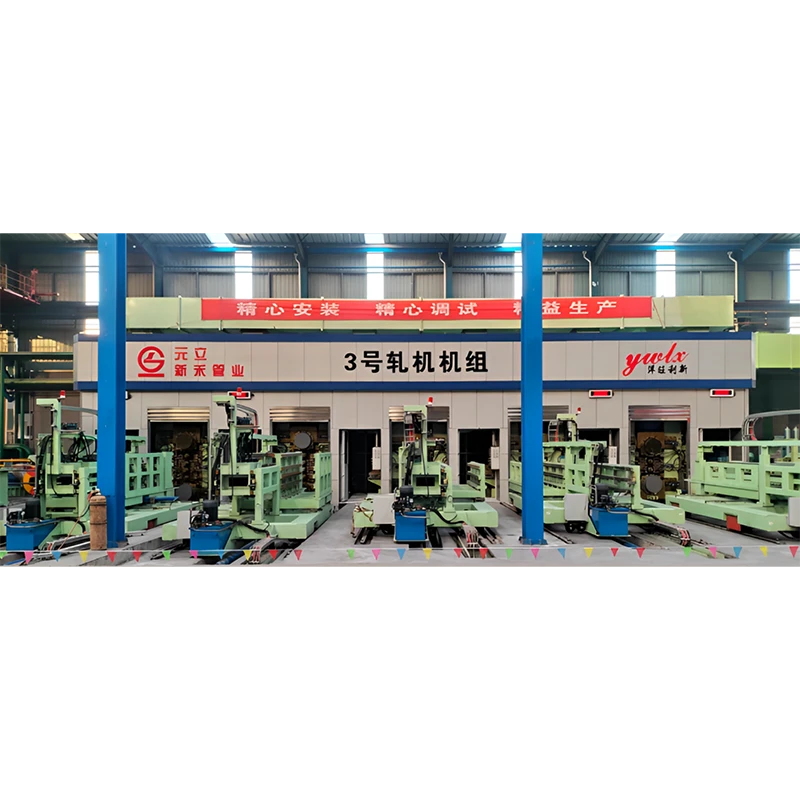
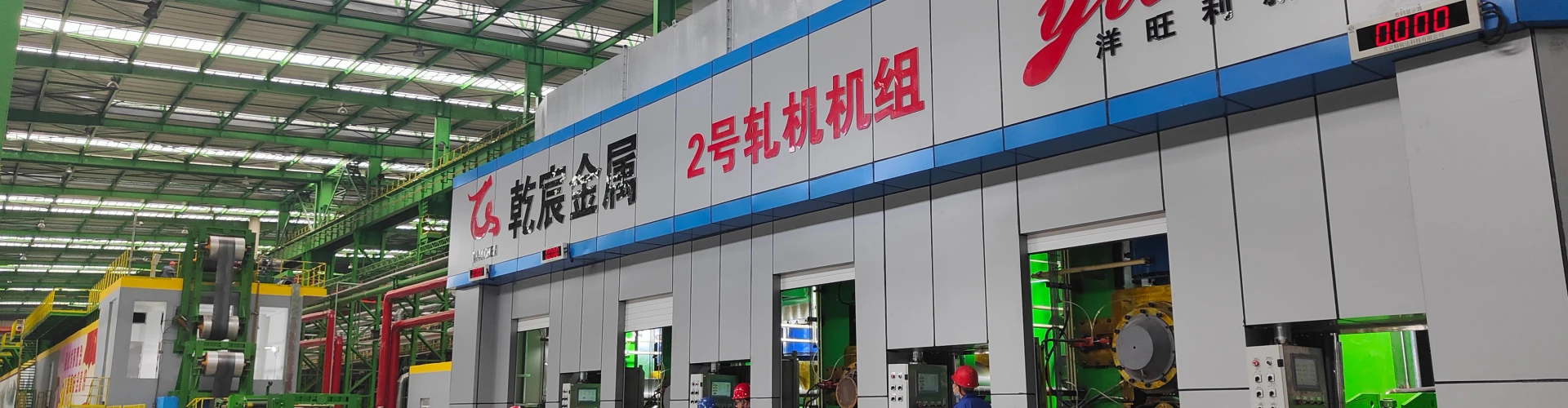
In the realm of steel processing, understanding the working principles of skin pass mill is crucial for wholesalers dealing with products such as automobile steel, plates, strips, and coils. Yang Wang Li Xin (YWLX) is at the forefront of providing high - quality equipment and solutions related to skin pass mill. These mills play a vital role in the galvanizing line, and a comprehensive grasp of their functionality helps wholesalers better serve their customers and make informed decisions.
Functions of Skin Pass Mill in Galvanizing Line Table
|
Function |
Details |
|
Surface Roughness Creation |
Creates the surface roughness of galvanized sheet as per requirements, enhancing the quality of the subsequent color coating process |
|
Flatness Improvement |
Improves the flatness of the galvanized sheet, ensuring better dimensional accuracy and appearance |
|
Mechanical Property Enhancement |
Boosts the mechanical properties of the galvanized sheet, reducing or eliminating yield plateau and stretcher strains |
Overall Working Principle of Skin Pass Mill
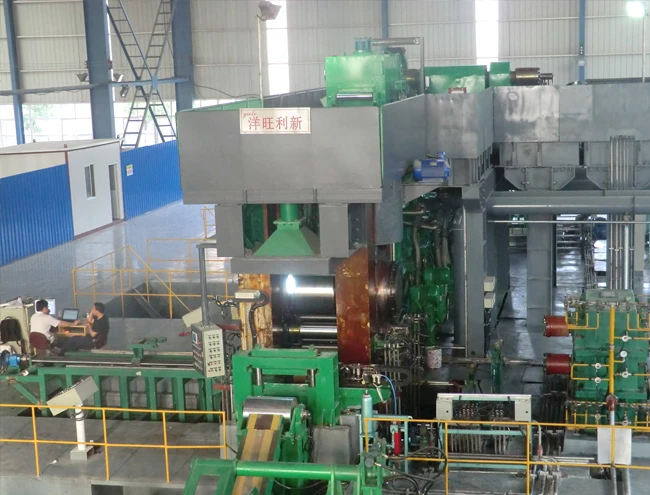
- Skin pass mill operates on the principle of cold rolling with a very small reduction in thickness. When the galvanized sheet passes through the skin pass mill, the rolls apply pressure to the sheet. This pressure causes a slight deformation on the surface of the sheet, which is key to achieving its multiple functions. The rolls are precisely designed and manufactured to ensure uniform pressure distribution across the width and length of the sheet. As the sheet is fed into the mill, the rolls grip it and pull it through the nip (the gap between the rolls). This mechanical action of rolling not only changes the surface texture but also affects the internal structure of the sheet at a microscopic level.
- The deformation caused by the skin pass mill activates the work - hardening process in the steel. Work - hardening increases the strength and hardness of the sheet by rearranging the crystal structure of the steel. This process is essential for improving the mechanical properties of the galvanized sheet. At the same time, the small - scale deformation helps in breaking up the initial texture of the sheet, which in turn reduces or eliminates issues like yield plateau and stretcher strains. Yield plateau can cause uneven deformation during further processing, while stretcher strains lead to visible surface defects. By addressing these problems, skin pass mill ensures that the galvanized sheet is more suitable for downstream applications in the automotive and other industries.
4 Hi Skin Pass Mill Features and Working
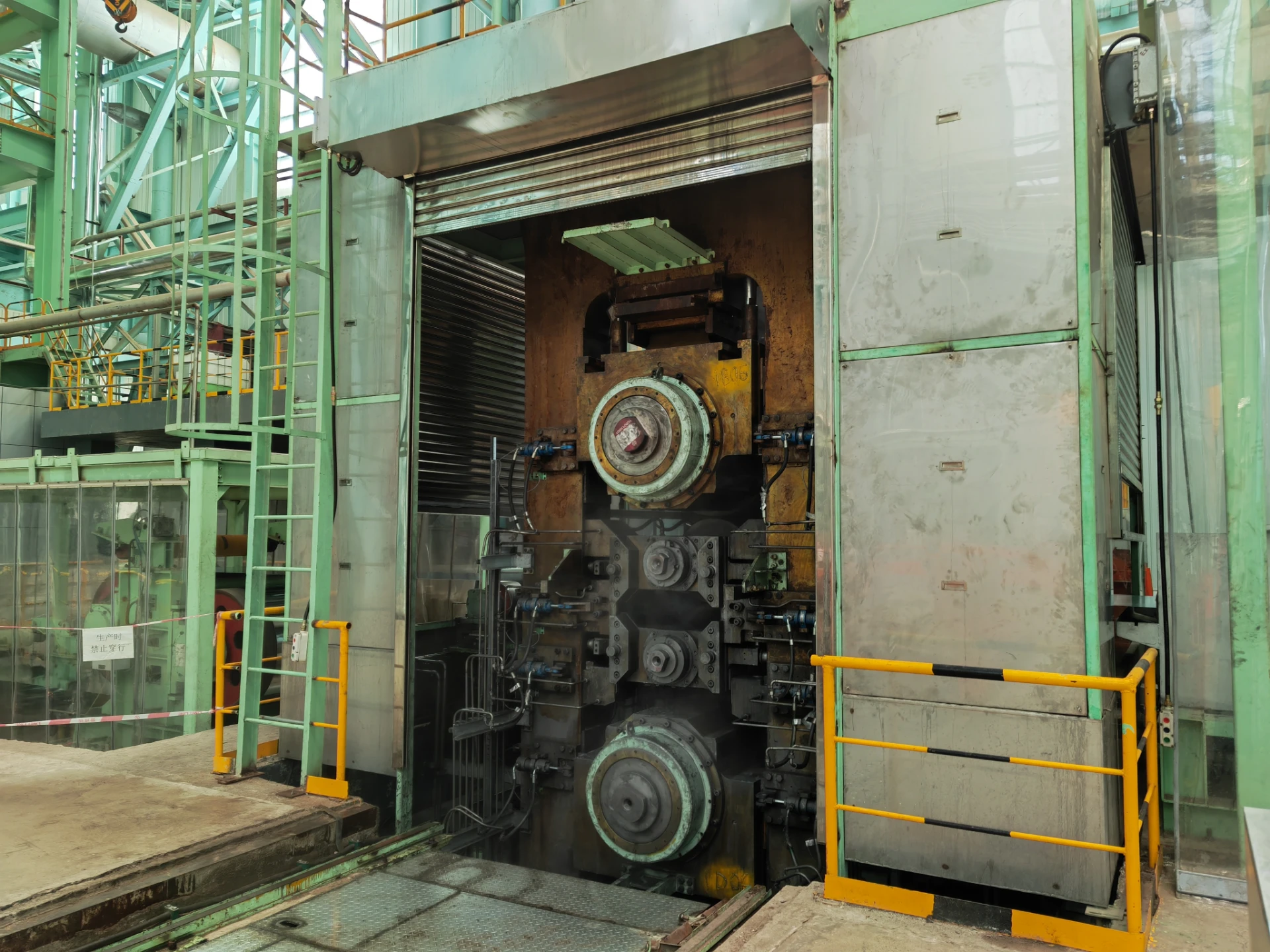
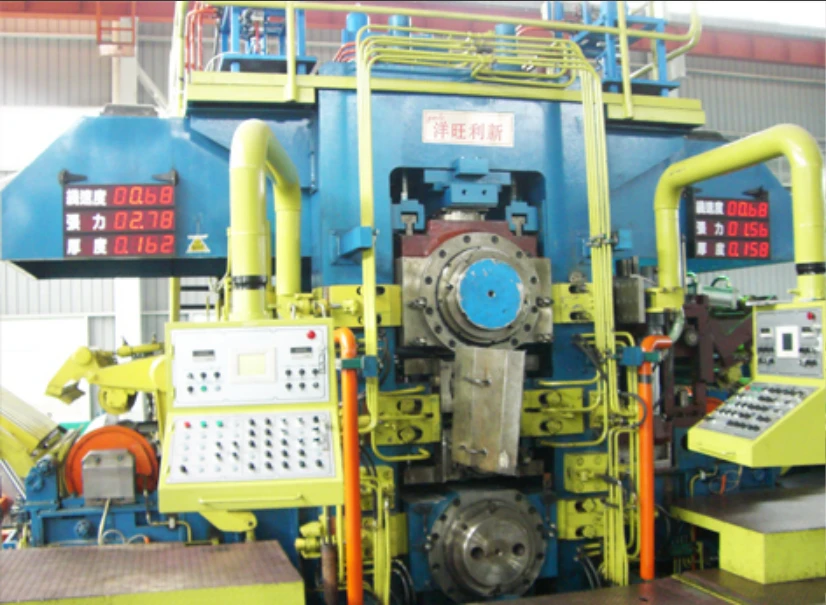
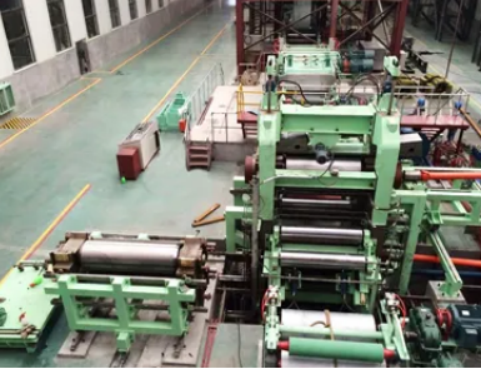
- The 4 hi skin pass mill, a specialized type of skin pass mill, gets its name from the four - roll configuration. It consists of two backup rolls and two work rolls. The backup rolls are larger in diameter and provide support to the work rolls, which come into direct contact with the galvanized sheet. This design offers several advantages. The backup rolls help to distribute the rolling force more evenly, reducing the deflection of the work rolls. As a result, the 4 hi skin pass mill can achieve higher rolling accuracy and better control over the surface finish of the sheet.
- During operation, the work rolls in a 4 hi skin pass mill can be adjusted in terms of their position and pressure. This adjustability allows for fine - tuning to meet different production requirements. For example, when processing sheets for high - end automotive applications that demand a specific surface roughness and flatness, the operator can precisely set the roll gap and pressure. The 4 hi skin pass mill can handle a wide range of sheet thicknesses and widths, making it a versatile choice in the steel processing industry. YWLX's 4 hi skin pass mills are engineered with advanced control systems that ensure consistent performance and reliable operation, enabling wholesalers to offer products that meet strict quality standards.
Hot Skin Pass Mill Operation and Advantages
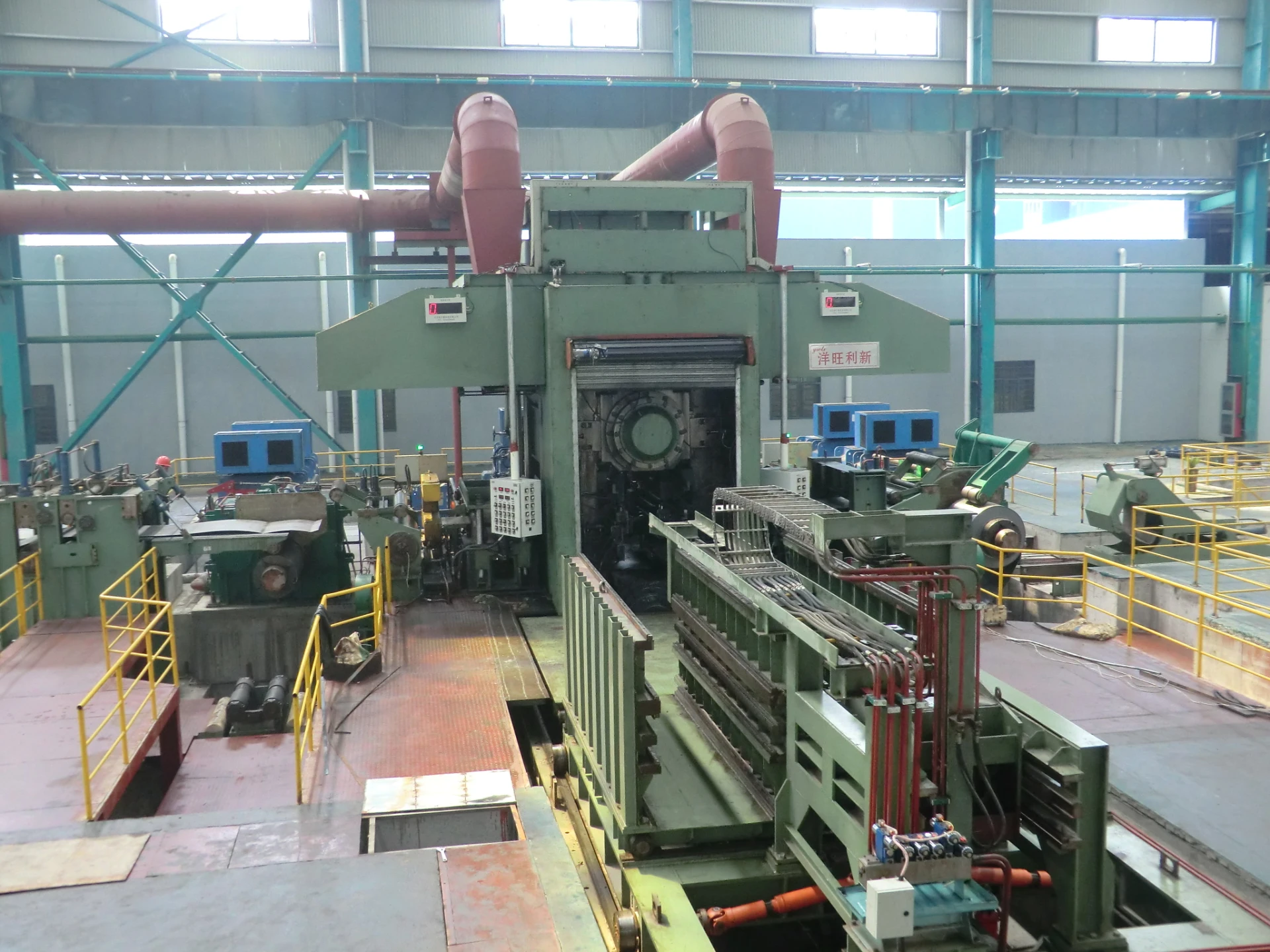
- Hot skin pass mill operates at elevated temperatures, which differentiates it from other types of skin pass mill. Working with hot - rolled galvanized sheets, the hot skin pass mill takes advantage of the residual heat in the sheet. This hot - working condition has several benefits. The reduced yield strength of the hot sheet allows for easier deformation, requiring less rolling force compared to cold - working. This, in turn, reduces the energy consumption of the mill.
- The hot skin pass mill can also improve the surface quality of the sheet more effectively in some cases. The heat helps to smooth out any minor surface irregularities and promotes better bonding between the zinc coating and the steel substrate. Additionally, the hot - working process can enhance the mechanical properties of the sheet in a unique way. It can refine the grain structure of the steel, leading to improved strength, ductility, and formability. YWLX's hot skin pass mills are designed with high - temperature - resistant materials and advanced cooling systems to ensure stable operation and long service life, making them a preferred option for wholesalers looking to supply high - quality hot - rolled galvanized products.
Skin Pass Mill FAQS
How does skin pass mill create surface roughness?
Skin pass mill creates surface roughness by applying a small amount of deformation to the galvanized sheet. As the sheet passes through the rolls of the skin pass mill, the mechanical pressure causes micro - scale changes on the surface. The design and surface texture of the rolls themselves also contribute to the creation of the desired roughness pattern. The specific roughness value can be adjusted by modifying parameters such as the roll surface finish, roll gap, and rolling force. This surface roughness is beneficial for subsequent processes like color coating, as it provides better adhesion for the coating materials.
What are the differences between 4 hi skin pass mill and other types?
The main difference of 4 hi skin pass mill lies in its four - roll configuration with two backup rolls and two work rolls. This design offers better support to the work rolls, resulting in more even force distribution and higher rolling accuracy. Compared to mills with fewer rolls, the 4 hi skin pass mill can handle heavier loads and achieve a more precise surface finish. It is also more versatile in terms of adjusting the roll gap and pressure, making it suitable for a wide range of sheet thicknesses and processing requirements. YWLX's 4 hi skin pass mills are further enhanced with advanced control systems for even better performance and flexibility.
Can hot skin pass mill be used for all types of galvanized sheets?
Hot skin pass mill is primarily designed for use with hot - rolled galvanized sheets. While it offers certain advantages such as reduced energy consumption and improved surface quality in hot - working conditions, it may not be suitable for all types of galvanized sheets. Cold - rolled galvanized sheets, for example, are better processed using cold - working skin pass mills as they require different rolling forces and process parameters. The choice of using a hot skin pass mill depends on the specific characteristics of the sheet, the production requirements, and the downstream applications. Wholesalers should consult with YWLX's experts to determine the most appropriate type of skin pass mill for their products.
How often should skin pass mill be maintained?
The maintenance frequency of skin pass mill depends on various factors, including the operating conditions, production volume, and the quality of the mill itself. Generally, daily visual inspections are recommended to check for any obvious signs of damage or wear. Lubrication of the moving parts should be carried out according to the manufacturer's guidelines, which is often on a weekly or monthly basis. More comprehensive maintenance, such as roll inspection and replacement, may be required every few months to a year, depending on the usage. YWLX provides detailed maintenance schedules and guidelines for its skin pass mills to help wholesalers keep their equipment in optimal condition.
What happens if the process parameters of skin pass mill are not set correctly?
If the process parameters of skin pass mill are not set correctly, it can lead to a variety of problems. Incorrect roll gap settings can result in uneven sheet thickness, poor flatness, or excessive deformation, affecting the quality of the final product. Improper rolling speed can cause vibrations, which may damage the rolls and the sheet surface. Wrong pressure settings can lead to insufficient work - hardening, failing to improve the mechanical properties of the sheet as required, or even causing excessive wear on the rolls. In severe cases, incorrect parameter settings can lead to production downtime and costly rework or scrap. Therefore, it is essential to ensure accurate setting and continuous monitoring of the process parameters for the proper operation of skin pass mill.
-
Ship Multi-Project Equipment on the Lantern FestivalNewsMar.03,2026
-
YWLX Deep Dives into Cladding Line with Dubai ClientNewsDec.22,2025
-
1450mm 6-Hi Reversing Mill Goes Live in BangladeshNewsOct.28,2025
-
Sep. 3rd Parade: Carry Forward and Press OnNewsSep.03,2025
-
Indian Clients Visit YWLX to Inspect Skin-pass MillNewsJun.22,2025
-
Full- throttle! YWLX's Intense Production During May DayNewsMay.01,2025
-
YWLX Participated in the 2025 Chinese GAP Program Review ConferenceNewsApr.17,2025