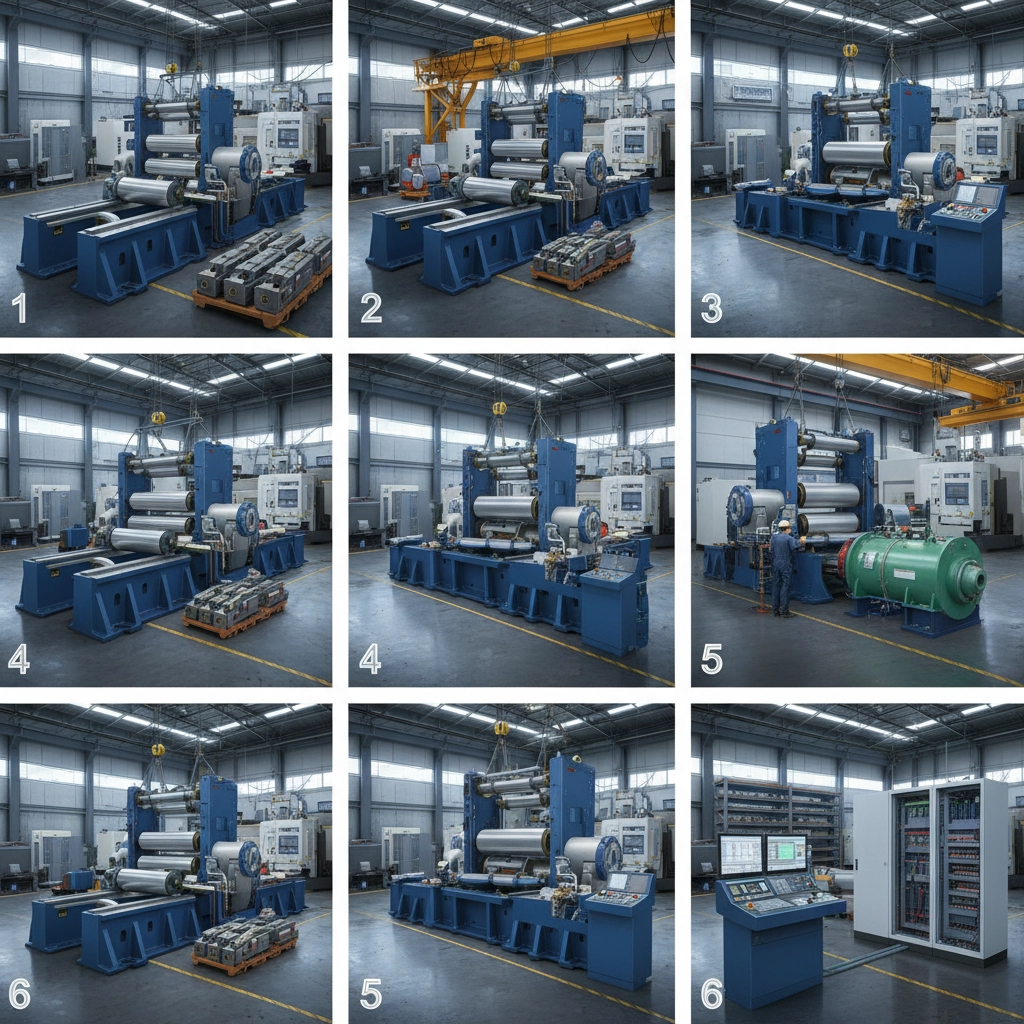
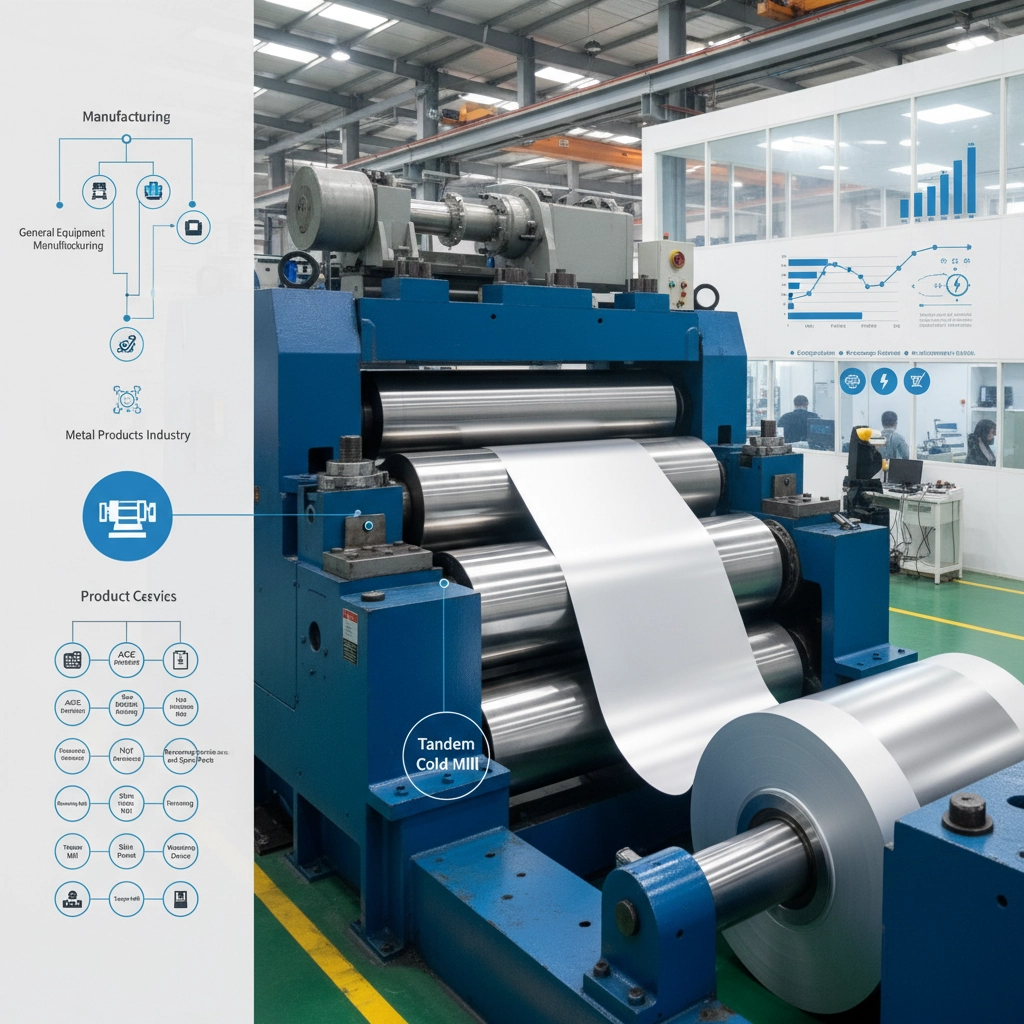
The global demand for high-precision lightweight materials has pushed the evolution of the aluminium rolling machine to the forefront of modern metallurgy. These sophisticated systems are not merely industrial tools but the backbone of sectors ranging from aerospace and automotive to sustainable packaging, ensuring that aluminium alloys achieve the exact gauge and mechanical properties required for high-performance applications.
Understanding the mechanics of an aluminium rolling machine is essential for manufacturers aiming to optimize production yields and reduce material waste. By leveraging advanced control systems and precise roll gap management, these machines transform heavy slabs into thin, versatile foils or structural sheets, balancing the delicate trade-off between throughput speed and surface quality.
In an era defined by the transition to green energy, the efficiency of an aluminium rolling machine plays a critical role in reducing the carbon footprint of the metalworking industry. Through the integration of energy-efficient motors and automated lubrication systems, today's rolling mills provide a sustainable pathway to producing the materials that power electric vehicles and solar panel frames.
Global Industry Context of Aluminium Rolling
The aluminium industry has witnessed exponential growth, with global production capacities increasing to meet the needs of a decarbonizing economy. An advanced aluminium rolling machine is no longer just about pressure; it is about the precise control of material flow to meet ISO quality standards. As industries shift toward "lightweighting," the pressure on rolling mills to produce thinner, stronger sheets has never been higher.
Statistically, the shift toward electric vehicles (EVs) has created a surge in demand for specific aluminium alloys that require specialized rolling parameters. Traditional mills often struggle with the higher strength of these new alloys, leading to roll deflection and gauge variation. This industrial bottleneck has catalyzed the development of more rigid, high-torque rolling systems capable of maintaining micron-level tolerances.
Definition and Technical Meaning of Rolling Systems
In simple technical terms, an aluminium rolling machine is a heavy-duty industrial system designed to reduce the thickness of an aluminium slab or coil through the application of compressive forces. By passing the metal between two rotating rolls, the machine permanently plastically deforms the material, extending its length and width while decreasing its height to achieve a desired final gauge.
Beyond the basic mechanical action, these systems integrate thermodynamics and material science. Depending on the required properties, the process may occur at high temperatures (Hot Rolling) to increase ductility or at room temperature (Cold Rolling) to improve surface finish and yield strength. This versatility makes the rolling machine an indispensable asset in the value chain of aluminium production.
From a humanitarian and environmental perspective, the ability to produce ultra-thin aluminium foils via an aluminium rolling machine is critical for food preservation and pharmaceutical packaging. By extending the shelf life of essential goods and medicines, the precision of rolling technology directly contributes to global food security and healthcare accessibility.
Core Components for Maximum Precision
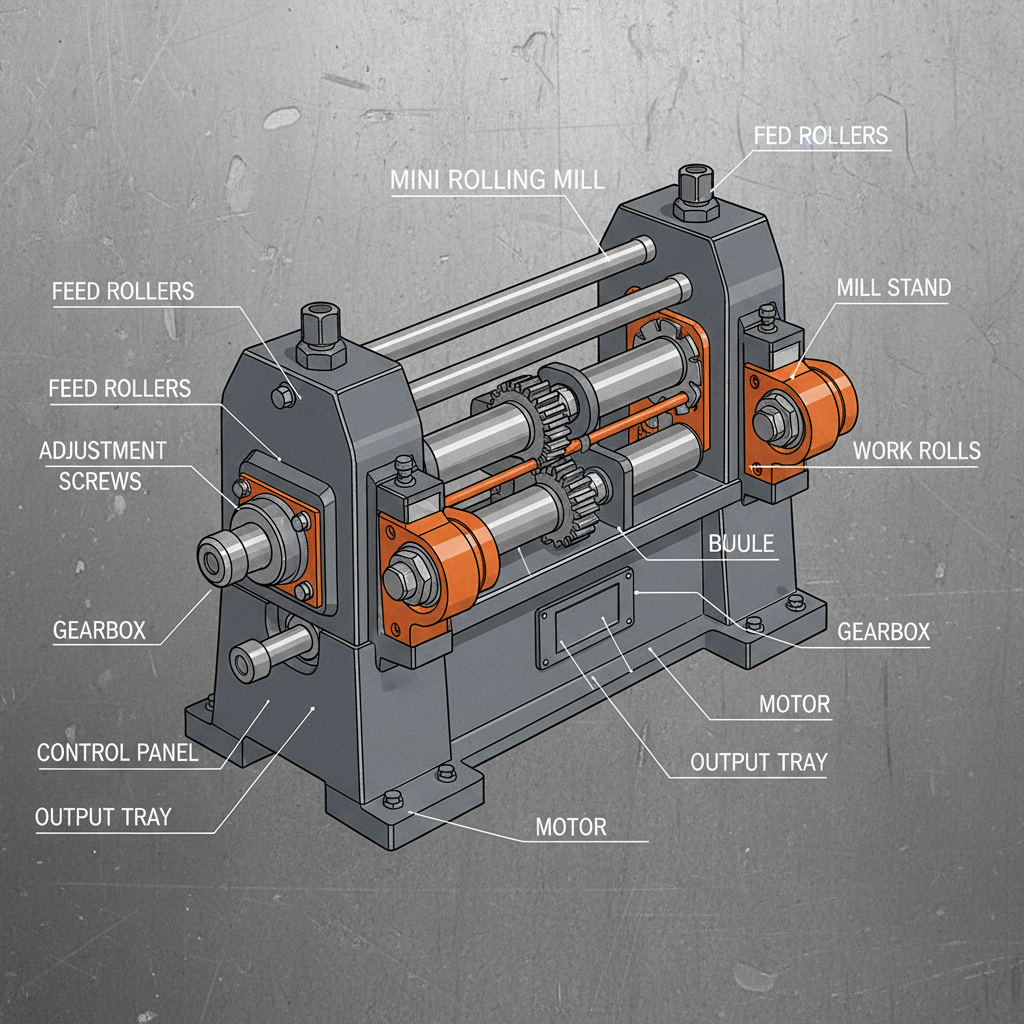
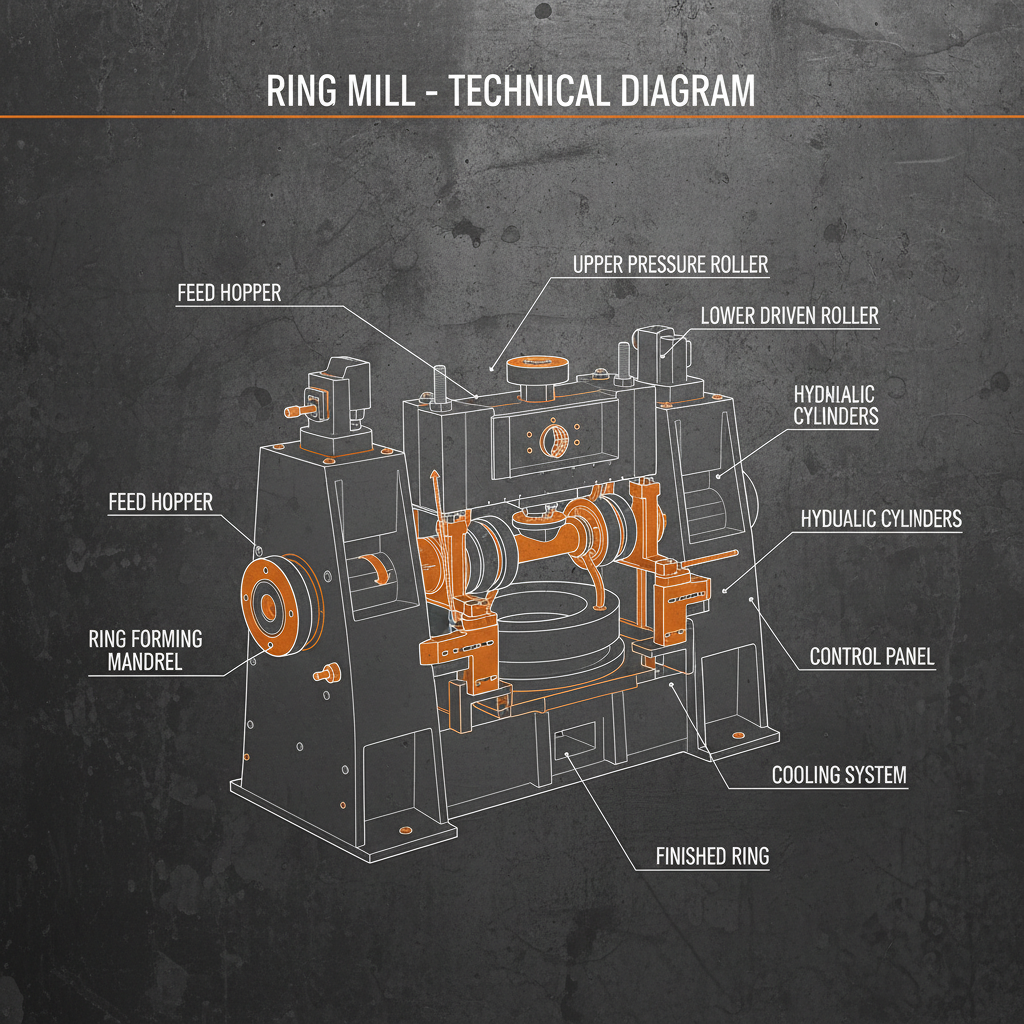
The heart of any high-performance aluminium rolling machine lies in its roll housing and bearing assemblies. The structural rigidity of the mill stand ensures that the rolls do not deflect under the immense pressure required to flatten the metal, which is paramount for achieving a uniform thickness across the entire width of the sheet.
Precision is further enhanced by the AGC (Automatic Gauge Control) system, a critical electronic component of the aluminium rolling machine. By utilizing real-time sensors and high-speed feedback loops, the AGC adjusts the roll gap instantaneously to compensate for material hardness variations, ensuring a consistent product that meets stringent aerospace tolerances.
Lastly, the lubrication and cooling systems are vital for operational longevity. Because aluminium is "sticky" and prone to adhering to rolls (pickup), the aluminium rolling machine employs specialized emulsion sprays that reduce friction, dissipate heat, and ensure a mirror-like surface finish, reducing the need for secondary polishing stages.
Global Applications and Industrial Use Cases
The application of an aluminium rolling machine spans multiple continents, with heavy concentration in industrial hubs like China, Germany, and the USA. In the automotive sector, these machines produce the body panels and chassis components that reduce vehicle weight, directly improving fuel efficiency and battery range for EVs.
In specialized contexts, such as remote industrial zones or emerging markets, modular rolling mills are deployed to create localized supply chains for construction materials. For instance, in coastal regions where corrosion resistance is key, the ability to roll high-grade marine aluminium locally reduces transportation costs and supports the rapid build-out of sustainable port infrastructure.
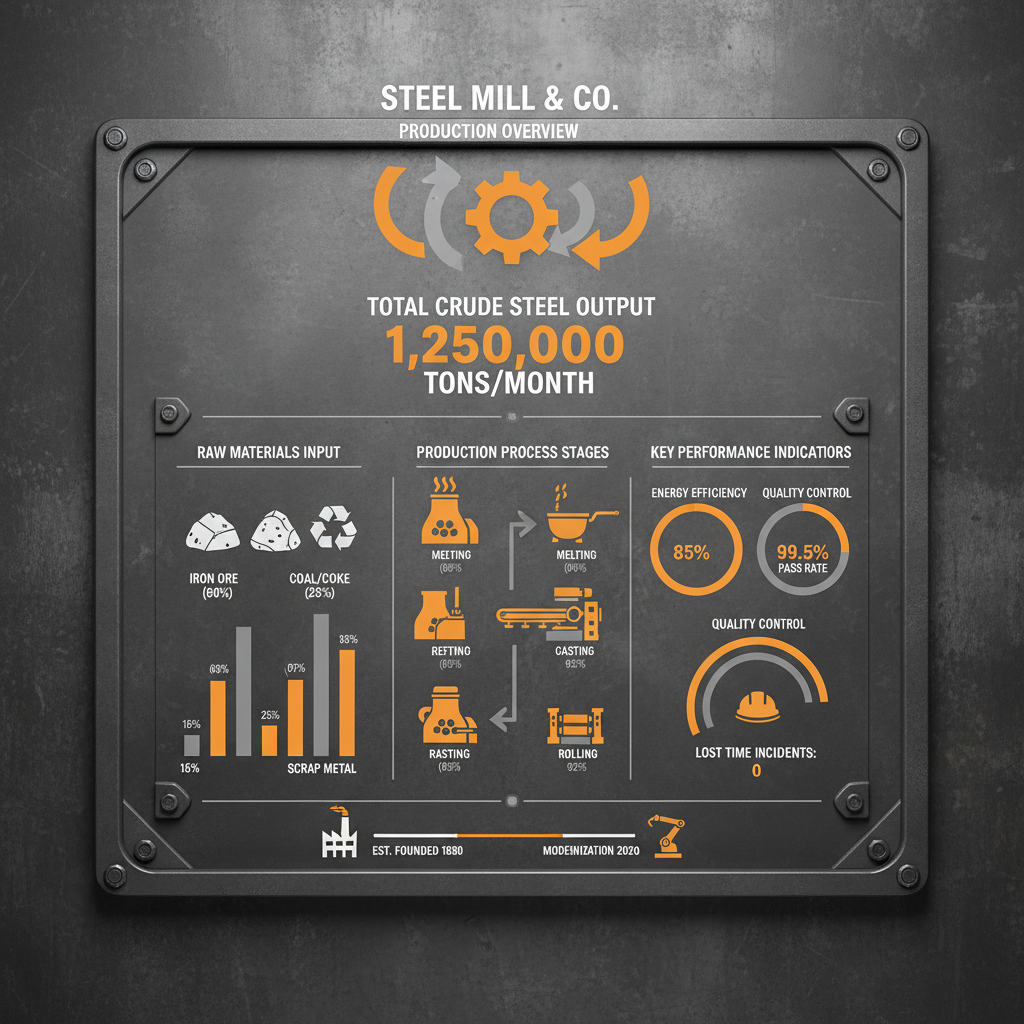
Efficiency Comparison of Aluminium Rolling Technologies
Tangible Advantages and Long-Term Value
Investing in a high-end aluminium rolling machine delivers immediate cost benefits through reduced scrap rates and higher throughput. The logical advantage is found in the precision: when a mill can hit the target gauge on the first pass, energy consumption drops and the need for expensive rework is eliminated.
From an emotional and strategic standpoint, the reliability of the machinery fosters trust between the manufacturer and the end client. Knowing that every coil produced is consistent in strength and finish provides the "peace of mind" necessary for high-stakes contracts in the aerospace sector, where safety and dignity of human life depend on the integrity of the metal.
Future Trends in Digital Rolling Mill Innovation
The next frontier for the aluminium rolling machine is the "Smart Mill" concept, integrating Industrial IoT (IIoT) and AI-driven predictive maintenance. By analyzing vibration and temperature data in real-time, operators can predict roll wear before it leads to surface defects, shifting from reactive repairs to proactive optimization.
Sustainability is also driving innovation, with a shift toward "Green Rolling." This involves the use of hydrogen-powered heating furnaces for hot rolling and the implementation of closed-loop water quenching devices that recycle 95% of the cooling fluid, drastically reducing the environmental impact of the metalworking process.
Furthermore, automation is replacing manual gauge measurements. Future aluminium rolling machines will feature integrated laser-scanning arrays that provide 100% surface inspection at line speed, ensuring that not a single millimeter of defective material reaches the customer.
Overcoming Technical Challenges in Production
One of the primary challenges in operating an aluminium rolling machine is "roll flattening," where the rolls deform under extreme loads, causing the center of the sheet to be thicker than the edges. This is typically solved by employing CVC (Continuous Variable Crown) rolls or sophisticated bending systems that dynamically adjust the roll shape.
Another common limitation is the buildup of aluminium oxides on the roll surface, known as "pickup." Expert insights suggest that the solution lies in the optimization of the rolling lubricant's chemistry and the implementation of automated roll grinding services that maintain a precise surface roughness without stopping the entire line for extended periods.
Finally, managing internal stresses during cold rolling can lead to "edge wave" or "center buckle" in the final product. Modern solutions involve the integration of tension levellers and temper mills that precisely control the elongation of the strip, ensuring a perfectly flat product ready for immediate fabrication.
Technical Comparison of Aluminium Rolling Machine Optimization Strategies
|
Challenge Category
|
Technical Solution
|
Implementation Difficulty
|
Efficiency Gain (1-10)
|
| Gauge Variation |
Automatic Gauge Control (AGC) |
Medium |
9 |
| Roll Deflection |
CVC Roll Profiling |
High |
8 |
| Surface Defects |
Advanced Emulsion Cooling |
Low |
7 |
| Material Stress |
Tension Levelling |
Medium |
8 |
| Energy Waste |
Variable Frequency Drives (VFD) |
Low |
6 |
| Downtime |
AI Predictive Maintenance |
High |
10 |
FAQS
Hot rolling occurs above the recrystallization temperature, making the aluminium easier to deform and ideal for producing thick slabs. Cold rolling happens at room temperature, which increases the material's strength (strain hardening) and provides a far superior surface finish and tighter gauge tolerance, essential for foil and high-end sheeting.
Automatic Gauge Control (AGC) uses high-precision sensors to measure the strip thickness in real-time. If a deviation is detected, the system automatically adjusts the hydraulic cylinders of the aluminium rolling machine to change the roll gap within milliseconds, ensuring the final product has a uniform thickness across its entire length.
Yes, through revamping services. Retrofitting often involves upgrading the motor torque, installing more rigid roll housings, or updating the control software to handle the specific deformation characteristics of high-strength alloys. This is a cost-effective way to modernize production without replacing the entire mill.
Pickup occurs when aluminium particles weld themselves to the work rolls due to excessive heat and friction. It is prevented by using high-quality synthetic lubricants, maintaining precise roll temperature control via water quenching, and ensuring the rolls are ground to the correct surface roughness.
A reversing mill is more flexible and space-efficient, as the material passes back and forth through the same stand; it's ideal for smaller batches. A tandem mill consists of multiple stands in a row, offering much higher production speeds and consistency, making it the better choice for high-volume industrial output.
Modern aluminium rolling is becoming highly sustainable. By using energy-efficient motors and recycling cooling emulsions, manufacturers reduce waste. Furthermore, because aluminium is infinitely recyclable, rolling mills are central to the circular economy, processing recycled scrap back into high-value industrial sheets.
Conclusion
The aluminium rolling machine stands as a cornerstone of modern industrial manufacturing, blending massive mechanical force with surgical precision. From the critical role of AGC systems in maintaining gauge consistency to the implementation of sustainable "Green Rolling" practices, these machines ensure that aluminium can meet the rigorous demands of the 21st century's most advanced industries.
Looking forward, the integration of AI and IIoT will further transform rolling mills from static equipment into intelligent, self-optimizing systems. For manufacturers, the key to staying competitive lies in adopting these technological advancements to reduce waste and enhance material performance. To explore world-class rolling solutions, visit our website: www.bjywlx.com