Water Quenching Steel Hardness Impact
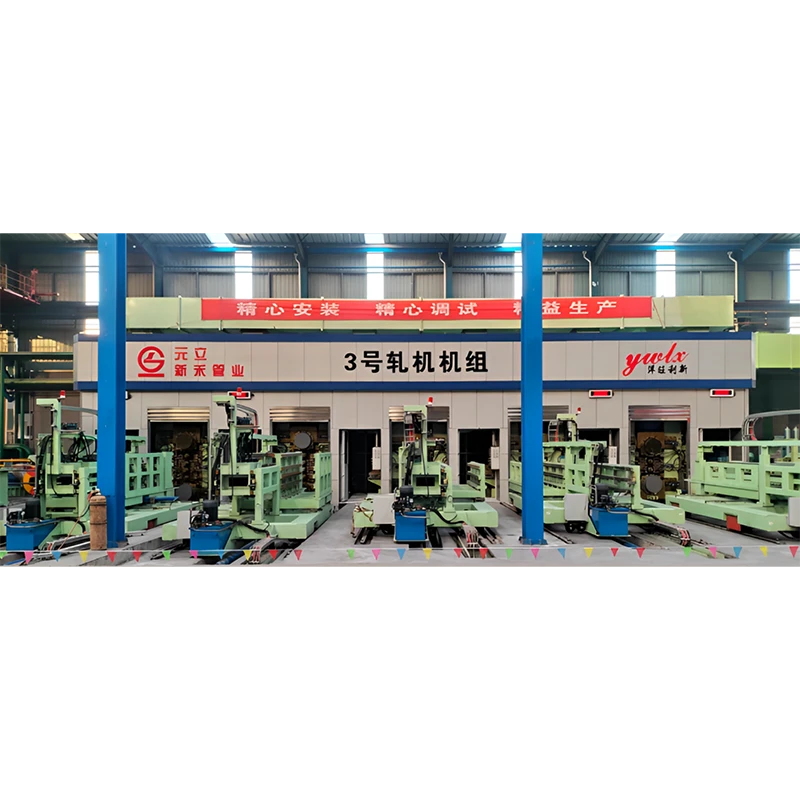
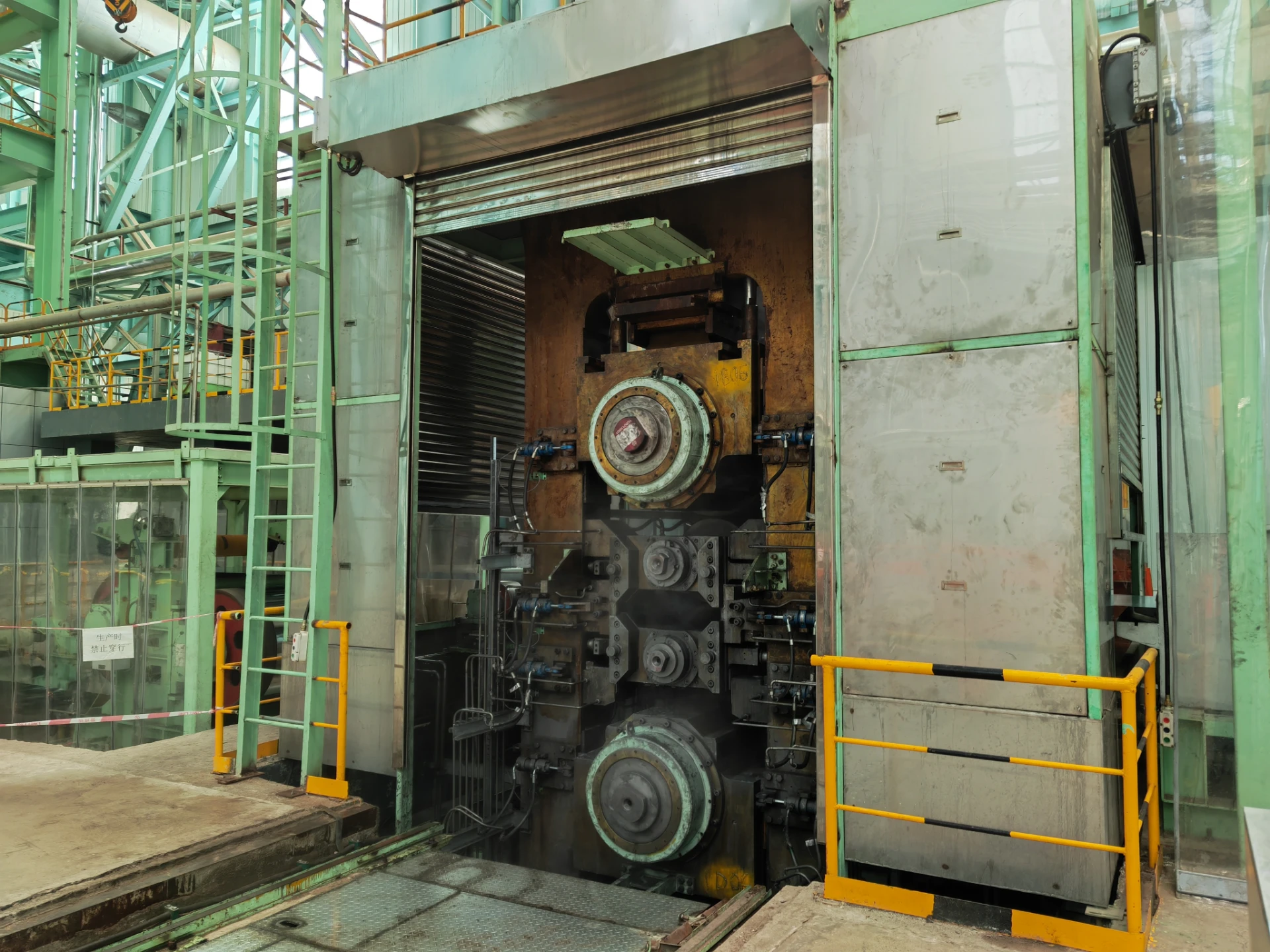
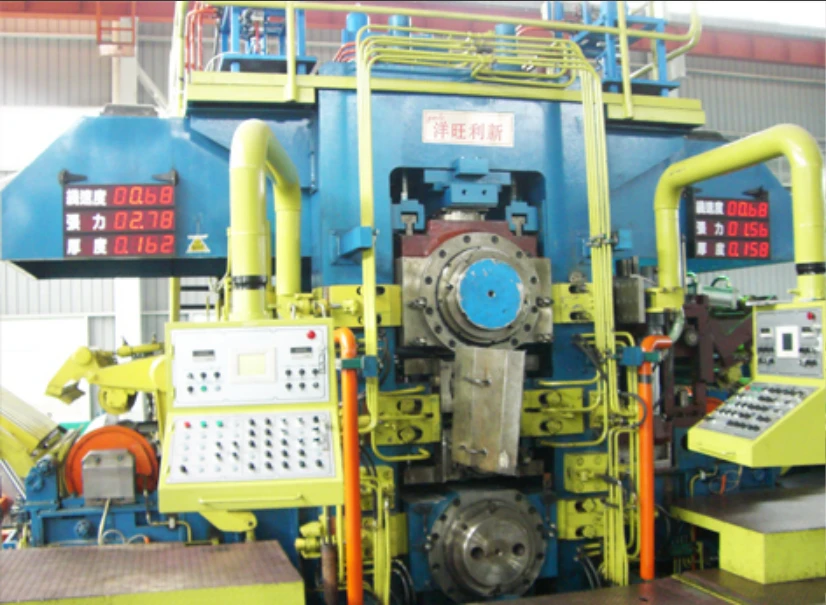
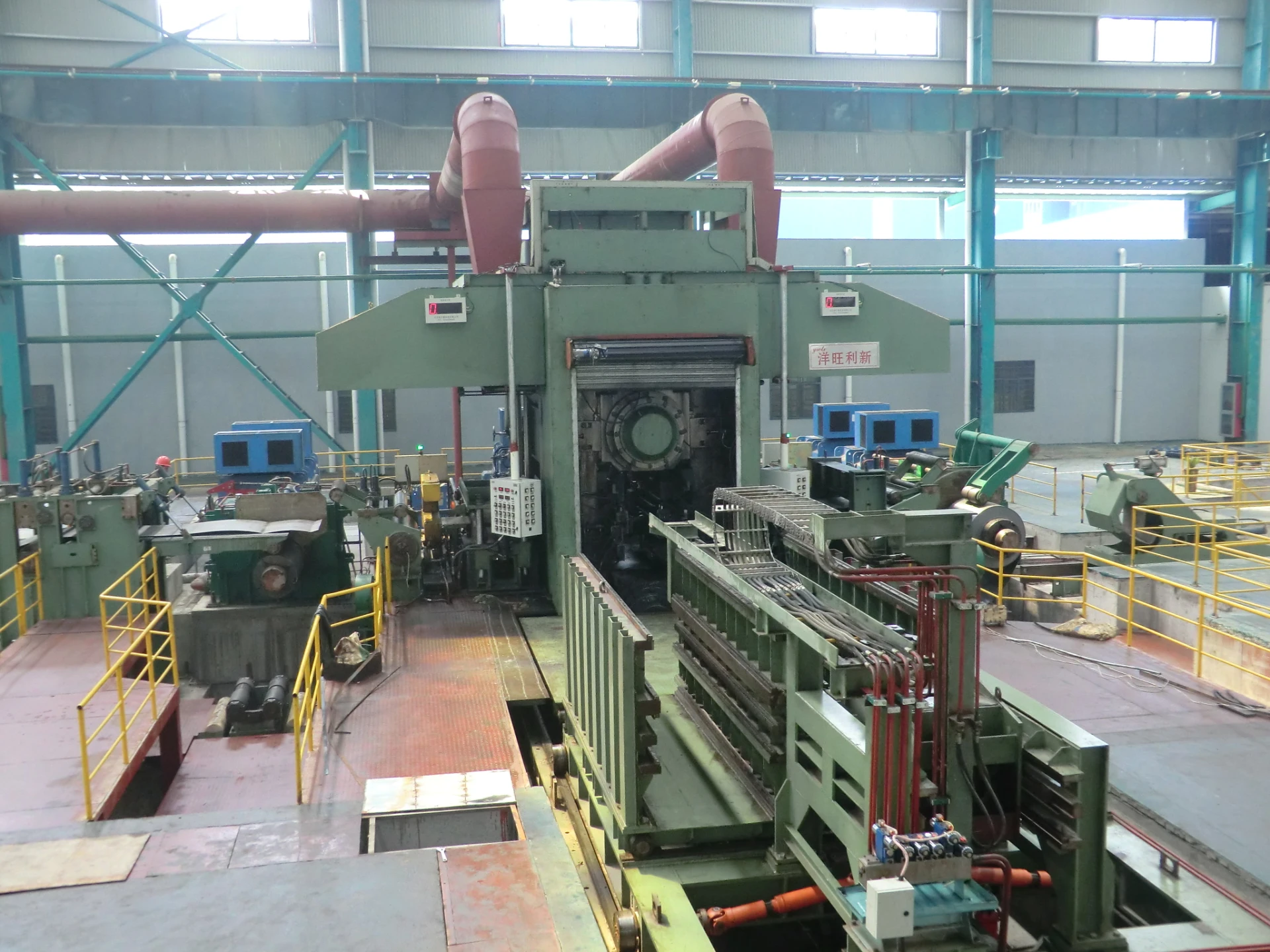
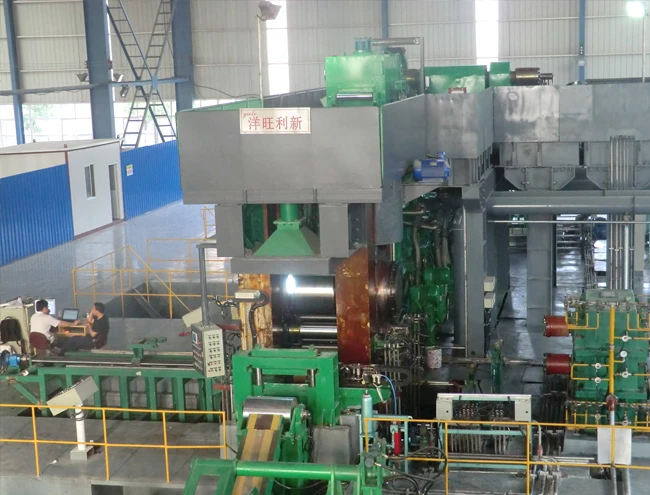
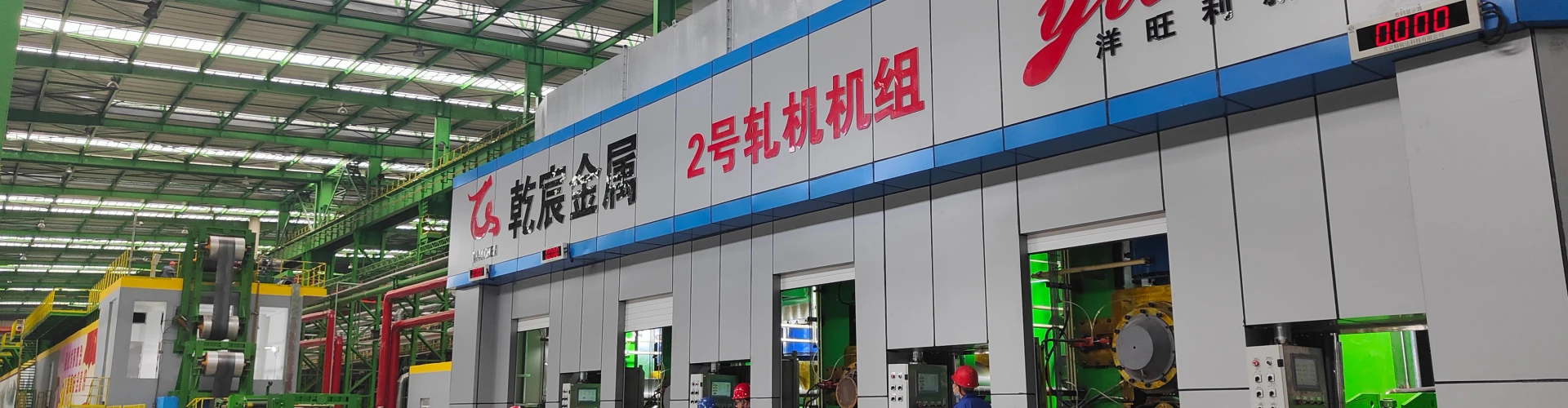
In the automobile steel, plate, strip, and coil industry, water quenching process, water quenching, and what is water quenching are core heat treatment technologies that directly determine steel hardness, strength, and wear resistance—critical for automotive structural parts, high-strength strips, and precision coils. Water quenching achieves rapid cooling of heated steel, transforming austenite into martensite to enhance hardness, which is essential for steel products bearing heavy loads or requiring wear resistance. Yang Wang Li Xin specializes in water quenching process equipment for automobile steel and coil production, integrating turbid circulating water systems, turbulent sleeves, and high-pressure muzzle designs to ensure consistent cooling and hardness control.
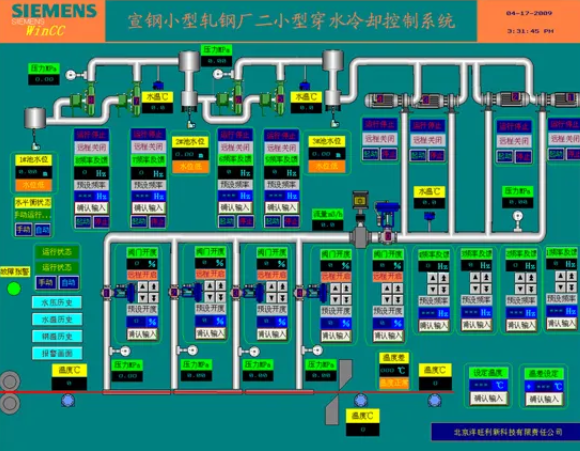
YWLX Water Quenching Process Technical Feature Table
|
Item |
Details |
|
Core Technology |
Water quenching process, water quenching (for automobile steel, plate, strip, coil) |
|
Technical Features |
1. Uses turbid circulating water (shares water treatment system to reduce cost/investment); 2. High-pressure muzzle + intracavity design ensures uniform cooling strength/capacity for 2-3 slitting rolling; 3. Turbulent sleeve drives turbulent water flow to enhance heat exchange; 4. High-pressure top water-exit ensures steel bar cooling equality (meets flatness standards for big/mid/little specs); 5. Special cutoff device prevents vapor in 3# flying shear operating environment (facilitates inspection); 6. Hydraulic transverse carriage for water quenching line/output table (enables quick process change) |
|
Applicable Products |
Automobile steel (structural parts, transmission components), plate (high-strength industrial plates), strip (wear-resistant strips), coil (precision cold-rolled coils) |
|
Hardness Impact |
1. Increases steel hardness by 30-50% (e.g., SAE1045 steel reaches HRC 55-60 after quenching); 2. Improves tensile strength (≥1000MPa for high-strength strips); 3. Ensures uniform hardness distribution (variation ≤±2HRC); 4. Enhances wear resistance for automotive high-wear parts |
|
Core Advantages |
1. Cost-effective turbid water system reduces operational investment; 2. Uniform cooling guarantees consistent hardness and flatness; 3. Turbulent flow design boosts heat exchange efficiency; 4. Quick process change adapts to diverse steel specs |
|
Service Support |
Technical parameter customization, quenching process optimization, on-site installation guidance for wholesalers and steel production clients |
What is Water Quenching and Its Hardness Mechanism
- What is water quenching? It is a heat treatment process where heated steel (850-950℃) is rapidly cooled by circulating water, forcing austenite-to-martensite phase transformation. Unlike oil quenching, water quenching has higher cooling rate (≥200℃/s), which inhibits pearlite formation and maximizes martensite content—directly increasing steel hardness. YWLX’s water quenching process uses turbid circulating water with a shared treatment system, reducing client investment while maintaining cooling efficiency. For automobile steel structural parts, this process transforms soft steel (HRC 15-20) into high-hardness components (HRC 50-60), meeting automotive safety standards.
- Water quenching hardness mechanism relies on rapid cooling control: YWLX’s water quenching process integrates turbulent sleeves to create turbulent water flow, enhancing heat exchange between steel and cooling agents. This ensures uniform cooling across the steel cross-section—critical for preventing hardness variation. For example, 10mm-thick automobile steel plates treated with YWLX’s water quenching have surface-to-core hardness variation ≤±1HRC, avoiding soft spots that compromise structural integrity. Wholesalers can explain this mechanism to clients producing precision automotive parts.
- What is water quenching’s role in different steel types? For high-carbon automobile steel (e.g., SAE1050), water quenching achieves HRC 58-62 hardness, suitable for gear parts and transmission shafts; for medium-carbon strip steel, it reaches HRC 45-50, balancing hardness and toughness for automotive body frames. YWLX’s process adapts to diverse steel specs, from thin strips (≤3mm) to thick plates (≤20mm), ensuring optimal hardness for each application. This versatility helps wholesalers cater to multiple client needs in the automobile steel and coil industry.
- Water quenching other quenching methods: Compared to air cooling (hardness increase ≤20%) or oil quenching (hardness increase 25-35%), water quenching offers 30-50% hardness improvement. YWLX’s water quenching process enhances this advantage with high-pressure muzzle design, ensuring consistent cooling even for slitting rolling (2-3 strips simultaneously). For coil production, this means uniform hardness across the entire coil length (variation ≤±2HRC), meeting automotive manufacturers’ batch consistency requirements.
Water Quenching Process Parameters and Hardness Control
- Water quenching process temperature control directly impacts hardness: YWLX’s system preheats steel to 880-920℃ (adjustable by steel grade) before quenching. Overheating (≥950℃) causes excessive grain growth, reducing hardness uniformity; underheating (≤850℃) incomplete austenitization, leading to low hardness. For example, SAE1045 strip steel quenched at 900℃ achieves HRC 55-58, while quenching at 860℃ only reaches HRC 48-52. YWLX’s precise temperature control ensures stable hardness output for automobile steel clients.
- Water quenching pressure and flow rate optimize hardness: YWLX’s high-pressure muzzle design maintains 0.8-1.2MPa water pressure and 50-80L/min flow rate per unit area. Higher pressure (1.0-1.2MPa) increases cooling rate, ideal for high-hardness automotive parts (e.g., gear teeth); lower pressure (0.8-1.0MPa) balances hardness and toughness for structural plates. The system’s shared water treatment reduces cost, making it attractive for medium-scale steel producers. Wholesalers can highlight this parameter flexibility to clients with diverse hardness requirements.
- Water quenching process turbulent flow design enhances hardness uniformity: YWLX installs turbulent sleeves in the quenching system, creating chaotic water movement that eliminates cooling dead zones. For large-specification plates (15-20mm), this ensures core hardness is only 1-2HRC lower than surface hardness—far exceeding industry standards (≤3HRC difference). For automobile steel coils, uniform cooling prevents edge hardness deviation, ensuring consistent performance in stamping and forming processes.
- Water quenching post-treatment adjusts hardness: After water quenching, YWLX recommends tempering (200-400℃) to reduce brittleness while retaining hardness. For example, quenched SAE1050 gear parts (HRC 60) tempered at 300℃ maintain HRC 55-57 with improved toughness (impact energy ≥35J). This post-treatment is critical for automotive parts subject to repeated loads, and YWLX provides customized tempering parameters to wholesalers for client guidance.
Water Quenching Impact on Automobile Steel and Coil Performance
- Water quenching enhances automobile steel wear resistance: High-hardness (HRC 50+) steel from YWLX’s water quenching process has wear resistance 2-3 times higher than untreated steel. For automotive transmission gears, this extends service life by 50% under harsh operating conditions. The process’s uniform cooling ensures consistent wear across gear teeth, preventing premature failure— a key selling point for wholesalers targeting automotive component manufacturers.
- Water quenching improves high-strength strip and coil load-bearing capacity: Automobile steel strips treated with YWLX’s water quenching process achieve tensile strength ≥1200MPa and yield strength ≥1000MPa, suitable for lightweight automotive frames. The enhanced hardness allows thinner strip thickness (reducing vehicle weight by 8-10%) without compromising structural strength. This aligns with the automotive industry’s lightweight trend, helping wholesalers meet client demands for energy-efficient solutions.
- Water quenching process ensures coil flatness while boosting hardness: YWLX’s high-pressure top water-exit design guarantees uniform cooling for coils, preventing warpage (flatness tolerance ≤2I). For precision cold-rolled coils, this means hardness (HRC 45-50) and flatness are maintained simultaneously—critical for automotive body panel stamping. The system’s hydraulic transverse carriage enables quick process changes between coil specs (e.g., 1mm to 5mm thickness), supporting flexible production for clients.
- Water quenching reduces production cost for steel manufacturers: YWLX’s turbid circulating water system shares existing water treatment infrastructure, cutting investment by 20-30% compared to dedicated pure water systems. The process’s high efficiency (quenching speed ≥3m/min for strips) increases production capacity, lowering unit cost for automobile steel and coils. Wholesalers can emphasize this cost advantage to price-sensitive clients while highlighting hardness and performance benefits.
Water Quenching Process FAQS
What is water quenching and how does it impact steel hardness?
What is water quenching? It is a rapid cooling process where heated steel (850-950℃) is cooled by circulating water (cooling rate ≥200℃/s) to transform austenite into martensite. YWLX’s water quenching process increases steel hardness by 30-50% (e.g., SAE1045 reaches HRC 55-60), with uniform distribution (variation ≤±2HRC) due to turbulent flow and high-pressure muzzle design. This hardness boost enhances wear resistance and load-bearing capacity for automobile steel and coils.
How does YWLX’s water quenching process ensure consistent hardness for slitting rolling?
YWLX’s water quenching process features a special high-pressure muzzle and intracavity design, ensuring equal cooling strength and water capacity for 2-3 slitting rolled strips. The turbulent sleeve reinforces heat exchange, preventing hardness deviation between strips (≤±1HRC). This consistency is critical for batch production of automobile steel strips, and wholesalers can confirm with YWLX’s process reports for client verification.
What parameters of water quenching affect automobile steel hardness the most?
Key parameters include heating temperature (880-920℃), water pressure (0.8-1.2MPa), and cooling rate (≥200℃/s). YWLX’s water quenching process precisely controls these: higher temperature/pressure increases hardness (up to HRC 62 for high-carbon steel), while lower settings balance hardness and toughness (HRC 45-50 for structural plates). The company provides customized parameters for different automobile steel grades to wholesalers.
How does water quenching improve the performance of automotive coils?
Water quenching boosts automotive coil hardness (HRC 45-50) and tensile strength (≥1200MPa) for lightweight frame applications. YWLX’s uniform cooling design ensures coil flatness (≤2I) and consistent hardness across the entire length, supporting stamping precision. The process also enhances wear resistance, extending coil service life in forming processes—benefits wholesalers can highlight to automotive body panel manufacturers.
What cost advantages does YWLX’s water quenching process offer for steel producers?
YWLX’s water quenching process uses turbid circulating water (sharing existing treatment systems) to reduce investment by 20-30%. The high-efficiency design (quenching speed ≥3m/min) increases production capacity, lowering unit cost. Additionally, the hydraulic transverse carriage enables quick spec changes, reducing downtime by 15-20%. These advantages help steel producers improve profitability, making YWLX’s solution attractive for wholesalers to promote.
-
Ship Multi-Project Equipment on the Lantern FestivalNewsMar.03,2026
-
YWLX Deep Dives into Cladding Line with Dubai ClientNewsDec.22,2025
-
1450mm 6-Hi Reversing Mill Goes Live in BangladeshNewsOct.28,2025
-
Sep. 3rd Parade: Carry Forward and Press OnNewsSep.03,2025
-
Indian Clients Visit YWLX to Inspect Skin-pass MillNewsJun.22,2025
-
Full- throttle! YWLX's Intense Production During May DayNewsMay.01,2025
-
YWLX Participated in the 2025 Chinese GAP Program Review ConferenceNewsApr.17,2025