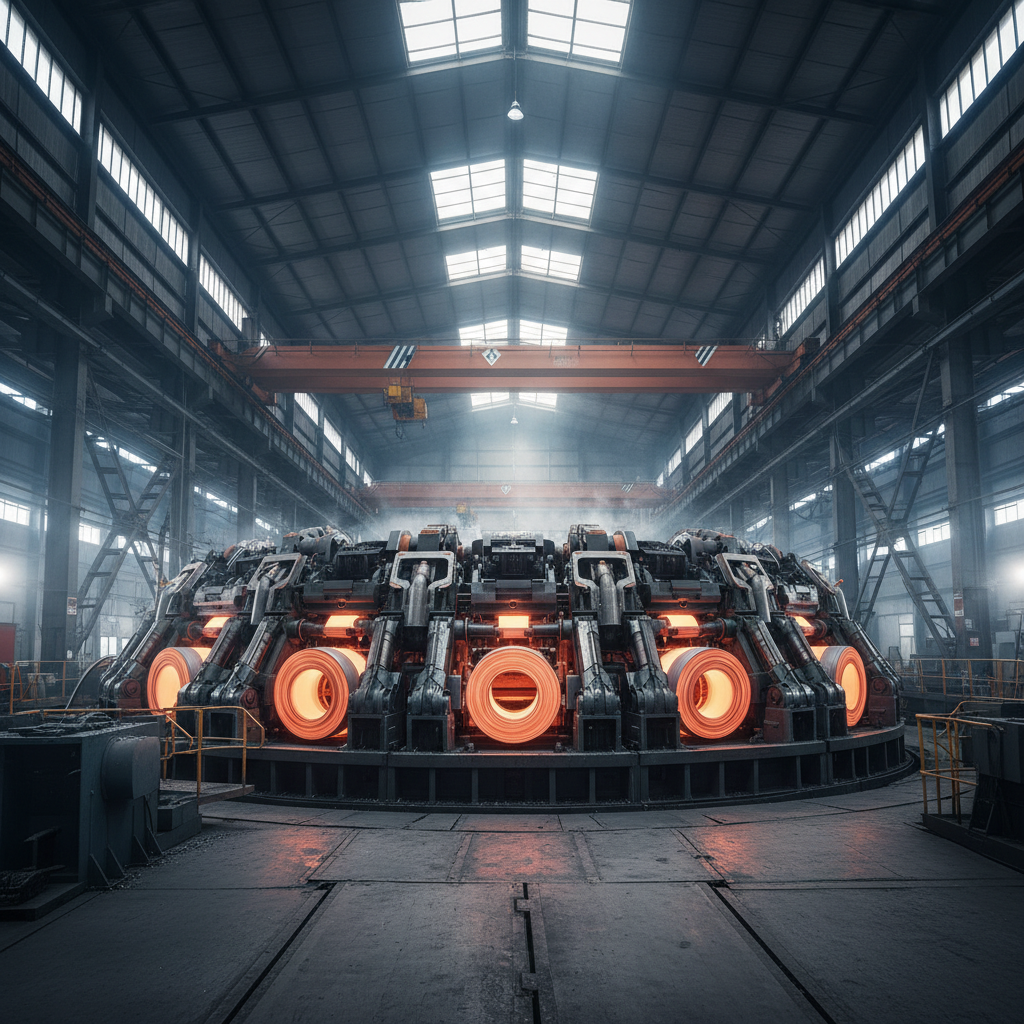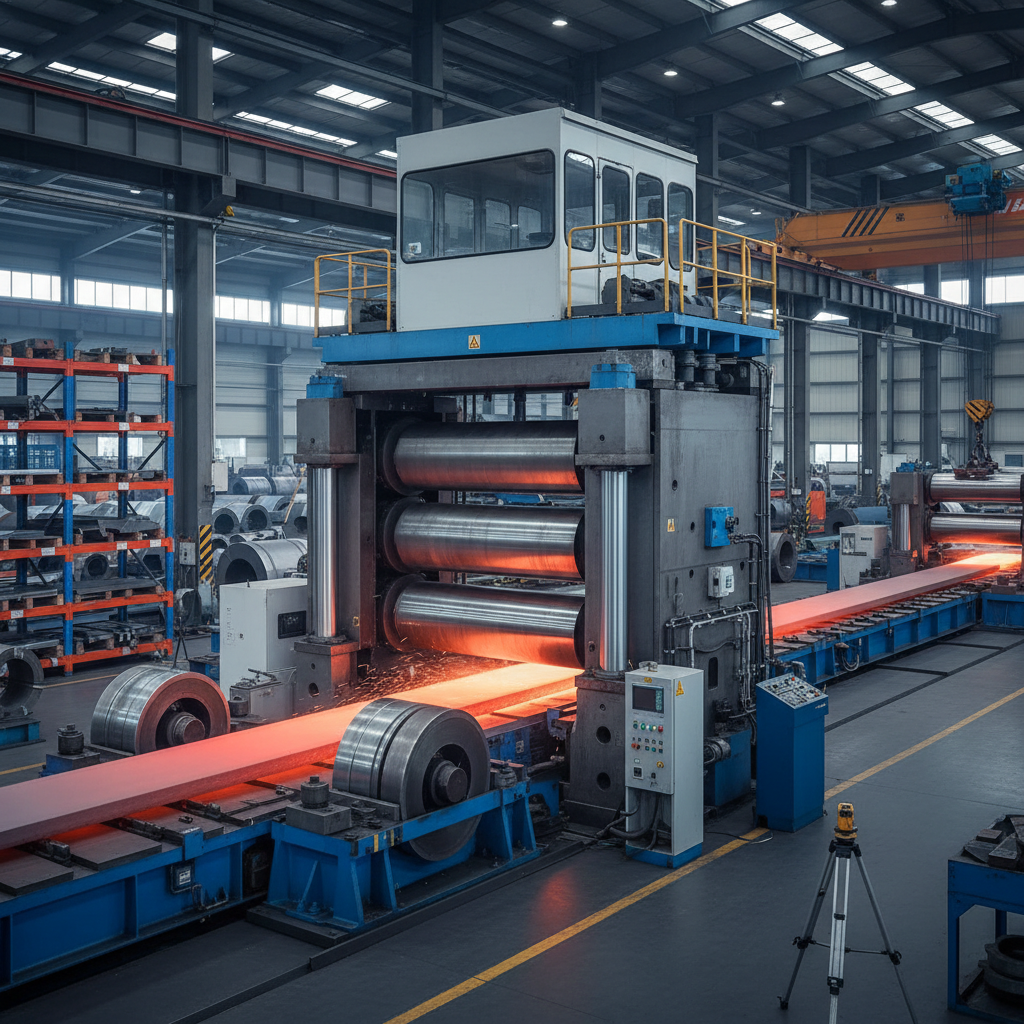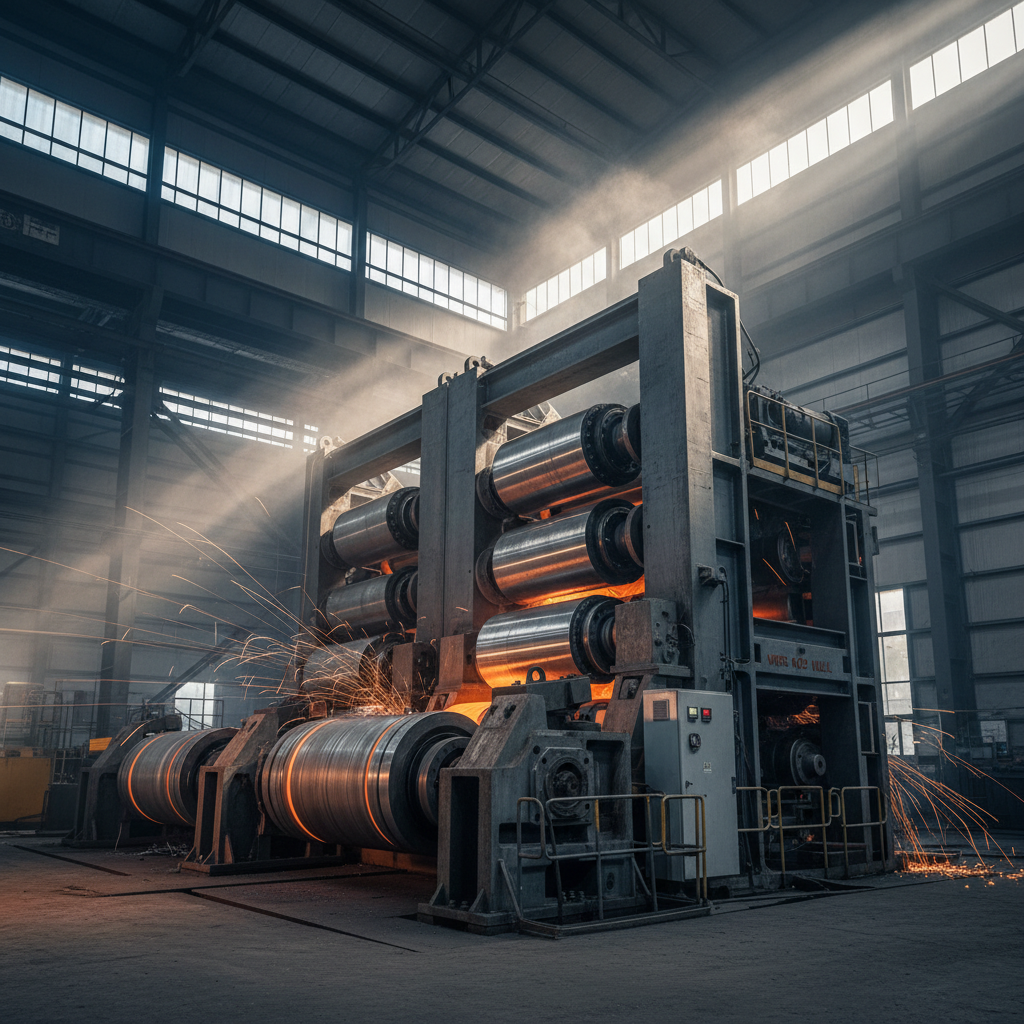
You know, these days everyone’s talking about prefabricated rolling mills. Prefabricated! Honestly, it feels like everything’s gotta be “pre” something now. Pre-fab housing, pre-mixed concrete… It’s all about speed, right? Save labor costs. But you spend enough time on construction sites, like I do, and you realize it’s never just about speed. It’s about what happens when things go wrong, and with pre-fab, things will go wrong.
Have you noticed how everyone’s obsessed with high-strength steel these days? They want everything built to withstand a hurricane, even if they're building in, like, Nebraska. It's good, I guess, but it makes everything heavier. And heavier means harder to move, harder to install, and a whole lot more problems for the guys actually doing the work. It’s a trade-off. Always is.
And don’t even get me started on the designs. Architects, bless their hearts, they’re good at making things look pretty on paper. But they rarely understand what it takes to actually build the damn thing. I encountered this at a factory in Wenzhou last time – they designed a mill with a curved frame, looked gorgeous in the rendering. Turned out impossible to weld properly without a custom jig. A custom jig, can you believe it? Cost them a fortune.
The Current Landscape of original rolling mill manufacturer
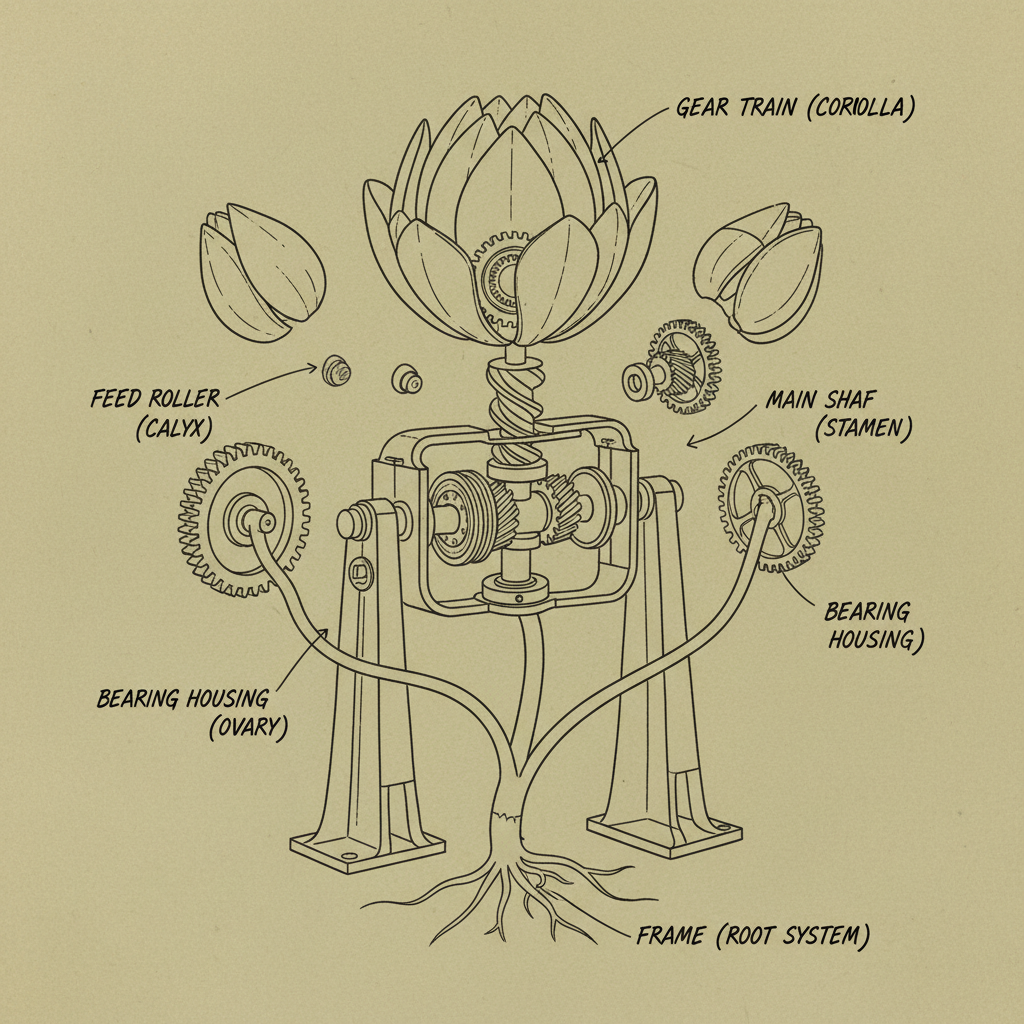
To be honest, the biggest trend right now is automation. Everyone wants a rolling mill that basically runs itself. Fewer operators, higher throughput. Sounds great on paper, but it means you need highly skilled technicians to maintain those automated systems. And finding those guys is… difficult, to say the least. It's a skillset that's dying out, replaced by guys who just know how to push buttons.
I've also seen a massive increase in demand for smaller, more specialized mills. People aren’t building huge steel plants anymore; they're building niche facilities for specific alloys, specific applications. That means the mills have to be flexible, adaptable. And that, well, that adds complexity.
FAQS
From my experience, downtime usually stems from bearing failures, hydraulic issues, or electrical malfunctions. Insufficient lubrication and improper maintenance routines are major contributors. Regular inspections and preventative maintenance are crucial to minimize these occurrences. Neglecting the cooling system is another big one, leading to overheating and potential component damage. Honestly, it’s almost always something simple that could have been avoided.
Choosing the right roll material depends heavily on the type of steel you're rolling, the volume of production, and your budget. For high-volume production of softer steels, chilled cast iron is a good option. For harder alloys, you’ll need a more durable material like 4140 alloy steel or tungsten carbide. Consider the wear resistance, thermal conductivity, and the risk of roll damage. It’s a complex decision, and often involves trade-offs between cost and performance.
A well-maintained rolling mill can easily last 20-30 years, but the lifespan varies greatly depending on operating conditions, production volume, and the quality of the original components. Regular inspections, preventative maintenance, and timely repairs are essential to maximize its lifespan. Also, remember that some components, like the rolls and bearings, will need to be replaced periodically.
Safety is paramount! Operators should always wear appropriate personal protective equipment, including safety glasses, gloves, and steel-toe boots. Ensure all safety guards are in place and functioning correctly. Never reach into the rolling zone while the mill is in operation. Regular safety training and adherence to established procedures are essential. And don’t take shortcuts – even a small mistake can have serious consequences.
The cost of a customized rolling mill varies greatly depending on the specifications, complexity, and the manufacturer. It could range from a few hundred thousand dollars for a small, specialized mill to several million dollars for a large, fully automated system. It's important to get detailed quotes from multiple suppliers and carefully evaluate the features and benefits of each option.
Look for a manufacturer with a proven track record, experienced engineers, and a commitment to quality. Check their references, visit their factory, and ask detailed questions about their design and manufacturing processes. Also, consider their after-sales service and support capabilities. A reliable manufacturer will provide ongoing technical assistance, spare parts, and maintenance services. We at original rolling mill manufacturer pride ourselves on all of these.
Conclusion
So, what have we learned? Rolling mills are complex machines that require careful design, meticulous maintenance, and skilled operators. The industry is evolving rapidly, with a focus on automation, customization, and sustainability. Choosing the right mill and manufacturer is crucial to ensuring long-term reliability and profitability.
Ultimately, whether this thing works or not, the worker will know the moment he tightens the screw. That’s the reality of it. It's not about the fancy specs or the impressive marketing materials; it’s about whether it performs on the shop floor, day in and day out. If you're considering investing in a rolling mill, do your homework, ask the right questions, and remember to prioritize quality and reliability above all else. And if you need a reliable, experienced manufacturer, visit us at www.bjywlx.com