Safety Precautions during Water Quenching
In the manufacturing of automobile steel, plates, strips, and coils, the water quenching process plays a pivotal role in enhancing the mechanical properties of metals. Understanding what is water quenching and the associated water quenching safety measures is crucial for wholesalers. Yang Wang Li Xin (YWLX) is dedicated to providing advanced solutions in metal processing, and ensuring safety during the water quenching process is a top priority.
YWLX Water Quenching Technical Feature Table
|
Aspect |
Details |
|
Cooling Water System |
Utilizes turbid circulating water, and the water treatment system can be shared, reducing cost and investment |
|
Muzzle and Intracavity Design |
Special high - pressure design for muzzle and intracavity ensures, through mechanical means, the same cooling strength and cooling water capacity during two/three slitting rolling |
|
Quenching System Component |
A turbulent sleeve is installed in the quenching system to drive water in turbulent flow, strengthening the heat exchange between the rolled bar and the cooling agent |
|
Cooling Effect Assurance |
High - pressure water through the top water - exit ensures the cooling equality of the steel bar in the turbulent flow tube, guaranteeing good flatness for large and medium - specification steel bars and ensuring that the flatness of small - specification steel bars meets the state standard after slitting rolling |
|
End - of - Process Device |
A special cut - off device is used at the end of the water quenching device to ensure inspection and a vapor - free operating environment for the 3# flying shear |
|
Installation and Process Change |
The water quenching line and output table are installed on a hydraulic - driven transverse carriage for flexible and quick process change |
Personnel Protection during Water Quenching
- During water quenching, personnel safety is of utmost importance. Workers involved in the process must be equipped with appropriate personal protective equipment (PPE). This includes heat - resistant gloves to protect hands from the high - temperature metal and the hot water splashes. Wearing safety goggles is crucial to shield the eyes from any flying debris or hot water droplets. Long - sleeved, flame - retardant clothing should be worn to prevent burns from accidental contact with the hot metal or steam.
- Ensure that all workers are well - trained in safety procedures. They should be aware of the potential hazards associated with the water quenching process, such as steam burns, metal splashes, and electrical risks if there are electrical components in the equipment. YWLX emphasizes the importance of regular safety training sessions to keep workers updated on the latest safety protocols and to reinforce safe working practices. Workers should also know how to operate the equipment safely and be able to recognize and report any potential safety issues promptly.
Operation Specifications for Water Quenching Process
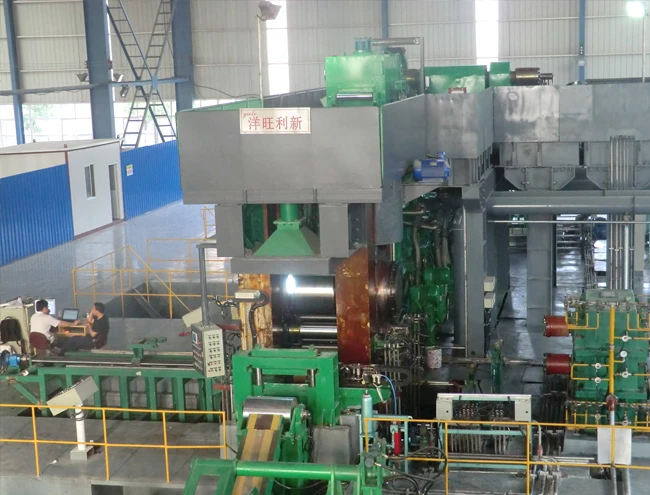
- Adhering to strict operation specifications is vital for a safe water quenching process. Start the process by ensuring that the metal to be quenched is properly prepared and positioned. Incorrect placement can lead to uneven cooling and may cause the metal to warp or crack during quenching. Follow the prescribed sequence of starting the cooling water system, ensuring that the water flow and pressure are within the recommended range. For example, with YWLX's water quenching line, which is installed on a hydraulic - driven transverse carriage, make sure the carriage is in the correct position before starting the quenching operation to enable smooth and accurate processing.
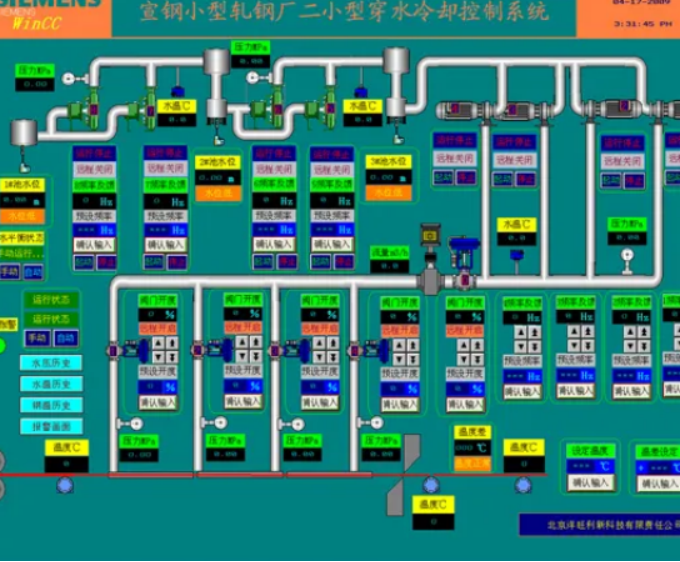
- During the quenching process, closely monitor the temperature of the metal and the water. Sudden changes in temperature can indicate problems such as blockages in the water system or issues with the metal itself. Keep an eye on the operation of the special cut - off device at the end of the water quenching device. This device, designed to ensure inspection and a vapor - free environment for the flying shear, must function properly. Any malfunction can lead to safety hazards and affect the quality of the final product.
Emergency Response in Water Quenching
- In the event of an emergency during water quenching, a well - defined response plan is necessary. In case of a fire, which can occur due to the high - temperature metal igniting flammable materials in the vicinity, immediately activate the fire suppression system. Ensure that all workers know the location and operation of fire extinguishers and other fire - fighting equipment. In case of a water leakage, which can cause slippery floors and electrical hazards if there are exposed electrical components, quickly shut off the water supply and start the drainage process.
- In case of an injury to a worker, such as a burn or a cut from metal splashes, provide immediate first - aid. Have a well - stocked first - aid kit on - site, and ensure that some workers are trained in first - aid procedures. For more serious injuries, quickly arrange for transportation to a medical facility. YWLX emphasizes the importance of regular emergency drills to ensure that all workers are familiar with the emergency response procedures and can act quickly and effectively in case of an incident.
Water Quenching Process Safety FAQS
What are the main risks in the water quenching process?
The main risks in the water quenching process include steam burns, which occur when hot metal comes into contact with water, generating high - temperature steam. Metal splashes can also pose a risk, especially if the metal is not properly secured or if there are issues with the quenching process. Electrical risks are present if there are electrical components in the equipment and there is water leakage, which can lead to short circuits and electric shocks. Additionally, improper operation can result in uneven cooling of the metal, causing it to warp or crack, which can also be a safety hazard during handling.
How often should equipment be inspected for water quenching?
Equipment for water quenching should be inspected regularly. A daily pre - operation inspection is recommended to check for any obvious signs of damage, leaks, or malfunctions. In addition, a more comprehensive monthly inspection should be carried out, which includes checking the performance of the cooling water system, the integrity of the high - pressure muzzle and intracavity, and the operation of other key components. Periodic inspections, such as quarterly or semi - annual ones, can also be conducted to assess the long - term wear and tear of the equipment and to perform any necessary maintenance or repairs. YWLX can provide guidance on the inspection schedule and procedures to ensure the safe and efficient operation of the water quenching equipment.
Can any type of metal be processed using the water quenching process?
Not all metals are suitable for the water quenching process. Some metals, such as certain types of high - carbon steels, respond well to water quenching as it can rapidly cool them and increase their hardness. However, other metals, like some aluminum alloys or certain types of stainless steels, may crack or warp when quenched in water due to their different thermal expansion and contraction properties. The choice of quenching medium and process depends on the specific metal type, its chemical composition, and the desired final properties of the product. YWLX's expertise can help wholesalers understand which metals are suitable for water quenching and recommend appropriate processing methods.
What should be done if the water temperature during water quenching is too high?
If the water temperature during water quenching is too high, it can affect the quality of the quenching and pose safety risks. First, check the cooling water system for any blockages or issues with the water flow. Ensure that the turbid circulating water system is functioning properly and that there is an adequate supply of fresh water for cooling. If the problem persists, consider reducing the production rate or taking a break to allow the water to cool down. In some cases, additional cooling measures, such as adjusting the water treatment system or using auxiliary cooling devices, may be necessary. It is important to address the high - temperature issue promptly to ensure the safety and quality of the water quenching process.
How to ensure the stability of the water quenching process?
To ensure the stability of the water quenching process, several measures can be taken. Regularly maintain and inspect the equipment as described above to ensure it is in good working condition. Train workers thoroughly on the operation procedures and safety precautions to ensure consistent and correct operation. Monitor the process parameters, such as water flow, pressure, and temperature, in real - time and make adjustments as needed. Use high - quality raw materials and ensure that the metal to be quenched is properly prepared. YWLX's advanced water quenching technology and equipment, with features like the special design of the muzzle and intracavity and the hydraulic - driven transverse carriage, also contribute to the stability of the process. By following these steps, wholesalers can ensure a stable and reliable water quenching process for their metal processing needs.
-
Ship Multi-Project Equipment on the Lantern FestivalNewsMar.03,2026
-
YWLX Deep Dives into Cladding Line with Dubai ClientNewsDec.22,2025
-
1450mm 6-Hi Reversing Mill Goes Live in BangladeshNewsOct.28,2025
-
Sep. 3rd Parade: Carry Forward and Press OnNewsSep.03,2025
-
Indian Clients Visit YWLX to Inspect Skin-pass MillNewsJun.22,2025
-
Full- throttle! YWLX's Intense Production During May DayNewsMay.01,2025
-
YWLX Participated in the 2025 Chinese GAP Program Review ConferenceNewsApr.17,2025