Role of Cladding Process in Corrosion - Resistant Coatings
In the manufacturing of materials for industries like automobile steel, plates, strips, and coils, the cladding process has emerged as a crucial technique, especially when it comes to creating corrosion - resistant coatings. Weld overlay cladding and the services provided by weld overlay companies are integral parts of this process. Yang Wang Li Xin (YWLX) is at the forefront of leveraging advanced cladding technologies to meet the growing demands for durable and corrosion - resistant materials.
Cladding Process and Enhanced Corrosion Resistance
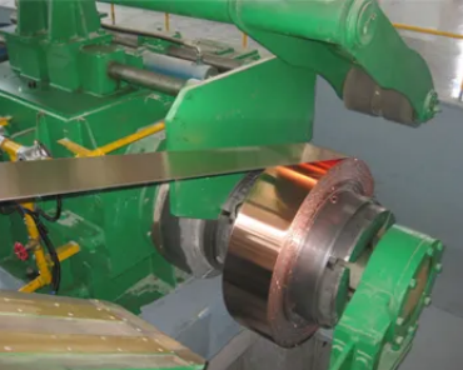
- The cladding process significantly enhances the corrosion resistance of materials by applying a protective layer onto the base material. In industries such as the chemical and automotive sectors, where materials are constantly exposed to corrosive substances like acids, alkalis, and moisture, a reliable corrosion - resistant coating is essential. Through cladding process, a layer of corrosion - resistant metal or alloy, such as stainless steel, nickel - based alloys, or copper, can be precisely bonded to the surface of the base material, like steel plates or strips. This protective layer acts as a barrier, preventing the base material from coming into direct contact with corrosive agents. For example, in automobile manufacturing, parts that are prone to rust, such as chassis components, can be clad with corrosion - resistant materials using the cladding process. This not only extends the lifespan of the parts but also reduces the need for frequent replacements, ultimately saving costs for manufacturers and wholesalers in the long run.
- Weld overlay cladding, a specific type of cladding process, is highly effective in creating durable corrosion - resistant coatings. It involves melting and depositing a filler material onto the surface of the base metal using welding techniques. The heat from the welding process fuses the filler material with the base metal, creating a strong metallurgical bond. This bond ensures that the cladding layer adheres firmly to the base material, even under harsh environmental conditions. The properties of the filler material, such as its chemical composition and corrosion - resistant characteristics, are carefully selected to match the specific corrosion challenges of the application. YWLX's expertise in weld overlay cladding enables the production of high - quality corrosion - resistant coatings that can withstand extreme conditions, making their products highly sought - after in the market.
Weld Overlay Cladding for Performance Improvement
- Weld overlay cladding not only provides corrosion resistance but also improves the overall performance of materials. By adding a layer of a material with superior properties, such as high hardness, wear resistance, or heat resistance, the functionality of the base material can be enhanced. In the case of industrial equipment used in heavy - duty applications, like mining machinery or power generation plants, components often face both corrosion and wear. Weld overlay cladding with wear - resistant alloys can protect these components from abrasive wear while also safeguarding them against corrosion. This dual - protection feature extends the service life of the equipment, reduces downtime for maintenance, and increases operational efficiency. For wholesalers, offering materials with improved performance through weld overlay cladding gives them a competitive edge in the market, as customers are always looking for products that can perform better and last longer.
- The precision and control offered by weld overlay cladding allow for customization of the coating thickness and properties. Depending on the specific requirements of the application, the thickness of the cladding layer can be adjusted to provide the optimal level of protection. Additionally, different filler materials can be used to create coatings with tailored properties. For example, in the production of heat - exchanger tubes, a weld overlay cladding layer with high heat - resistance and corrosion - resistance can be applied to ensure efficient heat transfer while preventing tube failure due to corrosion. YWLX's advanced weld overlay cladding techniques ensure consistent quality and accurate control over the coating process, enabling them to meet the diverse needs of customers across various industries.
Weld Overlay Companies and Production Optimization
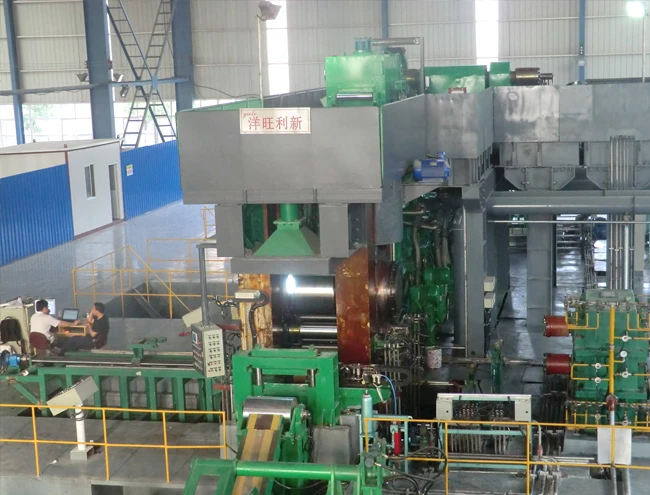
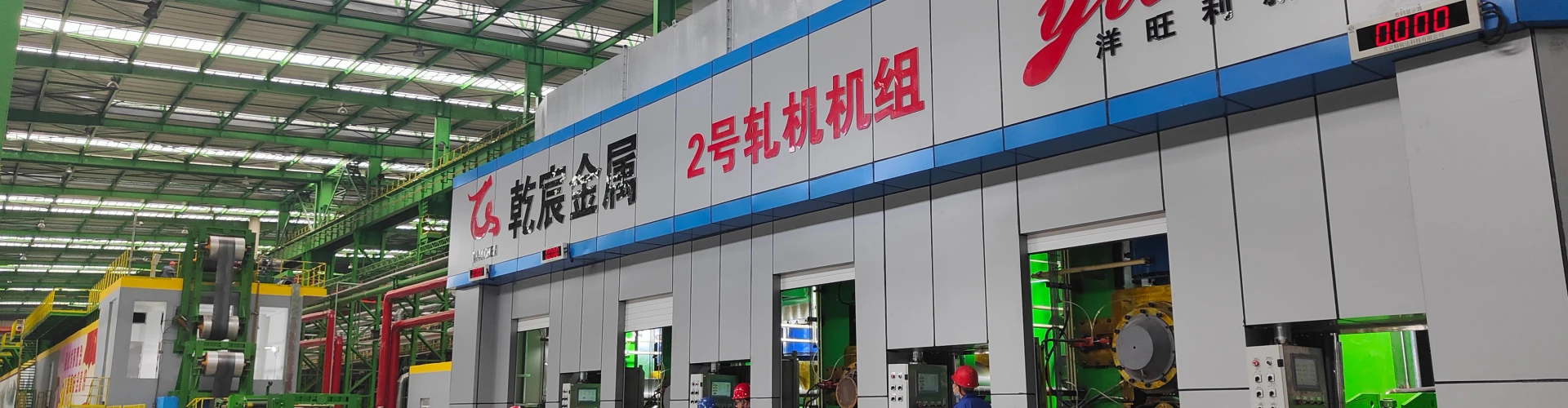
- Weld overlay companies, like YWLX, play a vital role in optimizing the production of corrosion - resistant materials. With their specialized knowledge and state - of - the - art equipment, they can streamline the cladding process to improve productivity and reduce costs. YWLX's independently developed cold rolling cladding technology and complete equipment are designed to increase production efficiency. The ability to bond bimetal or triple metals in one production line reduces the complexity and time required for multiple manufacturing steps. This not only speeds up the production process but also minimizes material waste, leading to cost savings. For wholesalers, partnering with reliable weld overlay companies ensures a steady supply of high - quality corrosion - resistant materials at competitive prices.
- Weld overlay companies also contribute to research and development in the field of cladding. They constantly explore new materials, techniques, and process improvements to enhance the performance and functionality of corrosion - resistant coatings. YWLX's commitment to innovation, by combining the latest global technology, allows them to stay ahead of the curve. Their research efforts result in the development of new cladding technologies that can produce coatings with improved corrosion resistance, better adhesion, and enhanced mechanical properties. These advancements benefit wholesalers by enabling them to offer cutting - edge products to their customers, meeting the evolving demands of industries for more durable and reliable materials.
Cladding Process in Corrosion - Resistant Coatings FAQS
What types of materials can be used for cladding process to create corrosion - resistant coatings?
A wide range of materials can be used in the cladding process for corrosion - resistant coatings. Commonly used materials include stainless steel, which offers excellent resistance to a variety of corrosive environments; nickel - based alloys, known for their high - temperature and corrosion resistance; copper and its alloys, which are effective against certain types of corrosion; and aluminum - based alloys. The choice of material depends on the specific corrosion conditions of the application, such as the type of corrosive medium (acid, alkali, saltwater, etc.), temperature, and mechanical requirements. YWLX's expertise in the cladding process allows them to select and apply the most suitable materials to ensure optimal corrosion protection for different industries.
How does weld overlay cladding ensure the adhesion of the cladding layer to the base material?
Weld overlay cladding ensures strong adhesion through the use of welding techniques. The heat generated during the welding process melts both the filler material (used for cladding) and a thin layer of the base material. As the molten materials cool and solidify, they form a metallurgical bond, which is much stronger than a mechanical bond. This metallurgical bonding creates a seamless integration between the cladding layer and the base material, ensuring that the cladding layer remains firmly attached even under stress, vibration, and exposure to corrosive agents. YWLX's precise control over the weld overlay cladding process, including parameters such as welding current, speed, and heat input, further enhances the adhesion quality of the coatings.
What are the advantages of partnering with weld overlay companies like YWLX for wholesalers?
Partnering with weld overlay companies like YWLX offers several advantages for wholesalers. Firstly, YWLX's advanced technologies, such as the independently developed cold rolling cladding technology, ensure the production of high - quality corrosion - resistant materials with consistent performance. This helps wholesalers maintain a good reputation among their customers. Secondly, the company's optimized production processes lead to cost savings, which can be passed on to wholesalers, allowing them to offer competitive prices. Thirdly, YWLX's focus on research and development means that wholesalers have access to the latest and most innovative corrosion - resistant products, giving them a competitive edge in the market. Finally, the company's reliable supply chain ensures a steady flow of materials, reducing the risk of shortages and enabling wholesalers to meet the demands of their customers in a timely manner.
What factors affect the cost of cladding process for corrosion - resistant coatings?
The cost of the cladding process for corrosion - resistant coatings is influenced by multiple factors. The type and quantity of the base material and the cladding material play a significant role. High - performance and rare materials for cladding, such as certain nickel - based alloys, tend to be more expensive. Additionally, the complexity of the cladding process, especially for intricate shapes or large - scale components, can increase labor and equipment usage costs. The choice of weld overlay cladding method also matters; more advanced welding techniques might require specialized equipment and skilled operators, driving up expenses. YWLX helps wholesalers understand these cost - influencing factors and offers cost - effective solutions through its optimized production processes and material selection expertise.
How suitable is cladding process for different environmental corrosive conditions?
The cladding process is highly adaptable to various environmental corrosive conditions, depending on the selection of the cladding material. For environments with high humidity and exposure to saltwater, like coastal industrial areas, cladding materials with excellent anti - chloride corrosion properties, such as specific stainless steels or nickel - copper alloys, are ideal. In acidic environments, materials with strong acid - resistance, like certain high - silicon stainless steels, can be used via the cladding process. YWLX's wide range of developed cladding technologies and materials allows wholesalers to source products that are well - suited to the specific corrosive challenges of different industries and regions, ensuring effective protection and long - term durability of the coated materials.
-
Ship Multi-Project Equipment on the Lantern FestivalNewsMar.03,2026
-
YWLX Deep Dives into Cladding Line with Dubai ClientNewsDec.22,2025
-
1450mm 6-Hi Reversing Mill Goes Live in BangladeshNewsOct.28,2025
-
Sep. 3rd Parade: Carry Forward and Press OnNewsSep.03,2025
-
Indian Clients Visit YWLX to Inspect Skin-pass MillNewsJun.22,2025
-
Full- throttle! YWLX's Intense Production During May DayNewsMay.01,2025
-
YWLX Participated in the 2025 Chinese GAP Program Review ConferenceNewsApr.17,2025