Precision Industrial Web Handling with کنترل کشش حلقه بسته
The Ultimate Guide to کنترل کشش حلقه بسته: Precision Tension Control
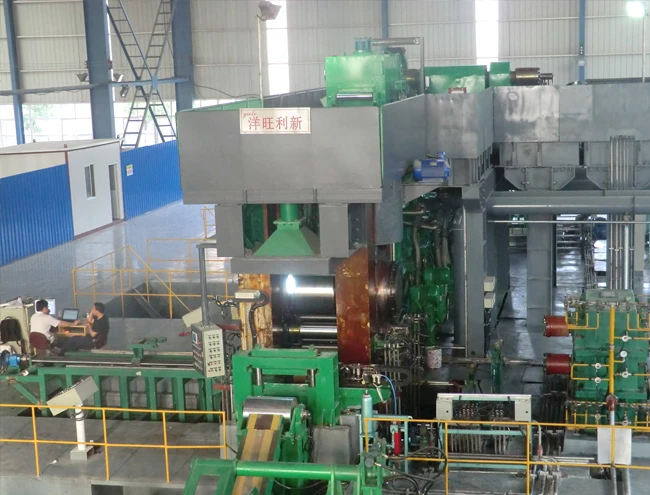
In the world of industrial web handling, maintaining consistent tension is the difference between a flawless product and costly waste. A high-performance کنترل کشش حلقه بسته (Closed-Loop Tension Control) system ensures that materials—whether they be paper, film, or textile—are processed with absolute precision. By utilizing real-time feedback to adjust drive speeds, closed-loop systems eliminate the fluctuations common in open-loop setups. This guide explores how implementing these systems can revolutionize your production efficiency and product quality.
How کنترل کشش حلقه بسته Works in Modern Manufacturing
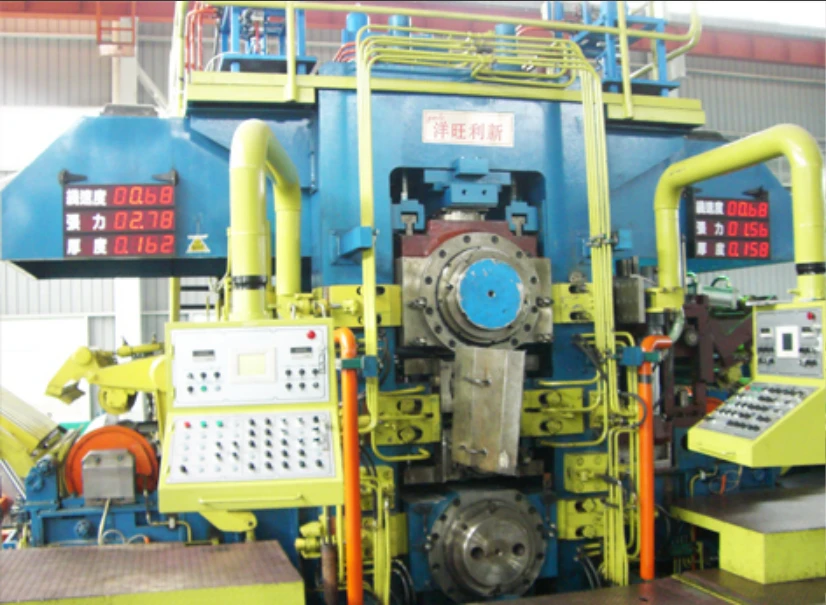
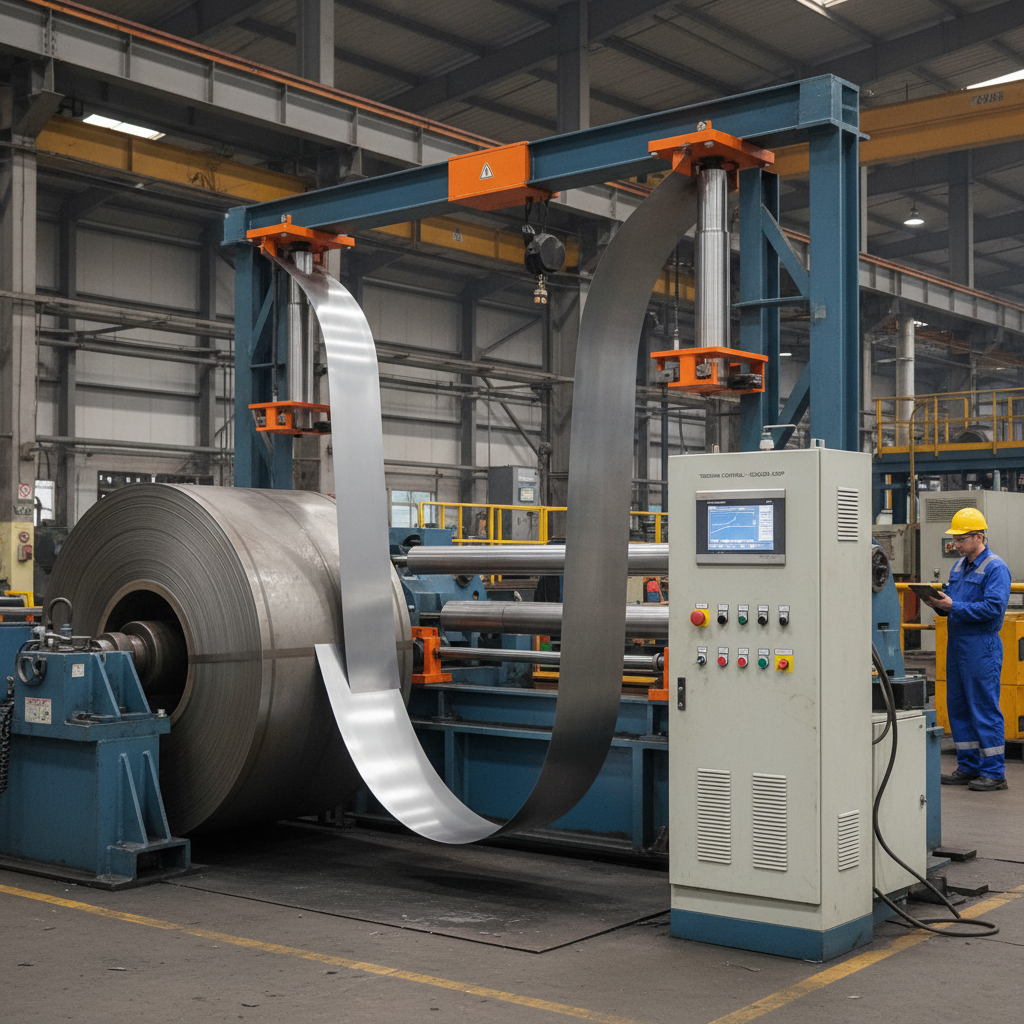
A closed-loop system operates on the principle of continuous feedback. Unlike simple speed-matching, a کنترل کشش حلقه بسته system uses sensors—such as load cells or dancer rollers—to monitor the actual tension of the material. This data is sent to a controller (usually a PID controller), which compares the actual tension against the desired setpoint. If a discrepancy is found, the controller instantly adjusts the motor speed of the unwind or rewind station to correct the error. This prevents material stretching, wrinkling, or snapping during high-speed operations.
Core Components: The system typically comprises a tension sensor (the "eyes"), a PID controller (the "brain"), and a variable frequency drive or servo motor (the "muscles") working in perfect harmony.
Comparing Open-Loop vs. Closed-Loop Tension Control
Many legacy machines rely on open-loop control, which assumes that a specific speed or torque will result in a specific tension. However, external factors like friction and roll diameter changes make this unreliable. Transitioning to a کنترل کشش حلقه بسته system provides a dynamic response to these variables. The following table highlights the stark differences in performance and reliability between the two approaches.
Key Benefits of Implementing Closed-Loop Tension
Investing in a professional کنترل کشش حلقه بسته system provides immediate ROI through increased throughput and reduced downtime. By eliminating the manual "trial and error" phase of machine setup, operators can switch between different material types more quickly. Furthermore, it ensures that the structural integrity of the web is maintained, which is critical for high-end pharmaceutical packaging or precision electronics manufacturing.
Operational Advantages:
• Reduced Web Breakage: Prevents sudden tension spikes that cause material snaps.
• Uniform Winding: Ensures rolls are wound tightly and evenly without "telescoping."
• Consistent Quality: Eliminates stretching that can alter product dimensions.
• Energy Efficiency: Optimized motor control reduces wasted energy.
Industry Applications for کنترل کشش حلقه بسته
The versatility of closed-loop systems makes them essential across various sectors. In the printing industry, where alignment is everything, a کنترل کشش حلقه بسته system prevents registration errors. In the textile industry, it ensures that fabrics are woven or coated without distortions. Even in the production of thin aluminum foils or plastic films, where the material is extremely fragile, closed-loop control provides the delicate touch necessary to maintain stability at high speeds.
Technical Specifications of Tension Control Systems
When selecting a کنترل کشش حلقه بسته solution, it is vital to consider the technical specifications to ensure compatibility with your existing machinery. Factors such as sampling frequency, sensor sensitivity, and response time determine how effectively the system can react to sudden changes in load. Below is a standard specification table for high-end tension control modules.
Conclusion: Elevating Production with Precision
Implementing a کنترل کشش حلقه بسته system is more than just a technical upgrade; it is a strategic move toward operational excellence. By ensuring consistent tension, manufacturers can drastically reduce waste, improve product aesthetics, and increase the overall speed of their production lines. Whether you are dealing with delicate films or heavy-duty fabrics, the stability provided by closed-loop control is indispensable for modern industry. Choose the right system today to safeguard your quality tomorrow.
Frequently Asked Questions (FAQs)
What is the primary difference between closed-loop and open-loop tension control?
The primary difference lies in the presence of feedback. An open-loop system sends a command to the motor based on a pre-calculated formula, but it has no way of knowing if the actual tension is correct. In contrast, a کنترل کشش حلقه بسته system uses sensors to measure actual tension in real-time and continuously adjusts the motor speed to eliminate any error between the actual and desired tension. This makes closed-loop systems far more accurate and resilient to changes in environment or material.
Which sensors are best for a closed-loop tension system?
The choice of sensor depends on your specific material and machine design. Load cells are highly accurate and ideal for static measurements. Dancer rollers are excellent for absorbing sudden shocks and providing a mechanical buffer, making them a favorite for high-speed winding. Ultrasonic sensors are useful for non-contact measurement of roll diameters. Most professional کنترل کشش حلقه بسته setups may even use a combination of these sensors to achieve maximum stability across different stages of the production line.
Can I retrofit an old machine with a closed-loop control system?
Yes, most traditional machines can be retrofitted. The process typically involves adding a tension sensor (like a load cell or dancer arm), installing a PID controller, and replacing the old motor drive with a Variable Frequency Drive (VFD) or a Servo Drive. While the mechanical installation varies, the logic of کنترل کشش حلقه بسته remains the same. Retrofitting often provides a massive leap in quality without the need to purchase an entirely new production line, making it a cost-effective way to modernize your facility.
-
Ship Multi-Project Equipment on the Lantern FestivalNewsMar.03,2026
-
YWLX Deep Dives into Cladding Line with Dubai ClientNewsDec.22,2025
-
1450mm 6-Hi Reversing Mill Goes Live in BangladeshNewsOct.28,2025
-
Sep. 3rd Parade: Carry Forward and Press OnNewsSep.03,2025
-
Indian Clients Visit YWLX to Inspect Skin-pass MillNewsJun.22,2025
-
Full- throttle! YWLX's Intense Production During May DayNewsMay.01,2025
-
YWLX Participated in the 2025 Chinese GAP Program Review ConferenceNewsApr.17,2025