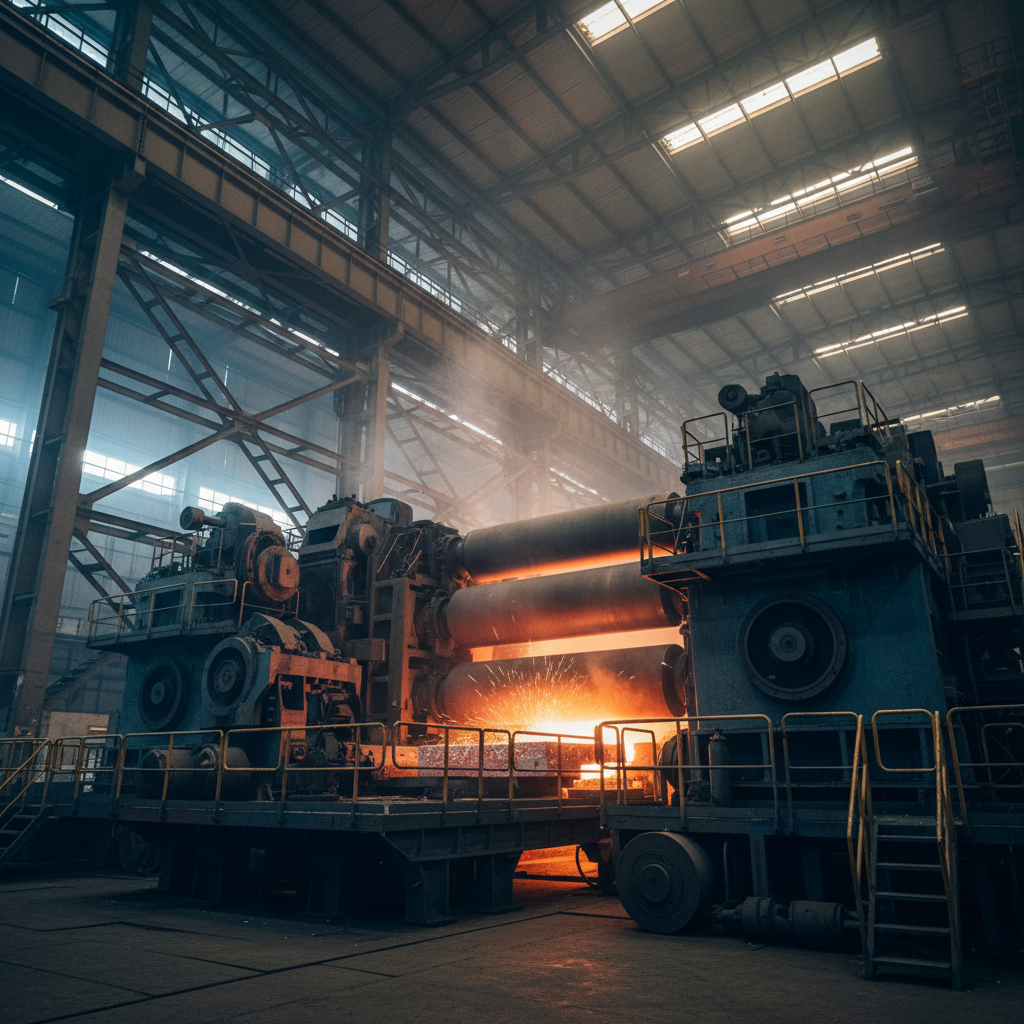
The metalworking industry has long relied on precision and control to transform raw materials into functional components. Among the various tools available for small-scale production and prototyping, the manual rolling mill remains an indispensable asset for craftsmen and engineers who require tactile feedback and immediate adjustment during the rolling process.
Unlike fully automated lines, a manual rolling mill provides an unmatched level of flexibility, allowing operators to calibrate thickness and tension in real-time. This capability is crucial in specialized metal processing where material consistency can vary, and a "human touch" is necessary to prevent defects or material failure during the reduction phase.
Understanding the operational nuances of these machines is not just about tradition; it is about optimizing efficiency for low-volume, high-precision tasks. By integrating a manual rolling mill into a broader production workflow—alongside advanced AGC systems or tandem mills—manufacturers can bridge the gap between experimental design and mass production.
Global Industrial Relevance of Manual Rolling Mills
On a global scale, the demand for specialized metal processing continues to grow, particularly in emerging markets where agility and low capital expenditure are prioritized. The manual rolling mill serves as a cornerstone for small-to-medium enterprises (SMEs) that cannot justify the cost of a full-scale Tandem Cold Mill but require the same level of geometric precision for their output.
According to ISO standards for metalworking equipment, the reliability of manual systems depends heavily on the quality of the roll materials and the rigidity of the frame. In regions with developing industrial bases, these machines enable local workshops to produce high-quality foil, sheets, and specialized strips, fostering local innovation and reducing dependence on expensive imports of semi-finished metal products.
Defining the Manual Rolling Mill in Modern Metallurgy
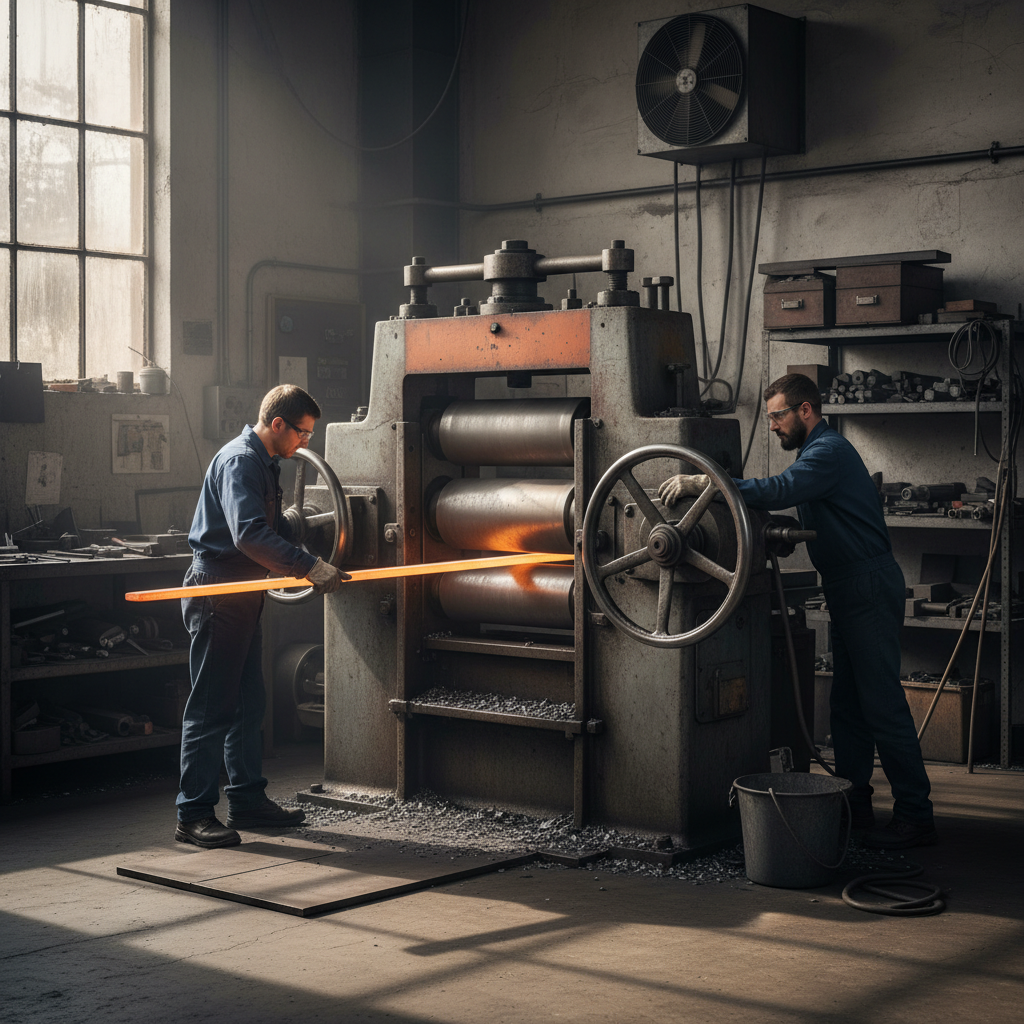
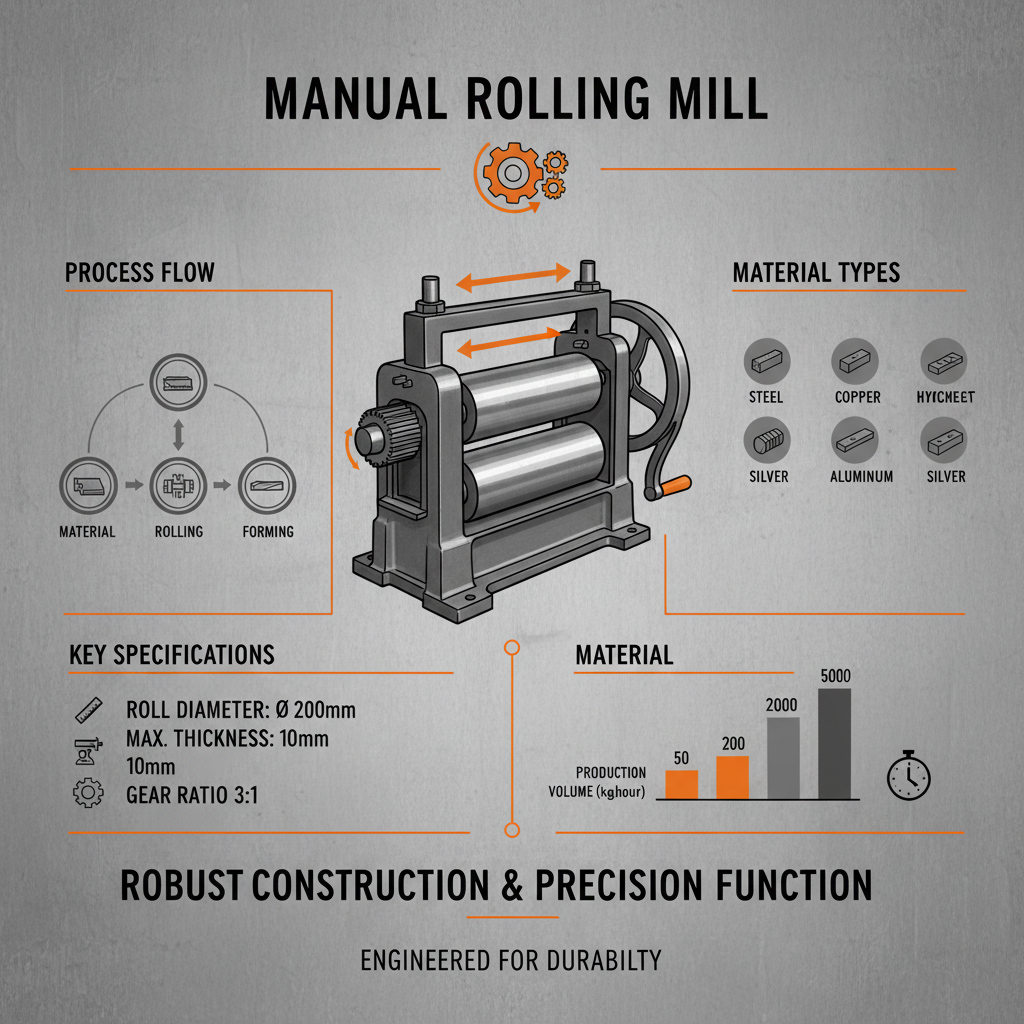
At its core, a manual rolling mill is a mechanical device consisting of two or more heavy-duty rollers that apply compressive force to a metal workpiece to reduce its thickness and increase its length. Unlike automated systems, the gap between the rollers is adjusted by hand, usually via a micrometer screw or a lever system, giving the operator absolute control over the reduction ratio per pass.
In the context of modern industry, this tool is far from obsolete; rather, it has evolved into a precision instrument. It is frequently used in "boutique" metallurgy, where precious metals or exotic alloys are processed in small batches. The ability to manually feel the resistance of the metal allows for the detection of internal flaws or uneven hardness that a sensor might miss in a high-speed automated line.
Furthermore, the connection between manual rolling and humanitarian needs is evident in remote industrial zones. In areas where electricity is unstable or unavailable, a robust manual rolling mill allows for the production of essential metal components for agriculture and construction, ensuring that infrastructure development can continue regardless of the energy grid's status.
Core Components and Engineering Factors
The structural integrity of a manual rolling mill begins with its frame. To prevent deflection under extreme pressure, high-grade cast iron or reinforced steel is utilized, ensuring that the rolls remain perfectly parallel. This rigidity is what separates a professional-grade mill from a hobbyist tool, as any slight deviation in parallelism results in uneven thickness across the width of the sheet.
Roll material selection is the second critical factor. Depending on the target material—whether it be aluminum, copper, or hardened steel—the rollers themselves must be made from tungsten carbide, hardened chrome steel, or high-carbon alloys. This ensures that the manual rolling mill maintains its surface finish over thousands of cycles without pitting or wearing down, which would otherwise compromise the quality of the finished metal product.
Finally, the adjustment mechanism determines the mill's precision. Advanced manual mills incorporate fine-threaded adjustment screws and digital readouts to allow for micron-level accuracy. When paired with high-quality bearings to reduce friction, the operator can achieve a smooth, consistent glide, minimizing the physical effort required and maximizing the repeatability of the rolling process.
Performance Metrics and Operational Efficiency
Measuring the efficiency of a manual rolling mill requires a different approach than evaluating a Cold Rolling Line. Instead of focusing on tons-per-hour, the key metrics are thickness tolerance, surface quality, and the "reduction per pass" capability. A high-performing mill allows for significant reduction without causing material fracture, which is essential when working with work-hardening metals.
Efficiency is also tied to the ergonomics of the design. A mill that reduces operator fatigue through optimized handle placement and balanced gearing will naturally produce more consistent results over an eight-hour shift, reducing the likelihood of human error in the final stages of the rolling sequence.
Manual Rolling Mill Performance Comparison
Real-World Applications and Global Use Cases
In real-world industrial settings, the manual rolling mill is frequently employed in the jewelry and precious metals industry. Here, the need for extreme precision in foil thickness—often measured in microns—makes the manual approach superior to high-speed automation, as it allows the artisan to adjust the roll gap based on the specific hardness of the gold or silver alloy being processed.
Beyond luxury goods, these mills are critical in remote industrial zones and research laboratories. For instance, in material science labs developing new superconducting alloys, manual mills are used to create sample strips for testing. In post-disaster relief operations, portable manual rolling equipment can be used to repair metal sheeting for temporary shelters, providing a reliable solution where power infrastructure has collapsed.
Long-Term Value and Sustainable Advantages
The long-term value of investing in a manual rolling mill lies in its sustainability and reliability. Unlike complex electronic systems that require frequent software updates and expensive proprietary spare parts, a manual mill is a mechanical powerhouse. With basic lubrication and occasional roll polishing, these machines can operate for decades, representing a low-carbon footprint and a high return on investment.
From a psychological and professional perspective, using a manual mill fosters a deeper trust between the operator and the material. This "tactile intelligence" leads to higher quality control, as the operator can sense the exact moment a material reaches its limit of plasticity, thereby preventing costly scrap and reducing material waste.
Furthermore, the lack of dependence on heavy electrical loads makes it an eco-friendly choice for small shops aiming for green certification. By reducing energy consumption while maintaining high output quality, the manual rolling mill aligns perfectly with the modern shift toward sustainable manufacturing practices.
Future Innovations in Manual Rolling Technology
The future of the manual rolling mill is not about replacing manual control, but enhancing it. We are seeing a trend toward "hybridization," where manual frames are integrated with digital sensors that provide real-time thickness data without taking over the rolling process. This allows the operator to maintain control while benefiting from the precision of digital monitoring.
Advances in material science are also introducing new roll compositions, such as nano-ceramic coatings, which drastically reduce friction and eliminate the need for lubricants. This makes the manual rolling process cleaner and more efficient, especially when processing high-purity metals that are sensitive to contamination.
As the industry moves toward decentralized manufacturing and "micro-factories," the demand for highly portable yet powerful manual rolling tools will increase. The integration of lightweight, high-strength composites into the frame design will allow these mills to be deployed in diverse environments without sacrificing the rigidity required for professional-grade metal processing.
Analysis of Manual Rolling Mill Technical Specifications by Material
| Material Type |
Recommended Roll Material |
Pressure Requirement |
Surface Finish Grade |
| Soft Aluminum |
Hardened Steel |
Low (2-4) |
Mirror Polish |
| Copper/Brass |
Chrome Steel |
Medium (4-6) |
Satin Finish |
| Stainless Steel |
Tungsten Carbide |
High (7-9) |
Industrial Matte |
| Gold/Silver |
High-Carbon Steel |
Low (1-3) |
High Gloss |
| Titanium Alloy |
Specialized Carbide |
Very High (9-10) |
Technical Smooth |
| Mild Steel |
Hardened Steel |
Medium (5-7) |
Standard Mill |
FAQS
To prevent sticking, use a high-quality rolling lubricant or oil compatible with your specific metal. For precious metals, a light application of specialized rolling compound is recommended. Regular cleaning of the rollers with a non-abrasive solvent also prevents material buildup that can cause surface imperfections.
Manual mills are primarily designed for sheets and foils. While some heavy-duty models can handle thicker plates, they are generally not suited for industrial-scale thick plate reduction. For such tasks, a powered Reversing Mill or a dedicated Hot Rolling Line is necessary to provide the required tonnage of force.
The frequency depends on the material processed. If you are rolling abrasive alloys like stainless steel, you may need to polish rollers every few hundred passes. Full replacement is only necessary when deep pitting or structural wear occurs, which can be avoided through proper lubrication and avoiding overloading the mill.
Yes, provided the mill has high structural rigidity and the operator uses a consistent rolling technique. By utilizing the "pass-back" method (rolling the material through multiple times, rotating it 180 degrees between passes), you can compensate for minor roll crowning and achieve exceptional uniformity.
A 2-high mill has two rollers and requires the operator to manually reverse the material. A 3-high mill includes a third supporting roller, allowing the material to be rolled in both directions without being removed from the machine, significantly increasing the speed and efficiency of the process.
Larger diameter rolls provide more stability and are better for thicker materials or wider sheets to prevent "bowing." Smaller diameter rolls allow for tighter radii and are generally easier to operate manually for very thin foils. Always match the roll diameter to the maximum width of your material.
Conclusion
The manual rolling mill remains a vital instrument in the metalworking world, offering a unique blend of precision, flexibility, and durability. From its role in high-end jewelry production to its utility in remote industrial zones, it provides a reliable alternative to automation when tactile control and low overhead are paramount. By focusing on high-quality frame rigidity and roll material selection, users can achieve industrial-grade results with minimal energy consumption.
Looking forward, the integration of hybrid digital monitoring and advanced ceramic coatings will only enhance the value of these machines. For manufacturers and artisans alike, investing in a high-quality manual mill is a commitment to craftsmanship and sustainable production. We encourage you to explore how these precision tools can optimize your workflow. Visit our website: www.bjywlx.com