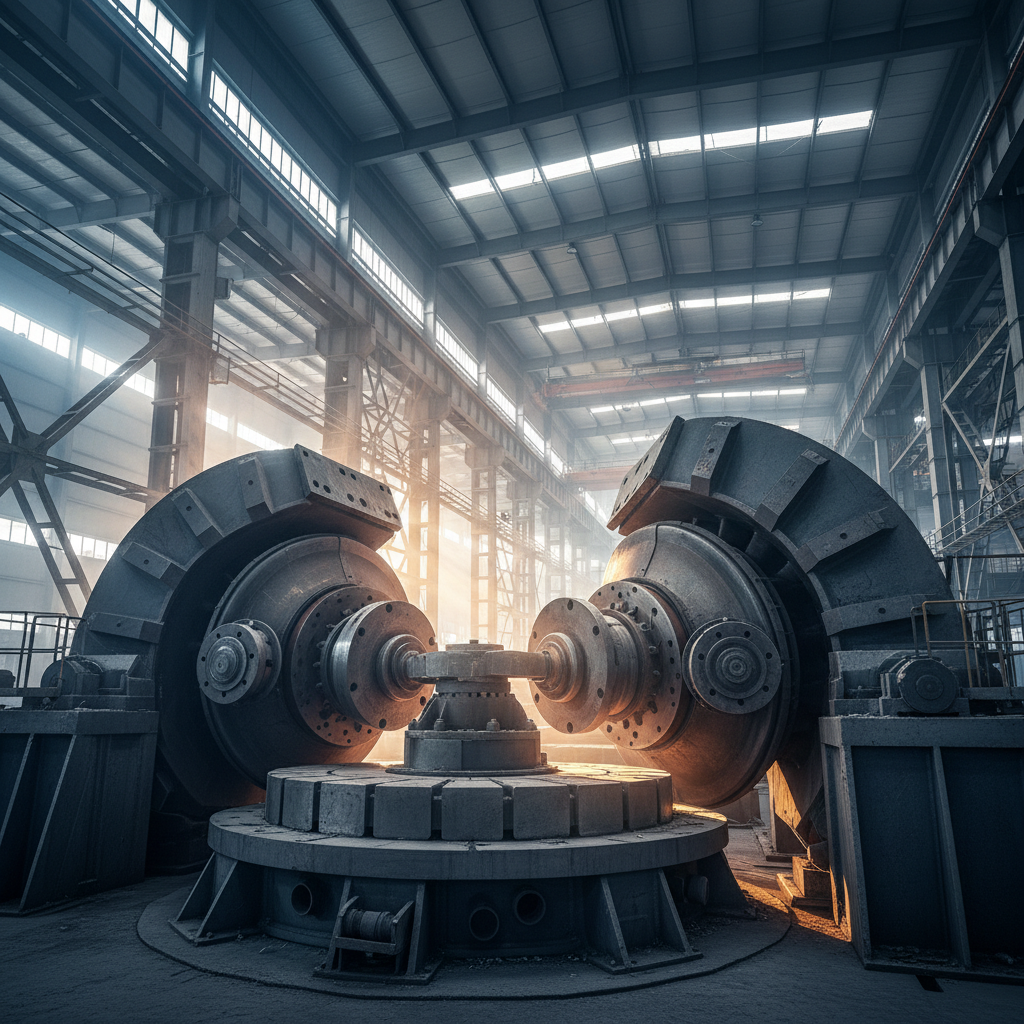
The global demand for high-performance lightweight materials has propelled the aluminum rolling machine into the spotlight of modern industrial manufacturing. As industries from aerospace to automotive seek to reduce carbon footprints and increase fuel efficiency, the precision of metal deformation through rolling becomes the critical link in the supply chain. Understanding the nuances of this technology is not just about mechanical throughput, but about achieving the exact metallurgical properties required for next-generation engineering.
From a global economic perspective, the efficiency of an aluminum rolling machine directly impacts the cost of aluminum foil, sheets, and plates used in everything from food packaging to electric vehicle battery casings. The transition toward a circular economy emphasizes the need for equipment that can handle recycled aluminum alloys without compromising structural integrity, making the evolution of rolling mill technology a cornerstone of sustainable development.
For manufacturers, investing in a sophisticated aluminum rolling machine means balancing the delicate trade-off between rolling speed and surface quality. Whether employing a cold rolling process for a mirror-like finish or a hot rolling line for massive structural billets, the goal remains the same: achieving absolute dimensional tolerance while maximizing material yield and minimizing energy consumption.
Global Industrial Significance of Aluminum Rolling
The strategic importance of the aluminum rolling machine is underscored by the rapid growth of the global aluminum market, which has seen a steady CAGR as emerging economies industrialize. According to international industrial standards and ISO guidelines, the precision of thickness control in rolled aluminum is a primary indicator of a nation's manufacturing maturity. In regions like Southeast Asia and Europe, the shift toward lightweighting in transport has created an unprecedented demand for high-strength aluminum alloys that can only be produced via precise rolling.
However, the industry faces a significant challenge: the energy intensity of primary aluminum production. This is where the modern rolling mill plays a pivotal role. By optimizing the rolling process, manufacturers can reduce waste and integrate secondary (recycled) aluminum more effectively. The ability of a machine to handle varying alloy compositions while maintaining a consistent gauge is no longer a luxury—it is a necessity for survival in a competitive, green-conscious global market.
Defining the Aluminum Rolling Machine and Its Role
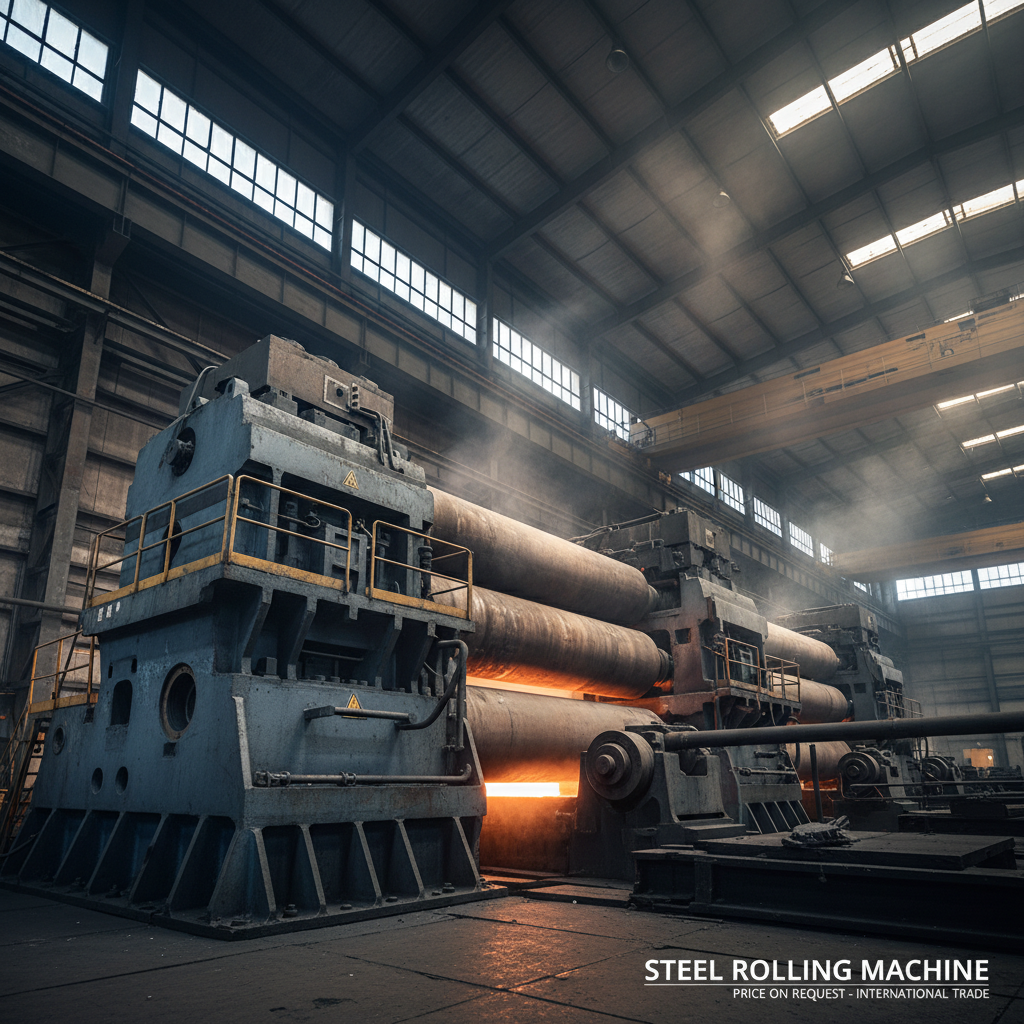
In simple mechanical terms, an aluminum rolling machine is a heavy-duty industrial system designed to reduce the thickness of aluminum slabs, blooms, or billets through the application of compressive force via rotating rollers. Unlike steel rolling, aluminum requires a more nuanced approach due to its lower melting point and higher ductility, necessitating precise temperature control and specialized roll materials to prevent sticking and surface defects.
Beyond the hardware, these machines represent the intersection of metallurgy and mechanical engineering. They are designed to manipulate the grain structure of the metal, enhancing its strength and durability through work hardening. This process is essential for creating materials that are not only light but can withstand extreme pressures, such as those found in aircraft skins or high-pressure hydraulic components.
From a broader perspective, these machines address a fundamental humanitarian and environmental need: the reduction of carbon emissions. By enabling the mass production of aluminum for electric vehicles (EVs) and renewable energy infrastructure (such as solar panel frames), the rolling mill acts as a silent catalyst for the global energy transition, turning raw metal into the building blocks of a sustainable future.
Core Technical Components for Precision Rolling
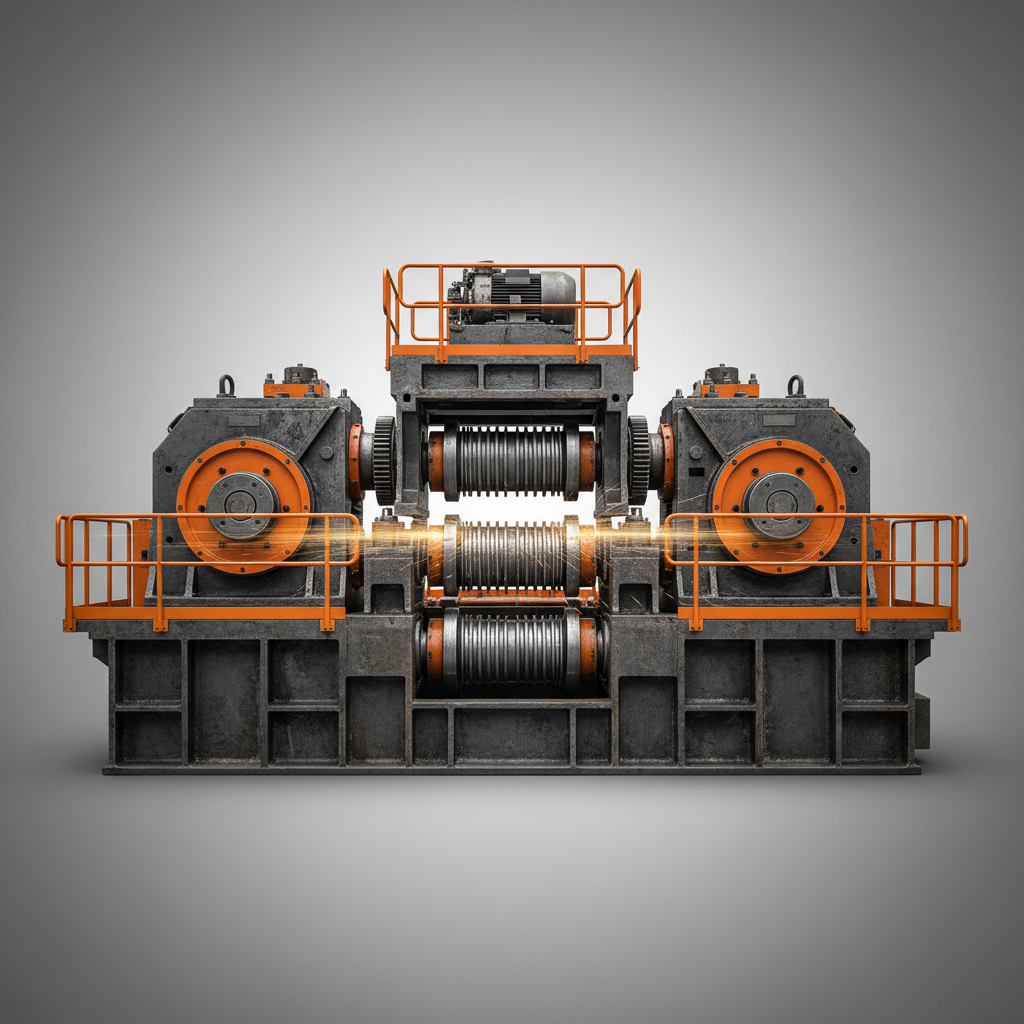
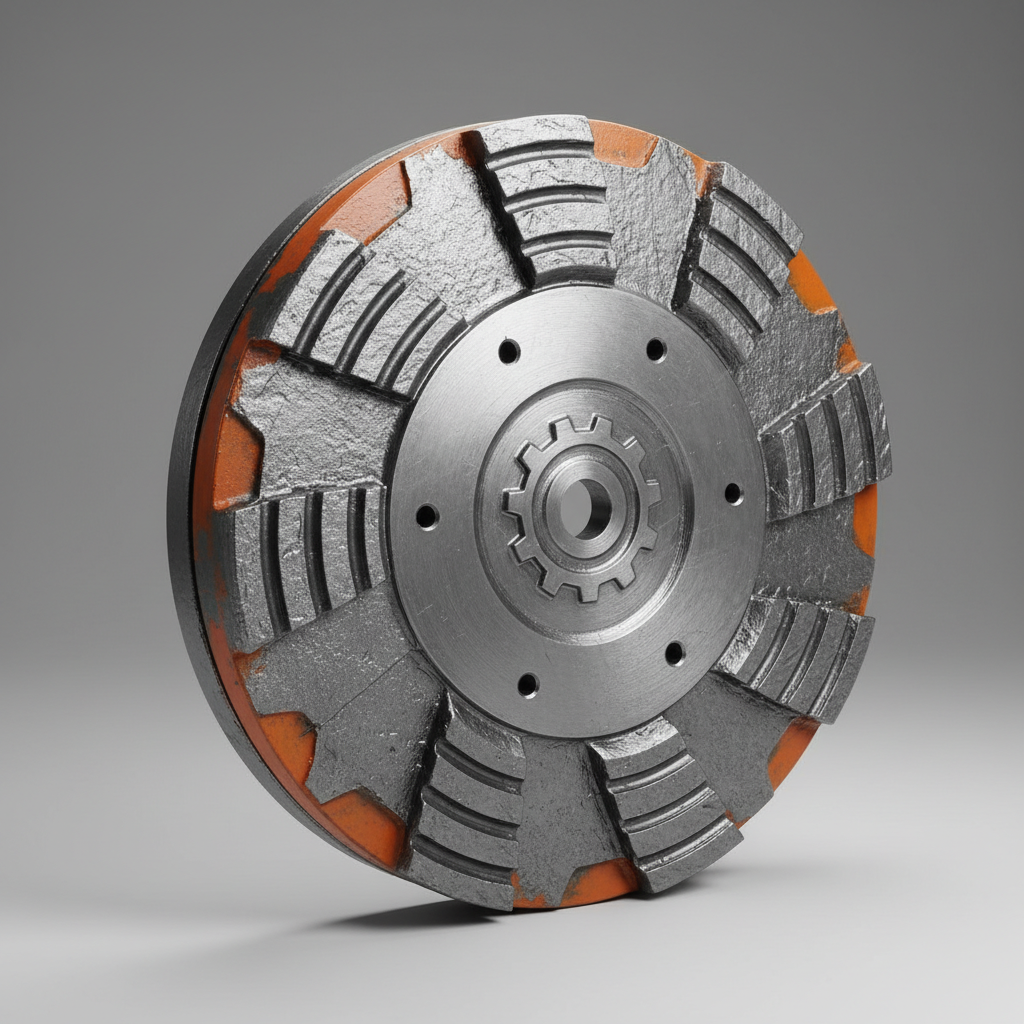
The heart of any high-performance aluminum rolling machine lies in its Work Roll and Backup Roll assembly. The work rolls directly contact the aluminum, and their surface finish determines the final quality of the product. To prevent the "orange peel" effect or surface scratches, these rolls are often coated with specialized materials or polished to a mirror finish, ensuring that the metal flows smoothly under immense pressure.
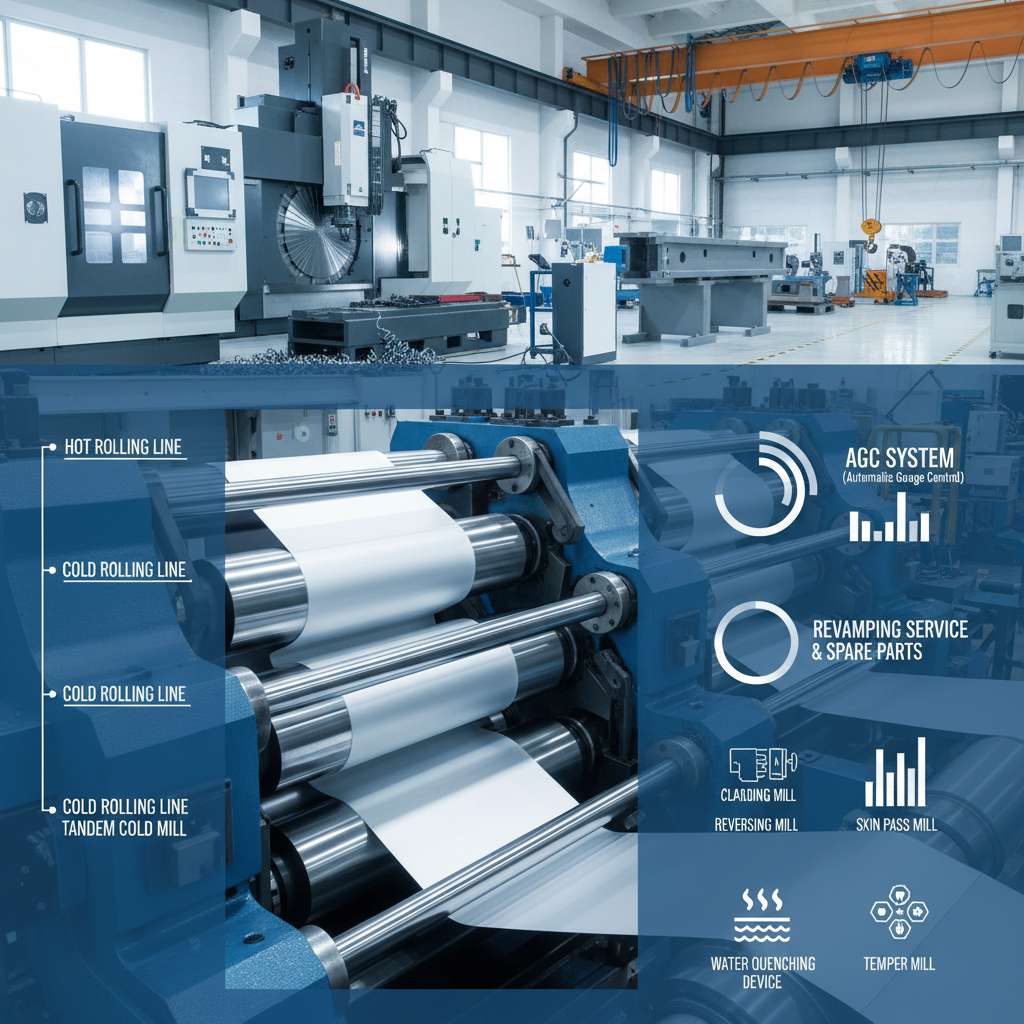
Another critical component is the Automatic Gauge Control (AGC) system. The AGC acts as the "brain" of the aluminum rolling machine, utilizing real-time sensors to detect thickness deviations and instantly adjusting the roll gap via high-pressure hydraulic actuators. This ensures that the final product maintains a tolerance of mere microns, which is vital for high-end applications like capacitors or pharmaceutical packaging.
Finally, the cooling and lubrication system cannot be overlooked. Because aluminum generates significant heat during deformation, integrated water-quenching devices and precision oil mist systems are employed. These systems prevent thermal expansion of the rolls, which would otherwise lead to inconsistent thickness across the width of the sheet, ensuring the dimensional stability of the aluminum rolling machine output.
Operational Efficiency and Scalability Factors
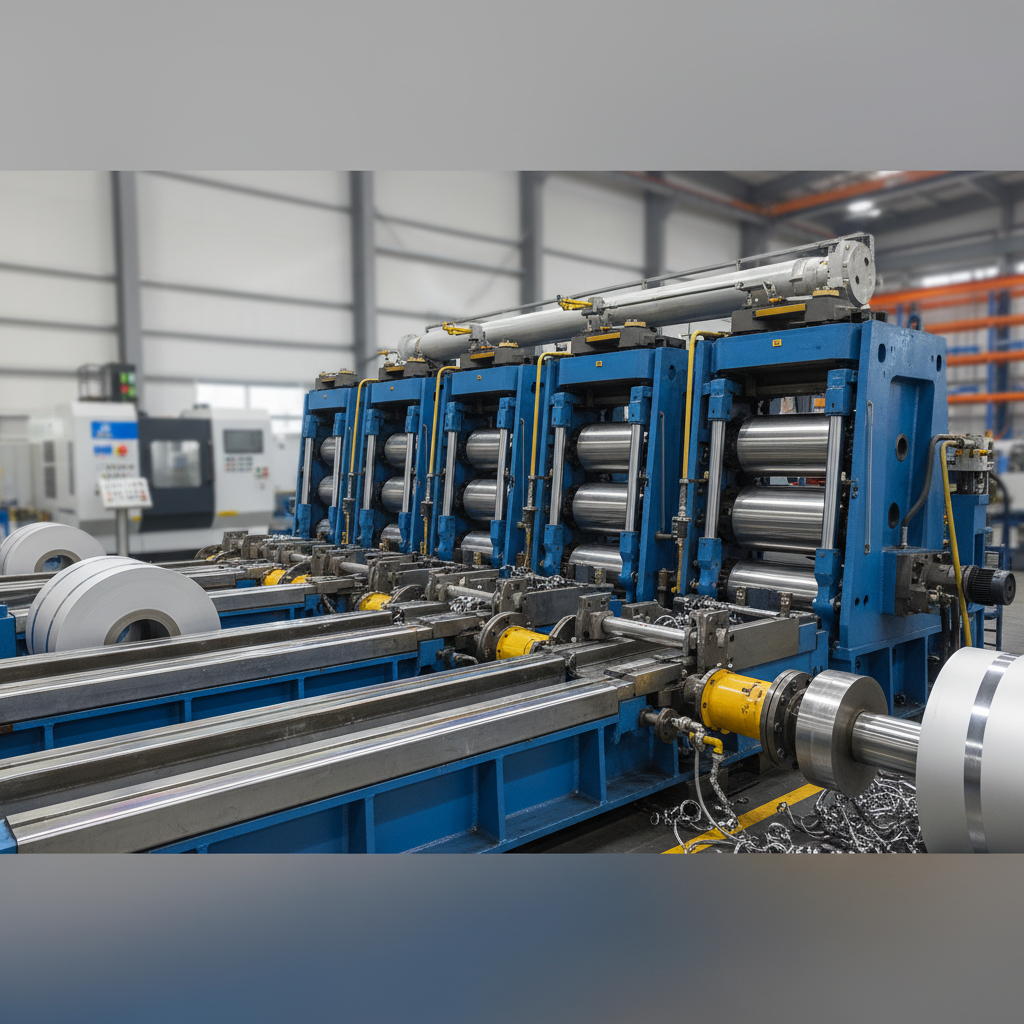
Achieving maximum throughput in an aluminum rolling machine requires a synergy between motor torque, roll diameter, and strip tension. Scalability is often achieved by moving from a simple two-high mill to a four-high or a tandem cold mill configuration. In a tandem setup, the material passes through multiple stands in a single sequence, drastically reducing the time spent on reheating and transporting the metal between passes, which optimizes the overall energy footprint.
Moreover, the integration of digitalization—often referred to as Industry 4.0—allows operators to predict roll wear and schedule maintenance before a failure occurs. By analyzing vibration data and load patterns, the operational life of the aluminum rolling machine is extended, reducing costly downtime and ensuring a steady supply of material to downstream fabrication plants.
Comparison of Aluminum Rolling Machine Performance Metrics
Global Applications Across Strategic Sectors
The versatility of the aluminum rolling machine allows its output to permeate almost every modern industry. In the aerospace sector, specialized rolling mills produce aircraft-grade alloys that offer an incredible strength-to-weight ratio, critical for reducing fuel consumption in long-haul flights. In the automotive world, the transition to EVs has skyrocketed the demand for aluminum battery trays and chassis components, all of which start as rolled sheets.
Beyond high-tech transport, these machines are vital for the packaging industry. High-precision foil rolling mills create the ultra-thin barriers used in food and pharmaceutical packaging, protecting life-saving medicines from oxygen and moisture. In remote industrial zones or developing regions, the deployment of modular rolling lines helps local manufacturers produce construction materials, such as corrugated aluminum roofing, which provides durable and weather-resistant shelter in disaster-prone areas.
Long-term Value: Sustainability and Reliability
Investing in a high-quality aluminum rolling machine provides long-term economic value through the reduction of material scrap. By implementing advanced tension control and precision thickness gauging, manufacturers can maximize the "yield per slab," which directly translates to higher profit margins and less wasted raw material. This operational reliability builds trust with B2B clients who require strict adherence to specifications for their own assembly lines.
From a sustainability angle, the ability to process recycled aluminum is the ultimate value proposition. Modern rolling mills are now being engineered to handle the impurities often found in secondary aluminum, allowing for a closed-loop manufacturing process. This not only reduces the reliance on bauxite mining but also significantly lowers the energy required for production—since recycling aluminum uses only about 5% of the energy needed for primary production.
Ultimately, the value of a rolling mill is measured by its uptime and the consistency of its output. A machine that maintains its precision over decades of service, supported by a robust revamping service and spare parts ecosystem, becomes a strategic asset rather than a depreciating expense. The peace of mind knowing that the equipment can adapt to new alloy grades ensures that the manufacturer remains relevant as market demands evolve.
Future Innovations in Rolling Mill Technology
The future of the aluminum rolling machine is inextricably linked to the digital transformation of the factory floor. We are seeing the rise of "Digital Twins," where a virtual replica of the rolling mill simulates the metal flow and heat distribution before the first slab even enters the machine. This allows for the optimization of rolling schedules and the elimination of trial-and-error passes, saving massive amounts of energy and material.
Material science is also evolving, with the introduction of nano-coated rollers that virtually eliminate the need for traditional lubricants. These "dry rolling" technologies reduce the chemical footprint of the plant and eliminate the need for complex degreasing stages downstream. Furthermore, the integration of AI-driven quality inspection systems using high-speed cameras and laser sensors allows for the detection of surface defects in real-time, automatically marking flawed sections for removal.
As global policies push for "Net Zero," we expect to see rolling mills powered by hydrogen-based heating systems or fully electrified induction heating, replacing traditional gas furnaces. This evolution will transform the aluminum rolling machine from a heavy industrial tool into a precision instrument of green manufacturing.
Comparison of Technical Specifications Across Rolling Machine Types
| Machine Configuration |
Thickness Precision |
Energy Efficiency |
Primary Application |
| Tandem Cold Mill |
Ultra-High (±0.001mm) |
9/10 |
Aluminum Foil/Thin Sheets |
| Reversing Mill |
High (±0.01mm) |
7/10 |
Heavy Plates/Slabs |
| Skin Pass Mill |
Medium (Surface Focus) |
8/10 |
Surface Finishing |
| Temper Mill |
Medium (Stress Relief) |
8/10 |
Mechanical Property Tuning |
| Cladding Mill |
High (Bonding Focus) |
6/10 |
Multi-layer Composite Sheets |
| Hot Rolling Line |
Medium (±0.05mm) |
6/10 |
Initial Slab Reduction |
FAQS
Hot rolling occurs above the recrystallization temperature, allowing for massive reductions in thickness with less force, ideal for initial slab processing. Cold rolling occurs at room temperature, which increases the strength of the aluminum through work hardening and provides a far superior surface finish and tighter dimensional tolerances, making it essential for final product specifications.
An Automatic Gauge Control (AGC) system uses high-precision sensors to monitor the strip thickness in real-time. If it detects a deviation, it instantly adjusts the hydraulic cylinders moving the rolls. This prevents "crown" or "edge drop" and ensures that the aluminum sheet is perfectly flat and uniform across its entire length and width.
Yes, but it requires a machine with a robust control system. Recycled aluminum may have slight variations in alloy composition, which affects its flow stress. A high-quality aluminum rolling machine with adaptive control can adjust the rolling pressure and temperature on the fly to compensate for these variations, maintaining consistent quality.
Common causes include roll contamination (dust or metal particles sticking to the roll), improper lubrication, and "slippage" between the roll and the strip. These are typically solved by improving filtration in the cooling system, using higher-grade roll coatings, and optimizing the tension control settings of the mill.
Regrinding frequency depends on the alloy hardness and the total tonnage processed. However, for high-precision work, rolls are monitored for "wear profiles." Once the roll diameter deviates beyond a certain micron threshold, they must be reground to ensure a consistent gap and prevent thickness variations in the final product.
In many cases, yes. Revamping the electronic controls, upgrading to modern AGC systems, and replacing worn mechanical housings can bring an old mill up to 90% of the efficiency of a new machine at a fraction of the cost. This is especially true for heavy-duty mills where the primary steel structure remains sound.
Conclusion
The aluminum rolling machine is far more than a piece of industrial hardware; it is the enabling technology that allows the modern world to be lighter, stronger, and more sustainable. By mastering the complex interplay of temperature, pressure, and precision control, manufacturers can transform raw aluminum into high-value components that drive the aerospace, automotive, and packaging industries forward. From the critical role of AGC systems to the adoption of green energy in the rolling process, the focus remains on achieving perfection at the micron level.
Looking ahead, the integration of AI, digital twins, and circular economy principles will redefine the standards of metal processing. For companies seeking to maintain a competitive edge, the path forward lies in investing in scalable, intelligent rolling solutions that prioritize both quality and environmental stewardship. We invite you to explore our advanced engineering solutions and discover how the right technology can elevate your production standards. Visit our website: www.bjywlx.com