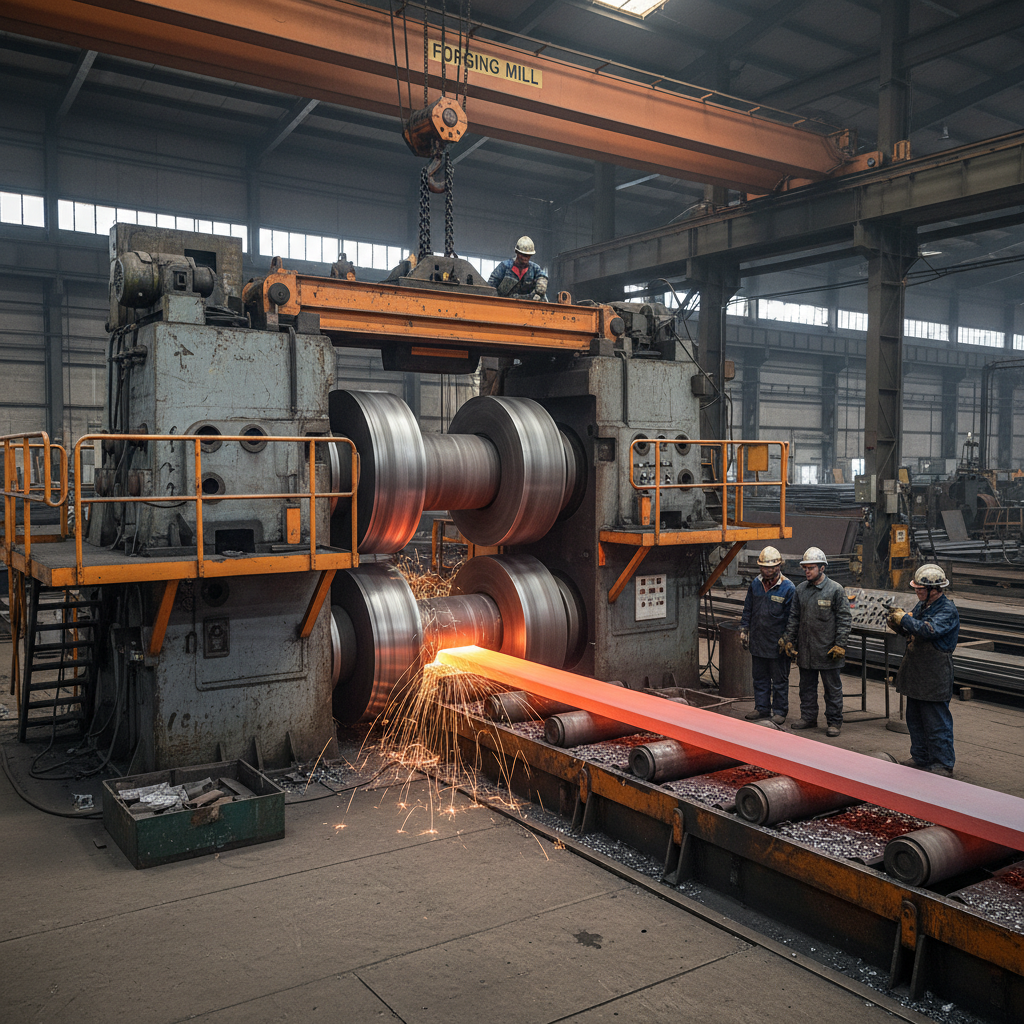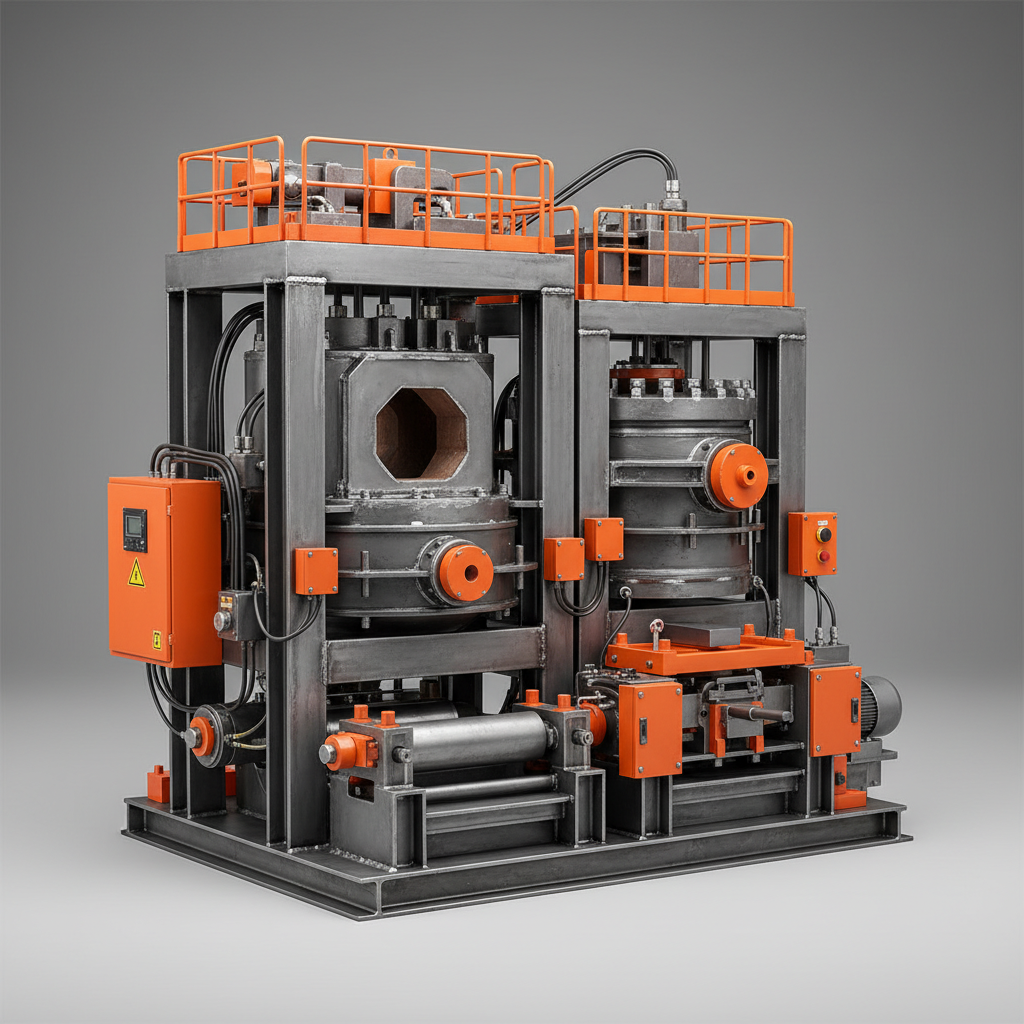
An original manufacturer of rolling mill provides the critical engineering foundation for metallurgical processing, specializing in the design and fabrication of high-precision machinery used to reduce the thickness of metal strips. These manufacturers integrate complex mechanical structures with advanced hydraulic and electronic control systems to ensure material consistency and structural integrity across various grades of steel and non-ferrous alloys.
For industrial operators, the challenge lies in balancing high reduction rates with strict gauge precision. Inconsistent rolling often leads to material waste, increased personnel costs, and suboptimal flatness, which directly affects the downstream quality of zinc galvanizing plates and other finished metal products in the competitive global market.
This technical analysis explores the core capabilities of a professional rolling mill manufacturer, examining the impact of Automatic Gauge Control (AGC) systems, the advantages of turn-key project integration, and the selection criteria for upgrading existing production lines to improve overall yield and operational efficiency.

1Technical Foundations of Rolling Mill Manufacturing

The manufacturing of rolling mills requires a deep integration of metallurgy and precision engineering. A qualified original manufacturer of rolling mill focuses on the structural rigidity of the mill stands and the precision of the roll bearings to prevent deflection during high-pressure operations. This ensures that the rolling process maintains a consistent gap, which is essential for producing thin-gauge strips without compromising the mechanical properties of the metal.
Advanced manufacturers utilize full digital DC speed control and closed-loop tension systems to synchronize the movement of the strip from the payoff reel to the tension reel. This synchronization prevents strip breakage and reduces the frequency of unplanned downtime, which is critical for high-volume production environments.
Furthermore, the use of PLC-based automation allows for real-time monitoring of the process, enabling operators to adjust parameters instantaneously. This level of control is what separates basic machinery from professional-grade metallurgical equipment designed for long-term industrial reliability.
2Core Features of High-Precision Rolling Systems
Modern rolling mills are defined by their ability to achieve massive reduction rates in a single pass. For instance, professional systems can roll steel strips from 3mm down to 0.3mm, meeting the rigorous requirements of zinc galvanizing base plates. This efficiency is achieved through the synergy of powerful hydraulic systems and high-performance working rolls.
A key feature is the implementation of Hydraulic Automatic Gauge Control (HAGC). By utilizing forward, feedback, and mass flow AGC, the system can automatically compensate for thickness variations in real-time, ensuring that the final product adheres to strict tolerances regardless of the initial coil variance.
Additionally, the integration of positive and negative bending rolls helps in controlling the crown of the strip. This technical capability ensures superior flatness across the entire width of the metal, reducing the need for secondary leveling processes and lowering overall production costs.
3Industrial Applications and Material Processing
Rolling mills are versatile tools used across various metallurgical sectors. They are primarily deployed in the production of carbon steel (such as DX51D and SPCC), stainless steel, and silicon steel. Each material requires specific roll profiles and lubrication strategies to prevent surface defects and maintain metallurgical properties.
Beyond steel, these systems are critical for non-ferrous alloys, including aluminum and copper. In these applications, the focus shifts toward preventing surface scratches and managing the higher ductility of the materials, which often requires specialized skin pass mills or temper mills to achieve the desired surface finish.
Common production lines include Reversing Cold Rolling (RCM) and Tandem Cold Rolling (TCM). While RCM is preferred for flexibility and smaller batches, TCM is the industry standard for high-speed, continuous production, often coupled with pickling lines (PL-TCM) to ensure the material is clean before rolling.
4Performance Metrics and AGC Impact Analysis
The efficiency of a rolling mill is measured by its yield rate, gauge precision, and the cost per ton produced. An original manufacturer of rolling mill optimizes these metrics by reducing personnel costs through automation and increasing the percentage of "prime" material that passes quality inspection on the first pass.
The impact of HAGC (Hydraulic Automatic Gauge Control) is most evident in the reduction of thickness deviation. Without AGC, operators must manually adjust the mill, leading to significant "off-gauge" material at the beginning and end of each coil. AGC eliminates this waste by providing instantaneous adjustments.
original manufacturer of rolling mill Performance Metrics
As shown in the performance metrics, systems designed by an experienced manufacturer significantly outperform industry averages in gauge precision and operating speed. This is primarily due to the integration of high-speed PLC controls and superior hydraulic response times, which allow the mill to maintain stability even at maximum throughput.
5Strategic Procurement and Line Upgrades
When procuring a rolling mill, companies must look beyond the initial purchase price and evaluate the Total Cost of Ownership (TCO). A turn-key provider offers consultation, design, installation, and commissioning, which reduces the risk of integration errors that often occur when sourcing components from multiple vendors.
For existing plants, revamping services are often more cost-effective than complete replacements. Upgrading to a modern AGC system or installing a new skin pass mill can dramatically improve productivity and product quality without requiring a full shutdown of the facility.
Furthermore, securing a reliable source for mechanical, hydraulic, and electrical spare parts is vital. Using original components ensures compatibility and prevents the premature wear of the main rolls, which are among the most expensive consumables in the rolling process.
6Innovation Trends in Metallurgical Machinery
The industry is moving toward "Industry 4.0" integration, where rolling mills are equipped with advanced data collection, display, and storage systems. This allows for fault diagnosis and alarm systems that can predict equipment failure before it occurs, transitioning maintenance from a reactive to a predictive model.
Another major trend is the development of coupled pickling and tandem cold rolling lines. By integrating these processes, manufacturers can reduce the transport time of materials and minimize oxidation risks, resulting in a more streamlined workflow and higher energy efficiency.
Finally, there is an increasing focus on environmental sustainability, with new systems incorporating water quenching devices and energy-recovery drives to reduce the carbon footprint of the steel rolling process.
7Comparative Selection: RCM vs. TCM Systems
Choosing between a Reversing Cold Mill (RCM) and a Tandem Cold Mill (TCM) depends on the production volume and the variety of products being manufactured. RCMs offer greater flexibility for different gauges, while TCMs provide unmatched speed for standardized production.
The decision matrix below outlines the primary trade-offs between these two architectural approaches, considering factors such as investment cost, throughput, and operational complexity.
| Feature | Reversing Mill (RCM) | Tandem Mill (TCM) | Selection Logic |
|---|---|---|---|
| Production Speed | Moderate | Very High | TCM for mass volume |
| Product Flexibility | High | Low/Moderate | RCM for diverse gauges |
| Investment Cost | Lower | Higher | RCM for budget starts |
| Process Continuity | Intermittent | Continuous | TCM for high efficiency |
| Footprint | Compact | Extensive | RCM for limited space |
| Operational Complexity | Moderate | High | TCM requires more skill |
Ultimately, for enterprises seeking to establish new cold rolling production lines, the choice should align with the projected market demand. For those focusing on specialized, high-value strips, an RCM is often the superior choice, whereas large-scale industrial suppliers should opt for a PL-TCM configuration.
Frequently Asked Questions
Conclusion
Selecting the right partner for rolling mill production is a strategic decision that impacts long-term operational costs and product competitiveness. By focusing on high-precision AGC systems, robust structural engineering, and comprehensive turn-key integration, manufacturers can achieve a balance of high reduction rates and exceptional gauge precision.
Whether you are establishing a new Cold Rolling Production line or upgrading existing machinery for improved yield, the emphasis should remain on technical reliability and material compatibility. For detailed specifications and tailored rolling solutions, industry professionals can explore the available product information at www.bjywlx.com.