Essential Steps in Laser Cladding Process
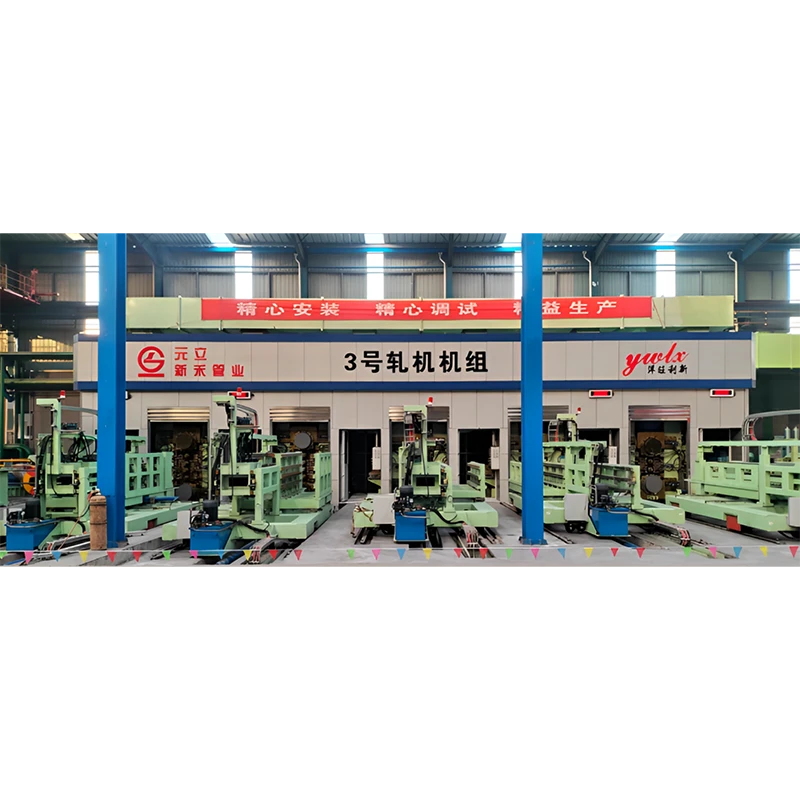
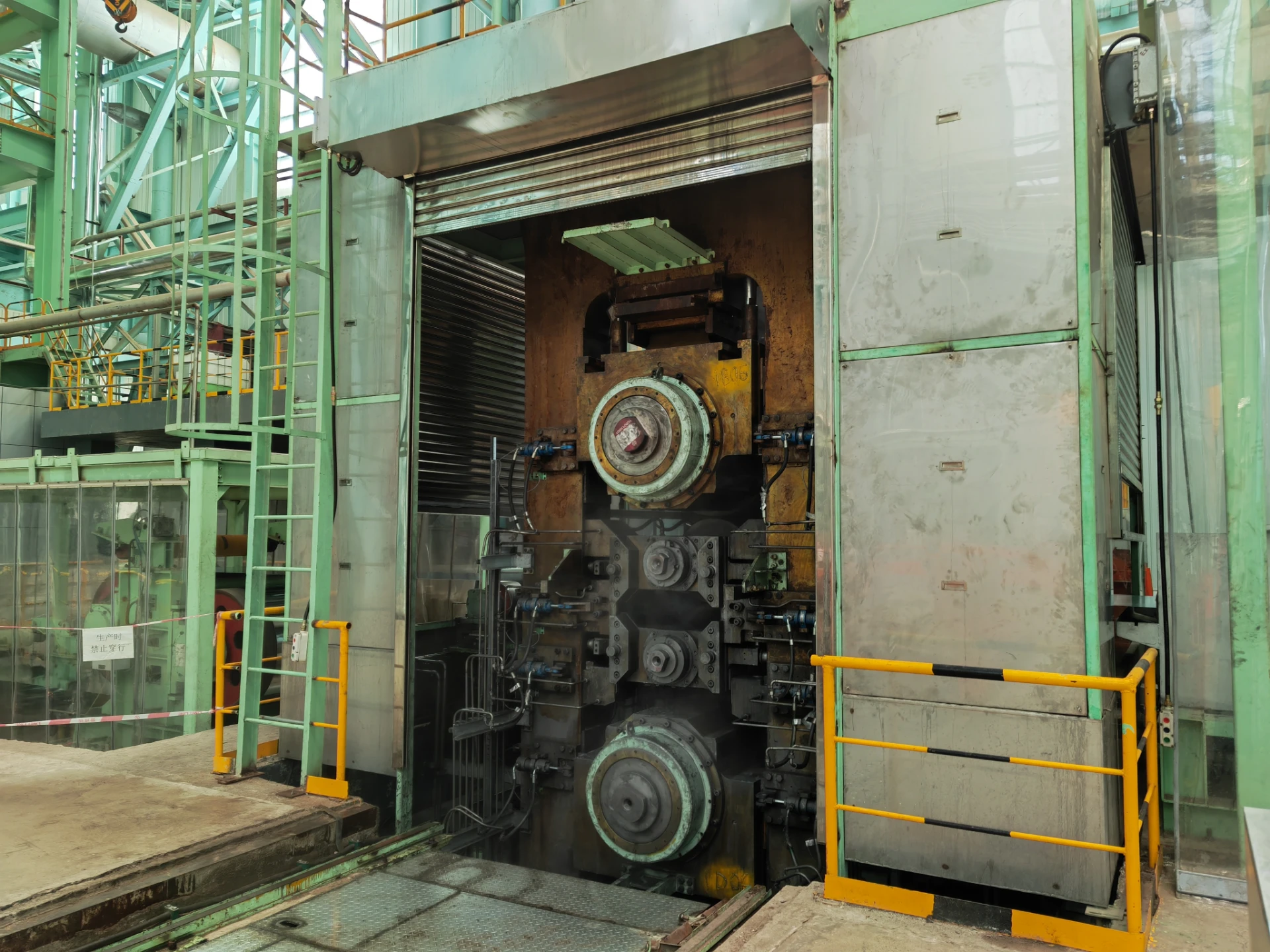
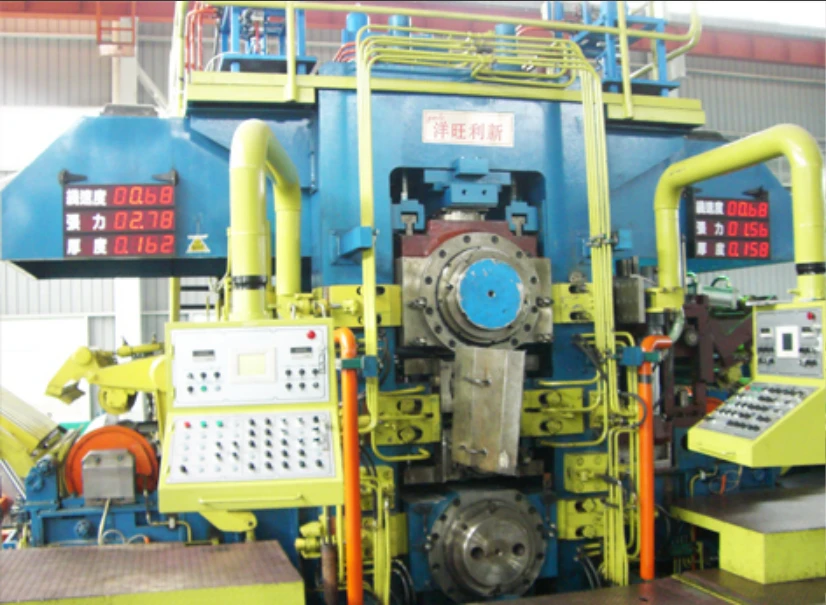
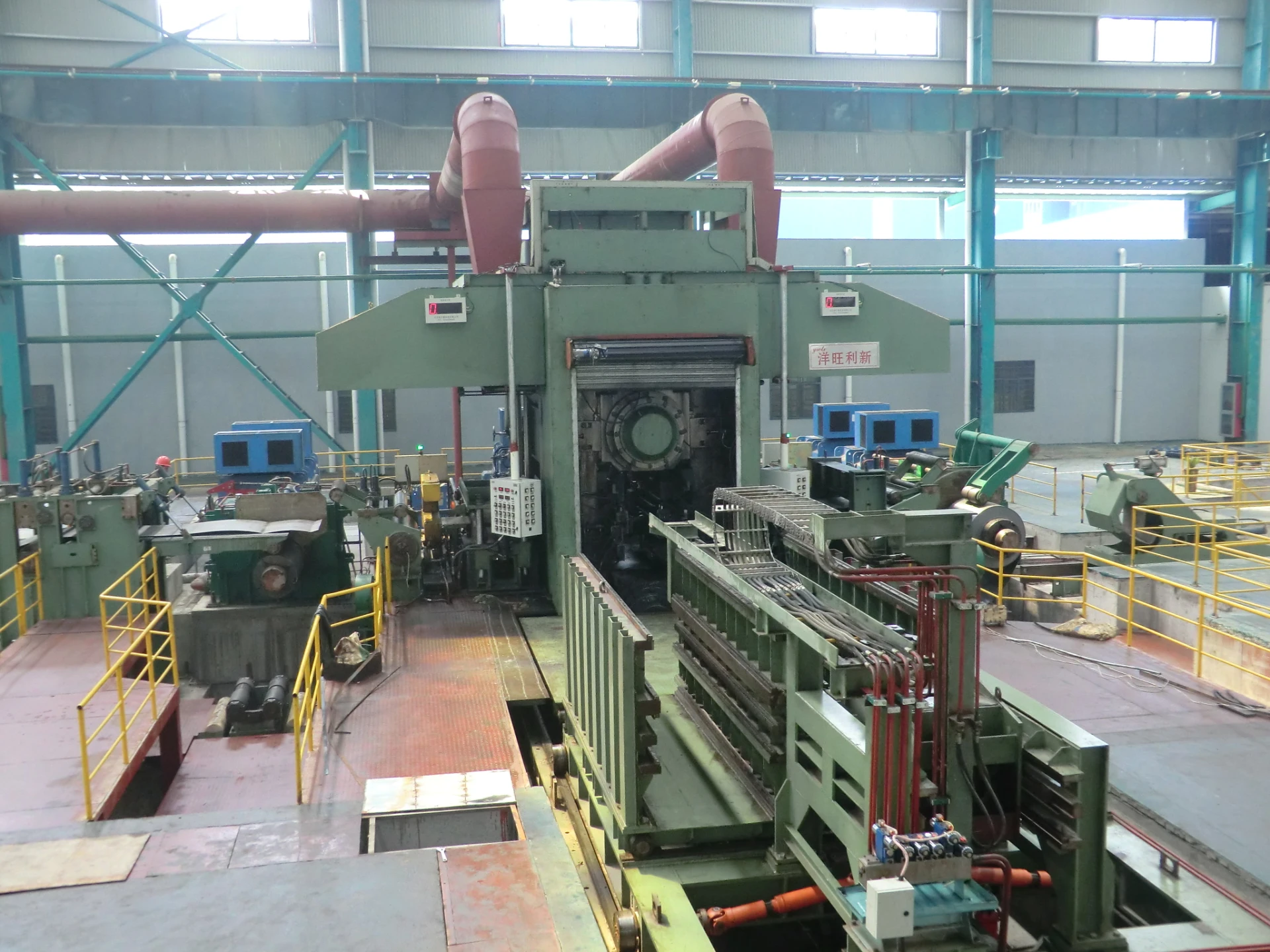
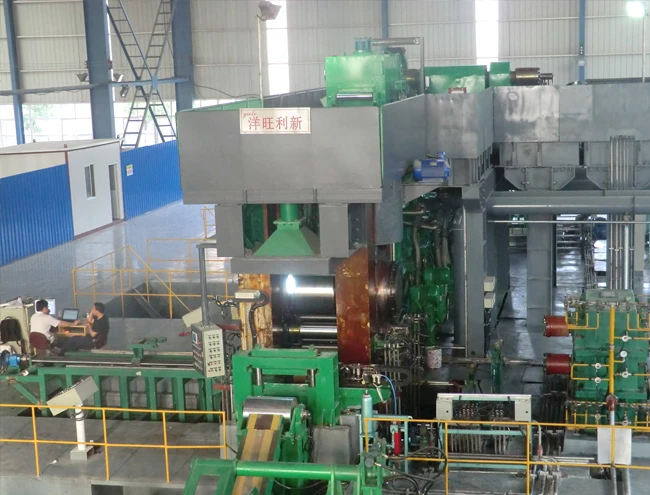
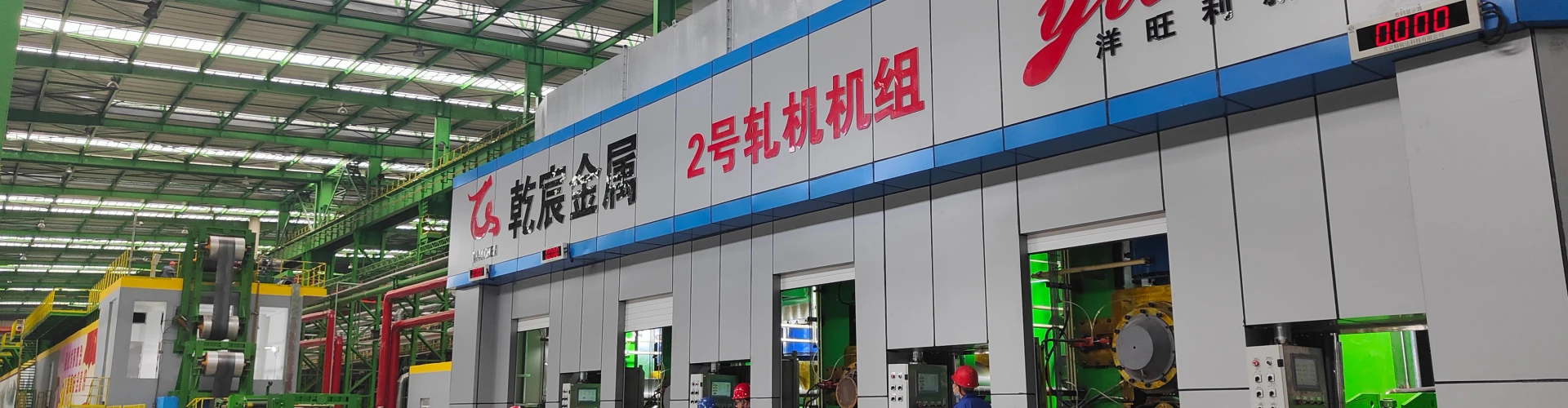
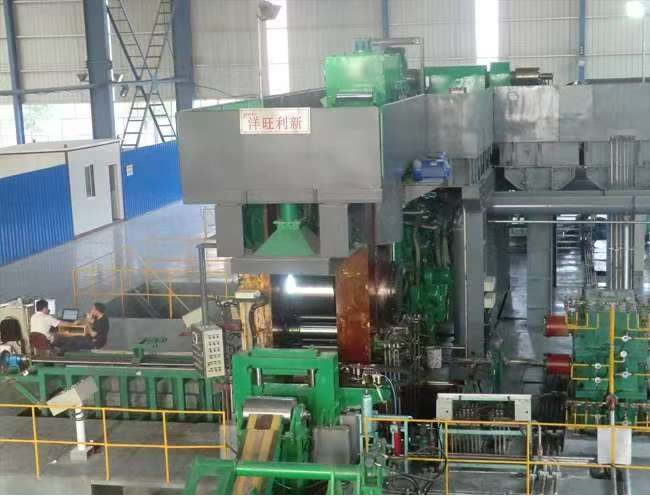
In an era defined by material performance and economic efficiency, the demand for high-quality composite metal strips—cladding plate and strip—is surging across critical industries. From the corrosion-resistant components in chemical plants to the conductive yet durable parts in electronics and automobiles, traditional single-metal solutions are increasingly being replaced by sophisticated, multi-layered materials. However, for decades, the production of these vital composites was dominated by processes like explosive and hot rolling cladding, which often came with significant drawbacks: compromised surface quality, low production yields, high energy consumption, and steep environmental compliance costs. Enter a new paradigm. The Cladding Rolling Mill business department of Yang Wang Li Xin (YWLX), a leader in metallurgical rolling machinery since 2003, is at the forefront of this revolution. By harnessing and advancing cutting-edge cold rolling cladding technology, YWLX offers a superior, turn-key alternative that delivers unparalleled quality, efficiency, and versatility. While traditional methods struggle, YWLX's innovative approach—akin in precision and advancement to modern surface engineering techniques like the high speed laser cladding process—represents the future of metallurgical bonding. This article explores how YWLX's proprietary cold rolling cladding systems are setting new standards, offering a compelling alternative to not only older cladding methods but also to other advanced surface processes like the laser cladding process and traditional weld overlay cladding.
Understanding High Speed Laser Cladding and Modern Coating Technologies
In the field of advanced surface engineering, high speed laser cladding represents a pinnacle of precision coating technology. This process uses a focused, high-power laser beam to rapidly melt and fuse powdered alloy materials onto a substrate, creating dense, metallurgically bonded coatings with minimal dilution and heat input. While high speed laser cladding excels at applying specialized functional coatings to specific component areas, YWLX recognizes that different manufacturing challenges require different solutions. Our expertise lies in addressing the fundamental need for high-volume, cost-effective production of composite metal strips—an application where the continuous nature of our cold rolling process offers distinct advantages over the localized application of laser-based techniques. By understanding the capabilities of technologies like high speed laser claddinghttps://www.bjywlx.com/cladding-rolling-mill.html, we can better position our cold rolling cladding as the optimal solution for bulk material production.
The Precision of Laser Cladding Process in Industrial Applications
The laser cladding process has revolutionized component repair and surface enhancement across multiple industries. Characterized by its precision, low dilution rate, and excellent metallurgical bonding, the laser cladding process allows for the targeted application of wear-resistant, corrosion-resistant, or specialized functional materials to critical parts. This technology has set high standards for coating quality and process control. At YWLX, we apply this same philosophy of precision and control to our domain of bulk material manufacturing. While we don't employ the laser cladding process directly, our cold rolling cladding technology achieves comparable excellence in bonding quality through different means—using precisely controlled mechanical pressure and solid-state diffusion to create perfect metallurgical bonds between metal strips. Our approach offers complementary benefits: where the laser cladding process excels at modifying existing components, our technology excels at creating the advanced composite materials from which those components can be made.
Comparing Techniques: From Weld Overlay Cladding to Advanced Solutions
For decades, weld overlay cladding has been the workhorse technology for applying protective surfaces to large industrial components. Using various arc welding processes to deposit layers of corrosion or wear-resistant alloys, weld overlay cladding has proven effective but comes with limitations including significant heat input, dilution concerns, and slower deposition rates. Understanding the strengths and constraints of established methods like weld overlay cladding helps illuminate the value proposition of YWLX's cold rolling cladding technology. While weld overlay cladding modifies individual parts, our process fundamentally changes how composite materials are manufactured at scale. We provide a continuous, efficient method for producing clad strip that combines different metals' properties in a single, formable material—a capability that represents a significant advancement beyond what traditional weld overlay cladding can achieve for raw material production.
FAQs About Advanced Laser Cladding Process
What are the advantages of your process compared to weld overlay cladding?
Our cold rolling cladding offers distinct advantages over weld overlay cladding for strip production. While weld overlay is excellent for component repair, it is a slower, localized process. Our technology provides continuous, high-volume production of composite strip with a uniform, metallurgical bond across the entire surface, superior dimensional control, and no heat-affected zone, making it far more efficient for manufacturing raw clad material.
How does your technology differ from the laser cladding process?
The laser cladding process is a superb tool for applying precision coatings. Our technology serves a different, foundational purpose: manufacturing the clad strip itself. We create the base composite material continuously, which can then be formed into parts. Compared to the serial, spot-by-spot nature of laser cladding, our process is designed for mass production, offering unparalleled throughput and consistency for creating laminated metal sheets.
Is the quality comparable to high speed laser cladding?
While the applications differ, the pursuit of precision is similar. High speed laser cladding achieves excellent coating consistency at high speeds for surface treatment. Our cold rolling process delivers comparable consistency and precision but in the domain of bulk material bonding. It produces a flawless, pore-free interface with precise thickness control, meeting the highest quality standards for composite strip used in critical applications.
Can you handle materials used in laser cladding process?
Our expertise lies in bonding ductile metal strips, which often form the substrate or one of the layers in clad products. While we do not apply powdered alloys like a typical laser cladding process, our technology is perfectly suited for creating the high-quality base materials that might subsequently be enhanced or repaired using laser or weld overlay techniques, offering a synergistic solution in the manufacturing chain.
What support do you offer for implementing this versus weld overlay cladding?
Choosing our bulk cladding solution over a weld overlay cladding approach for material production involves a different scope. As a turn-key provider, YWLX delivers complete project execution: from feasibility study and line design to manufacturing, installation, and training. We ensure you have a full production system for clad strip, whereas weld overlay typically focuses on standalone equipment for part refurbishment.
-
Ship Multi-Project Equipment on the Lantern FestivalNewsMar.03,2026
-
YWLX Deep Dives into Cladding Line with Dubai ClientNewsDec.22,2025
-
1450mm 6-Hi Reversing Mill Goes Live in BangladeshNewsOct.28,2025
-
Sep. 3rd Parade: Carry Forward and Press OnNewsSep.03,2025
-
Indian Clients Visit YWLX to Inspect Skin-pass MillNewsJun.22,2025
-
Full- throttle! YWLX's Intense Production During May DayNewsMay.01,2025
-
YWLX Participated in the 2025 Chinese GAP Program Review ConferenceNewsApr.17,2025