Comprehensive Guide to Wire Tension Control and Optimal Performance
Understanding Wire Tension Control: A Comprehensive Guide
Maintaining proper wire tension control is crucial in various industries, from construction and telecommunications to electrical installations and even musical instruments. Incorrect tension can lead to a multitude of issues, including signal loss, equipment failure, and safety hazards. This article will delve into the importance of wire tension control, explore common methods used to achieve it, address potential challenges, and highlight the benefits of utilizing specialized equipment. Effective tensioning ensures reliable performance, extends equipment lifespan, and contributes to overall project success.
Why is Wire Tension Control Important?
The importance of wire tension control stems from its direct impact on system performance and longevity. Too little tension results in sagging, which can create interference, reduce signal strength, and potentially cause physical contact with surrounding structures. Conversely, excessive tension can overstress the wire, leading to stretching, breakage, and even damage to the supporting infrastructure. In overhead power lines, correct tension prevents conductor contact and ensures safe operation. In fiber optic cables, precise tension is vital to maintain signal integrity. Ignoring tension control can significantly increase maintenance costs and the risk of system failures.
Key Takeaways: Maintaining optimal wire tension prevents sagging, ensures signal integrity, avoids wire breakage, and extends equipment life.
Common Methods for Wire Tension Control
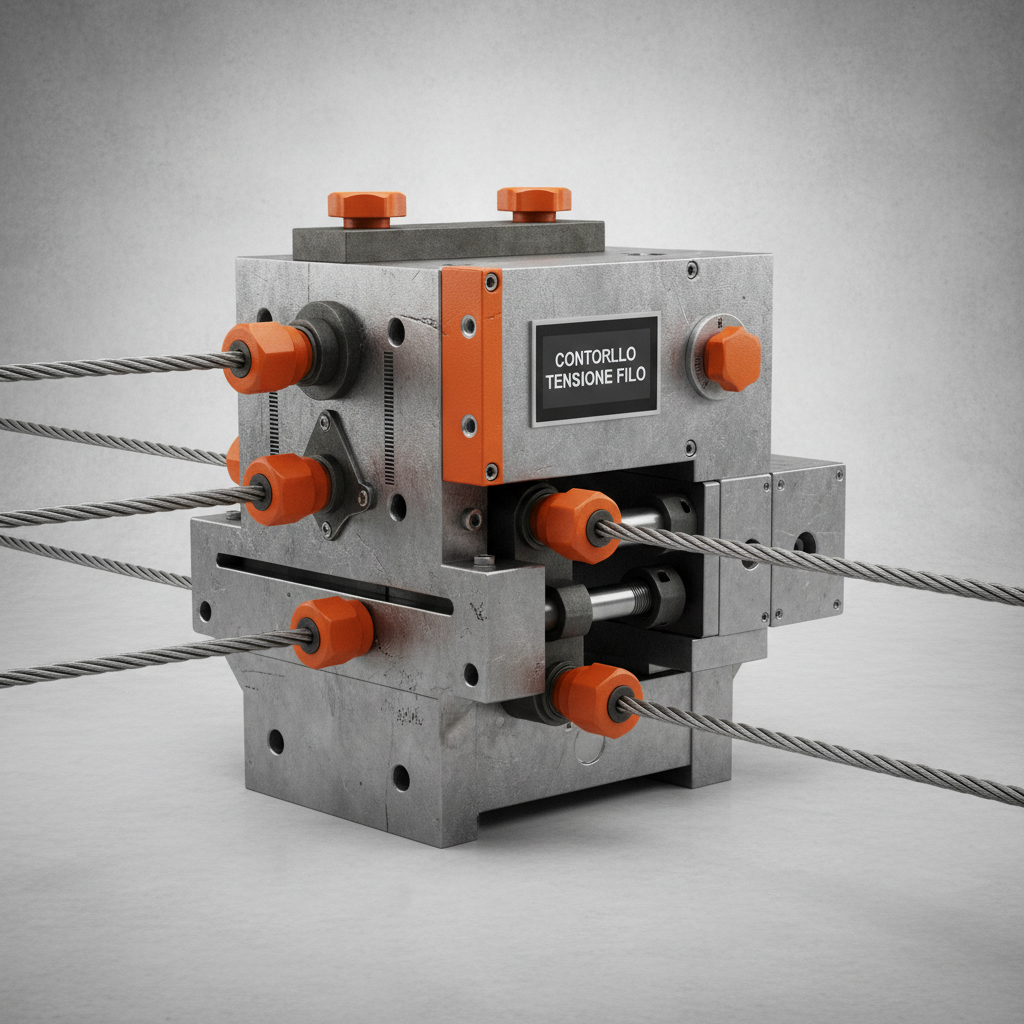
Several methods are employed for wire tension control, ranging from manual techniques to sophisticated automated systems. Manual methods include using come-alongs, winches, and tension meters. These require skilled operators and are prone to inconsistencies. Hydraulic tensioners provide more precise control and are often used in heavier-duty applications. Dynamic tensioning systems, utilizing constant tension clamps and automated controls, are increasingly popular for large-scale installations, such as power lines and communication cables. The choice of method depends on factors like wire type, span length, required tension accuracy, and budget.
Tension Control Methods:
• Manual Come-alongs & Winches
• Hydraulic Tensioners
• Dynamic Tensioning Systems
Comparing Tensioning Methods: Accuracy and Cost
Selecting the right tensioning method requires carefully weighing accuracy against cost. Manual methods are the most affordable but offer the least precise control, making them suitable for less critical applications. Hydraulic tensioners provide a good balance between cost and accuracy, commonly used in medium-scale projects. Dynamic tensioning systems offer the highest level of accuracy and automation but come with a significant upfront investment. Consider the long-term cost savings associated with reduced maintenance and increased reliability when evaluating these options. BJYWLX provides tailored solutions to meet specific project needs, offering a range of tensioning equipment to ensure optimal results.
Challenges in Wire Tension Control
Achieving accurate wire tension control isn't without its challenges. Environmental factors like temperature fluctuations can significantly affect wire tension. Variations in wire material, diameter, and construction can also complicate the process. Uneven terrain and obstructions can make it difficult to maintain consistent tension across a span. Furthermore, ensuring the safety of personnel during tensioning operations is paramount. Careful planning, proper equipment selection, and adherence to safety protocols are essential to overcome these challenges.
The Benefits of Utilizing Specialized Equipment
Investing in specialized wire tensioning equipment offers numerous benefits. Precise tension meters provide accurate readings, enabling operators to make informed adjustments. Hydraulic tensioners and dynamic systems automate the process, reducing labor costs and increasing efficiency. Specialized clamps and grips ensure a secure hold on the wire, preventing slippage and damage. Furthermore, advanced equipment often incorporates safety features, such as overload protection and remote controls.
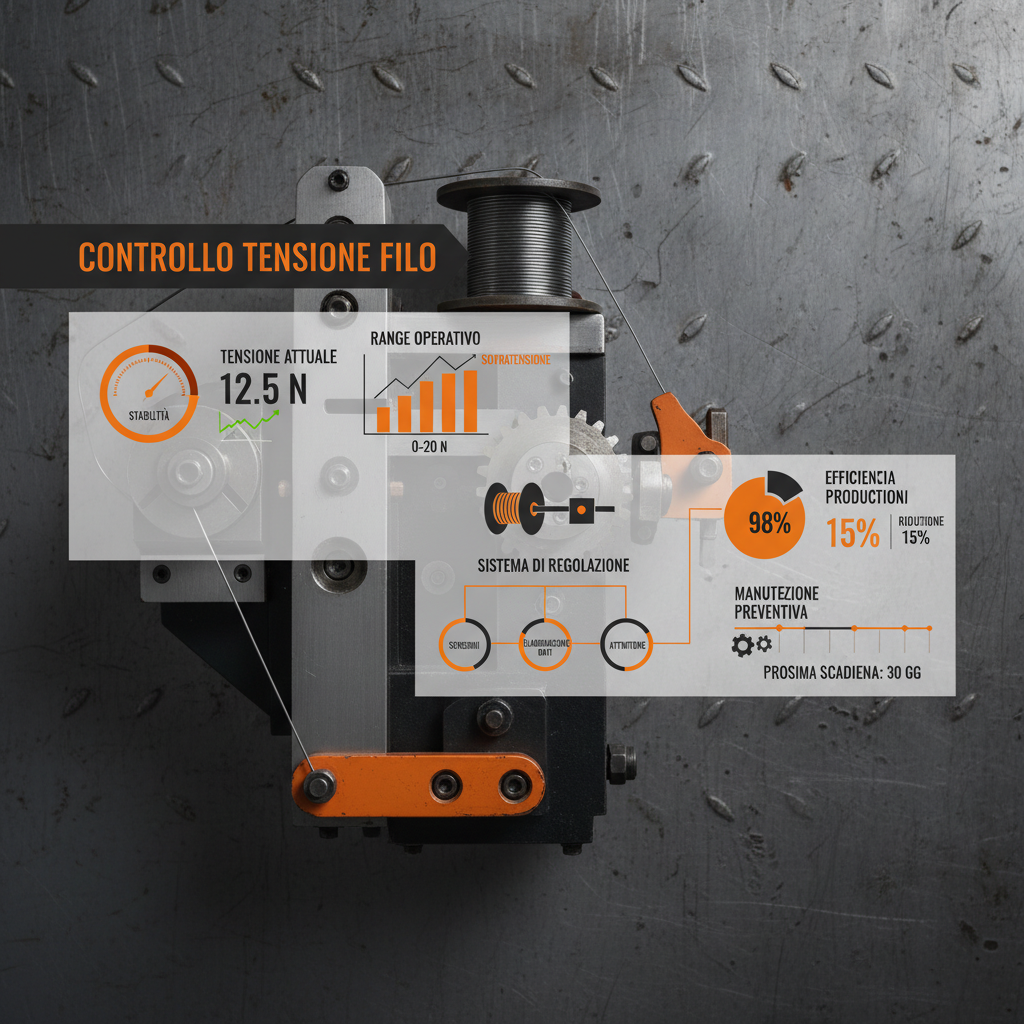
Conclusion: Achieving Optimal Wire Tension for Reliable Performance
Precise wire tension control is fundamental to ensuring the reliability, safety, and longevity of various systems. By understanding the importance of tension, utilizing appropriate methods and equipment, and addressing potential challenges, you can optimize performance and minimize maintenance costs. BJYWLX is dedicated to providing innovative solutions and expert support to help you achieve optimal wire tension control for your specific application.
Frequently Asked Questions (FAQs)
What factors influence the optimal wire tension?
Several factors determine optimal wire tension, including the wire type (steel, copper, fiber optic), span length, environmental conditions (temperature, wind), and the specific application requirements. Longer spans generally require higher tension to prevent excessive sag. Temperature fluctuations cause the wire to expand and contract, affecting tension. Fiber optic cables have stricter tension requirements to maintain signal integrity. Consulting with an experienced engineer is recommended to determine the optimal tension for a specific installation.
How often should wire tension be checked?
The frequency of wire tension checks depends on the application and environmental conditions. For critical installations, such as power lines, regular inspections (e.g., annually or after significant weather events) are essential. For less critical applications, periodic checks (e.g., every few years) may suffice. Monitoring tension over time can help identify potential issues and prevent costly failures.
What safety precautions should be taken during wire tensioning?
Wire tensioning can be a hazardous operation. Always wear appropriate personal protective equipment (PPE), including safety glasses, gloves, and hard hats. Ensure the work area is clear of obstructions and that all personnel are properly trained. Use approved tensioning equipment and follow the manufacturer's instructions carefully. Never exceed the wire's maximum tension rating. Employ lockout/tagout procedures when working near energized equipment.
Where can I find reliable wire tensioning equipment?
BJYWLX offers a comprehensive range of high-quality wire tensioning equipment, including tension meters, hydraulic tensioners, and dynamic tensioning systems. We provide expert advice and support to help you select the right equipment for your specific needs. We are committed to providing reliable and innovative solutions for efficient and safe wire tension control.
-
Ship Multi-Project Equipment on the Lantern FestivalNewsMar.03,2026
-
YWLX Deep Dives into Cladding Line with Dubai ClientNewsDec.22,2025
-
1450mm 6-Hi Reversing Mill Goes Live in BangladeshNewsOct.28,2025
-
Sep. 3rd Parade: Carry Forward and Press OnNewsSep.03,2025
-
Indian Clients Visit YWLX to Inspect Skin-pass MillNewsJun.22,2025
-
Full- throttle! YWLX's Intense Production During May DayNewsMay.01,2025
-
YWLX Participated in the 2025 Chinese GAP Program Review ConferenceNewsApr.17,2025