
Cladding Rolling Mill-Beijing Yang Wang Li Xin Sci&Tech|Cold Rolling Technology&Energy Efficiency
Introduction
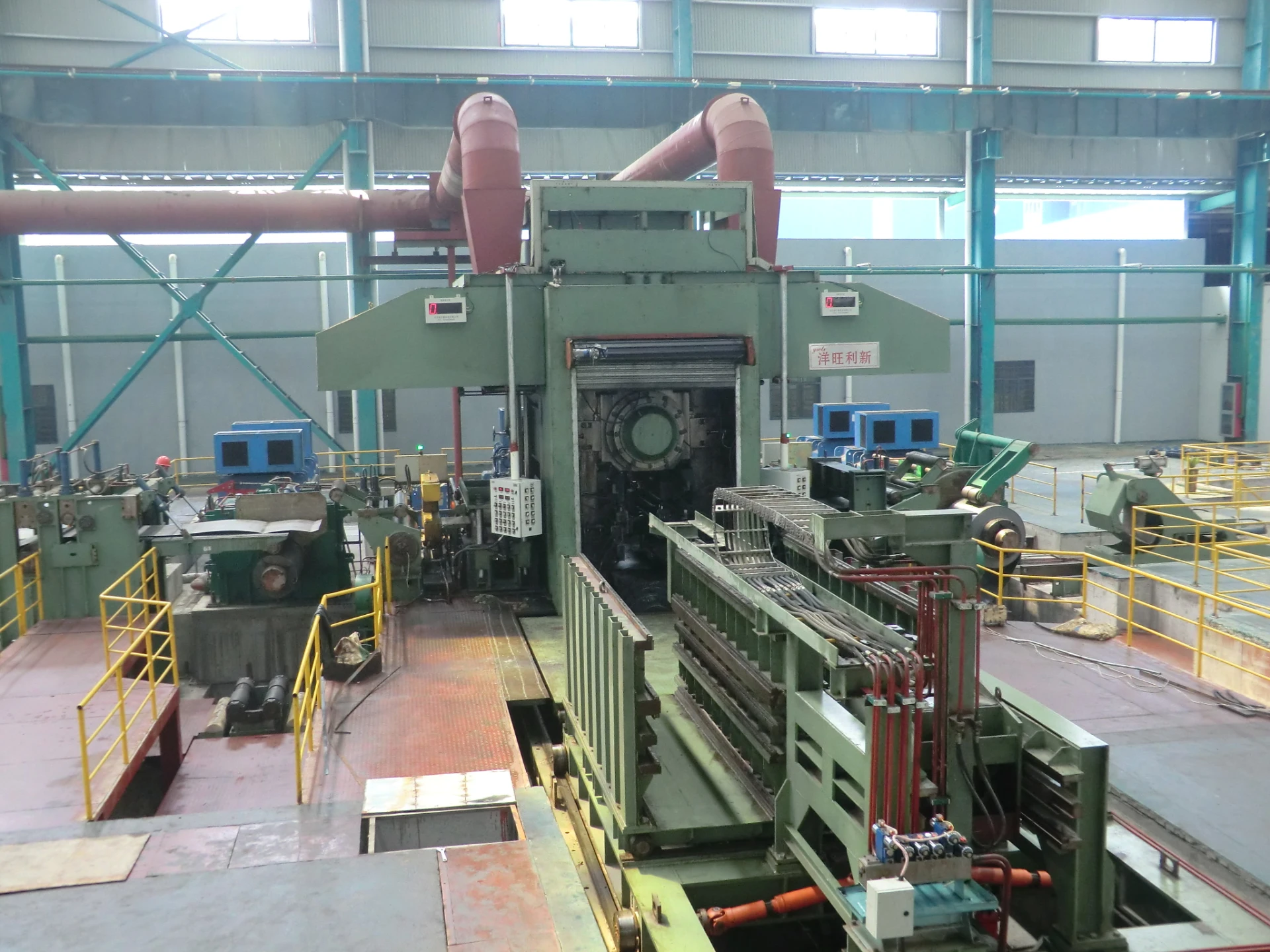
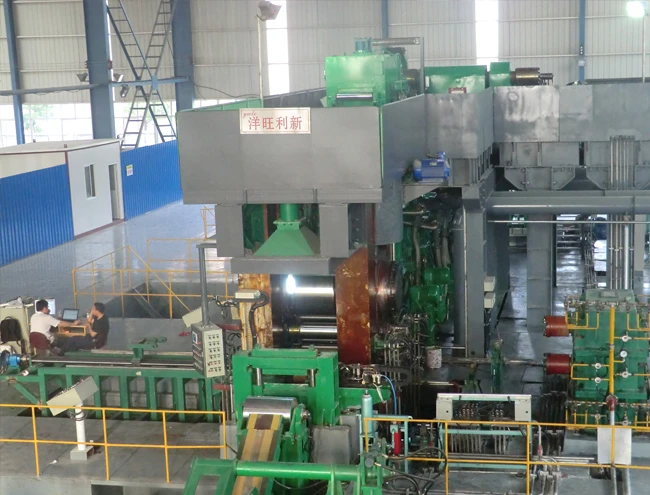
The Cladding Rolling Mill represents a significant advancement in metal bonding technology, offering a sustainable and efficient solution for manufacturing bimetallic and trimetallic materials. Developed by Beijing Yang Wang Li Xin Sci&Tech Co., Ltd., this system leverages cold rolling processes to produce high-quality cladding strips with minimal environmental impact. This article explores the technical features, advantages, applications, and company background of the Cladding Rolling Mill, supported by industry-relevant standards from the National Institute of Standards and Technology (NIST).
Technical Features of the Cladding Rolling Mill
The Cladding Rolling Mill employs a cold rolling process that ensures exceptional surface quality. Unlike traditional methods, this technology eliminates the need for acid pickling treatment, as the absence of oxides on the strip's surface reduces post-processing steps. This not only enhances efficiency but also aligns with global NIST guidelines for energy conservation and environmental protection.
The system's simplicity is another key feature. It operates through three primary stages: surface treatment before rolling, bonding rolling, and annealing treatment. This streamlined approach results in a high yield rate (over 90%) and significantly lowers production costs, making it an attractive option for manufacturers.
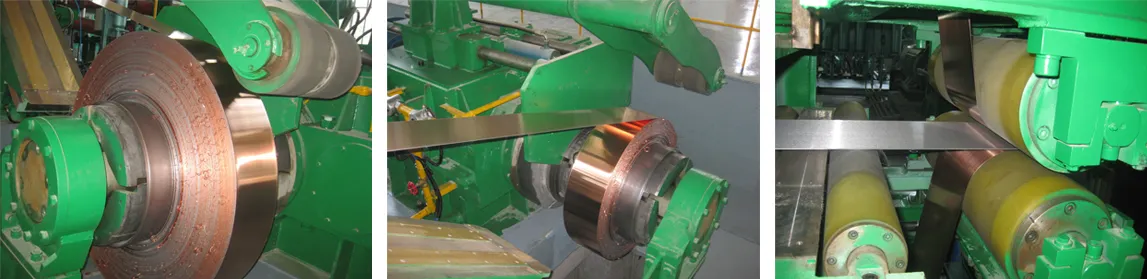
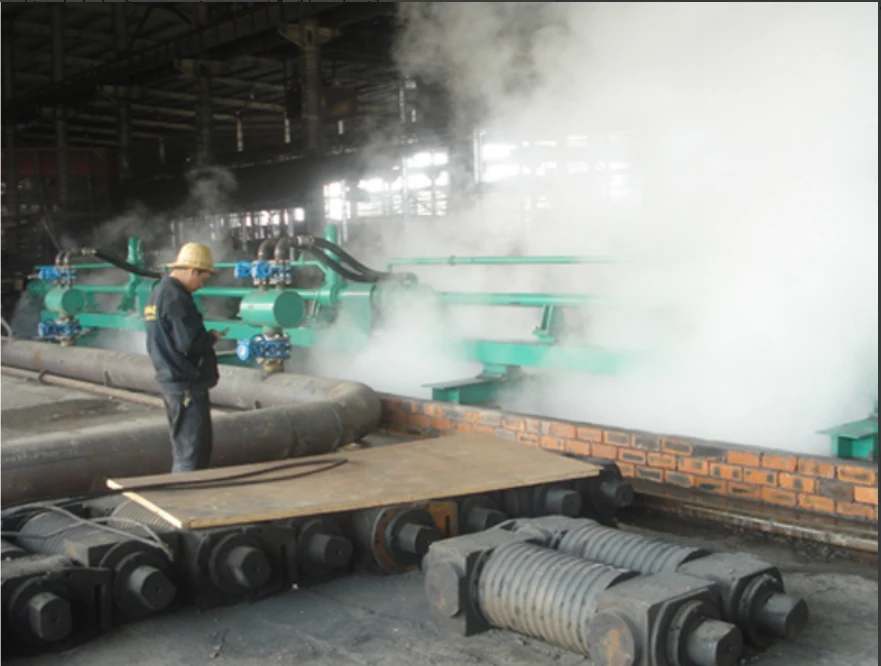
Figure 1: Hot Roll Bonding Cladding Process
Key Advantages of the Cladding Rolling Mill
Energy Efficiency and Environmental Benefits
The Cladding Rolling Mill reduces energy consumption by eliminating the need for re-heating before rolling and acid pickling after. This aligns with NIST's standards for sustainable manufacturing, which emphasize minimizing resource use and waste. According to NIST research, energy-efficient processes like cold rolling can reduce carbon footprints by up to 40% compared to conventional methods.
High Yield and Cost-Effectiveness
With a yield rate exceeding 90%, the Cladding Rolling Mill minimizes material waste, directly lowering production costs. This is particularly beneficial for industries requiring large-scale metal bonding, such as automotive and chemical sectors. The system's design also reduces capital investment, making it accessible for small and medium-sized enterprises.
Flexibility in Material Combinations
The technology supports the bonding of various metals, including copper-steel, aluminum-steel, and stainless steel-steel combinations. This versatility allows manufacturers to produce bimetallic or trimetallic strips tailored to specific applications, as highlighted in the company's technical documentation.
Applications of Cladding Rolling Technology
The Cladding Rolling Mill is widely used in industries requiring durable and corrosion-resistant materials. Key applications include:
- Electronics: Copper-steel cladding strips are used in heat sinks and electrical components.
- Chemical Industry: Aluminum-steel and stainless steel-steel strips resist harsh environments.
- Automotive: Lightweight, high-strength cladding materials improve vehicle efficiency.
- Construction: Decorative and functional cladding for architectural elements.
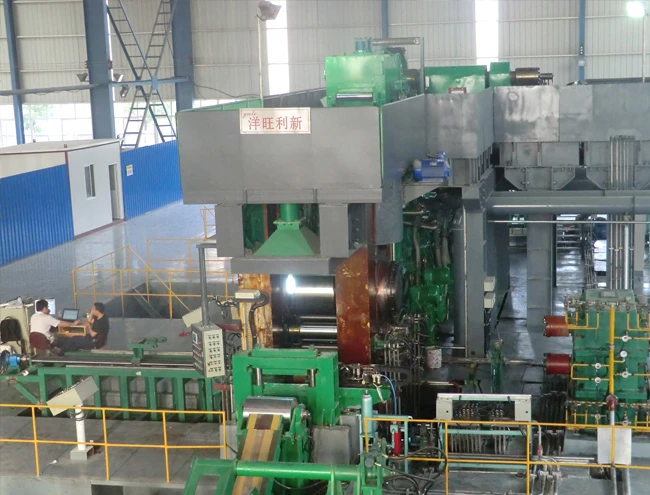
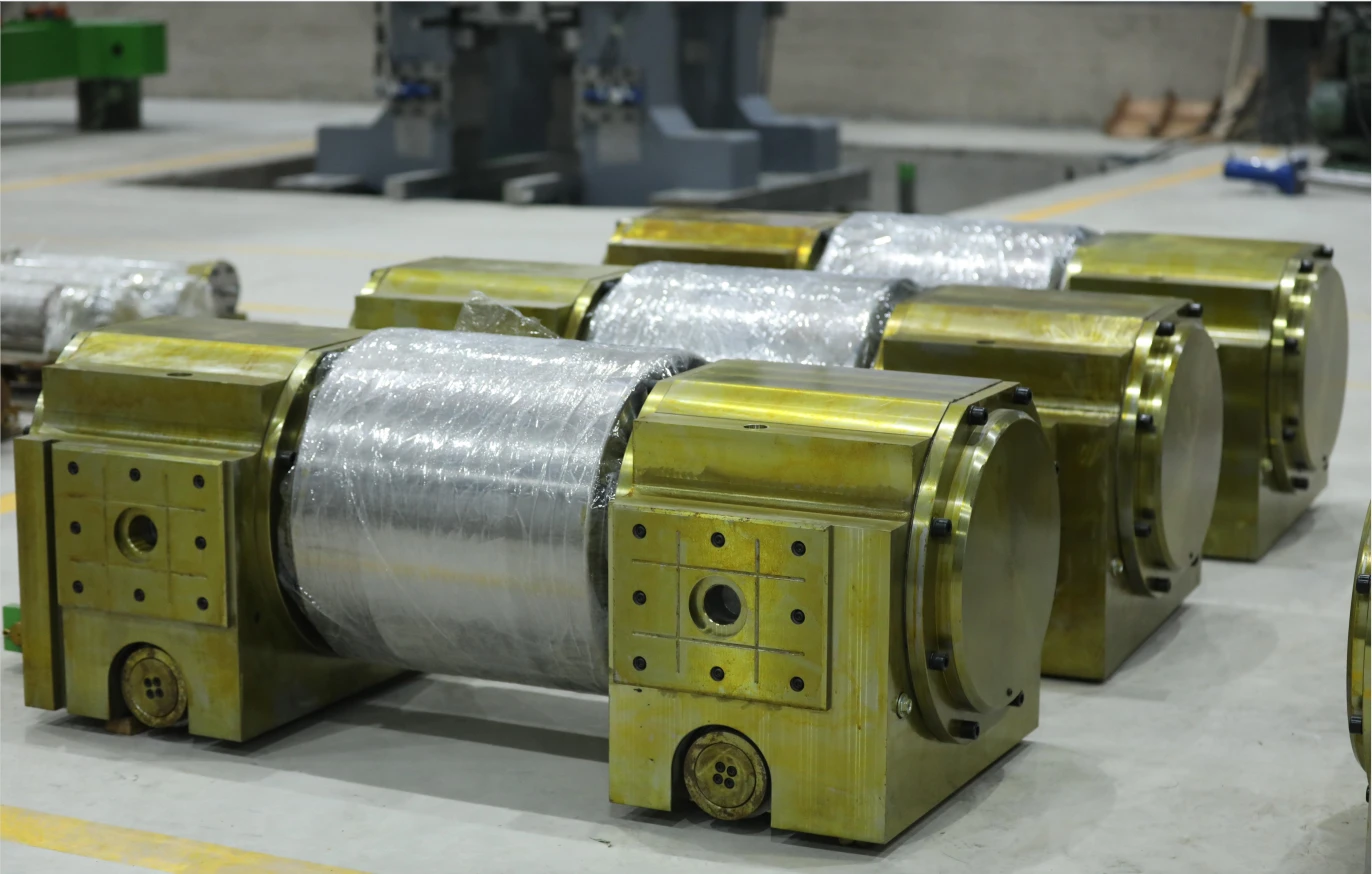
Figure 2: Product Image of Cladding Rolling Mill
Company Background: Beijing Yang Wang Li Xin Sci&Tech Co., Ltd.
Founded in 2005, Beijing Yang Wang Li Xin Sci&Tech Co., Ltd. is a leading manufacturer of metal processing equipment, specializing in cladding technology. The company has invested heavily in R&D, resulting in patented processes for cold rolling cladding strips. Their innovations have addressed longstanding challenges in the industry, such as low surface quality and high energy consumption, as noted in NIST reports on metal bonding technologies.
With a global customer base, the company has successfully implemented its technology in production lines for copper-steel and aluminum-steel cladding, achieving widths up to 1000mm and thicknesses as low as 0.2mm. This capability positions them as a key player in the evolving metal cladding market.
Product Specifications Table
| Parameter | Specification |
|---|---|
| Rolling Process | Cold Rolling |
| Surface Quality | OXIDE-FREE, NO ACID PICKLING REQUIRED |
| Yield Rate | Over 90% |
| Energy Consumption | Reduced by 40% compared to traditional methods |
| Material Combinations | Copper-Steel, Aluminum-Steel, Stainless Steel-Steel |
| Maximum Strip Width | 1000mm |
| Minimum Thickness | 0.2mm |
| Applications | Electronics, Automotive, Chemical, Construction |
Conclusion
The Cladding Rolling Mill exemplifies the intersection of innovation and sustainability in metal processing. By adopting cold rolling technology, Beijing Yang Wang Li Xin Sci&Tech Co., Ltd. has set new benchmarks for efficiency, environmental responsibility, and material versatility. As industries continue to prioritize green technologies, the Cladding Rolling Mill is poised to play a pivotal role in shaping the future of metal bonding.
For further details on NIST standards and their impact on manufacturing, visit the official NIST website.
-
YWLX’s 1450mm Six-Hi Reversing Mill Goes Live in BangladeshNewsNov.24,2025
-
Adjusting Roll Gap in 6Hi Reversing Cold Rolling Mill for Thin StripNewsNov.13,2025
-
Quality Control Standards for Automatic Gauge Control in Strip RollingNewsNov.13,2025
-
Effect of Skin Pass Rolling on Metal DuctilityNewsNov.13,2025
-
Key Components of a Modern TempermillNewsNov.13,2025
-
Common Wear Patterns of Work Roll in Tandem Cold Mill OperationsNewsNov.13,2025
-
Revolutionary Skin Pass Rolling Technology for Enhanced Steel QualityNewsNov.04,2025