Basic Principles of the Water Quenching Process
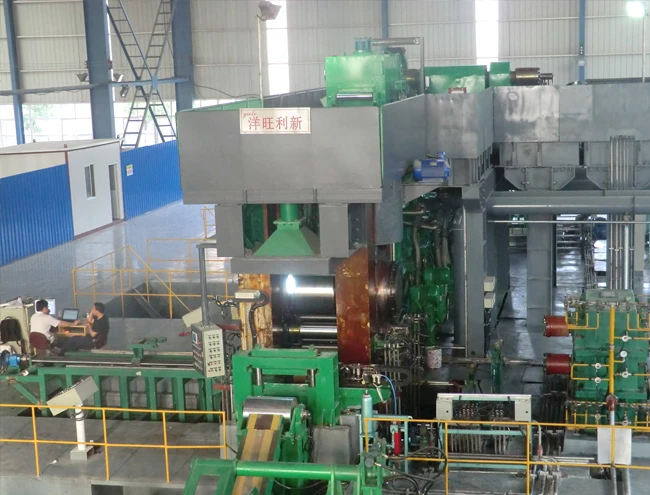
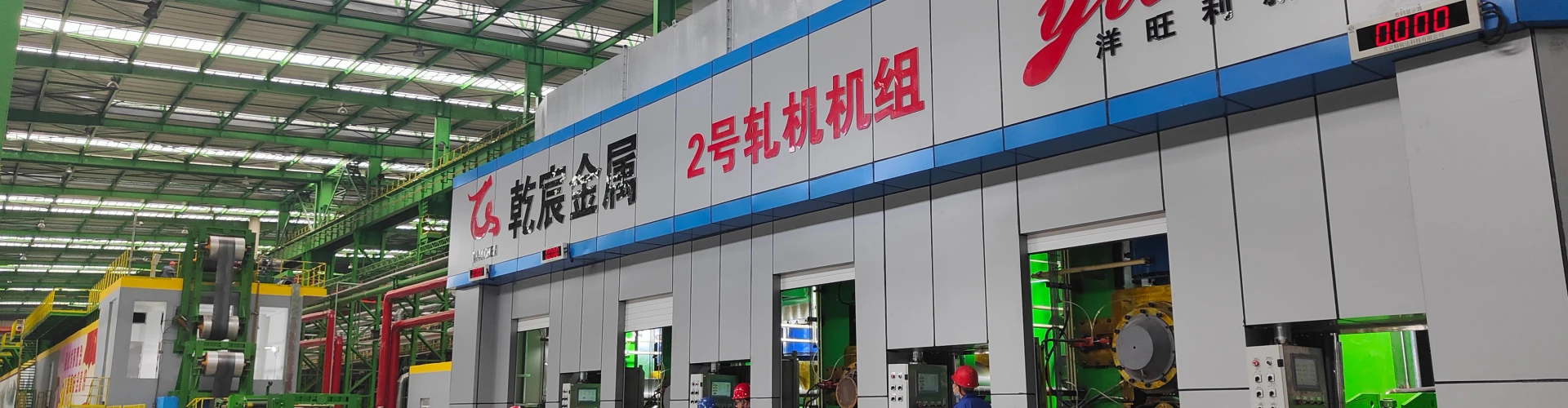
In the field of steel rolling, understanding the water quenching process is crucial for optimizing production and ensuring high - quality steel products. Yang Wang Li Xin is deeply involved in the development and application of advanced water quenching solutions. The water quenching technique, a cornerstone in steel manufacturing, offers unique advantages that enhance the mechanical properties of steel.
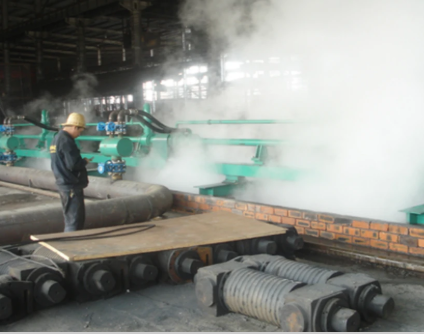
Technical Features of the Water Quenching Process Table
|
Aspect |
Details |
|
Cooling Water Usage |
The cooling circulating water utilizes turbid circulating water, and the water treatment system can be shared, reducing costs and investment |
|
Muzzle and Intracavity Design |
Special design for high - pressure muzzle and intracavity ensures, by mechanical means, the same cooling strength and cooling water capacity during two/three slitting rolling |
|
Quenching System Component |
A turbulent sleeve is installed in the quenching system to drive water to flow in turbulence, reinforcing the heat exchange between the rolled bar and cooling agents |
|
Steel Bar Cooling Assurance |
High - pressure water through the top water - exit warrants the cooling equality of the steel bar in the turbulent flow tube, ensuring good flatness for big and middle - specification steel bars and that the flatness of small - specification steel bars meets the state standard after slitting rolling |
|
End - of - Process Device |
A special cut - off device is used at the end of the water quenching device to ensure inspection and a vapor - free operating circumstance for the 3# flying shear |
|
Installation and Movement |
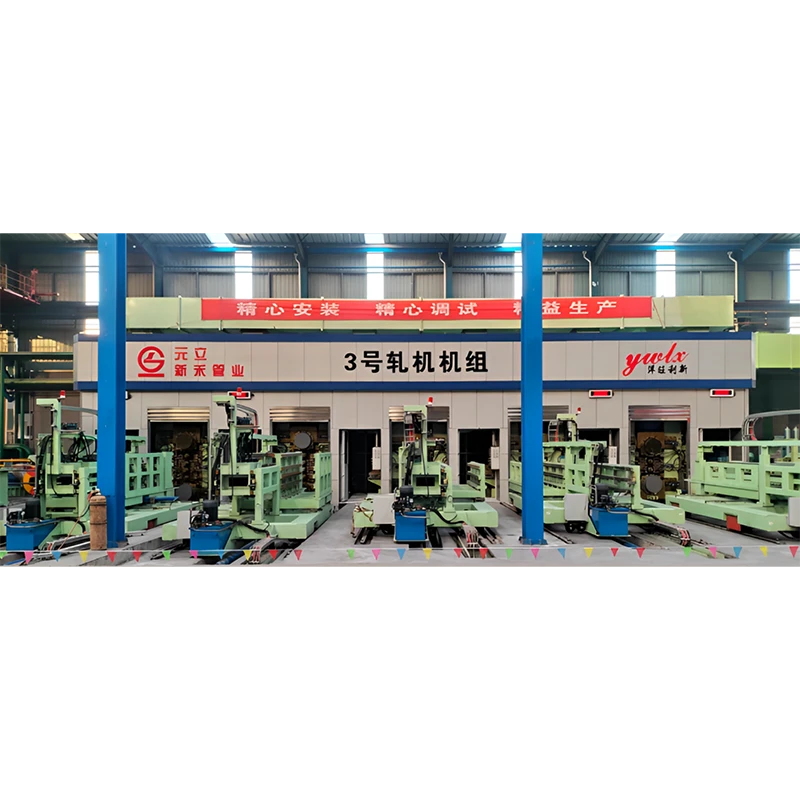
The water quenching line and output table are installed on a transverse carriage driven by hydraulic pressure for flexible use and quick process change |
Understanding the Water Quenching Process
- The water quenching process is a heat treatment method widely used in steel rolling, and Yang Wang Li Xin has mastered its essence. At its core, it involves heating steel to a specific temperature range, typically above its critical point, to transform its microstructure into a homogeneous austenite phase. Once heated, the steel is rapidly cooled by immersing it in water or subjecting it to a high - velocity water spray. This sudden cooling, or quenching, is so rapid that it prevents the formation of large, coarse grains that would otherwise occur during slow cooling. Instead, it forces the austenite to transform into a much harder and stronger microstructure called martensite. This transformation significantly improves the steel's hardness, strength, and wear - resistance, making it suitable for a wide range of applications from construction to machinery manufacturing.
- The effectiveness of the water quenching process depends on several factors. The temperature at which the steel is heated, known as the austenitizing temperature, must be carefully controlled. If it's too low, the steel may not fully transform into austenite, resulting in an incomplete and ineffective quenching. On the other hand, if it's too high, the steel can become brittle due to excessive grain growth. Additionally, the cooling rate during quenching is critical. Water provides an extremely high cooling rate compared to other quenching media like oil or air. However, the water's temperature, flow rate, and distribution around the steel also play important roles. Yang Wang Li Xin's advanced quenching systems are designed to precisely regulate these parameters. For example, the use of a turbulent sleeve in the quenching system ensures that the water flows in a turbulent manner, maximizing the heat transfer between the steel and the cooling water, and thus achieving a more uniform and effective quench.
- Another key aspect of the water quenching process is its ability to be customized for different types of steel and product requirements. Different steel grades have varying chemical compositions, which influence their response to quenching. By adjusting factors such as the austenitizing temperature, cooling rate, and quenching time, Yang Wang Li Xin can tailor the water quenching process to meet the specific mechanical property requirements of each steel product. Whether it's producing high - strength steel bars for large - scale construction projects or precision - engineered steel components for automotive applications, the water quenching process can be optimized to deliver the desired performance characteristics, ensuring that wholesalers can offer a diverse range of high - quality steel products to their clients.
Key Principles of Water Quenching
- One of the fundamental principles of water quenching is based on the concept of phase transformation in metals. When steel is heated above its critical temperature, it undergoes a phase change from its initial ferrite - pearlite structure to austenite. As the hot steel is then rapidly cooled in water, the austenite transforms into martensite. This transformation is driven by the high cooling rate, which suppresses the formation of other phases like ferrite, pearlite, or bainite that would form during slower cooling. The martensitic structure is characterized by its high hardness and strength due to the presence of a large number of dislocations and a fine - grained structure. Yang Wang Li Xin's quenching technology takes full advantage of this phase transformation principle, carefully controlling the heating and cooling processes to achieve the optimal martensitic transformation and enhance the steel's mechanical properties.
- Heat transfer is another crucial principle in water quenching. The rapid removal of heat from the hot steel is essential for achieving the desired microstructure and properties. Water, with its high heat - transfer coefficient, is an excellent medium for this purpose. However, efficient heat transfer requires proper water distribution and flow around the steel. Yang Wang Li Xin's special design of the high - pressure muzzle and intracavity in the quenching system ensures that the cooling water is evenly distributed and has sufficient flow rate and pressure during slitting rolling. This ensures that all parts of the steel are cooled uniformly, preventing issues such as uneven hardness and distortion. Additionally, the use of a turbulent sleeve in the quenching system enhances heat transfer by increasing the contact area between the water and the steel surface and promoting more efficient mixing of the water, further accelerating the cooling process and ensuring consistent quality of the quenched steel.
- The principle of process control also plays a vital role in water quenching. Every step of the process, from heating the steel to the final quenching and subsequent tempering (if required), needs to be precisely controlled. Yang Wang Li Xin employs advanced monitoring and control systems to ensure that parameters such as temperature, time, water flow, and pressure are maintained within the optimal range. For example, the use of a special cut - off device at the end of the water quenching device helps in controlling the quenching process accurately, ensuring that the steel is quenched for the right duration and that the subsequent inspection and processing operations are not affected by residual heat or vapor. The hydraulic - driven transverse carriage on which the water quenching line and output table are installed allows for quick and flexible adjustments, enabling the company to adapt to different production requirements and product specifications while maintaining strict process control and quality standards.
Water Quenching Process FAQS
What are the main factors affecting the quality of the water quenching process?
Several factors impact the quality of the water quenching process. The heating temperature of the steel is critical; if it's not within the proper range, the phase transformation may be incomplete or result in negative effects like excessive grain growth. The cooling rate during quenching, determined by factors such as water temperature, flow rate, and distribution, also plays a vital role. Uneven cooling can lead to uneven hardness and distortion of the steel. Additionally, the chemical composition of the steel itself affects its response to quenching. Different steel grades require specific adjustments in the quenching process parameters. Yang Wang Li Xin's advanced quenching systems are designed to precisely control these factors to ensure high - quality quenching results.
How does water quenching improve the mechanical properties of steel?
Water quenching improves the mechanical properties of steel by causing a phase transformation from austenite to martensite. When steel is rapidly cooled in water after being heated to the austenitizing temperature, the high cooling rate prevents the formation of other phases and forces the austenite to transform into martensite. Martensite has a fine - grained structure and a high density of dislocations, which contribute to its high hardness, strength, and wear - resistance. This transformation significantly enhances the overall mechanical performance of the steel, making it more suitable for various applications that demand robust and durable materials.
Can different types of steel be processed using the water quenching process?
Yes, different types of steel can be processed using the water quenching process. However, each steel grade has its own unique chemical composition and critical temperatures, which means that the quenching process needs to be customized. Factors such as the austenitizing temperature, cooling rate, and quenching time must be adjusted according to the specific characteristics of the steel. Yang Wang Li Xin has the expertise and technology to analyze the properties of different steel types and tailor the water quenching process to meet their specific requirements, ensuring that high - quality results are achieved regardless of the steel grade being processed.
What are the safety considerations in the water quenching process?
Safety is important in the water quenching process. The high - temperature steel being quenched can cause severe burns if proper precautions are not taken. Operators should wear appropriate protective gear, including heat - resistant gloves, face shields, and long - sleeved clothing. Additionally, the rapid cooling of the steel in water can generate steam and splashing, which can also pose a hazard. Ensuring proper ventilation in the quenching area to disperse steam and having barriers or shields to prevent splashing is essential. Yang Wang Li Xin adheres to strict safety standards and provides comprehensive safety training to its employees to minimize risks during the water quenching process.
How does the water treatment system in the water quenching process work?
In the water quenching process, Yang Wang Li Xin's water treatment system is designed to manage and recycle the cooling water. The system typically includes processes such as sedimentation, filtration, and chemical treatment. Sedimentation allows the larger particles in the turbid circulating water to settle out. Filtration further removes smaller particles and impurities. Chemical treatment may involve adding substances to adjust the pH of the water, prevent corrosion, and control the growth of microorganisms. By treating and recycling the water, the company reduces water consumption and the environmental impact, while also ensuring that the water used for quenching remains of suitable quality to effectively cool the steel and maintain the integrity of the quenching process.
-
Ship Multi-Project Equipment on the Lantern FestivalNewsMar.03,2026
-
YWLX Deep Dives into Cladding Line with Dubai ClientNewsDec.22,2025
-
1450mm 6-Hi Reversing Mill Goes Live in BangladeshNewsOct.28,2025
-
Sep. 3rd Parade: Carry Forward and Press OnNewsSep.03,2025
-
Indian Clients Visit YWLX to Inspect Skin-pass MillNewsJun.22,2025
-
Full- throttle! YWLX's Intense Production During May DayNewsMay.01,2025
-
YWLX Participated in the 2025 Chinese GAP Program Review ConferenceNewsApr.17,2025