Automatic pressure control system calibration
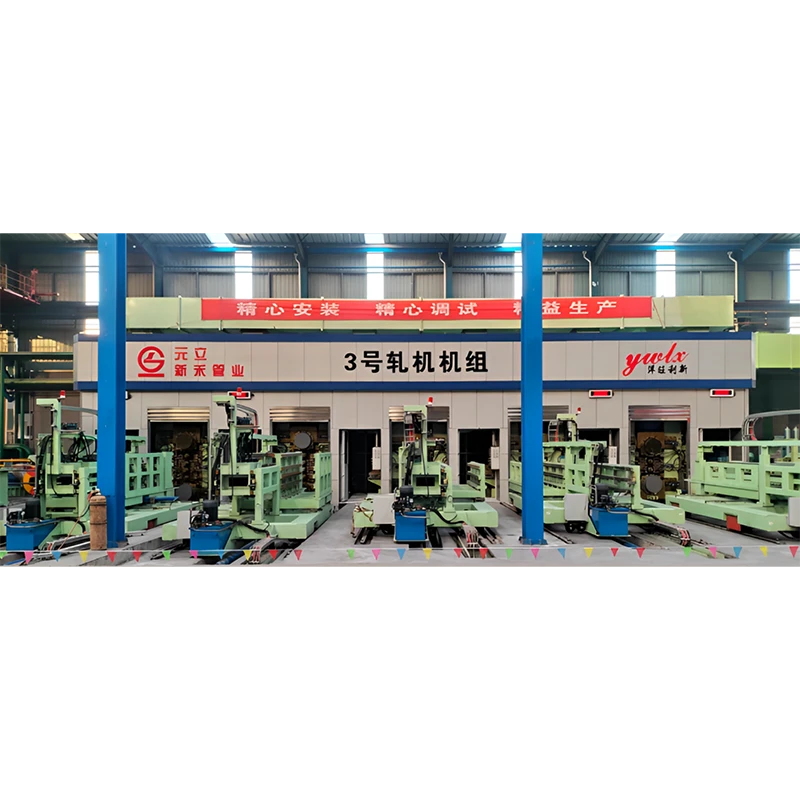
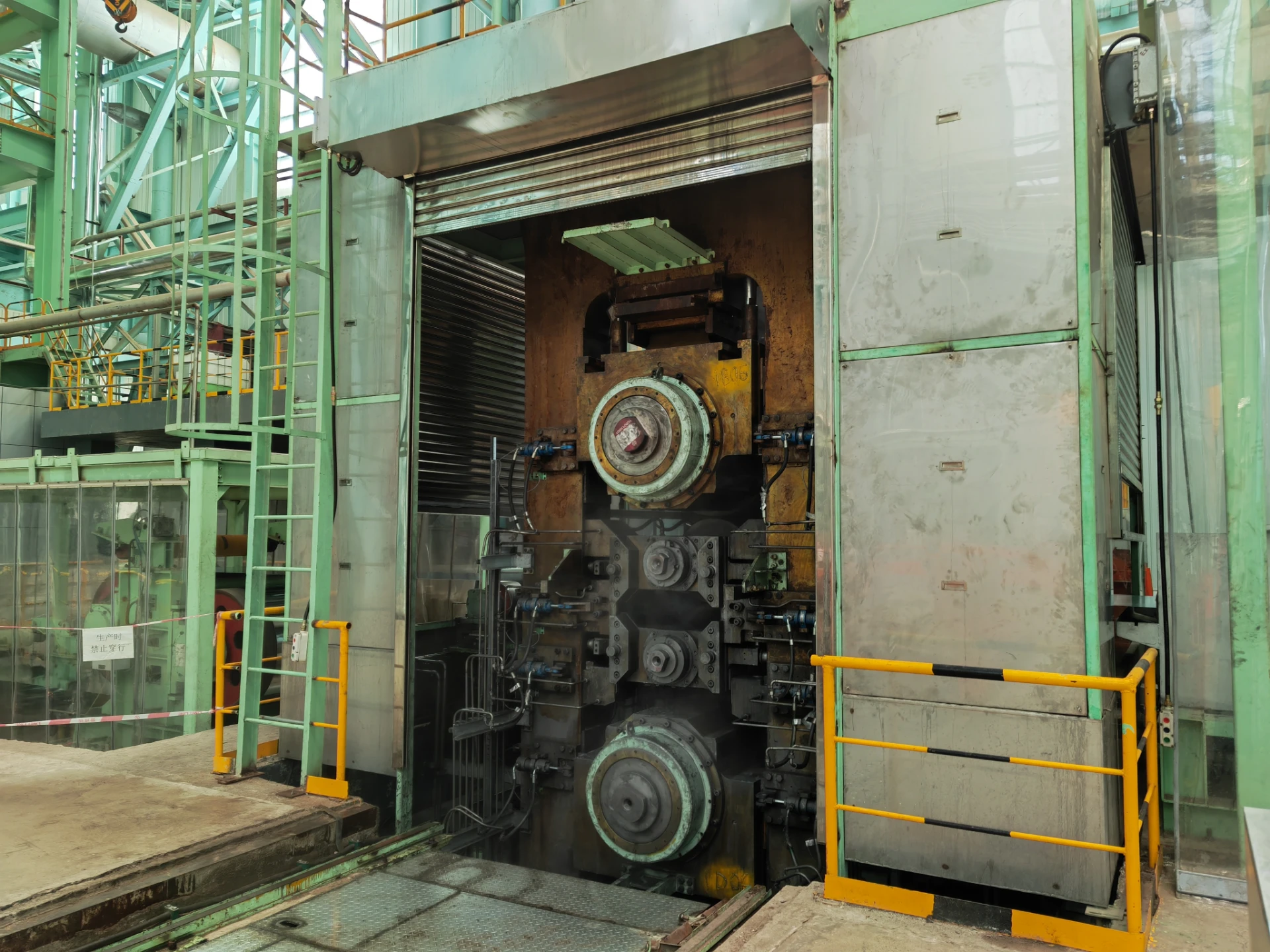
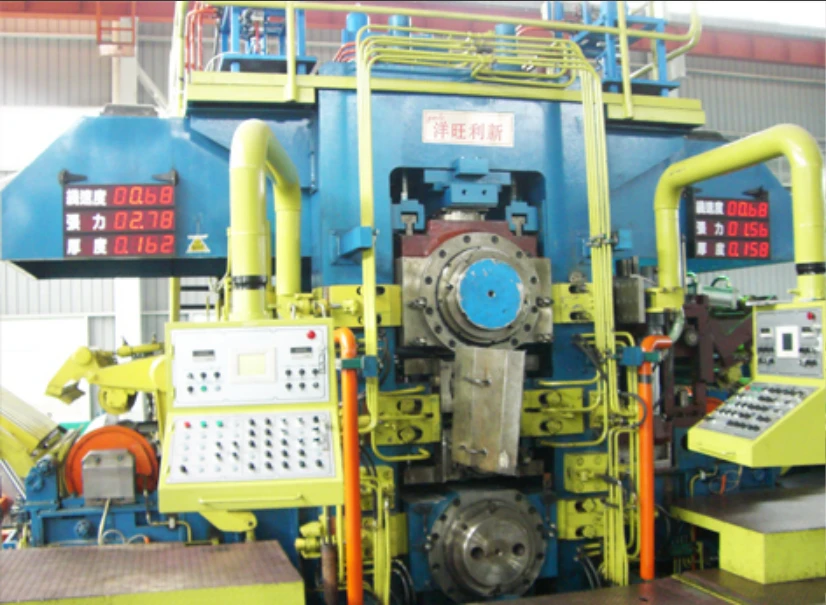
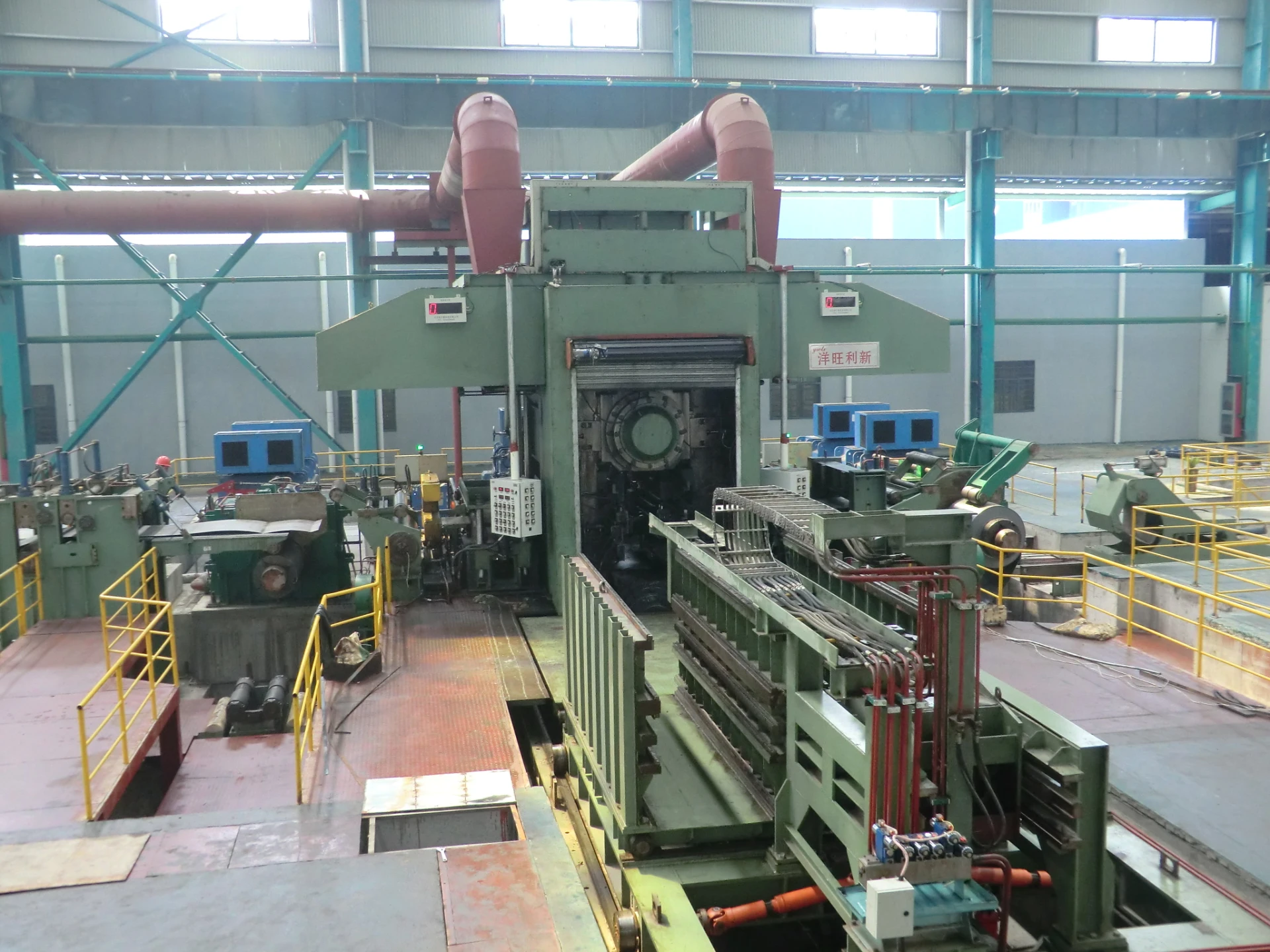
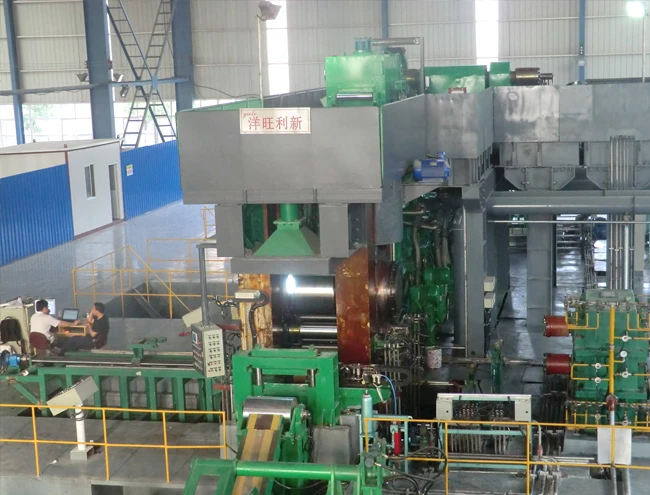
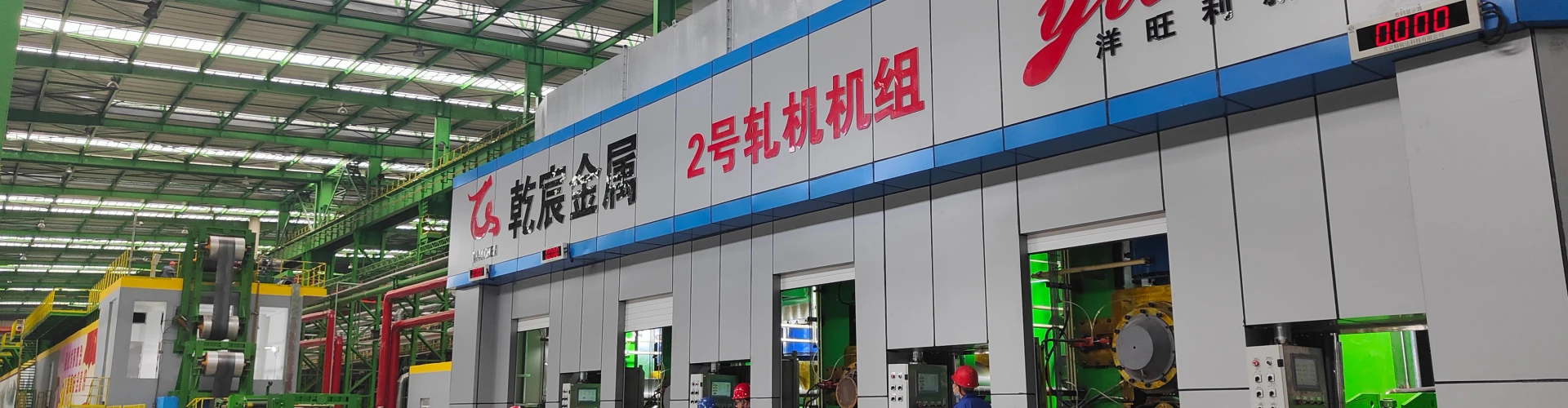
In the metallurgical rolling industry, the precision of automatic pressure control systems directly determines the quality of strip products and the stability of production lines. Calibration, as the core means to maintain system accuracy, ensures that pressure control devices operate within standard parameters, avoiding defects such as uneven strip thickness. Yang Wang Li Xin (YWLX), Established in 2003, is a preeminent professional turn-key project provider specializing in metallurgical rolling machinery for the iron, steel, and non-ferrous industries. The company offers comprehensive consultation, design, manufacturing, installation, and commissioning solutions, with a focus on optimizing core systems like automatic pressure control, tension control, and automated pressure regulator. AGC (Automatic Gauge Control) has been an essential device used in the strip rolling process to promote rolling precision. YWLX has been pursuing the development and research of complete AGC equipment since its founding in 2003. As one of YWLX's core technologies, its AGC has been applied to hundreds of cold/hot rolling mills, temper mills, and skin pass mills at home and abroad. YWLX's AGC can fully implement precise control of strip gauge, and this precision relies heavily on scientific and regular calibration of automatic pressure control systems.
Automatic Pressure Control Calibration Core Objectives
- Automatic pressure control calibration aims to eliminate measurement deviations. YWLX uses high-precision pressure sensors during calibration to compare the system's actual output with standard values, ensuring the pressure applied to the rolling mill matches the set parameters.
- Calibration of automatic pressure control enhances production stability. For cold rolling mills, even a small pressure deviation can cause strip thickness errors; YWLX's calibration process ensures the system responds quickly and accurately to load changes, reducing product scrap rates.
- Automatic pressure control calibration is part of YWLX's turn-key service. The company integrates calibration into the commissioning phase, providing long-term calibration guidance for customers to extend the service life of the pressure control system.
Tension Control Synergy with Pressure Control Calibration
- Tension control and pressure control are interdependent in rolling processes. YWLX's calibration process synchronizes the two systems, ensuring that changes in strip tension do not interfere with the accuracy of pressure control, thus maintaining consistent strip quality.
- During tension control calibration, YWLX adjusts the correlation parameters with the pressure system. For example, in hot rolling mills, the calibration ensures that when tension increases, the pressure control system compensates appropriately to avoid excessive rolling force.
- The company's on-site calibration team uses professional software to simulate various working conditions, testing the coordination between tension control and pressure control, and optimizing parameters to adapt to different strip materials and rolling speeds.
Automated Pressure Regulator Calibration Key Steps
- Automated pressure regulator calibration starts with equipment inspection. YWLX's technicians check the regulator's sealing and wear status, replacing aging components to ensure there is no pressure leakage affecting calibration results.
- The calibration of automated pressure regulator adopts a step-by-step verification method. The regulator is tested at multiple pressure points from low to high, and the response time and adjustment accuracy are recorded to ensure it meets the AGC system's requirements.
- After calibration, YWLX provides a detailed report for automated pressure regulator, including calibration data, adjustment records, and next calibration recommendations, helping customers establish a complete equipment maintenance system.
Automatic Pressure Control Calibration FAQS
How often should automatic pressure control systems in rolling mills be calibrated?
The calibration cycle depends on usage intensity. For continuous working hot rolling mills, we recommend calibrating automatic pressure control every 3 months; for cold rolling mills with stable loads, semi-annual calibration is sufficient. YWLX's AGC system has a self-monitoring function that alerts when calibration is needed based on parameter deviations.
What is the relationship between tension control calibration and the accuracy of strip gauge?
Incorrect tension control will cause strip stretching or wrinkling, which indirectly affects the pressure control system's judgment of rolling force. When we calibrate tension control synchronously with pressure control, the AGC system can accurately calculate the required pressure, ensuring the strip gauge meets the standard—this is a core technology of YWLX's turn-key solutions.
What tools does YWLX use for automated pressure regulator calibration?
We use internationally certified precision pressure calibrators with an error range of less than 0.05%. These tools can directly communicate with the automated pressure regulator to read real-time data and automatically generate calibration curves, ensuring the calibration results are traceable and compliant with ISO standards.
Can YWLX provide on-site calibration services for automatic pressure control systems overseas?
Yes. As a global turn-key project provider, we have a professional overseas service team. For customers with overseas rolling mills, we can dispatch technicians to carry out on-site calibration of automatic pressure control systems, and provide simultaneous training for local operators to ensure independent maintenance in the future.
Will automated pressure regulator calibration affect normal production schedules?
We optimize the calibration process to minimize downtime. A single automated pressure regulator calibration takes only 2-3 hours. We usually arrange it during equipment maintenance breaks, and our technicians work in groups to complete calibration and parameter adjustment efficiently, ensuring no impact on the production plan.
-
Ship Multi-Project Equipment on the Lantern FestivalNewsMar.03,2026
-
YWLX Deep Dives into Cladding Line with Dubai ClientNewsDec.22,2025
-
1450mm 6-Hi Reversing Mill Goes Live in BangladeshNewsOct.28,2025
-
Sep. 3rd Parade: Carry Forward and Press OnNewsSep.03,2025
-
Indian Clients Visit YWLX to Inspect Skin-pass MillNewsJun.22,2025
-
Full- throttle! YWLX's Intense Production During May DayNewsMay.01,2025
-
YWLX Participated in the 2025 Chinese GAP Program Review ConferenceNewsApr.17,2025