Tandem Cold Rolling Mill Applications in Automotive Sheet Manufacturing
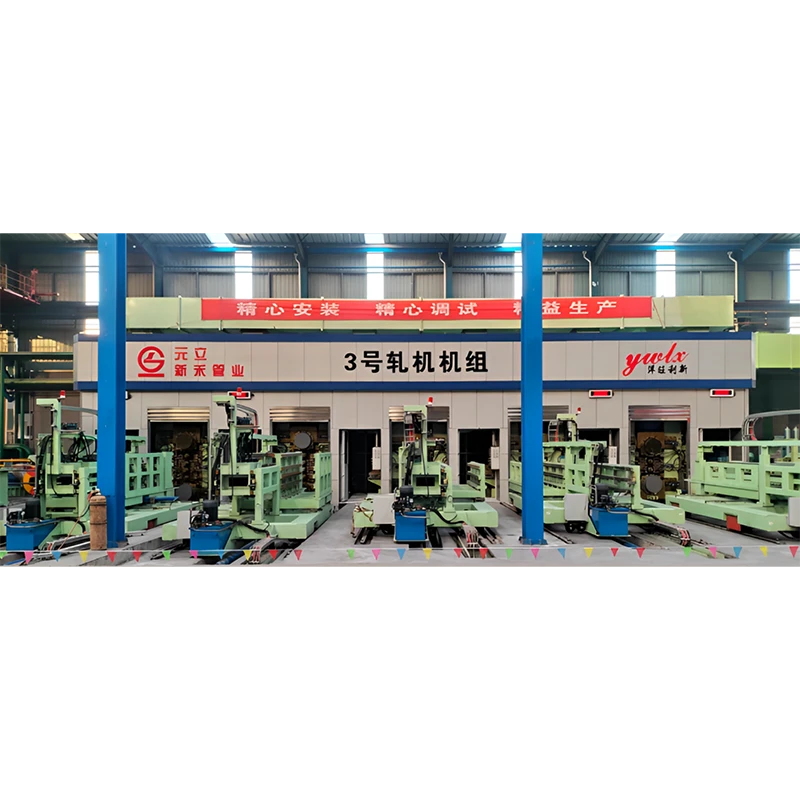
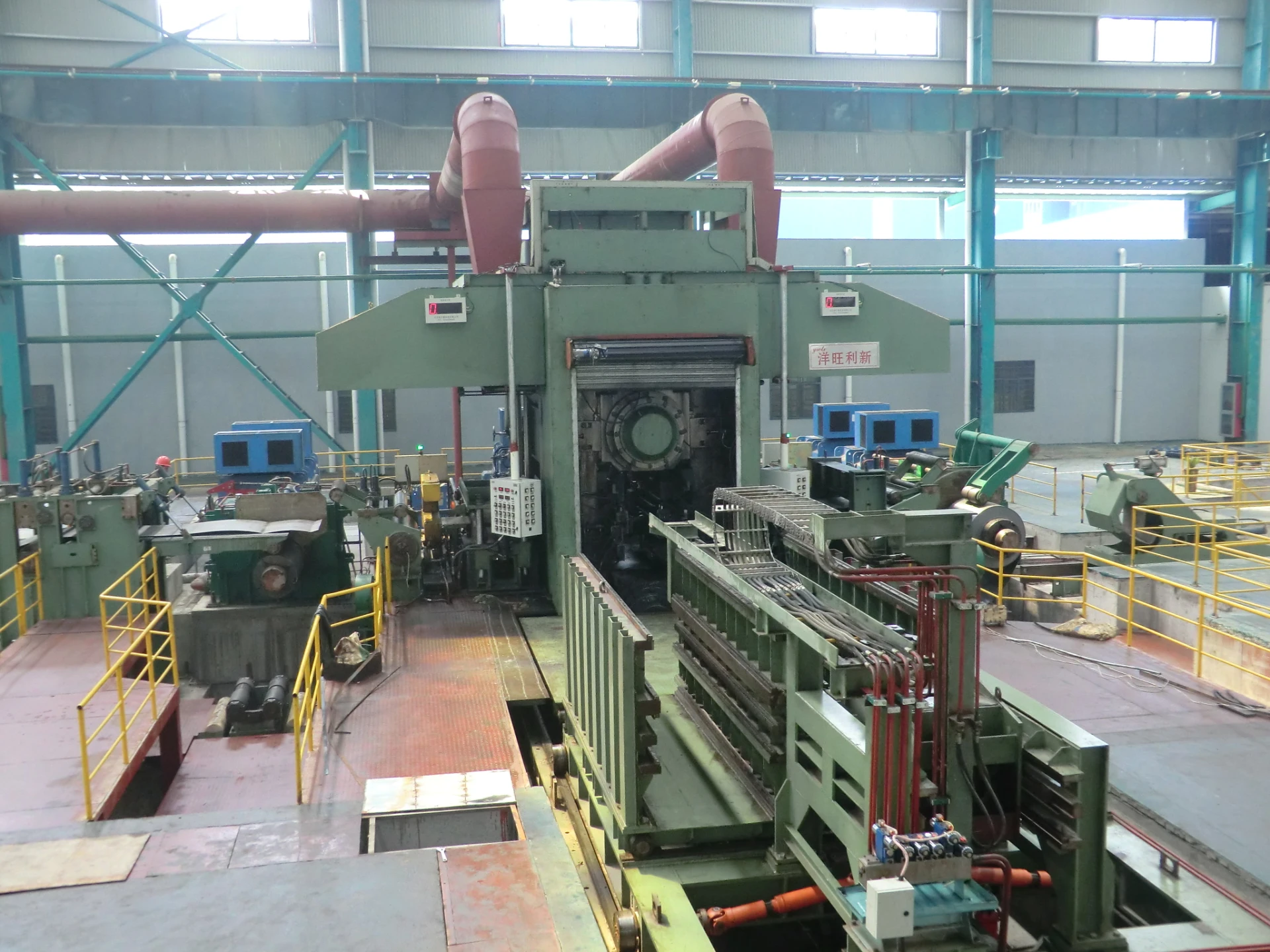
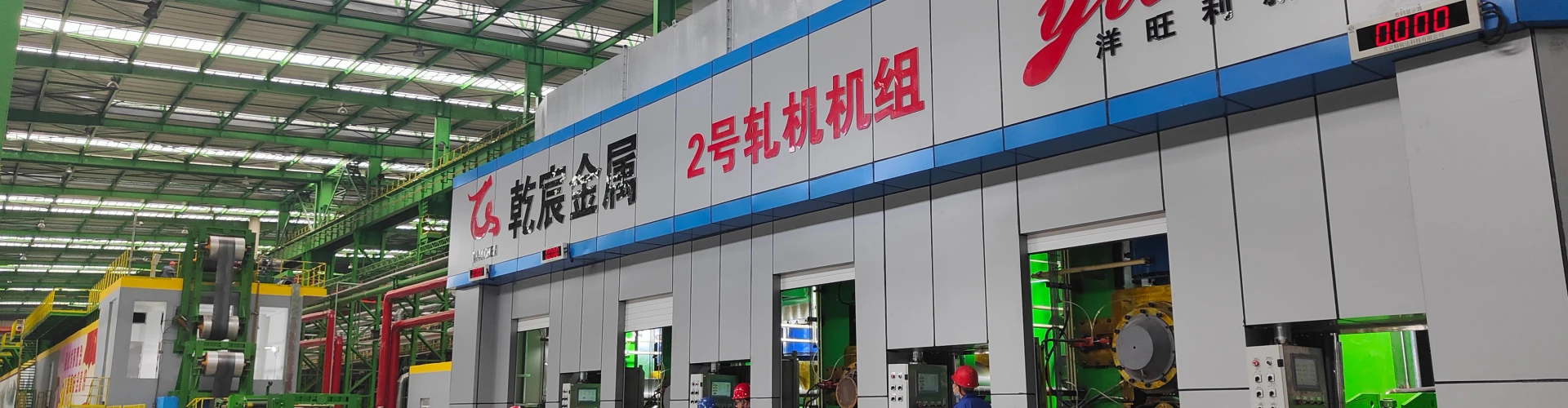
The modern automotive industry's relentless pursuit of perfect sheet metal has made tandem cold rolling mills indispensable in manufacturing high-quality automotive steel. These sophisticated multi-stand systems, comprising a series of coordinated rolling stands, progressively reduce strip thickness while enhancing mechanical properties. A typical pickle line tandem cold mill configuration combines cleaning, rolling, and finishing processes into one continuous operation, creating the ideal starting material for automotive panels. The precision achievable with these systems allows manufacturers to meet stringent automotive specifications for thickness tolerance, surface finish, and material consistency across entire production runs.
The Anatomy of a Tandem Cold Mill for Automotive Applications
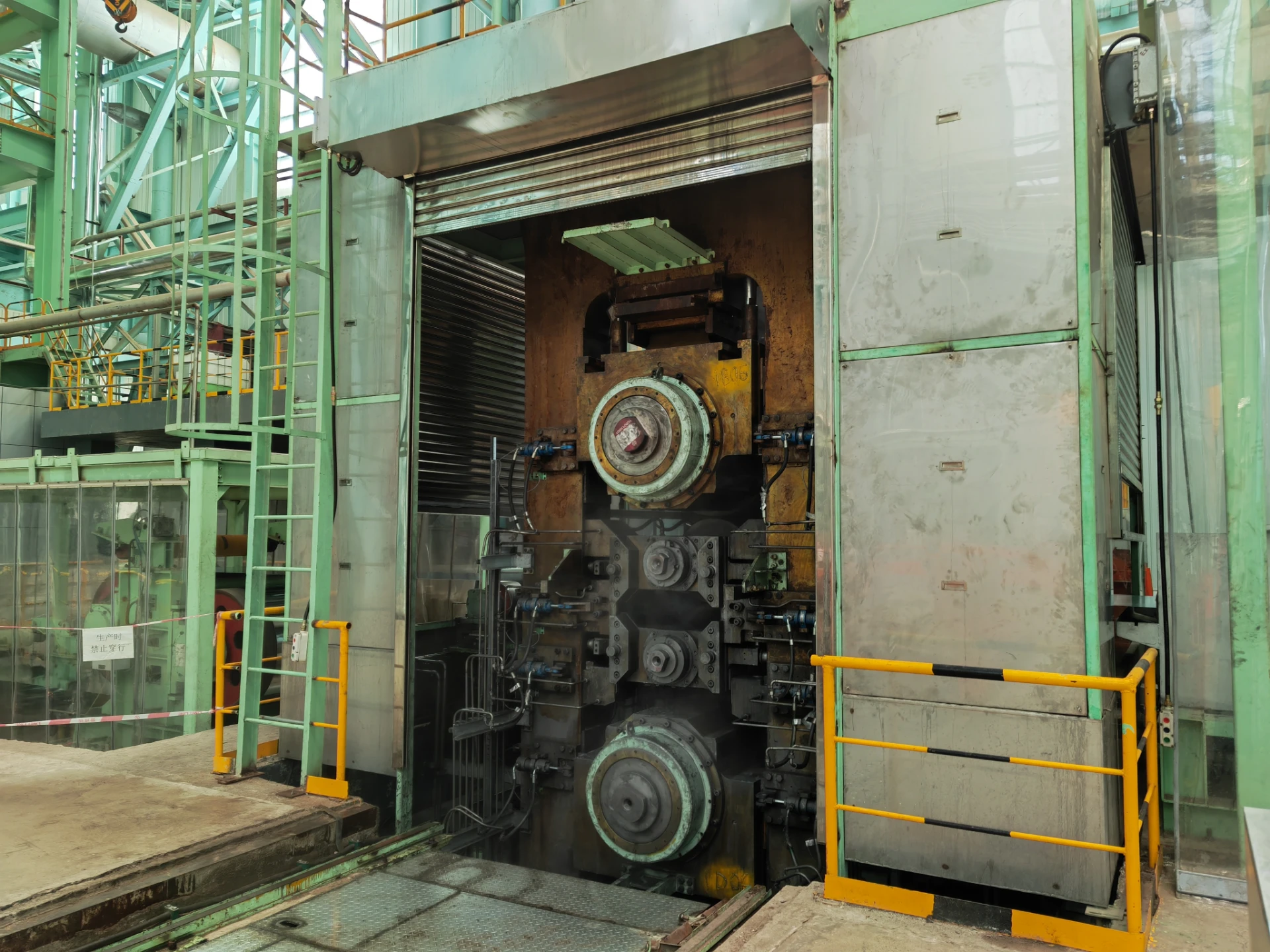
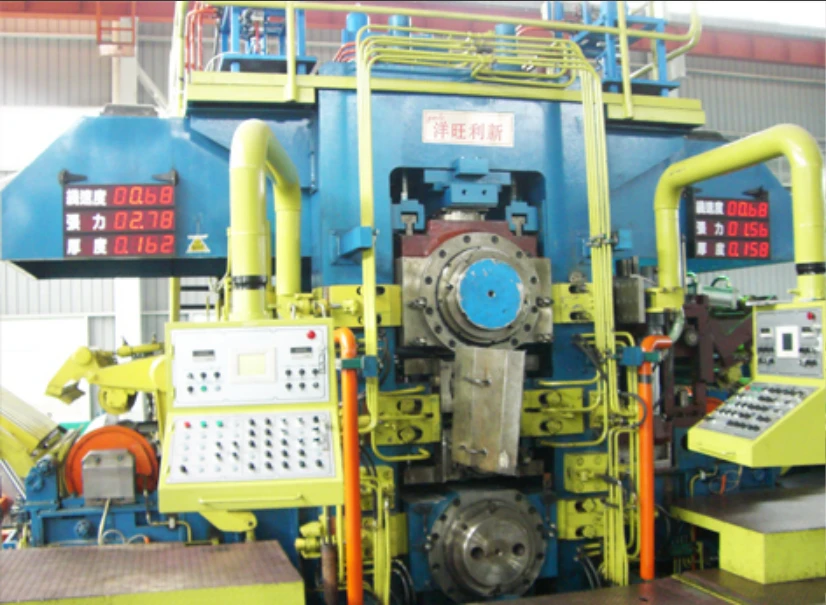
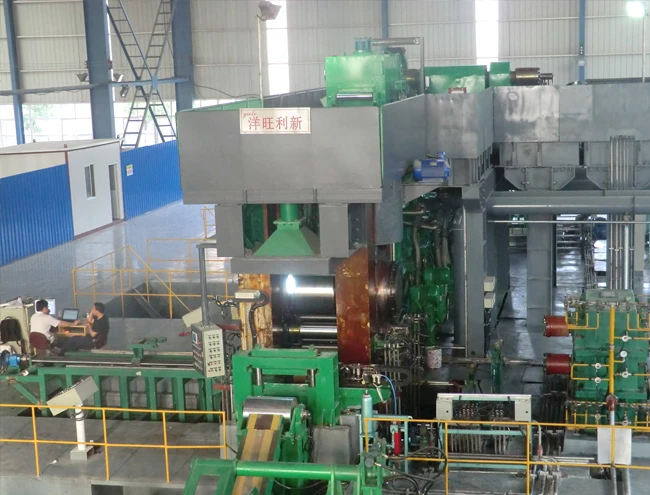
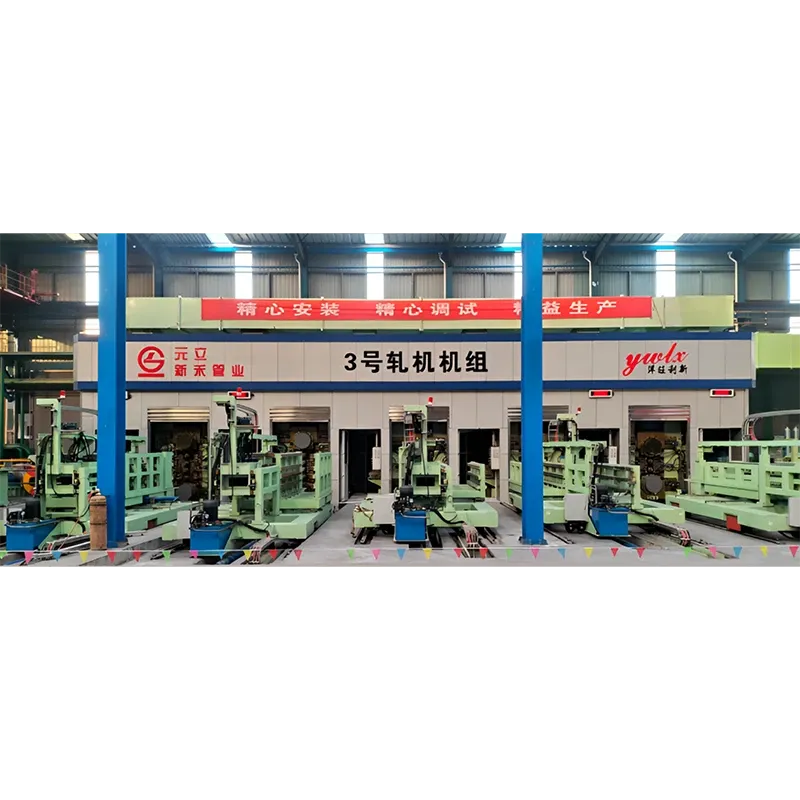
At the heart of every high-performance tandem cold rolling mill lies an intricate arrangement of rolls and supporting structures designed for extreme precision. The work roll chock assembly forms the critical interface between the rolling force and mill structure, maintaining precise roll positioning under tremendous pressure. Intermediate rolls serve as force mediators between work rolls and backup rolls, allowing for superior flatness control - a crucial factor in automotive sheet production. Some advanced mills incorporate vertical roll systems to manage edge drop and maintain consistent strip profile across the entire width. This complex mechanical symphony operates at speeds exceeding 1,500 meters per minute while maintaining tolerances measured in microns.
From Pickle Line to Finished Coil: The Integrated Process
The modern pickle line tandem cold mill represents the gold standard in automotive sheet production, combining three essential processes into a single continuous operation. After decoiling, the hot-rolled steel first passes through acid pickling to remove scale, then proceeds directly to the tandem cold mill section where it undergoes progressive reduction across multiple stands. This integrated approach eliminates intermediate handling and recoiling, reducing surface defects that could compromise automotive panel quality. The tandem cold mill's synchronized stands apply precisely calibrated reductions at each pass, with automatic gauge control systems maintaining thickness variations within ±1% - a requirement for today's high-precision automotive stamping operations.
Precision Control Systems in Tandem Cold Rolling
Achieving the demanding specifications of automotive sheet requires sophisticated control systems throughout the tandem cold rolling mill. Advanced hydraulic systems in the work roll chock assembly allow for dynamic roll gap adjustments during operation, compensating for thermal expansion and wear. Shape control systems utilize intermediate rolls with special crown profiles to maintain perfect flatness across the strip width. Modern mills employ laser measurement systems that monitor strip profile in real-time, feeding data back to the vertical roll adjustment mechanisms. These control systems work in concert to produce steel with the precise mechanical properties needed for complex automotive stampings while maintaining surface finishes suitable for high-quality paint application.
Material Transformation During Tandem Cold Rolling
The cold reduction process in a tandem cold mill fundamentally transforms the steel's microstructure to meet automotive requirements. As the material passes through successive stands, the grains elongate and strengthen through work hardening - a process carefully controlled to achieve the perfect balance between formability and strength. The intermediate rolls play a crucial role in managing this transformation by ensuring uniform reduction across the strip width, preventing edge cracks that could propagate in subsequent forming operations. Modern pickle line tandem cold mill configurations can produce dual-phase and TRIP steels favored by automakers for their excellent strength-to-weight ratios, all while maintaining the surface quality demanded for exterior body panels.
Tandem Cold Rolling Mill Innovations for Advanced Automotive Steels
As automotive manufacturers demand increasingly sophisticated steel grades, tandem cold rolling mill technology has evolved to meet these challenges. New work roll chock assembly designs allow for faster roll changes, minimizing downtime when switching between different automotive steel grades. Special intermediate roll materials resist the higher loads encountered when rolling advanced high-strength steels (AHSS). Some mills now incorporate segmented vertical rolls that can be adjusted across the strip width to accommodate varying material flow characteristics. These innovations enable the production of third-generation AHSS with complex microstructures while maintaining the surface quality and dimensional precision required for automotive applications.
Tandem Cold Rolling’s Quality Assurance in Automotive Sheet Production
The tandem cold rolling mill serves as the critical quality gate in automotive sheet manufacturing. In-line inspection systems monitor surface quality after each stand, detecting any imperfections that might affect subsequent painting processes. The precision of the work roll chock assembly directly influences the strip's surface finish, with modern designs minimizing vibration that could cause chatter marks. Intermediate roll positioning systems ensure consistent pressure distribution across the strip width, preventing edge defects that could lead to tearing during stamping. This comprehensive quality approach results in steel that meets the automotive industry's most demanding standards for both visible and non-visible parts.
Tandem Cold Rolling’s Energy Efficiency and Sustainability Considerations
Modern tandem cold rolling mills for automotive sheet production incorporate numerous energy-saving features without compromising quality. The pickle line tandem cold mill configuration reduces energy consumption by eliminating intermediate transportation and handling steps. Advanced work roll chock assembly designs minimize friction losses, while regenerative braking systems capture energy during deceleration. Some mills now use vertical roll systems optimized for thinner gauges, reducing the total energy required for deformation. These innovations help automotive steel producers meet increasingly stringent sustainability targets while maintaining the high product quality demanded by vehicle manufacturers.
The Critical Role of Tandem Cold Rolling in Automotive Excellence
From luxury sedans to economy hatchbacks, every vehicle on the road benefits from the precision of tandem cold rolling mill technology. The intricate interplay between work roll chock assemblies, intermediate rolls, and vertical roll systems creates sheet metal with unmatched consistency and quality. As automotive design pushes the boundaries of material science, the pickle line tandem cold mill remains the foundation for producing steels that combine strength, formability, and perfect surface quality. These sophisticated rolling systems will continue to be indispensable in meeting the automotive industry's evolving needs for higher performance, lighter weight, and more sustainable materials.
-
Ship Multi-Project Equipment on the Lantern FestivalNewsMar.03,2026
-
YWLX Deep Dives into Cladding Line with Dubai ClientNewsDec.22,2025
-
1450mm 6-Hi Reversing Mill Goes Live in BangladeshNewsOct.28,2025
-
Sep. 3rd Parade: Carry Forward and Press OnNewsSep.03,2025
-
Indian Clients Visit YWLX to Inspect Skin-pass MillNewsJun.22,2025
-
Full- throttle! YWLX's Intense Production During May DayNewsMay.01,2025
-
YWLX Participated in the 2025 Chinese GAP Program Review ConferenceNewsApr.17,2025