Practical Uses Of The Temper Rolling Process
The temper rolling process is an essential stage in the steelmaking industry that ensures finished products meet high standards of quality. This process involves applying a small amount of cold reduction to steel sheets or strips after annealing. The aim is to improve mechanical properties, eliminate yield point elongation, and enhance flatness. Industries such as automotive, appliance manufacturing, and construction rely heavily on the temper rolling process to ensure materials are strong, durable, and consistent. Without this step, the final steel sheets would be prone to issues like surface defects, waviness, or poor formability. By adopting the temper rolling process, manufacturers gain the advantage of producing steel that performs well under stress and maintains excellent appearance, which is highly valued by customers across different markets.
How A Tempermill Improves Steel Sheets
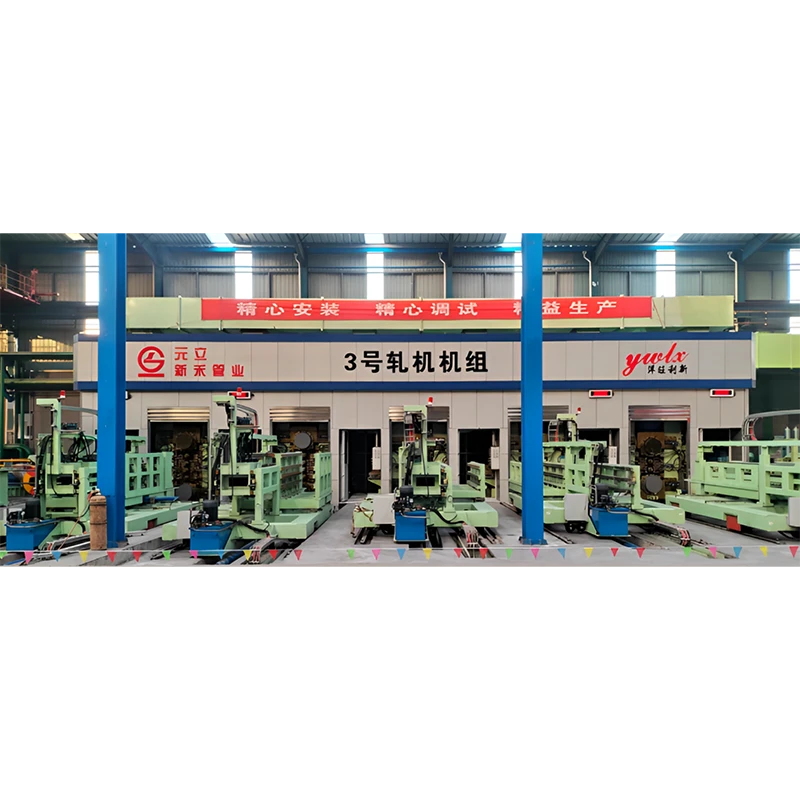
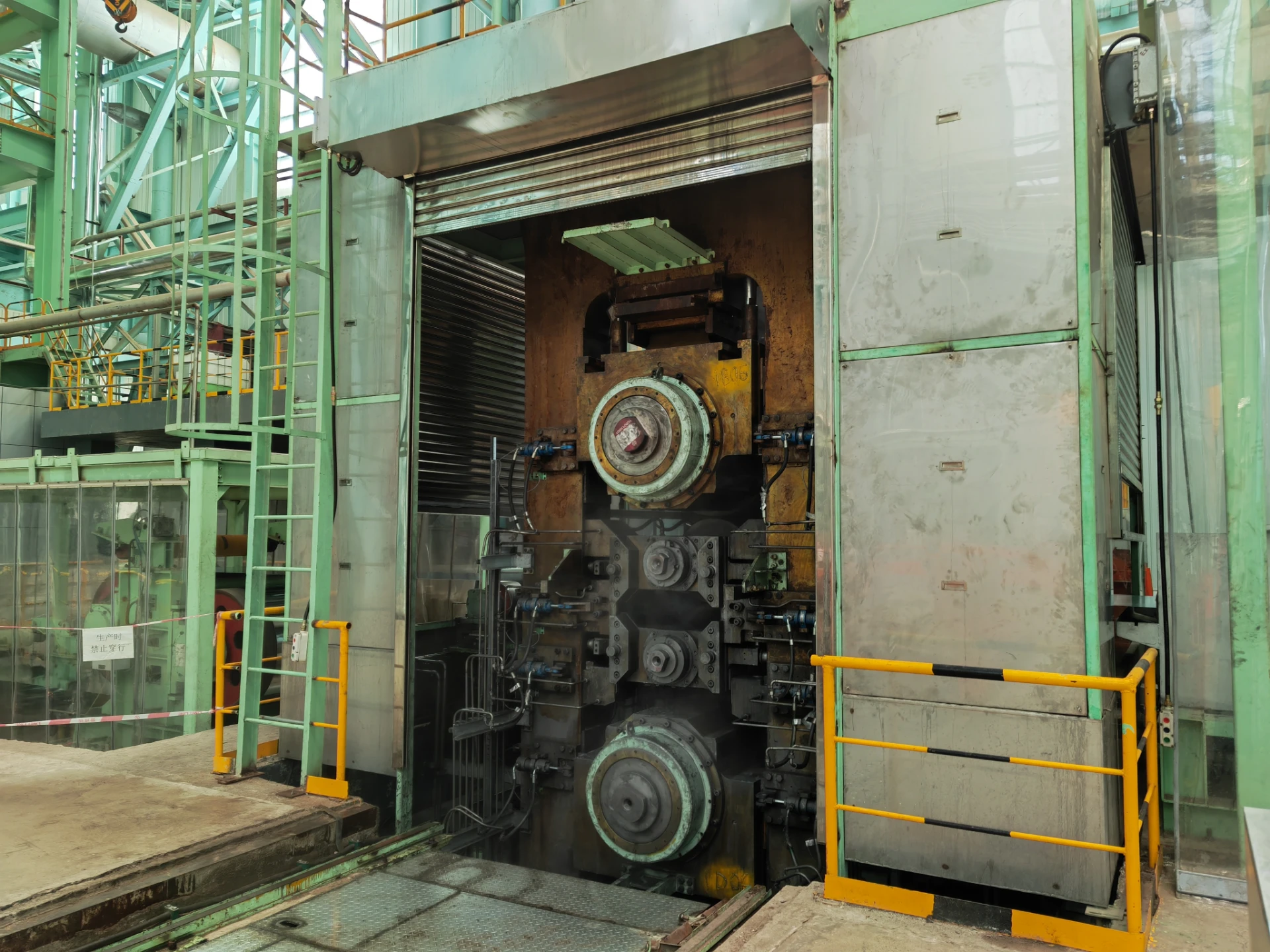
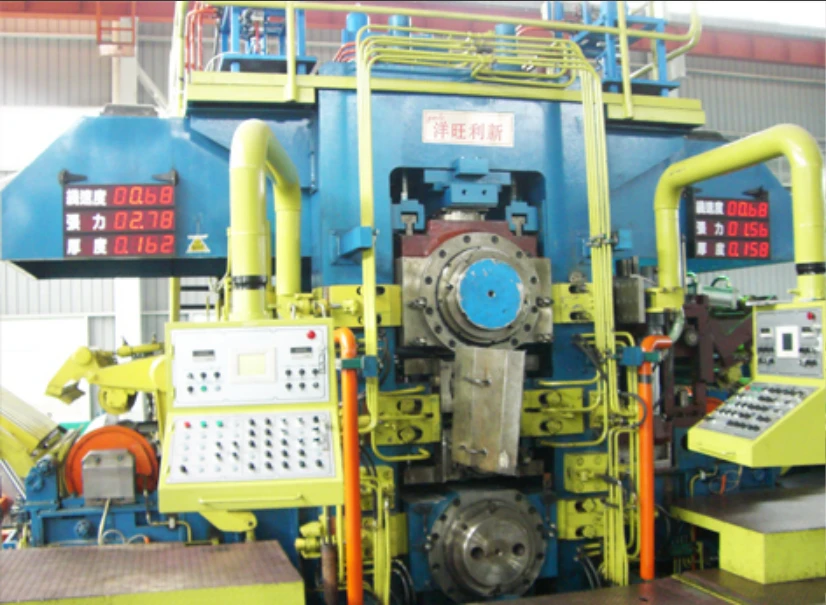
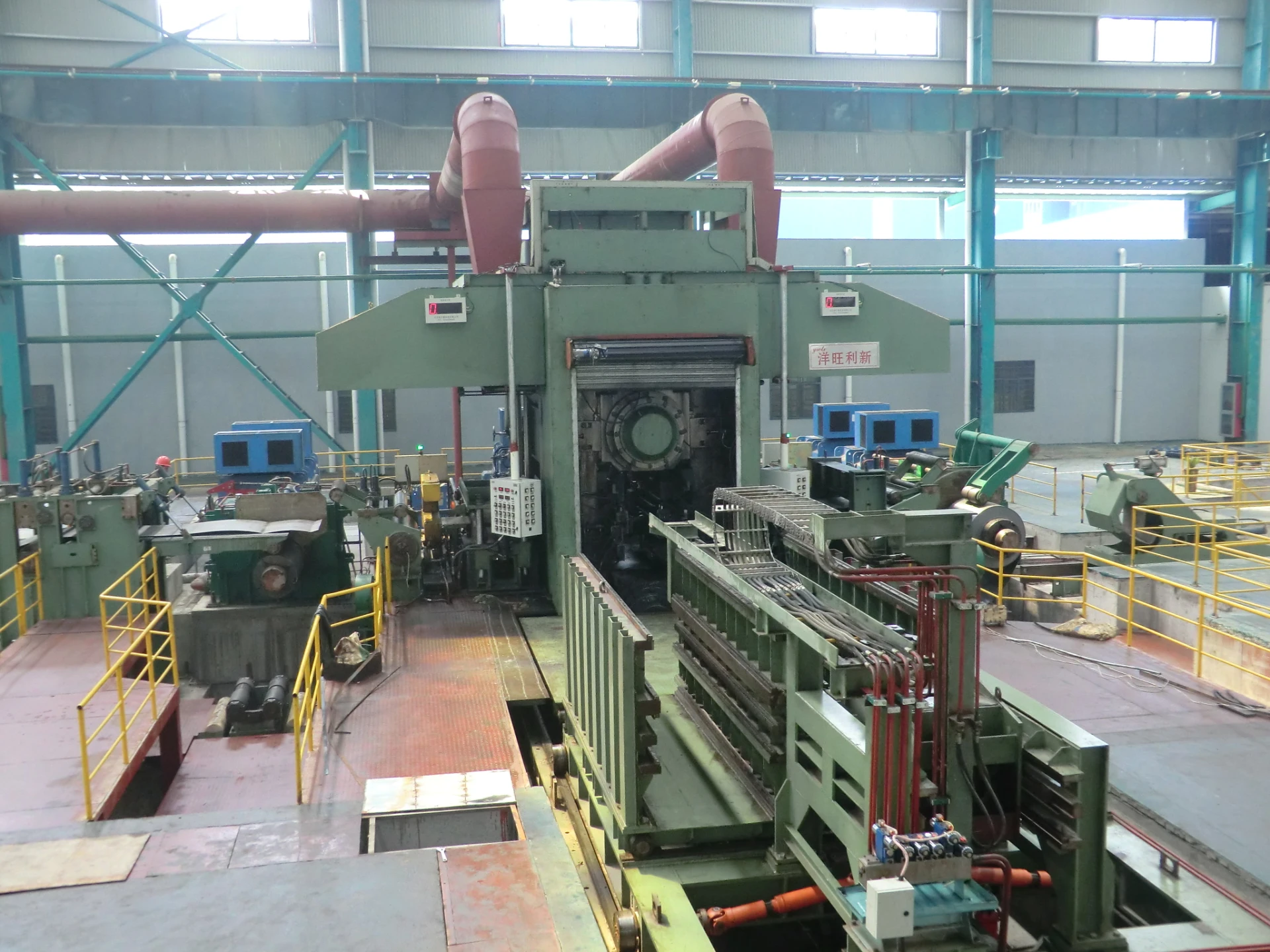
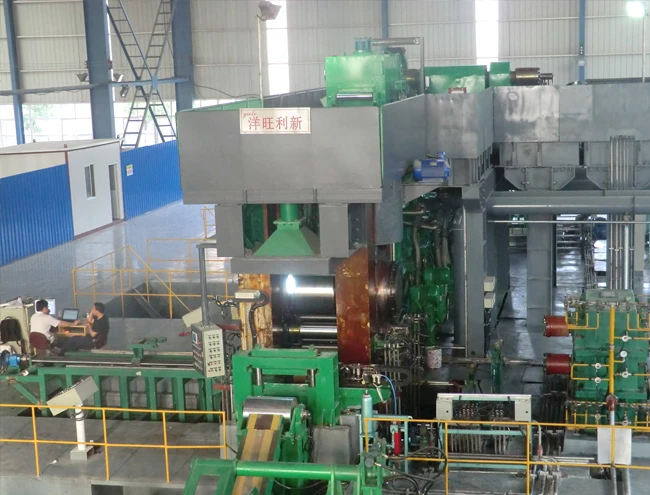
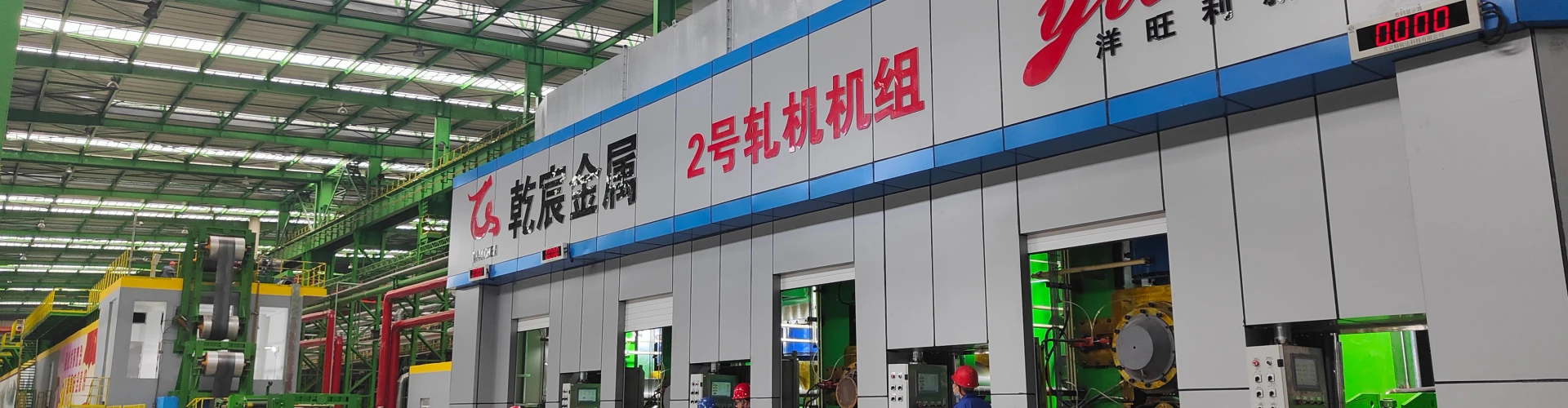
A tempermill is the machine at the center of the temper rolling process. It applies controlled rolling pressure to steel strips, refining their thickness and surface finish. Modern tempermills are equipped with automation features that allow precise adjustments, ensuring consistent quality even in high-volume production environments. The purpose of a tempermill goes beyond pressing steel into shape; it also relieves internal stresses that could otherwise cause defects during downstream operations such as cutting, bending, or welding.
Manufacturers who invest in high-quality tempermills benefit from enhanced production efficiency, reduced rejection rates, and improved profitability. For example, in the automotive sector, steel sheets processed by a tempermill are preferred for body panels because of their smooth finish and ability to withstand further processing without cracking. Similarly, in home appliances, the appearance of outer panels relies heavily on the uniform surface quality achieved in the tempermill. By adopting advanced tempermills, companies strengthen their competitiveness in industries where precision and aesthetics matter.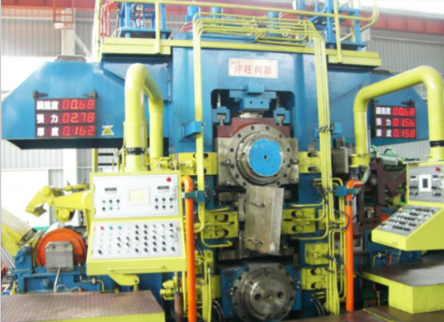
Key Steps In Temper Mill Operation
Smooth temper mill operation is crucial for achieving the benefits of the temper rolling process. Operators must balance several parameters, such as rolling force, strip tension, and cooling systems, to produce consistent results. Any imbalance could lead to sheet defects, uneven thickness, or surface irregularities that would compromise the value of the final product.
In a typical temper mill operation, the steel strip enters the mill after annealing. It is then passed through high-pressure rollers that apply the necessary reduction. The operator monitors strip tension carefully to avoid breakage and to ensure dimensional accuracy. Cooling systems play a role in maintaining stability and preventing overheating, which could damage the steel surface. The final step involves inspection to confirm that the sheet meets specifications in terms of thickness, flatness, and mechanical properties.
Successful temper mill operation demands skilled workers, modern machinery, and a strict quality control system. Companies that maintain these standards can deliver steel sheets with high reliability, reducing downstream problems for customers. This operational excellence not only boosts customer satisfaction but also lowers long-term costs for the producer.
Cultural Note On Mac Miller Temper Trap
While technical industries focus on rolling operations, cultural connections like Mac Miller Temper Trap show how industrial terms can cross into everyday conversations. Mac Miller, the American rapper, and The Temper Trap, the Australian rock band, share names that echo rhythm, control, and balance. Interestingly, these concepts are similar to those found in steel rolling, where rhythm and precision define the success of production.
Though the phrase "Mac Miller Temper Trap" might seem unrelated to steel at first glance, it highlights how industries can use cultural references to make technical topics more relatable. For example, just as a musician fine-tunes rhythm and harmony, a temper mill fine-tunes sheet metal quality. This cultural connection helps people outside the industry better understand the importance of consistency and precision in the temper rolling process. It also shows how language bridges the gap between industrial applications and daily life, making complex processes easier to discuss.
Temper Rolling Process FAQs
The temper rolling process ensures consistent, high-quality steel sheets for industries worldwide. If your business values durability, smooth surfaces, and reliable material performance, now is the right time to explore modern temper rolling solutions. Visit our company website, check our latest technologies, and find the equipment that matches your needs. By choosing high-quality machinery and expert service, you not only improve your production but also strengthen your brand’s reputation in competitive markets. Don’t wait—upgrade your steel processing today and see the difference advanced technology can bring.
What Is The Temper Rolling Process?
It is a finishing step in steel production that improves sheet quality by enhancing surface finish, flatness, and mechanical stability.
How Does A Tempermill Work?
A tempermill applies controlled pressure to steel strips, adjusting their thickness and reducing internal stresses for consistent performance.
Why Is Temper Mill Operation Important?
Proper temper mill operation ensures reliable sheet quality, reduces defects, and enhances efficiency in downstream applications.
What Does Mac Miller Temper Trap Mean In This Article?
It is a cultural connection, linking music rhythm to industrial precision, helping readers understand rolling processes more easily.
Where Can I Buy Temper Rolling Equipment?
You can visit our company website, consult our sales experts, and order reliable rolling equipment that matches your production needs.
-
Ship Multi-Project Equipment on the Lantern FestivalNewsMar.03,2026
-
YWLX Deep Dives into Cladding Line with Dubai ClientNewsDec.22,2025
-
1450mm 6-Hi Reversing Mill Goes Live in BangladeshNewsOct.28,2025
-
Sep. 3rd Parade: Carry Forward and Press OnNewsSep.03,2025
-
Indian Clients Visit YWLX to Inspect Skin-pass MillNewsJun.22,2025
-
Full- throttle! YWLX's Intense Production During May DayNewsMay.01,2025
-
YWLX Participated in the 2025 Chinese GAP Program Review ConferenceNewsApr.17,2025