Optimizing Wire Spooling with Advanced Controllo Tensione Svolgitore Systems
Understanding Controllo Tensione Svolgitore for Optimal Wire Spooling
Efficient and safe wire spooling is critical in numerous industries, from manufacturing and packaging to robotics and automation. A key component in achieving this is the controllo tensione svolgitore (tension controller for unwinders). This system meticulously regulates the tension of the wire as it’s unwound from the spool, preventing issues like overrunning, slack, and potential damage. This article will delve into the importance of tension control, how these systems work, key features to look for, and the benefits of investing in a reliable solution from BJYWLX. Maintaining consistent tension is crucial for product quality and minimizing downtime.
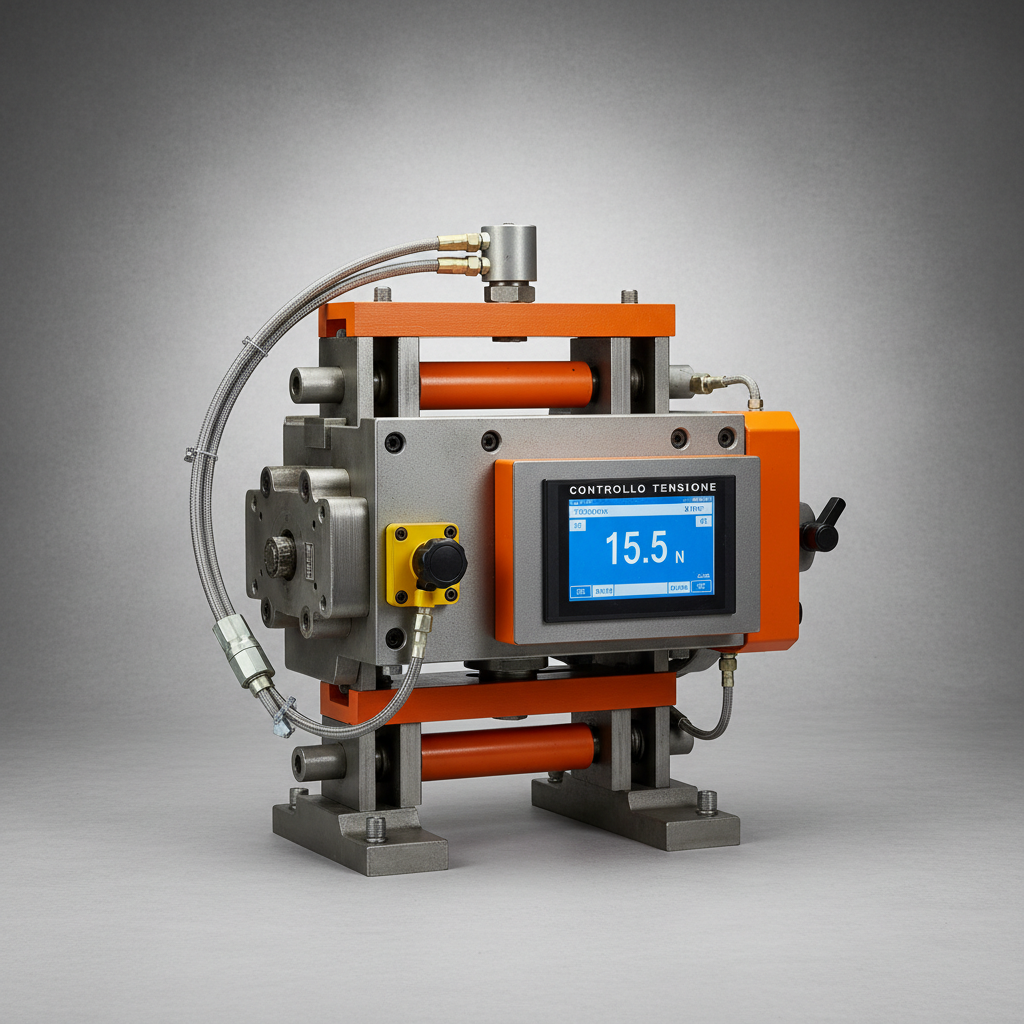
Why is Controllo Tensione Svolgitore Important?
Without proper tension control, the unwinding process can become unpredictable and problematic. Too little tension leads to slack, causing loops and tangles that disrupt production. Too much tension can stretch or break the wire, leading to material waste and machine damage. A controllo tensione svolgitore ensures a consistent, controlled unwind, resulting in higher product quality, reduced waste, and improved overall efficiency. This control minimizes errors and reduces the need for manual intervention, ultimately boosting productivity. It also extends the lifespan of the wire and the unwinding machinery.
Key Benefits: Consistent tension, Reduced material waste, Improved product quality, Enhanced efficiency, Extended equipment lifespan.
How Does a Controllo Tensione Svolgitore System Work?
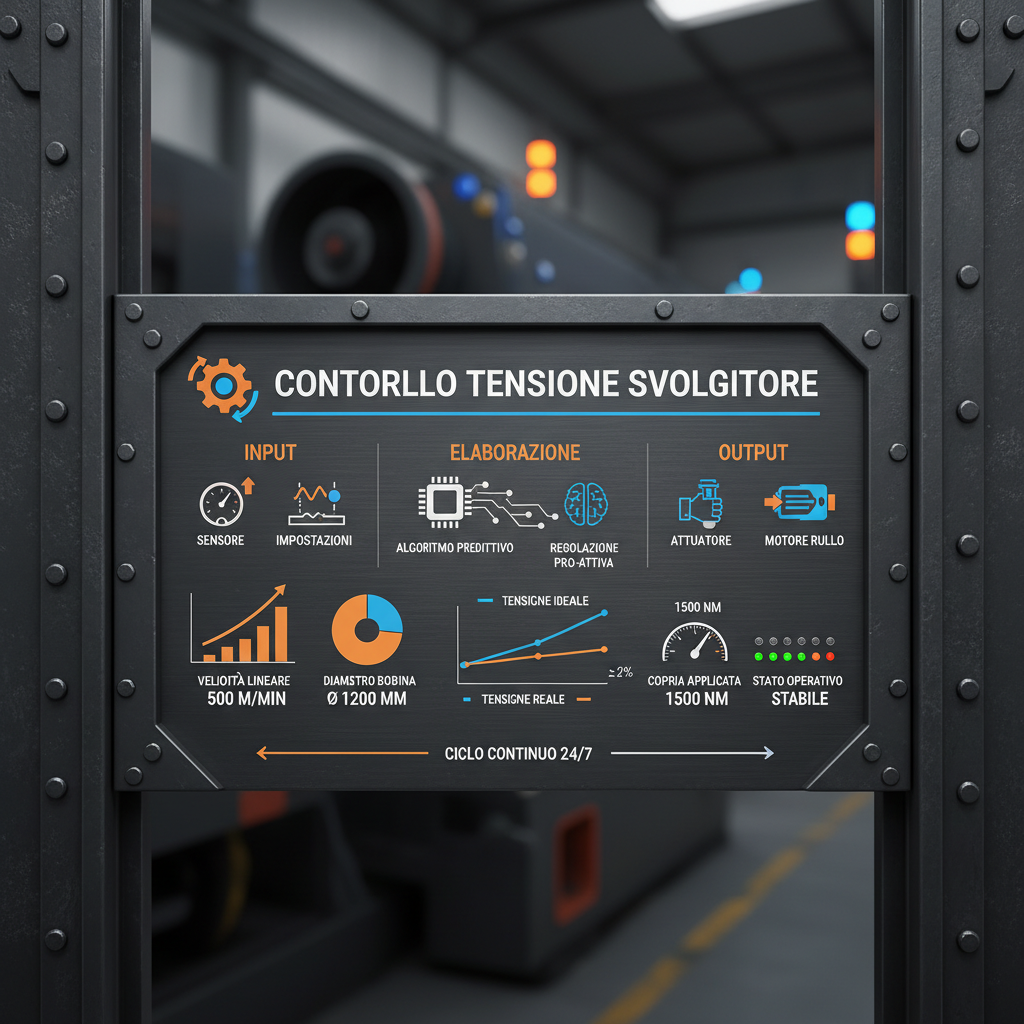
Most controllo tensione svolgitore systems utilize a combination of sensors, controllers, and braking mechanisms. A tension sensor continuously monitors the force on the wire. This information is fed to a controller, which then adjusts the braking system – typically a magnetic particle brake or a pneumatic brake – to maintain the desired tension level. More advanced systems incorporate closed-loop feedback, constantly adjusting the braking force to compensate for variations in spool diameter or wire properties. This results in remarkably precise tension control throughout the entire unwinding process.
Key Components:
• Tension Sensor
• Controller (PLC or dedicated controller)
• Braking System (Magnetic Particle or Pneumatic)
• Feedback Mechanism (for closed-loop control)
Controllo Tensione Svolgitore: BJYWLX Solutions Compared
BJYWLX offers a range of controllo tensione svolgitore systems designed to meet diverse industrial needs. Our systems are known for their precision, reliability, and user-friendly interfaces. Below is a comparison of some popular models:
Selecting the Right Controllo Tensione Svolgitore for Your Application
Choosing the right tension controller depends on several factors, including the type of wire, the spool size, the desired tension range, and the level of precision required. Consider the following when making your selection. First, assess the maximum wire diameter and weight. Second, determine the required tension range based on the wire's properties and the application. Closed-loop systems offer superior precision and stability, while open-loop systems are more cost-effective for less demanding applications. Contact BJYWLX today for expert assistance in selecting the ideal solution.
Conclusion: Investing in Reliable Tension Control
Investing in a high-quality controllo tensione svolgitore from BJYWLX is a strategic investment that delivers significant returns. By ensuring consistent tension, you’ll improve product quality, reduce waste, and increase overall efficiency. Don’t compromise on the integrity of your processes – choose BJYWLX for reliable and precise tension control.
Frequently Asked Questions (FAQs)
What is the difference between open-loop and closed-loop tension control?
Open-loop systems operate based on pre-set parameters and don't continuously monitor the actual tension. They are simpler and less expensive but less accurate. Closed-loop systems, on the other hand, utilize feedback from a tension sensor to constantly adjust the braking force, ensuring precise tension control regardless of variations in spool diameter or wire properties. Closed-loop systems are ideal for applications demanding high accuracy and consistency, while open-loop systems are suitable for less critical applications where some variation in tension is acceptable.
What types of braking systems are used in controllo tensione svolgitore systems?
The two most common types of braking systems are magnetic particle brakes and pneumatic brakes. Magnetic particle brakes offer smooth, precise control and are ideal for applications requiring frequent starts and stops. Pneumatic brakes are more cost-effective and provide reliable braking force, but their response time may be slightly slower than magnetic particle brakes. The choice depends on the specific application requirements and budget.
How can I determine the correct tension range for my application?
Determining the correct tension range requires considering the wire's material, diameter, and mechanical properties, as well as the application's specific requirements. Consult the wire manufacturer's specifications for recommended tension levels. It’s generally best to start with a lower tension and gradually increase it until the desired unwinding performance is achieved without causing damage to the wire. BJYWLX's technical team can provide expert guidance in selecting the appropriate tension range for your application.
-
Ship Multi-Project Equipment on the Lantern FestivalNewsMar.03,2026
-
YWLX Deep Dives into Cladding Line with Dubai ClientNewsDec.22,2025
-
1450mm 6-Hi Reversing Mill Goes Live in BangladeshNewsOct.28,2025
-
Sep. 3rd Parade: Carry Forward and Press OnNewsSep.03,2025
-
Indian Clients Visit YWLX to Inspect Skin-pass MillNewsJun.22,2025
-
Full- throttle! YWLX's Intense Production During May DayNewsMay.01,2025
-
YWLX Participated in the 2025 Chinese GAP Program Review ConferenceNewsApr.17,2025