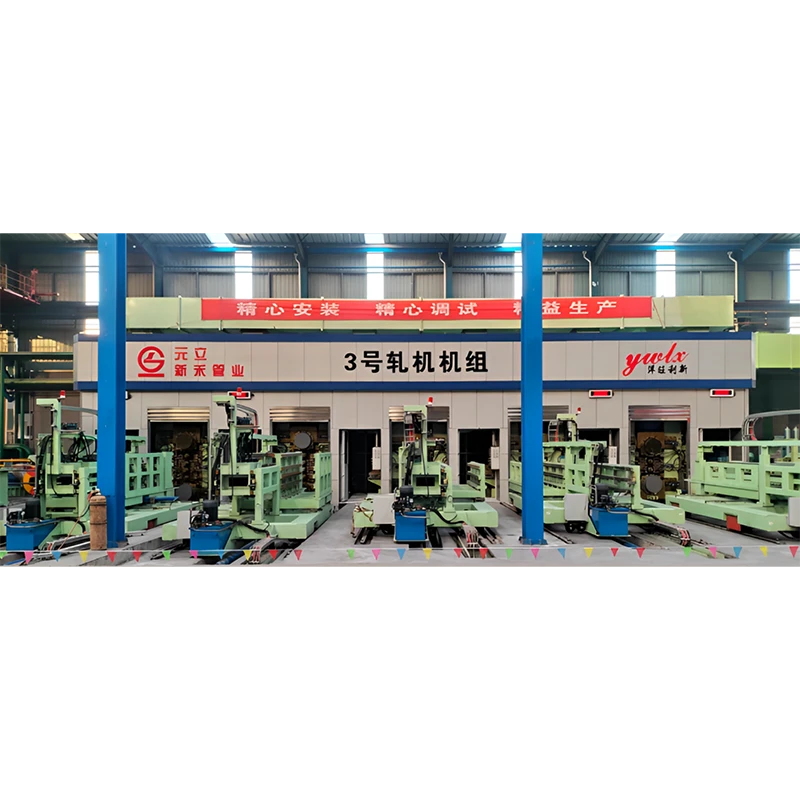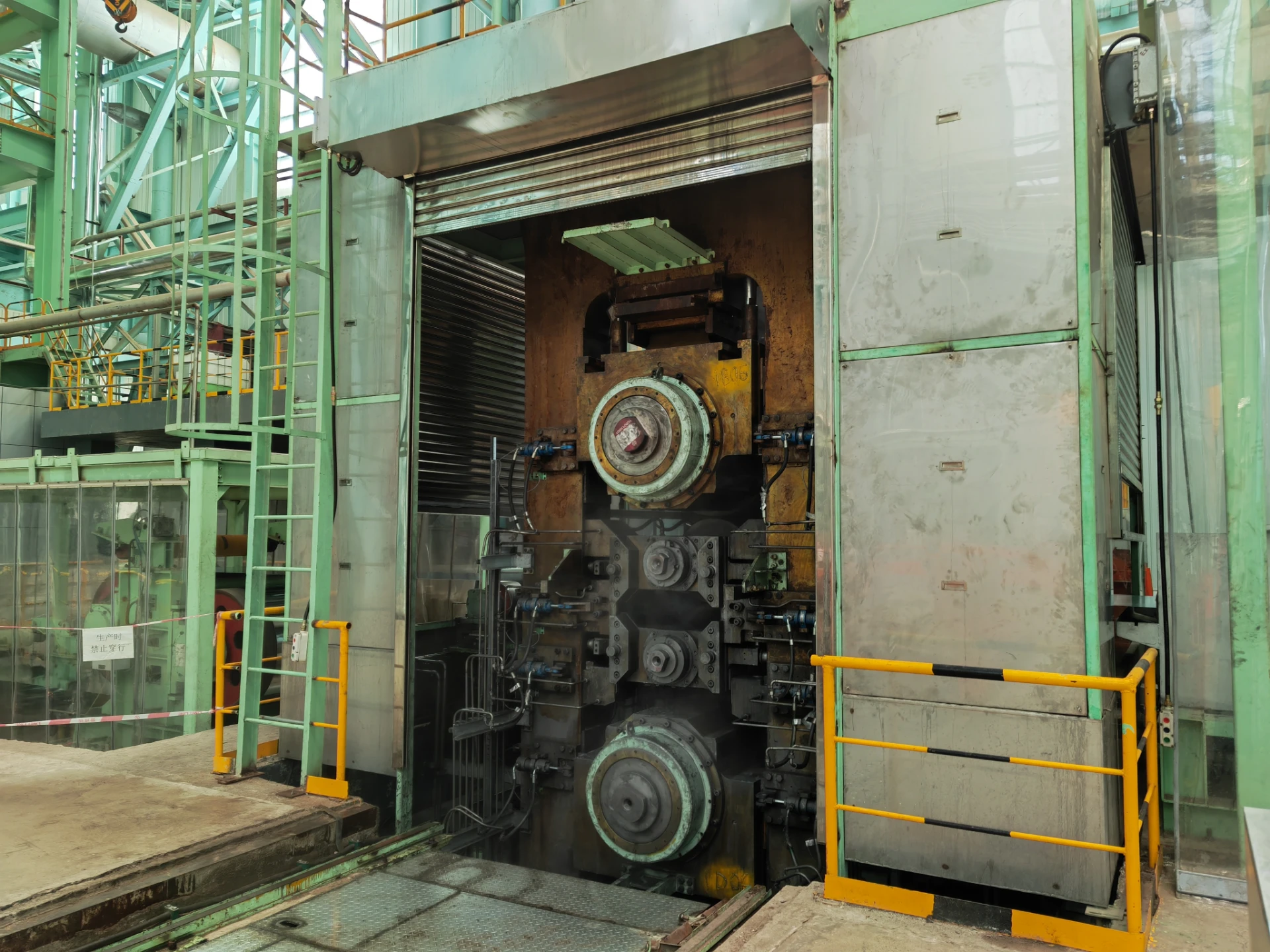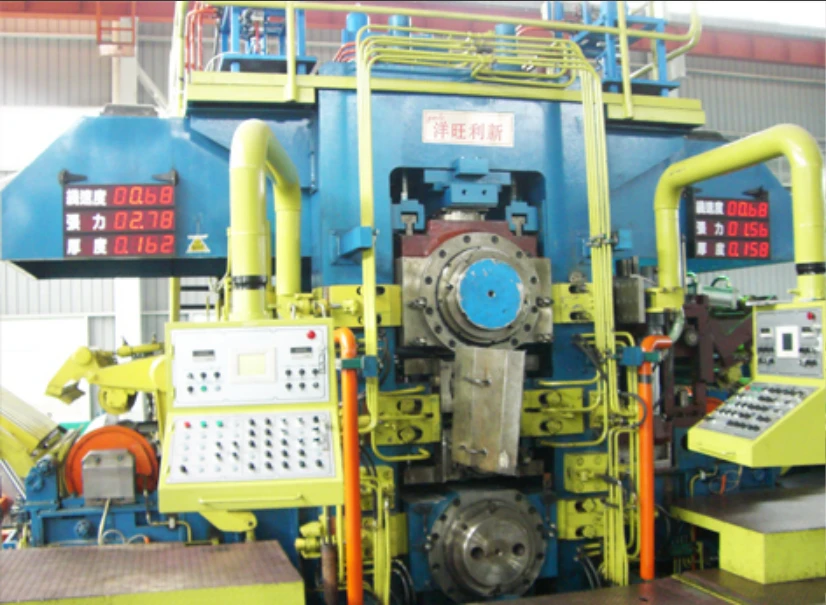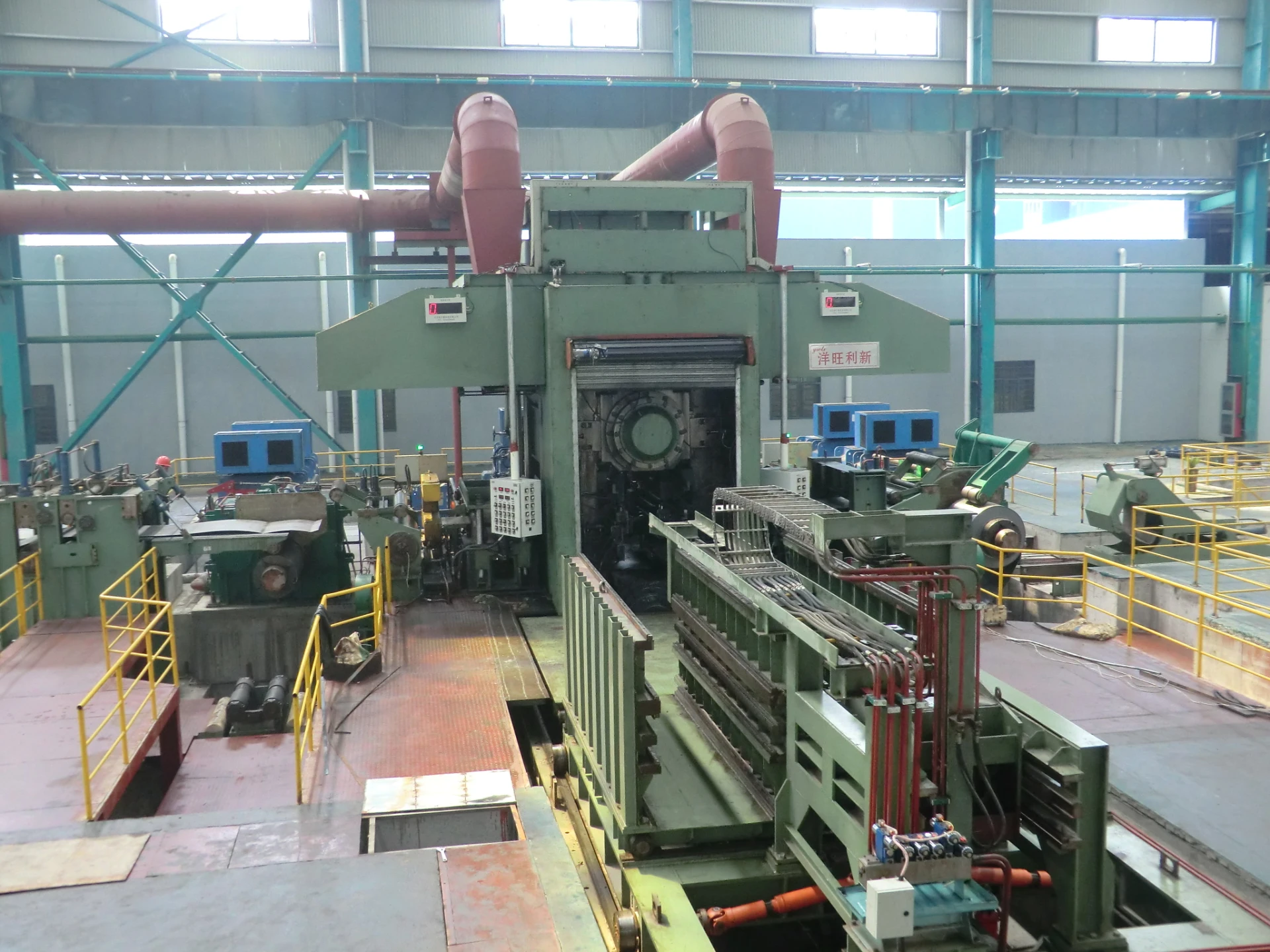
Optimizing Winding Processes with Advanced Controllo Tensione Avvolgitore Systems
Understanding Controllo Tensione Avvolgitore for Optimal Winding
In the realm of winding machinery, maintaining precise tension is crucial for producing high-quality products. Controllo Tensione Avvolgitore, or winding tension control, is the system and process used to achieve this. This article delves into the importance of winding tension control, the key components involved, common challenges, and how to select the right system for your needs. Accurate tension control directly impacts product consistency, material usage, and overall production efficiency. We will explore how to enhance your winding processes with effective tension control solutions, particularly those offered by BJYWLX.
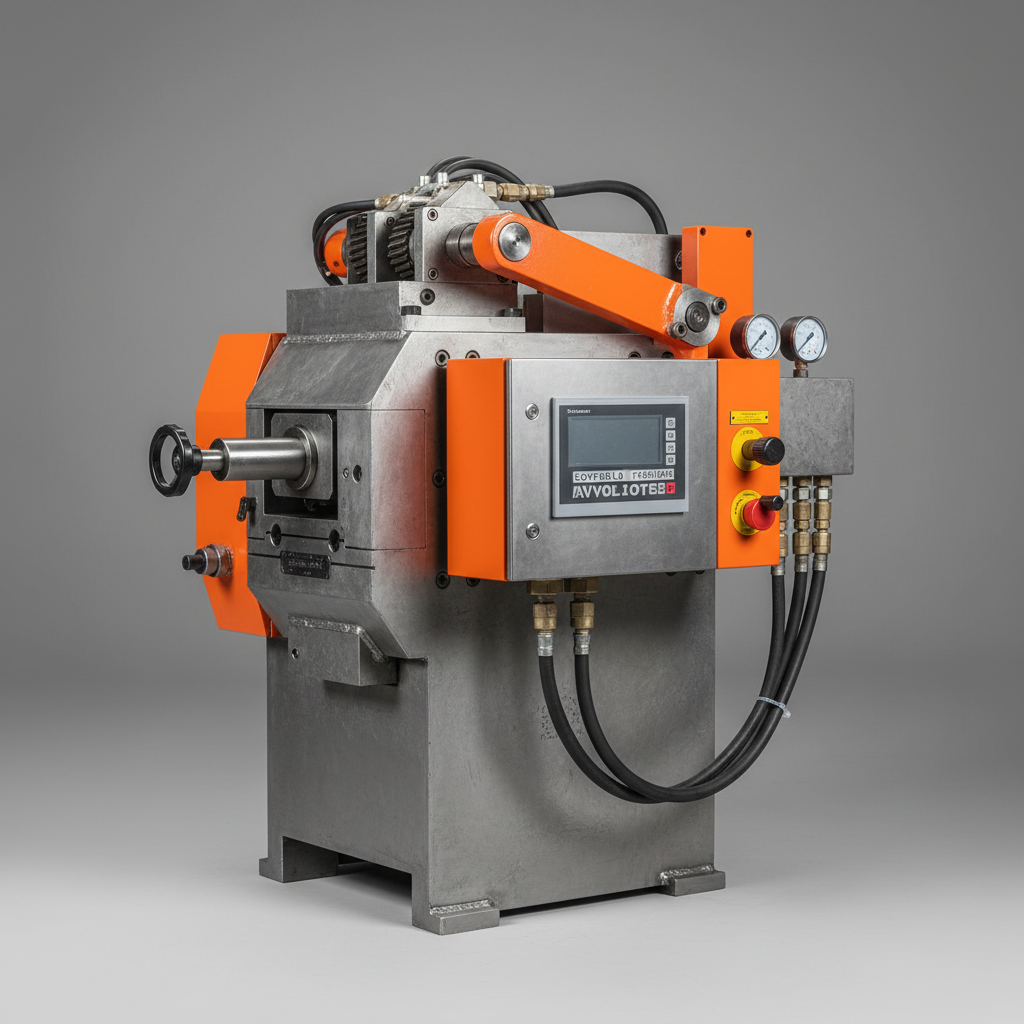
Why is Controllo Tensione Avvolgitore Important?
Effective controllo tensione avvolgitore ensures consistent and uniform winding, preventing issues like telescoping (uneven winding), wrinkles, and material defects. Proper tension reduces the risk of material breakage during the winding process, minimizing downtime and waste. Furthermore, it directly affects the final product’s performance characteristics – for example, in tape and film winding, consistent tension is vital for smooth unwinding in end-use applications. Ultimately, investing in a robust tension control system translates to improved product quality, reduced material costs, and increased production throughput.
Key Benefits: Reduced material waste, improved product quality, increased production speed, minimized downtime, and enhanced end-product performance.
Key Components of a Winding Tension Control System
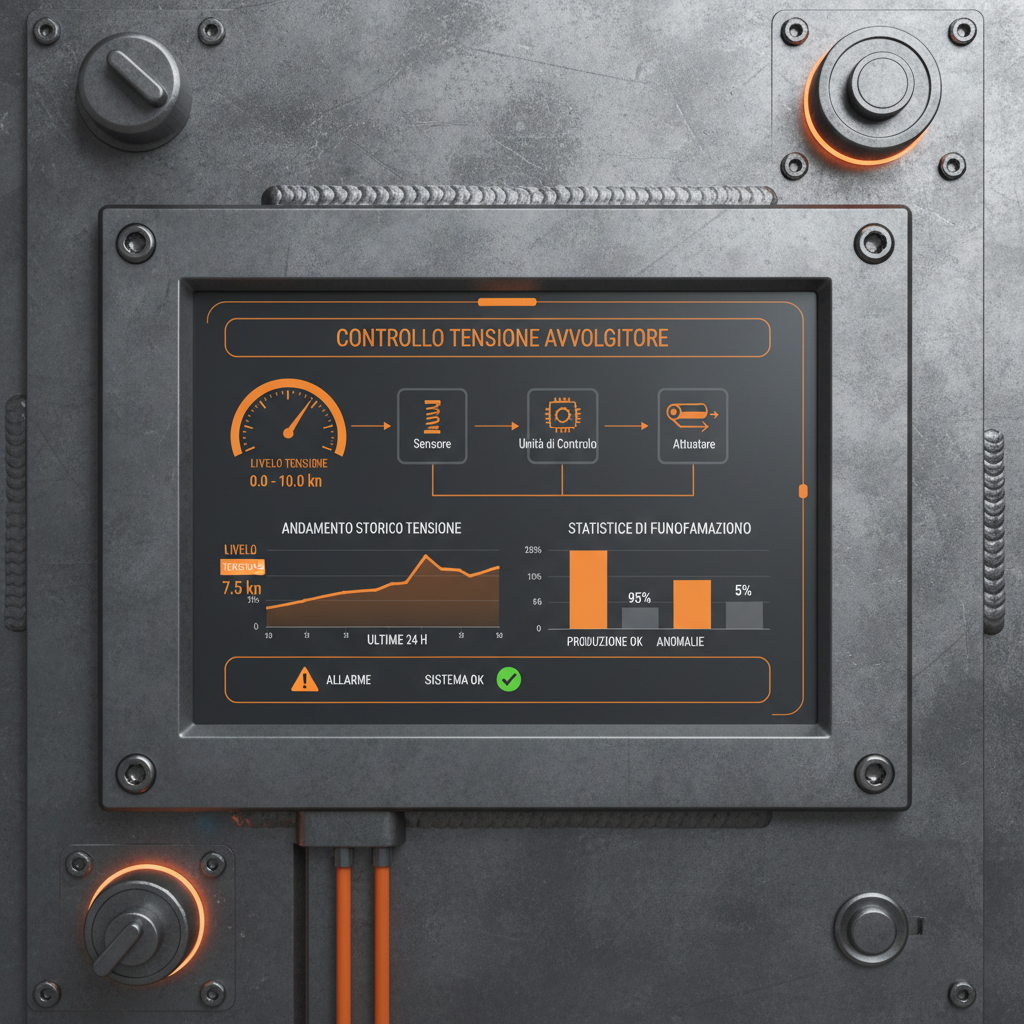
A typical controllo tensione avvolgitore system comprises several crucial components: Tension Sensors: These measure the tension of the material as it’s being wound. Controllers: These receive signals from the sensors and adjust the winding mechanism to maintain the desired tension. Brakes and Clutches: These regulate the torque applied to the winding spindle. Drive Systems: Motors and drives provide the power to wind the material. Operator Interface: A panel or software allowing operators to monitor and adjust tension settings. Modern systems often incorporate Programmable Logic Controllers (PLCs) for enhanced control and automation. BJYWLX offers a comprehensive range of these components, tailored to various winding applications.
Common Challenges in Winding Tension Control
Maintaining consistent tension isn't always straightforward. Common challenges include: Material Variations: Different materials have different elasticity and require varying tension levels. Spool/Roll Characteristics: Diameter changes during winding affect tension. Machine Dynamics: Vibrations and inconsistencies in the winding machine itself can impact tension accuracy. Operator Error: Improper settings or adjustments can lead to tension issues. Addressing these challenges requires a sophisticated tension control system and skilled operators. BJYWLX’s solutions are designed to mitigate these issues through precise control algorithms and robust hardware.
Addressing Tension Challenges:
• Utilizing closed-loop tension control systems.
• Employing automatic tension control (ATC) algorithms.
• Regularly calibrating tension sensors.
• Providing comprehensive operator training.
Comparing Winding Tension Control Systems
Several types of winding tension control systems are available, each with its advantages and disadvantages. Choosing the right system depends on your specific application and budget. Here’s a comparison:
Selecting the Right Controllo Tensione Avvolgitore System with BJYWLX
Choosing the optimal controllo tensione avvolgitore system requires careful consideration of your application's specific needs. Factors to consider include the material being wound, the winding speed, the desired level of accuracy, and your budget. BJYWLX offers expert consultation services to help you select the ideal system for your requirements. Our range of solutions includes both standard and customized systems, ensuring a perfect fit for your winding process.
Conclusion: Achieving Winding Perfection with BJYWLX
Investing in a reliable and accurate controllo tensione avvolgitore system is paramount for optimizing winding processes. By selecting the right system and partnering with a trusted provider like BJYWLX, you can achieve consistent quality, reduce waste, and improve overall production efficiency. Don't compromise on winding perfection – choose BJYWLX for your tension control needs.
Frequently Asked Questions (FAQs)
What are the typical applications for winding tension control systems?
Winding tension control systems are used across a wide array of industries, including film and foil winding, paper and cardboard production, textile manufacturing, wire and cable winding, tape converting, and label production. Essentially, any process involving the winding of a material onto a spool or roll can benefit from precise tension control. The specific requirements will vary depending on the material properties and desired product characteristics.
How do I determine the correct tension level for my application?
Determining the correct tension level is critical for optimal winding. It often requires experimentation and consideration of material properties like elasticity, thickness, and strength. Start with manufacturer recommendations for the material. Too low of tension can lead to loose windings and defects, while too high can cause breakage or stretching. Closed-loop tension control systems with automatic tension control (ATC) can help maintain consistent tension by automatically adjusting to variations in material properties and winding conditions. BJYWLX can assist with tension profiling and system setup.
What maintenance is required for a winding tension control system?
Regular maintenance is essential for ensuring the longevity and accuracy of your winding tension control system. This includes periodically checking and calibrating tension sensors, inspecting brakes and clutches for wear, lubricating moving parts, and verifying the integrity of wiring connections. It’s also important to keep the system clean and free from dust and debris. Following the manufacturer’s maintenance schedule and performing routine inspections will help prevent unexpected downtime and ensure optimal performance.
-
Ship Multi-Project Equipment on the Lantern FestivalNewsMar.03,2026
-
YWLX Deep Dives into Cladding Line with Dubai ClientNewsDec.22,2025
-
1450mm 6-Hi Reversing Mill Goes Live in BangladeshNewsOct.28,2025
-
Sep. 3rd Parade: Carry Forward and Press OnNewsSep.03,2025
-
Indian Clients Visit YWLX to Inspect Skin-pass MillNewsJun.22,2025
-
Full- throttle! YWLX's Intense Production During May DayNewsMay.01,2025
-
YWLX Participated in the 2025 Chinese GAP Program Review ConferenceNewsApr.17,2025