High-Precision прокатный стан с ножницами for Efficient Metal Processing
The Growing Importance of прокатный стан с ножницами in Industry
When you hear прокатный стан с ножницами, what comes to mind might be something quite technical and niche — and you'd be right, but it’s also surprisingly impactful on a global scale. In essence, it’s all about precision metal shaping, cutting, and transforming raw materials into usable forms. This process doesn’t just fuel heavy industries; it touches everyday life—think of the cars we drive, the buildings we inhabit, even the appliances in our homes. Understanding how this equipment works and why it matters reveals how modern manufacturing stays efficient and competitive, especially amid growing demands for sustainability and cost-effectiveness.
Mini takeaway:
прокатный стан с ножницами plays a vital role in shaping the backbone of metal manufacturing worldwide—offering precision, speed, and adaptability indispensable to many industries.
Global Context: Why прокатный стан с ножницами Matters More Than Ever
The global metal manufacturing market is expected to exceed $1 trillion by 2027 according to the World Steel Association, with continuous expansion in Asia, Europe, and the Americas. Within this massive ecosystem, прокатный стан с ножницами (rolling mills equipped with shearing scissors) is a key enabler of rapid and quality production. ISO standards also highlight the vital safety and efficiency thresholds for these machines, supporting global trading and industrial harmonization.
But here’s the challenge: as demand surges, manufacturers must balance speed with sustainability and reduce waste during metal cutting and processing. There’s no room anymore for sloppy, energy-hungry machinery that eats up raw materials like there’s no tomorrow. This is exactly where прокатный стан с ножницами stands out by delivering precise, minimal-loss shearing integrated into high-speed rolling processes.
Mini takeaway:
Meeting rapid production targets while adhering to environmental and quality standards makes прокатный стан с ножницами an indispensable, forward-looking solution in modern industry.
What Exactly Is прокатный стан с ножницами?
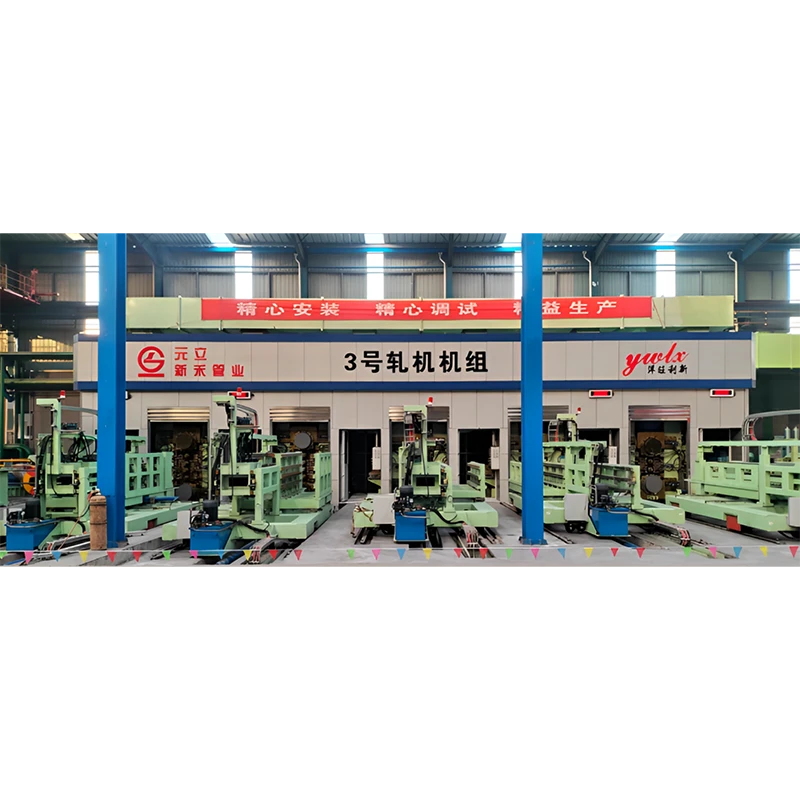
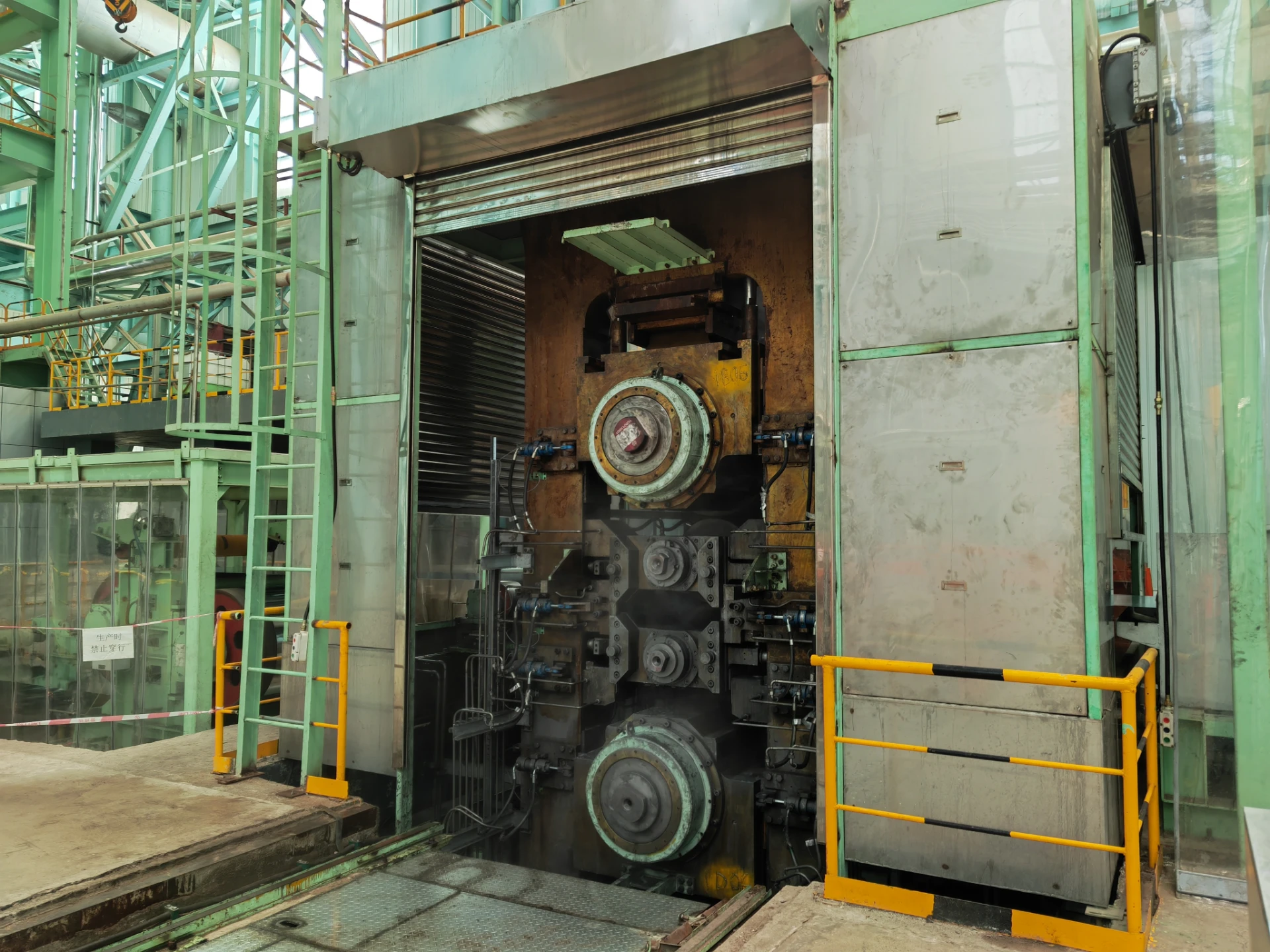
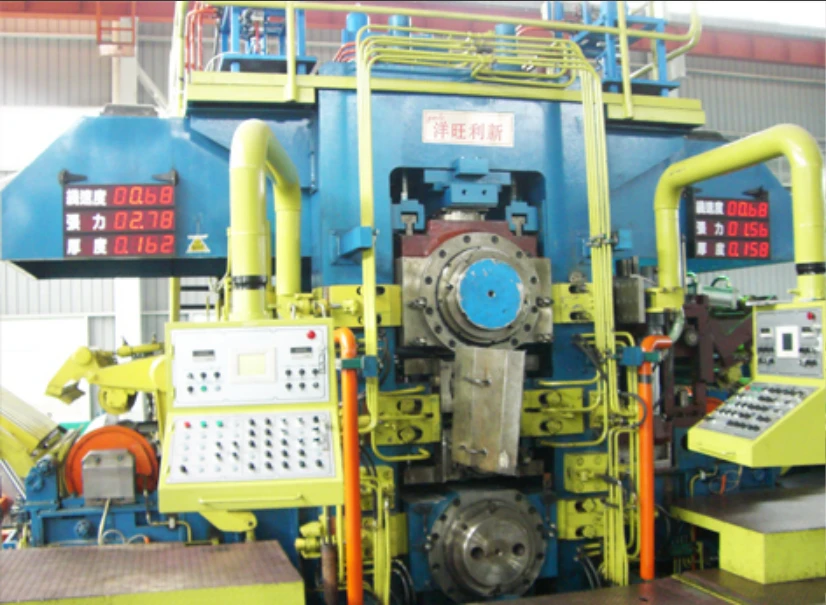
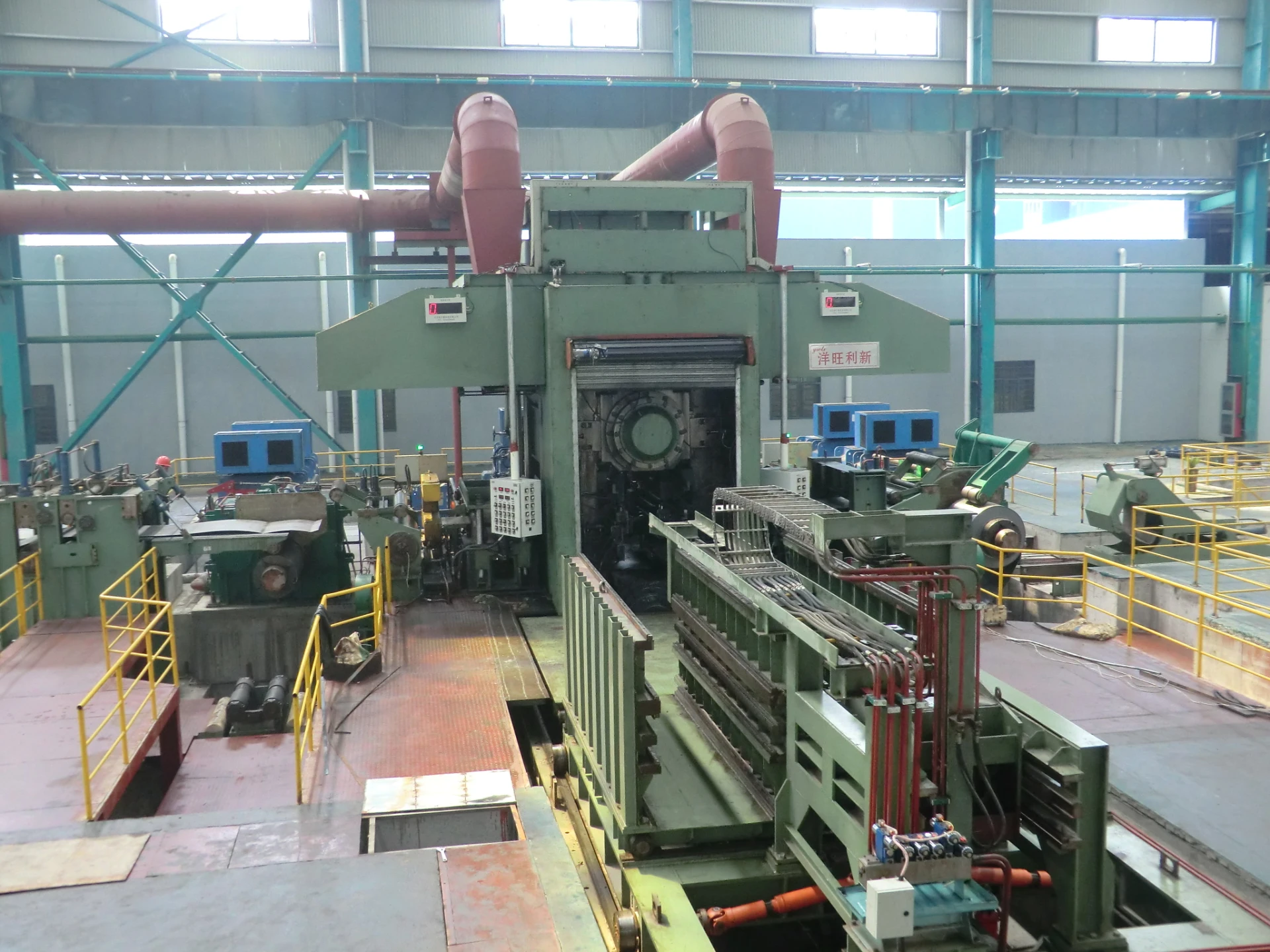
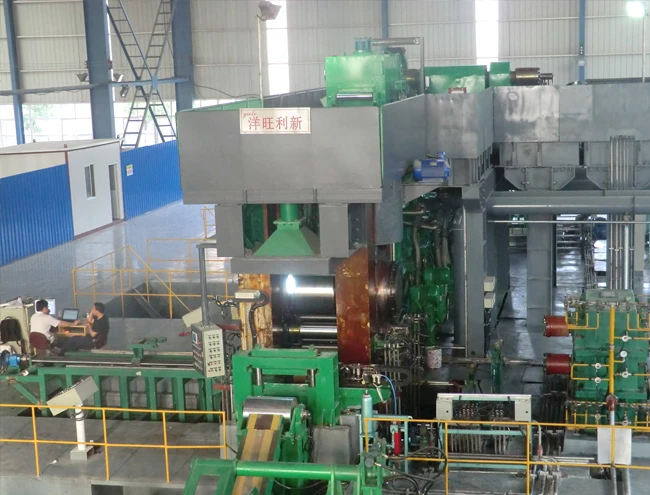
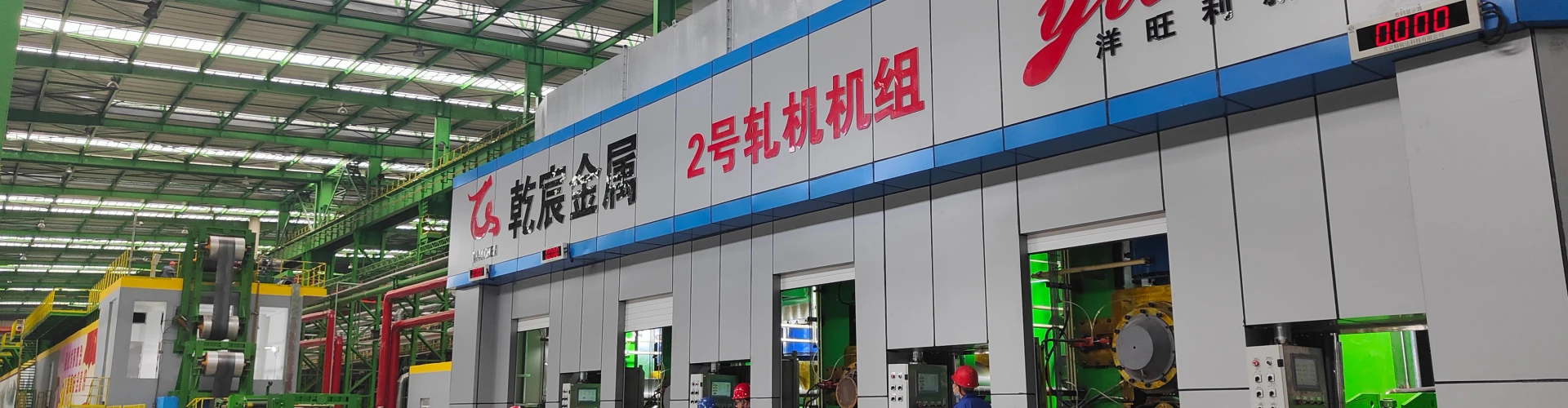
Simply put, a прокатный стан с ножницами is a mechanical setup in steel or metal processing plants combining two main functions: rolling (прокат) and precise shearing with scissors-like blades (ножницы). It works by continuously rolling metal sheets or strips through rollers, then cutting them to exact lengths or shapes via integrated shearing scissors. This inline process helps avoid downstream handling delays and ensures finished, ready-to-use metal parts with minimal human intervention.
Industrially, these machines are critical for producing sheet metal components, automotive panels, electrical enclosures, and even infrastructure elements. Interestingly, humanitarian projects improving disaster-resilient shelters have started relying on quick-assembly metal sheets prepared by rolling mills with shearing scissors, enhancing durability and rapid deployment alike.
Mini takeaway:
The beauty of прокатный стан с ножницами lies in its combination of continuous rolling and precise cutting — all in one streamlined workflow.
Core Components and Key Factors in прокатный стан с ножницами
1. Durability and Material Strength
These machines are beasts — designed to handle thick metals at high speeds without faltering. The rollers and shearing scissors are usually made from hardened steel alloys to resist wear and tear. Durability means fewer breakdowns and constant quality, which is a big deal when you’re running billions of tonnes of steel annually.
2. Precision Shearing Mechanism
It's not just about cutting metal; it's about cutting it exactly where it counts. The ножницы (shears) are engineered for micro-tolerance cuts, reducing scrap and post-processing. Many systems incorporate hydraulic or servo controls to ensure consistent, repeatable cuts at impressive speeds.
3. Scalability and Integration
These mills fit into massive production lines or smaller workshops, depending on the scale. Modularity often lets operators tweak line speed, input thickness, and cut lengths to fit diverse product portfolios.
4. Cost Efficiency
Speed, accuracy, and low material waste combine to bring the cost per unit down. The initial investment is offset fairly quickly thanks to improved production throughput and fewer rejects.
5. Automation and Safety Features
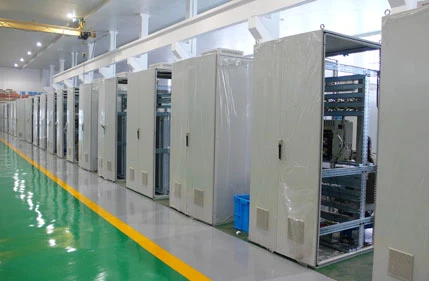
Modern прокатный стан с ножницами come packed with sensors, AI-assisted maintenance alerts, and safety interlocks, reducing downtime and personnel risk.
| Parameter | Value/Range | Notes |
|---|---|---|
| Rolling Width | 800 - 2000 mm | Varies by mill size |
| Metal Thickness | 0.5 - 12 mm | Steel, aluminum, other alloys |
| Cutting Speed | Up to 50 cuts/min | Depends on thickness & equipment |
| Power Consumption | 100 - 300 kW | Optimized for modern mills |
| Automation Level | Semi to Fully automated | Configurable as per plant |
Global Applications & Real-World Use Cases
In real terms, you’ll find прокатный стан с ножницами everywhere from sprawling Chinese mega-factories supplying Europe, to mid-sized Indian metal workshops producing automotive panels. In Europe, companies use these lines for just-in-time production to reduce inventory costs. Oddly enough, humanitarian groups have adopted them too: rapid shelter construction in earthquake-hit regions relies on metal sheets quickly rolled and cut to size by these systems. прокатный стан с ножницами allows for cost-effective, rapid manufacture of durable building elements that can resist harsh conditions — crucial for vulnerable communities.
Furthermore, remote mining operations in South America use mobile rolling mills combined with shearing stations to process local metal resources quickly, reducing dependence on distant supply chains. This flexibility really speaks to the evolving nature of the прокатный стан с ножницами concept.
Mini takeaway:
From multinational OEMs to disaster response, прокатный стан с ножницами proves its versatility and global reach time and again.
Advantages & Long-Term Value
- Cost savings: Lower waste, less rework, reduced labor costs.
- Environmental impact: Energy-efficient processes and minimal scrap help meet green manufacturing goals.
- Reliability: Fewer breakdowns mean steady supplies and better customer trust.
- Social impact: Enhanced safety components protect operators, while enabling faster construction projects that provide shelter and jobs.
Many engineers say investing in прокатный стан с ножницами is a no-brainer given the return on investment—not just financially but socially and environmentally too. I suppose it’s like choosing quality tools instead of the cheapest knockoffs; the results just speak for themselves six months down the line.
Future Trends & Innovations on the Horizon
Automation continues to push boundaries with AI-driven predictive maintenance and real-time cutting optimization, reducing downtime and scrap further. Green energy-powered plants paired with efficient rolling and shearing setups are beginning to shape sustainable industrial hubs, especially in the EU and Japan.
Materials like advanced alloys and composites require adapted прокатный стан с ножницами with stronger, more adaptive shearing scissors and rollers made from next-gen ceramics. Digital twins – virtual replicas of actual mills – enable operators to test and tweak parameters remotely, cutting lead times.
All this makes me think that the phrase “rolling mill with shears” will soon sound quaint – replaced by smart, self-optimizing production cells humming in almost complete isolation.
Challenges and Practical Solutions
Despite the tech advances, challenges remain. Higher initial investment costs can deter smaller manufacturers. Also, heavy wear on cutting blades due to high-volume continuous work demands innovative materials and blade coatings.
To solve this, many vendors now offer modular contracts with leasing or pay-per-use models, easing cash flow burdens. Research labs collaborate with manufacturing firms on advanced nano-coatings and self-sharpening blade technologies. Training programs ensure operators maximize uptime and machine longevity too.
| Vendor | Automation Level | Cutting Precision | Energy Efficiency | Support & Maintenance |
|---|---|---|---|---|
| SteelTech Co. | Fully automated | ±0.1 mm | High (IE4 motors) | 24/7 global support |
| RollShear Ltd. | Semi-automated | ±0.3 mm | Medium | Onsite and remote |
| EcoMetal Systems | Fully automated | ±0.15 mm | Very High (renewable energy) | Localized support network |
FAQ: Your Common Questions About прокатный стан с ножницами
- What industries benefit most from прокатный стан с ножницами?
- Primarily automotive, construction, electronics, and packaging sectors rely heavily on quality metal sheets and precise cutting. These industries value speed and accuracy to keep supply chains lean and costs under control.
- How does the shearing mechanism reduce material waste?
- The shearing scissors cut metal precisely to length and shape, minimizing burrs or deformation. This process reduces scrap compared to manual cutting or less advanced equipment, meaning manufacturers get more usable product per tonne of raw metal.
- Is прокатный стан с ножницами suitable for small to medium enterprises?
- Absolutely. With modular designs and scalable options, many systems can fit SME production lines. Leasing options offered by many vendors also lower upfront investment barriers.
- What maintenance practices extend the life of the shearing scissors?
- Regular sharpening, cleaning lubricants, and timely replacement of worn parts are essential. Using coated blades and following manufacturers’ recommended operational speeds can prevent premature wear.
- Can these systems be integrated with Industry 4.0 digital protocols?
- Yes, many modern прокатный стан с ножницами modules include sensors compatible with Industry 4.0 for real-time monitoring, predictive maintenance, and remote operation capabilities.
Wrapping Up: Why You Should Consider прокатный стан с ножницами Today
All things considered, the role of прокатный стан с ножницами goes beyond just metal cutting — it’s an essential cog in the wheels of sustainable, efficient, and adaptable manufacturing worldwide. Whether you’re a large OEM or a small workshop, investing in this technology today sets you up for tomorrow’s industrial landscape.
Curious to explore products or get professional advice? Visit our website: https://www.bjywlx.com – where innovation meets reliability.
References:
1. World Steel Association – Global Steel Statistics
2. ISO 12100:2010 - Safety of machinery – General principles
3. United Nations Environment Programme – Sustainable Industry Reports
-
Ship Multi-Project Equipment on the Lantern FestivalNewsMar.03,2026
-
YWLX Deep Dives into Cladding Line with Dubai ClientNewsDec.22,2025
-
1450mm 6-Hi Reversing Mill Goes Live in BangladeshNewsOct.28,2025
-
Sep. 3rd Parade: Carry Forward and Press OnNewsSep.03,2025
-
Indian Clients Visit YWLX to Inspect Skin-pass MillNewsJun.22,2025
-
Full- throttle! YWLX's Intense Production During May DayNewsMay.01,2025
-
YWLX Participated in the 2025 Chinese GAP Program Review ConferenceNewsApr.17,2025