Comprehensive Guide to Sistemi di Controllo Tensione for Industrial Applications
Understanding Sistemi di Controllo Tensione: A Comprehensive Guide
Maintaining consistent and accurate tension is crucial in numerous industrial applications, from manufacturing and packaging to textile production and logistics. Sistemi di controllo tensione (tension control systems) are engineered to ensure optimal performance, prevent material defects, and maximize efficiency. This article delves into the core principles, components, applications, and benefits of these vital systems. We'll explore how sophisticated tension control contributes to higher quality products and streamlined processes. Investing in the right tension control system is an investment in the longevity and reliability of your operations.
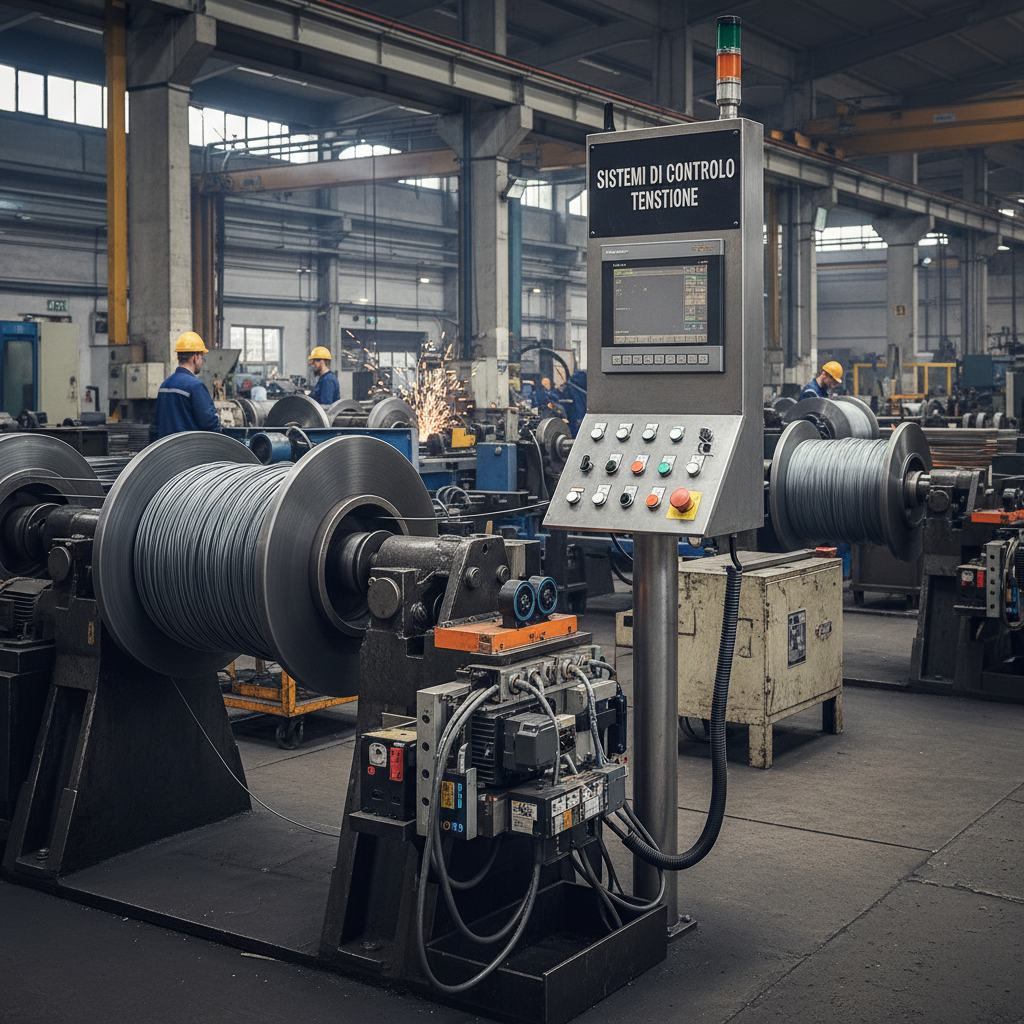
What are Sistemi di Controllo Tensione?
At its core, a sistemi di controllo tensione is a closed-loop system designed to regulate the force applied to a material as it moves through a process. This control is vital to prevent issues such as wrinkling, breaking, stretching, or uneven winding. These systems consist of sensors, controllers, and actuators working in harmony to maintain the desired tension level. The complexity of the system can vary based on the application, ranging from simple mechanical tensioners to highly advanced, digitally controlled systems. The goal is always precise and reliable tension regulation.
Key Benefits: Precise tension control prevents material defects, improves product quality, increases production efficiency, and reduces waste.
Components of a Typical Tension Control System
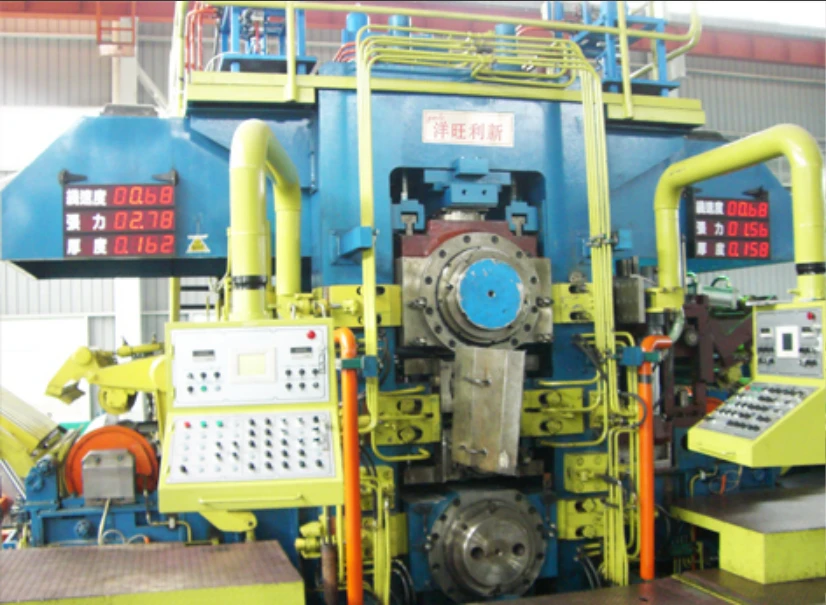
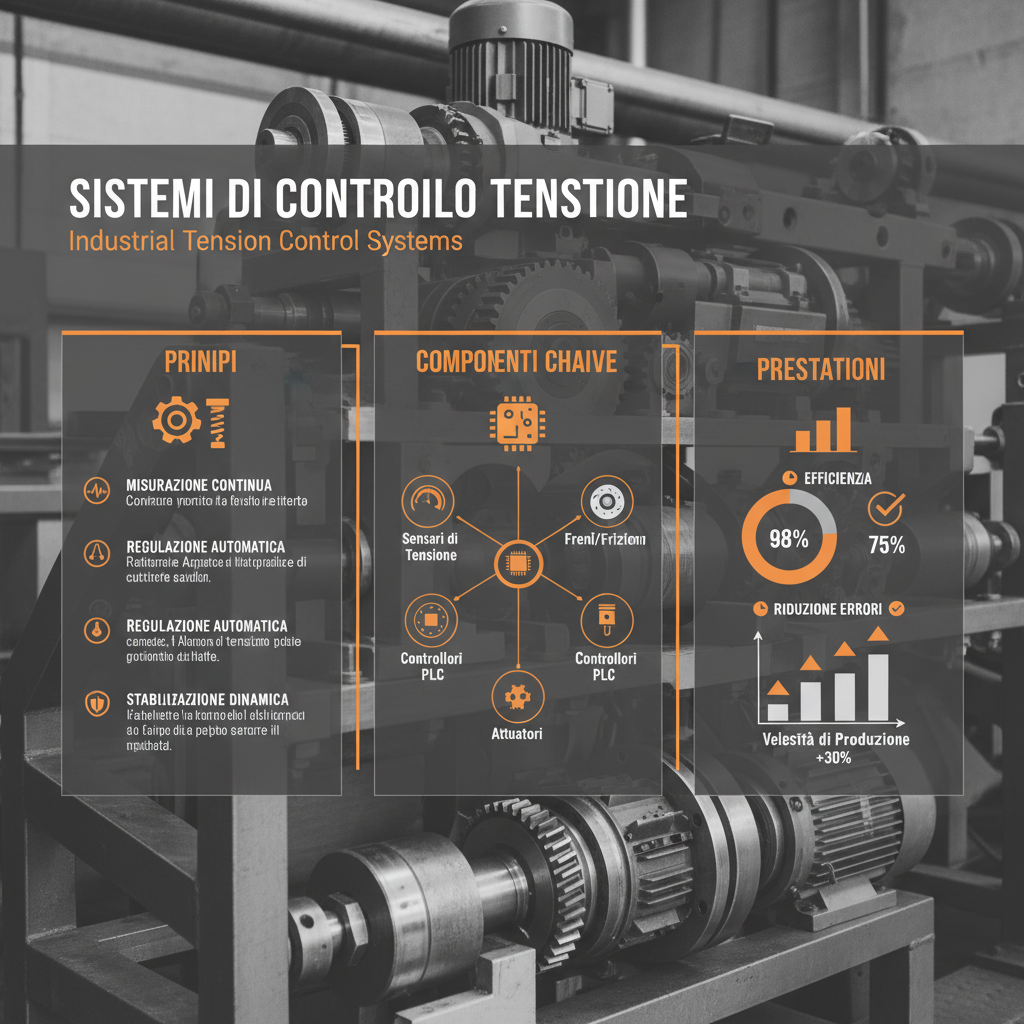
A complete tension control system typically comprises several key components: Tension Sensors (detect the current tension level), Controllers (process the sensor data and calculate the necessary adjustments), Actuators (implement the adjustments by controlling brakes, clutches, or drives), and User Interface (allows operators to set parameters and monitor performance). Modern systems often incorporate programmable logic controllers (PLCs) for sophisticated control strategies and data logging capabilities. The selection of each component is critical to achieve optimal performance for a specific application.
Essential Components:
• Tension Sensors: Measure the applied force.
• Controllers: Process data and make adjustments.
• Actuators: Implement tension changes.
• User Interface: Provides control and monitoring.
Applications of Sistemi di Controllo Tensione
The applications for sistemi di controllo tensione are remarkably diverse. They are essential in web processing industries such as printing, coating, and laminating, ensuring consistent material handling. In the textile industry, precise tension is vital for yarn processing, weaving, and knitting. The packaging industry utilizes these systems for film and label winding, maintaining consistent roll quality. Additionally, they are employed in the paper and plastic film industries for controlling tension during slitting and rewinding processes.
Types of Sistemi di Controllo Tensione
Several types of tension control systems cater to specific needs. Open-loop systems offer basic tension control based on pre-set parameters, suitable for simpler applications. Closed-loop systems utilize feedback from tension sensors to continuously adjust tension, providing higher accuracy. Furthermore, systems can be categorized by the type of actuator used, such as magnetic particle brakes, powder brakes, and servo drives. The selection of the appropriate system depends on the application's requirements for precision, speed, and responsiveness.
Choosing the Right Sistemi di Controllo Tensione: Key Considerations
Selecting the optimal sistemi di controllo tensione requires careful evaluation of several factors. Consider the material type (e.g., paper, film, textiles), the web width and speed, the required tension range, and the level of accuracy needed. It’s also essential to assess the environmental conditions and any potential interference. Collaborating with an experienced supplier like BJYWLX can ensure you select a system tailored to your specific application.
Conclusion: Optimizing Your Processes with Precision Tension Control
Investing in a high-quality sistemi di controllo tensione is a strategic move towards improving product quality, increasing efficiency, and reducing waste. By carefully considering your application requirements and partnering with a trusted supplier, you can unlock the full potential of precise tension control. Don't compromise on performance – choose a solution designed for excellence.
Frequently Asked Questions (FAQs)
What are the benefits of using a closed-loop tension control system?
Closed-loop systems offer significantly higher accuracy and responsiveness compared to open-loop systems. They continuously monitor tension using sensors and make real-time adjustments to maintain the desired level. This prevents variations in tension that can lead to material defects or inconsistent product quality. They are ideal for applications where precise and stable tension is critical, such as in high-speed web processing or demanding manufacturing processes.
How often should tension sensors be calibrated?
The frequency of calibration depends on the sensor type, operating environment, and application criticality. As a general guideline, tension sensors should be calibrated at least once per year. However, in harsh environments or applications requiring extremely high accuracy, more frequent calibration may be necessary. Regular calibration ensures the sensors provide reliable and accurate readings, maintaining the effectiveness of the tension control system.
What factors can affect tension control accuracy?
Several factors can influence tension control accuracy, including material properties (e.g., elasticity, density), web width and speed, environmental temperature, and mechanical wear and tear on system components. Additionally, improper sensor placement or calibration can lead to inaccuracies. Regular maintenance, proper calibration, and careful consideration of these factors are essential for maintaining optimal tension control performance.
-
Ship Multi-Project Equipment on the Lantern FestivalNewsMar.03,2026
-
YWLX Deep Dives into Cladding Line with Dubai ClientNewsDec.22,2025
-
1450mm 6-Hi Reversing Mill Goes Live in BangladeshNewsOct.28,2025
-
Sep. 3rd Parade: Carry Forward and Press OnNewsSep.03,2025
-
Indian Clients Visit YWLX to Inspect Skin-pass MillNewsJun.22,2025
-
Full- throttle! YWLX's Intense Production During May DayNewsMay.01,2025
-
YWLX Participated in the 2025 Chinese GAP Program Review ConferenceNewsApr.17,2025