Comprehensive Guide to Controllo Tensione Avvolgimento for Optimal Winding
Understanding the Importance of Controllo Tensione Avvolgimento
In the realm of industrial processes, maintaining precise tension control during winding operations – known as controllo tensione avvolgimento – is critical for product quality, efficiency, and safety. Incorrect tension can lead to defects, material waste, and even equipment damage. This article will explore the significance of tension control in winding, the various methods employed, and how BJYWLX provides advanced solutions to optimize your winding processes. Effective tension control ensures consistent product performance and minimizes costly errors.
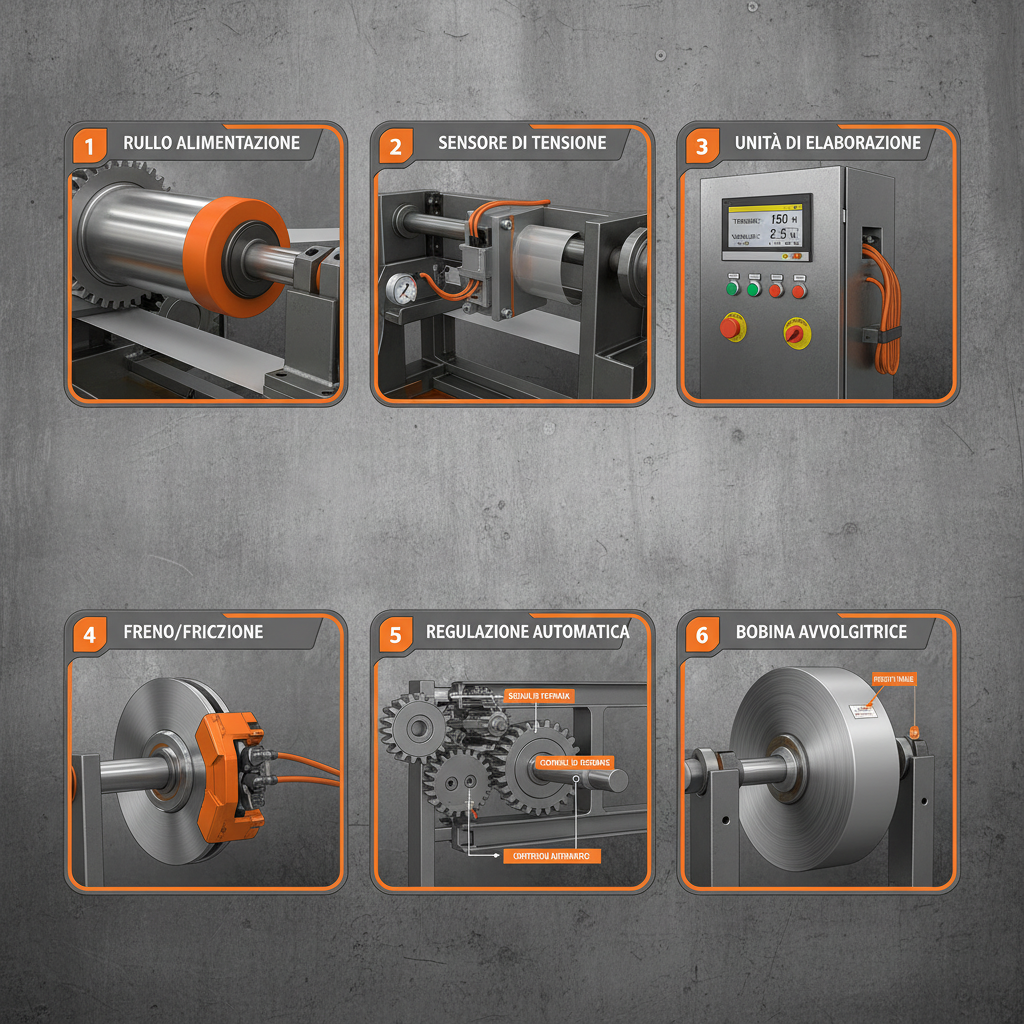
The Core Principles of Controllo Tensione Avvolgimento
At its core, controllo tensione avvolgimento focuses on regulating the force applied to a material as it's wound onto a reel, bobbin, or spool. This force must be carefully managed to prevent issues like telescoping (inner layers wider than outer layers), wrinkling, and uneven winding. The optimal tension level depends on a variety of factors including the material type (paper, film, textiles, metal foil), material thickness, winding speed, and desired product specifications. Accurate tension control also extends the lifespan of winding equipment by minimizing stress and wear. Proper tension ensures consistent product quality and minimizes waste.
Key Benefits: Minimizing defects, reducing material waste, extending equipment lifespan, improving product consistency, and enhancing overall production efficiency.
Common Methods for Achieving Controllo Tensione Avvolgimento
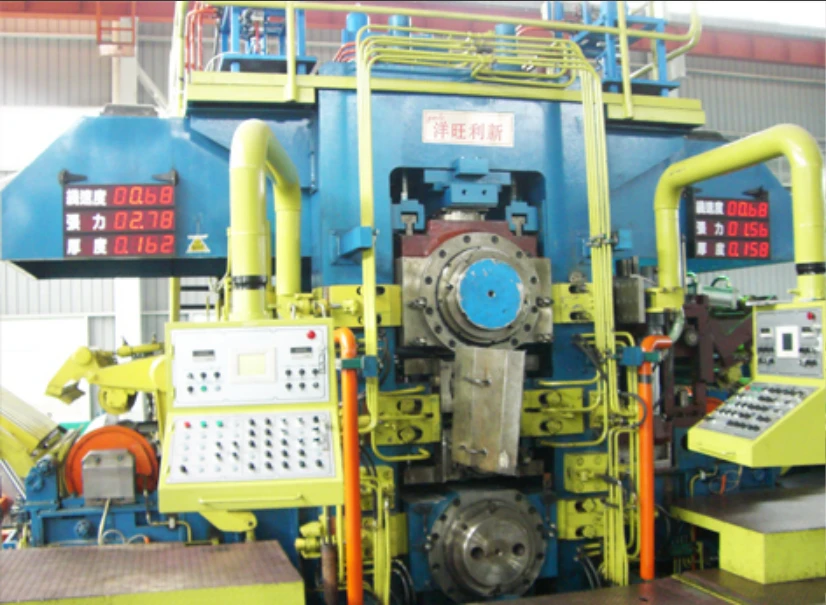
Several techniques are used to achieve precise tension control. These include: Felt Rollers: Provide consistent friction to regulate tension. Magnetic Particle Brakes/Clutches: Offer accurate and responsive tension control. Pneumatic Brakes: Utilize air pressure for tension adjustment, offering cost-effectiveness. Load Cells: Measure the tension directly, providing feedback for closed-loop control systems. Modern systems often employ closed-loop control, utilizing sensors to monitor tension and automatically adjust braking or driving mechanisms to maintain the desired level. Selecting the right method depends on the specific application and required precision.
Tension Control Methods:
• Felt Rollers
• Magnetic Particle Brakes/Clutches
• Pneumatic Brakes
• Load Cells
Comparing Tension Control Systems: Open-Loop vs. Closed-Loop
Choosing between open-loop and closed-loop tension control systems is a crucial decision. Open-loop systems rely on pre-set parameters and do not actively monitor tension. They are simpler and less expensive but less accurate, particularly when material properties or winding conditions change. Closed-loop systems, on the other hand, utilize sensors to continuously measure tension and adjust the control mechanism accordingly. This provides superior accuracy, consistency, and adaptability. While more complex and costly, closed-loop systems are essential for demanding applications where precise tension control is paramount. BJYWLX specializes in advanced closed-loop solutions.
BJYWLX: Innovative Solutions for Controllo Tensione Avvolgimento
At BJYWLX, we offer a comprehensive range of tension control solutions, including advanced controllers, load cells, magnetic particle brakes and clutches, and custom-engineered systems. Our products are designed to deliver precision, reliability, and ease of integration. We work closely with our clients to understand their specific needs and develop tailored solutions that optimize their winding processes. Our commitment to innovation and quality ensures that you receive the most effective and efficient tension control system for your application.
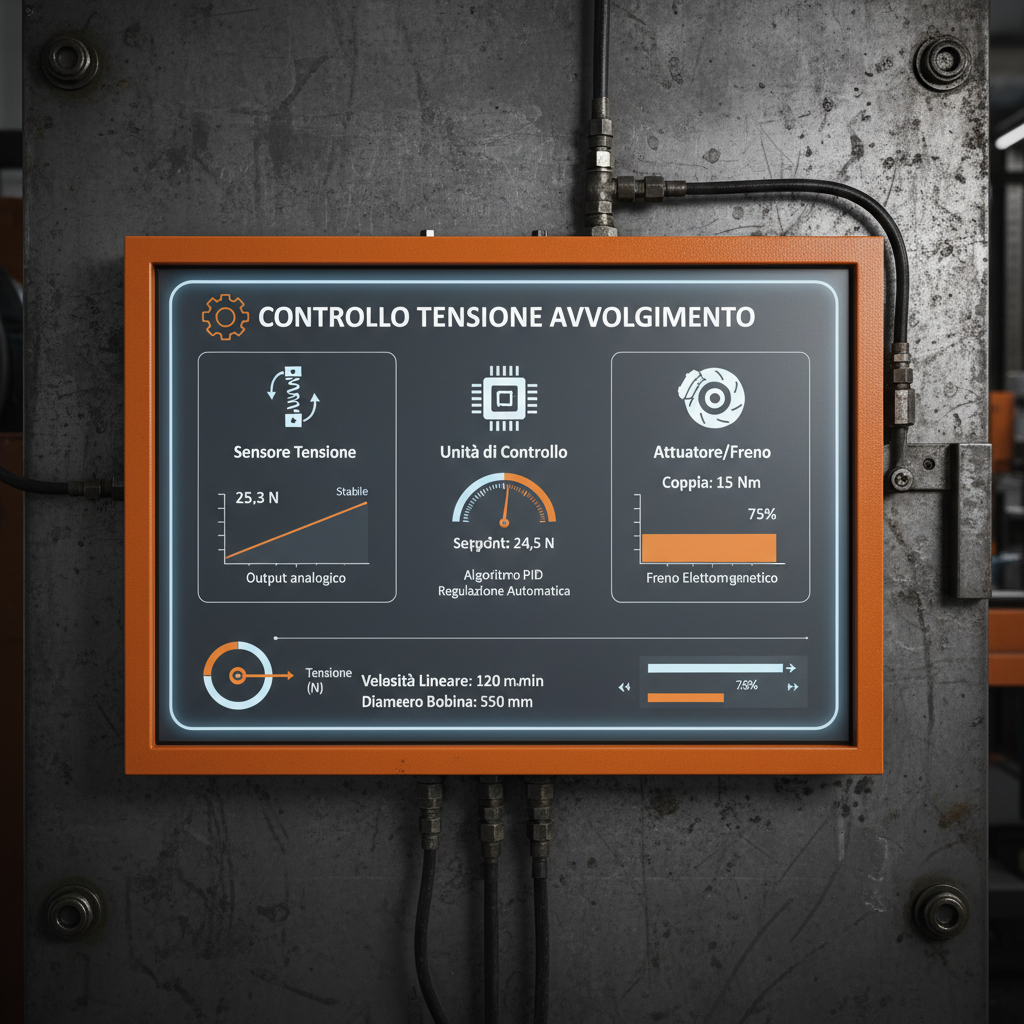
Product Specifications: BJYWLX Tension Controller Series
Our BJYWLX tension controller series offers a range of models to suit various applications. Here's a brief overview:
Conclusion: Optimize Your Winding Processes with BJYWLX
Investing in precise controllo tensione avvolgimento is essential for achieving optimal product quality, reducing waste, and maximizing efficiency. BJYWLX offers innovative solutions tailored to your specific needs. Contact us today to learn how we can help you optimize your winding processes and achieve superior results.
Frequently Asked Questions (FAQs)
What are the common consequences of poor tension control?
Poor tension control can lead to a multitude of issues, including telescoping (where inner layers of the wound material are wider than outer layers), wrinkling, uneven winding, material slippage, and ultimately, product defects. This results in increased waste, reduced production efficiency, and potential damage to the winding equipment. Consistent and accurate tension control is crucial for preventing these problems and ensuring high-quality output. Investing in a reliable tension control system can significantly reduce these issues.
How do I select the right tension control system for my application?
Selecting the right system depends on several factors, including the material type, winding speed, required tension range, and desired accuracy. Consider whether open-loop or closed-loop control is appropriate for your application. Closed-loop systems offer greater precision but are more complex and expensive. Evaluate the specific needs of your process and consult with a tension control specialist, such as those at BJYWLX, to determine the optimal solution.
What maintenance is required for tension control systems?
Regular maintenance is essential for ensuring the long-term reliability of tension control systems. This includes inspecting sensors for accuracy, checking brake and clutch performance, and verifying the calibration of controllers. Lubricating moving parts and cleaning components can also help prevent wear and tear. Following the manufacturer's recommendations for maintenance schedules is crucial.
Can BJYWLX provide custom tension control solutions?
Yes, BJYWLX specializes in designing and manufacturing custom tension control systems tailored to specific application requirements. We work closely with our clients to understand their unique challenges and develop solutions that optimize their winding processes. This includes customizing controller software, integrating specialized sensors, and designing custom mechanical components.
-
Ship Multi-Project Equipment on the Lantern FestivalNewsMar.03,2026
-
YWLX Deep Dives into Cladding Line with Dubai ClientNewsDec.22,2025
-
1450mm 6-Hi Reversing Mill Goes Live in BangladeshNewsOct.28,2025
-
Sep. 3rd Parade: Carry Forward and Press OnNewsSep.03,2025
-
Indian Clients Visit YWLX to Inspect Skin-pass MillNewsJun.22,2025
-
Full- throttle! YWLX's Intense Production During May DayNewsMay.01,2025
-
YWLX Participated in the 2025 Chinese GAP Program Review ConferenceNewsApr.17,2025