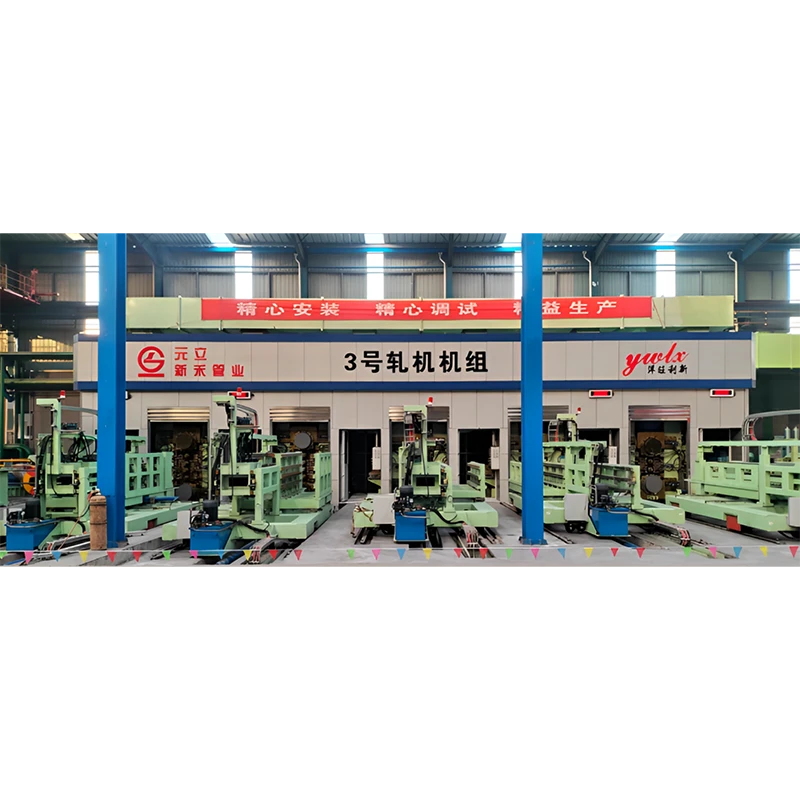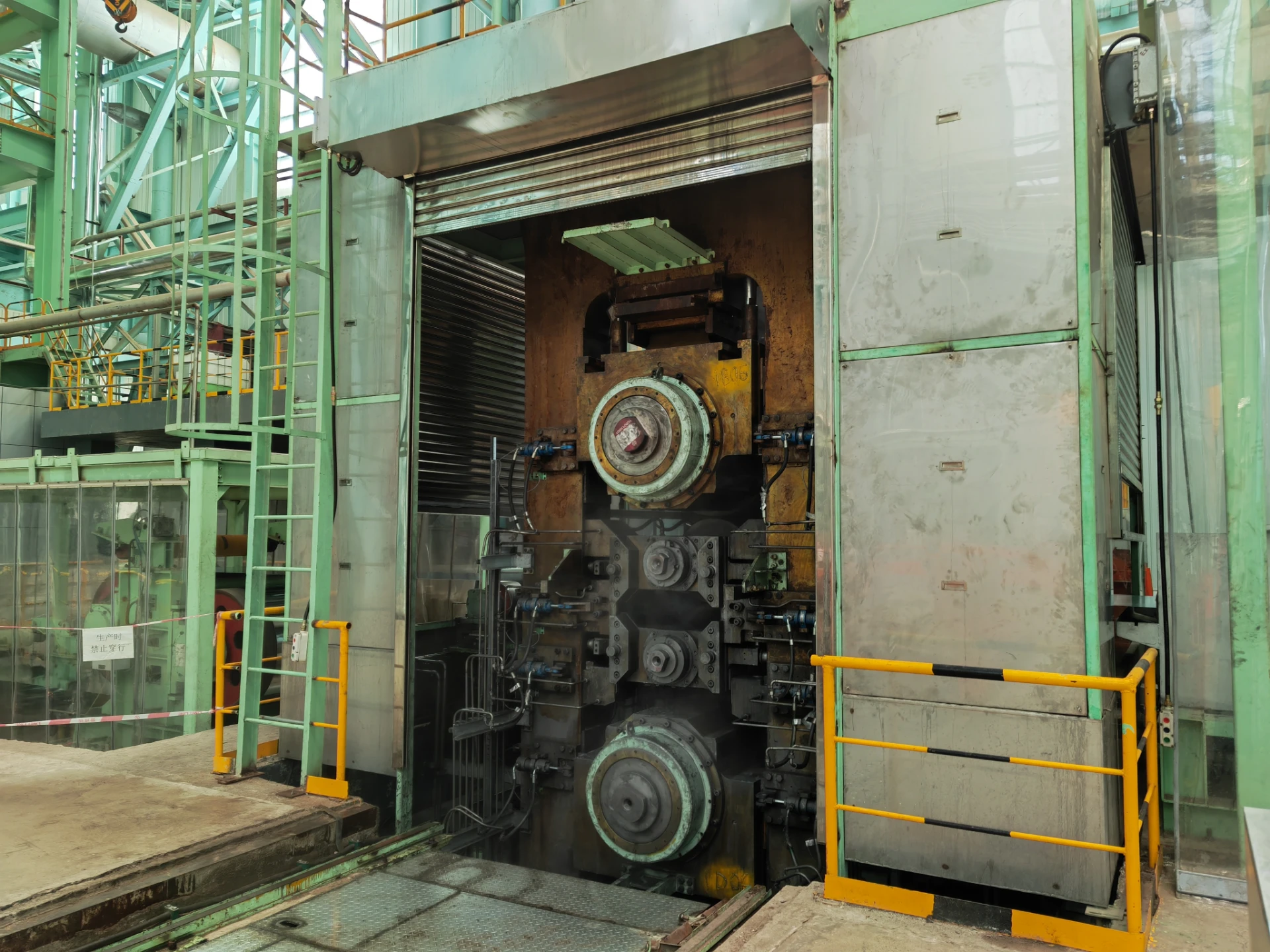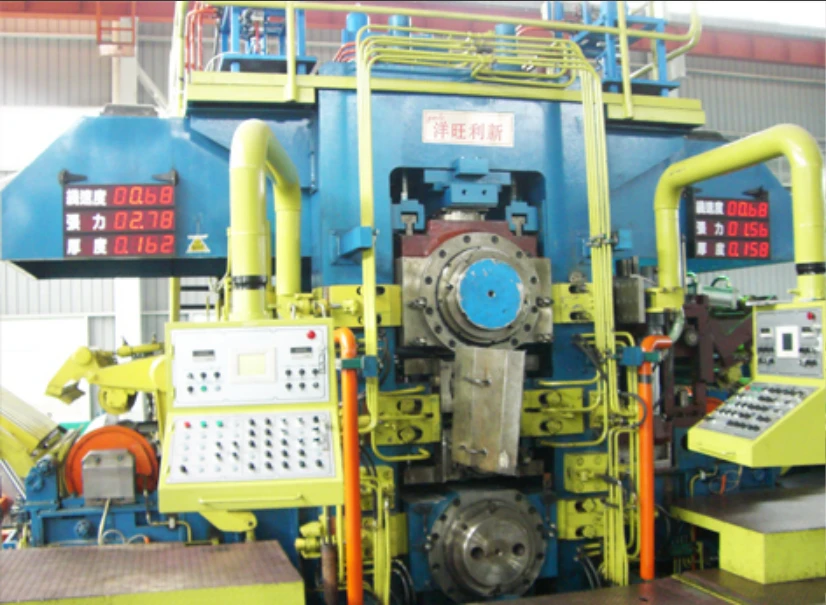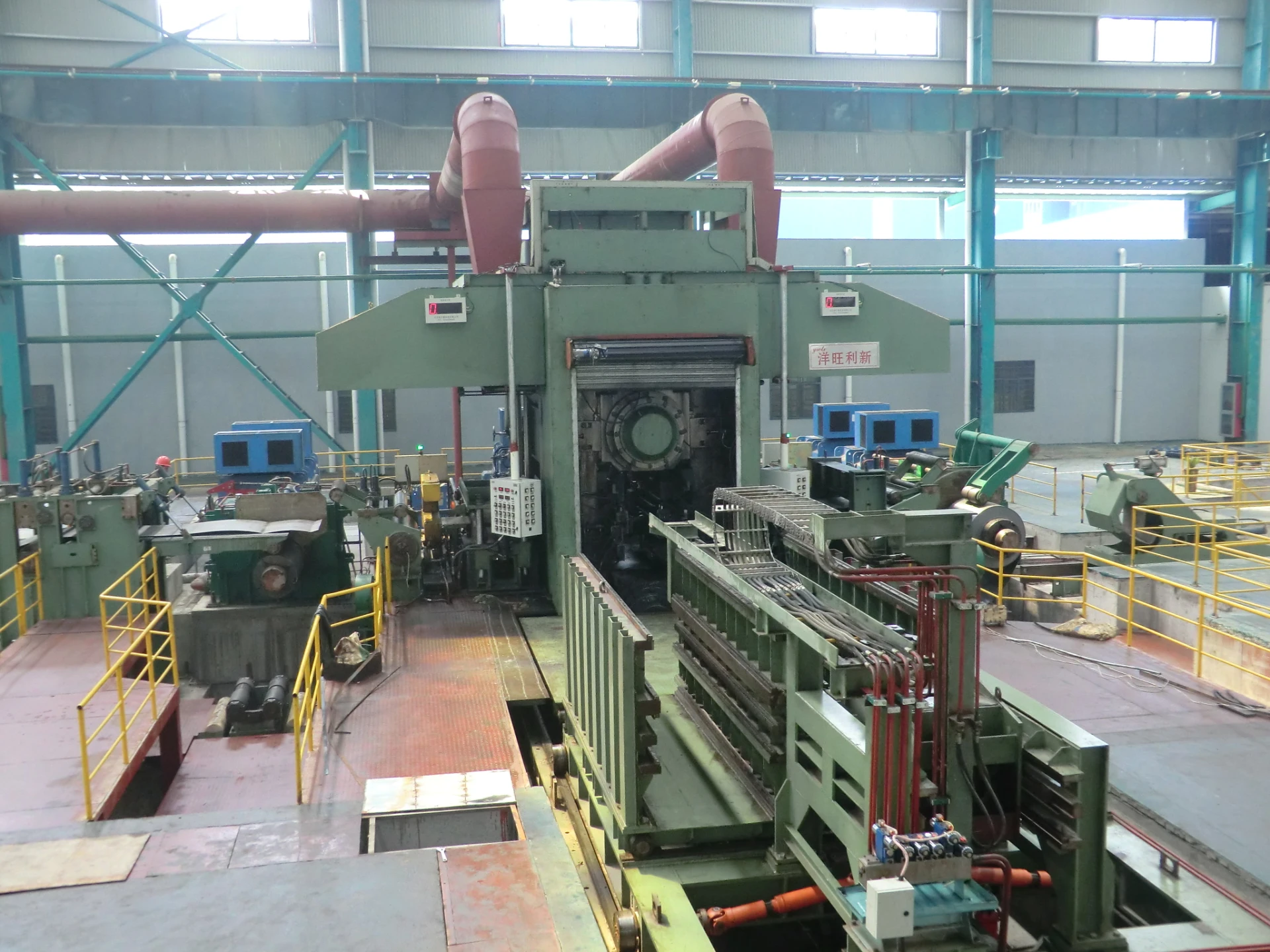
Comprehensive Guide to сортовой прокатный стан – Steel Rolling Mills Explained
Understanding сортовой прокатный стан: Why It Matters Today
If you’re in the steel or manufacturing world, the term сортовой прокатный стан probably rings familiar—it's a key player in shaping metal profiles that form the backbone of countless industries. But beyond the jargon, understanding what a сортовой прокатный стан is and how it fits into the global industrial puzzle can save headaches, optimize processes, and even highlight sustainability opportunities. Plus, in times where construction, infrastructure, and manufacturing require both speed and precision, having the right rolling mill setup is not just a luxury—it's essential.
Global Context: The Unsung Hero of Modern Industry
According to the International Organization for Standardization (ISO), steel production remains a cornerstone of global development, contributing to nearly 1.8 billion metric tons annually worldwide. Within this massive production, сортовой прокатный стан — the specialized section mill — plays a pivotal role by efficiently transforming raw billets into shaped steel sections. These sections then feed sectors ranging from automotive to construction, supporting everything from bridges to household appliances.
However, this process doesn’t come without challenges. The industry continually grapples with balancing product quality, energy consumption, and waste. Sortovoy rolling mills face pressures to innovate, improving both speed and customization options to meet fluctuating market demands.
Mini takeaway: Sorting out the nuances of сортовой прокатный стан gives manufacturers a tangible edge and aids in addressing broader industrial challenges.
What Exactly Is a сортовой прокатный стан?
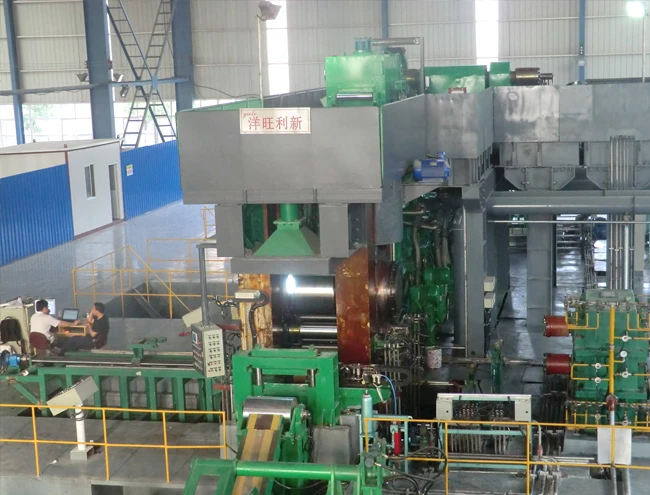
In simple terms, a сортовой прокатный стан is a type of rolling mill specialized for producing “sections” or shaped bars from steel billets or blooms. Imagine it as the craftsman’s tool that sculpts raw steel into beams, angles, channels, rebars, and other useful profiles essential for building and machinery.
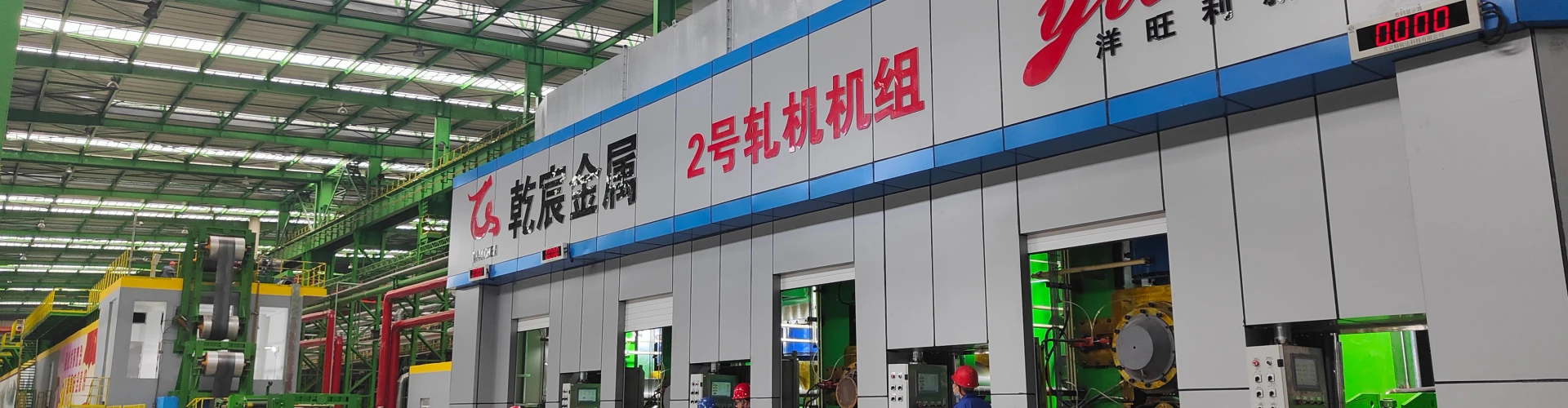
This equipment works by bringing the hot steel through multiple rolling stands gradually shaping and refining it into the desired cross-section, often tightly controlling dimensions and surface quality. It’s no exaggeration to say that modern settlements, vehicles, and infrastructure owe much to these precise machines.
Core Components and Key Factors Impacting Performance
1. Durability and Material Quality
The steel used in the mill construction and the rotors’ toughness dictates how long a сортовой прокатный стан can run without costly downtime. Manufacturers lean towards wear-resistant alloys that withstand heat and friction.
2. Precision and Control Systems
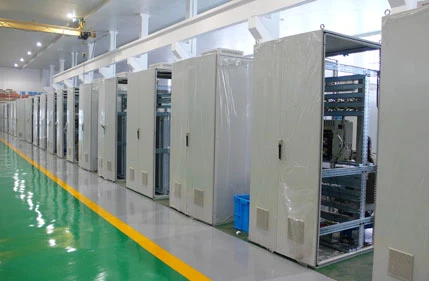
Advanced electronic controls and sensors let operators tweak the rolling pressure, speed, and alignment. The smarter and more responsive the control, the better the final product.
3. Energy Efficiency
Rolling mills consume substantial electrical power, so newer models emphasize energy-saving designs, variable speed drives, and regenerative braking.
4. Scalability and Flexibility
Modern plants often require mills that can quickly switch between different profile sizes or materials. Flexibility in setup saves time and money.
5. Maintenance Accessibility
Easy access to components for cleaning, inspection, and repair reduces costly stops.
Mini takeaway: Every core feature contributes directly to real-world benefits like consistent quality, cost savings, and reduced environmental impact.
Real-World Applications: Who’s Using These Mills and How?
In Europe, Asia, and North America, сортовой прокатный стан setups power the backbone of heavy industries. For example, in Germany, manufacturers utilize these mills to craft precision steel sections for automotive frames — where tolerances are slim.
Over in Russia and parts of China, these mills support largescale infrastructure projects, producing massive beams for bridges, railway tracks, or skyscrapers. Oddly enough, in some developing countries, smaller modular сортовой прокатный стан models enable mobile production lines that can be set up near construction sites—cutting logistics costs and speeding up rebuilding efforts after natural disasters.
Advantages That Last: Why Invest in сортовой прокатный стан?
- Cost Efficiency: By automating and optimizing the shaping process, these mills reduce waste and energy use.
- Product Consistency: Tight control over dimensions leads to fewer rejected parts and higher client trust.
- Sustainability: Modern mills are designed to minimize pollution, lower carbon footprints, and recycle heat.
- Social Impact: Reliable supply chains promote job creation and infrastructure improvement in local communities.
- Innovation Enablement: With adaptable setups, companies can prototype and produce new profiles quickly, keeping competitive.
Sorting Out the Details: Product Specification Table
| Specification | Typical Value | Notes |
|---|---|---|
| Rolling Speed | 5-30 m/min | Varies by profile and mill size |
| Max Cross Section | 300 x 300 mm | Depends on stand configuration |
| Motor Power | 500-1500 kW | High requirement for continuous operation |
| Control System | PLC + HMI | Supports remote monitoring capabilities |
| Energy Consumption | ~2500 kWh/day | Depends on production volume |
How Vendors Stack Up: A Quick Comparison
| Vendor | Range of Profiles | Customization Level | Energy Efficiency | After-Sales Service |
|---|---|---|---|---|
| SteelPro Mills | Wide (angles, beams, rebars) | High | Advanced regenerative systems | 24/7 global support |
| RollTech Solutions | Moderate (channels, beams) | Medium | Standard motors, no regen | Local distributors & service centers |
| EcoRoll Systems | Niche profiles, lightweight steel | Very High | Energy-saving tech & IoT-enabled | Remote diagnostics & training |
Looking Ahead: Trends Shaping the Future of сортовой прокатный стан
It’s an exciting time for the rolling mills industry. Digital transformation is seeping into every corner, enabling smarter automation and predictive maintenance that many engineers say could reduce downtime drastically. Furthermore, the squeeze on emissions is pushing the adoption of electric drives powered by renewable energy, alongside innovative cooling systems that reduce water usage.
New materials, including eco-friendly alloys and composites, require adaptable rolling mills capable of handling different thermal properties — making flexibility even more valuable. One can almost imagine a future where these systems autonomously optimize their operation based on real-time supply chain inputs.
Common Challenges and How Experts Tackle Them
No technology is without hitches. Sortovoy mills sometimes struggle with the constant demands for smaller batch sizes, sudden design changes, or raw material inconsistencies — all of which can disrupt rhythm and increase wear.
Experts recommend modular designs that facilitate quick tooling swaps and highlight the growing necessity for advanced monitoring systems to predict maintenance needs before problems arise. It’s also crucial to invest in operator training and build strong manufacturer partnerships for ongoing support.
FAQ: Your Top Questions About сортовой прокатный стан
Q1: How does сортовой прокатный стан differ from universal rolling mills?
A: Unlike universal mills that handle a broad variety of products, сортовой прокатный стан is optimized specifically for shaping sectional steel profiles like I-beams, angles, and channels, providing higher precision and efficiency for these shapes.
Q2: Can I switch steel profiles quickly on the same mill?
A: Modern mills often feature modular stands allowing quick adjustments. However, the changeover time depends on the complexity of profiles and tooling setup — typically from a few hours to a day.
Q3: What is the typical lifespan of such a rolling mill?
A: With proper maintenance, rolling mills can last decades. Major components like rolls require periodic replacement based on production volume and steel abrasiveness.
Q4: Are these mills environmentally friendly?
A: Energy consumption is significant but increasingly mitigated by energy-saving motors, regenerative braking, and waste heat recovery systems, making modern mills far more sustainable than older generations.
Q5: Where can I find spare parts or expert support?
A: Established vendors typically offer spare parts, training, and remote diagnostics. Checking authorized distributors or service centers is recommended to ensure genuine components.
Conclusion: Next Steps with сортовой прокатный стан
At the end of the day, understanding and investing in the right сортовой прокатный стан configuration is about staying ahead in a competitive, fast-moving market. It’s about making sure your steel profiles come out consistent, cost-effectively, and sustainably. If you’re ready to explore options or see the latest innovations firsthand, don’t hesitate to visit our website: сортовой прокатный стан — we promise the technical insights and product offerings will surprise you.
Mini takeaway: It’s not just steel shaping — it’s shaping the future.
References
-
Ship Multi-Project Equipment on the Lantern FestivalNewsMar.03,2026
-
YWLX Deep Dives into Cladding Line with Dubai ClientNewsDec.22,2025
-
1450mm 6-Hi Reversing Mill Goes Live in BangladeshNewsOct.28,2025
-
Sep. 3rd Parade: Carry Forward and Press OnNewsSep.03,2025
-
Indian Clients Visit YWLX to Inspect Skin-pass MillNewsJun.22,2025
-
Full- throttle! YWLX's Intense Production During May DayNewsMay.01,2025
-
YWLX Participated in the 2025 Chinese GAP Program Review ConferenceNewsApr.17,2025