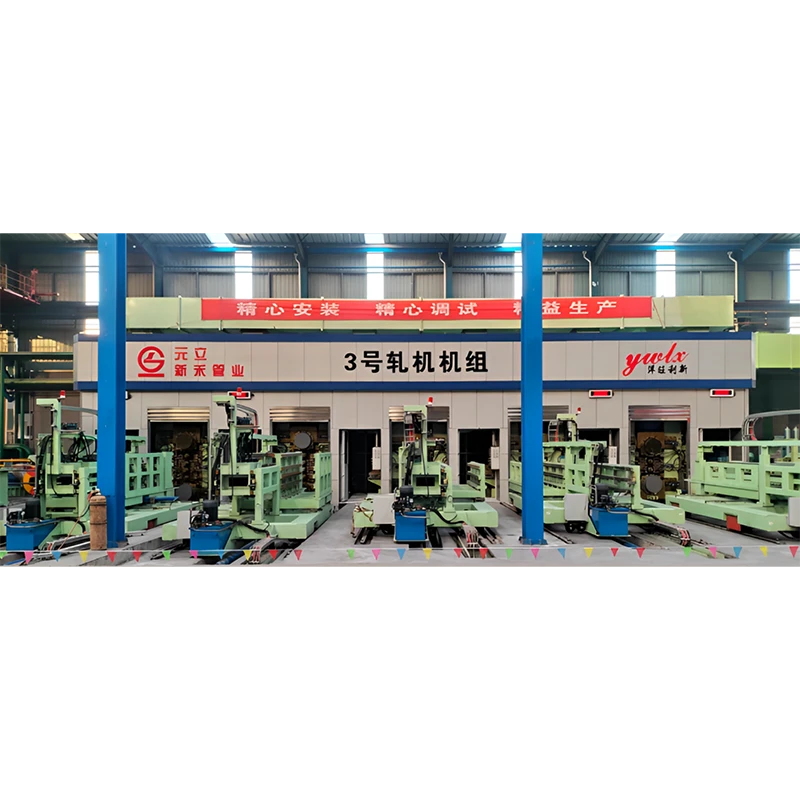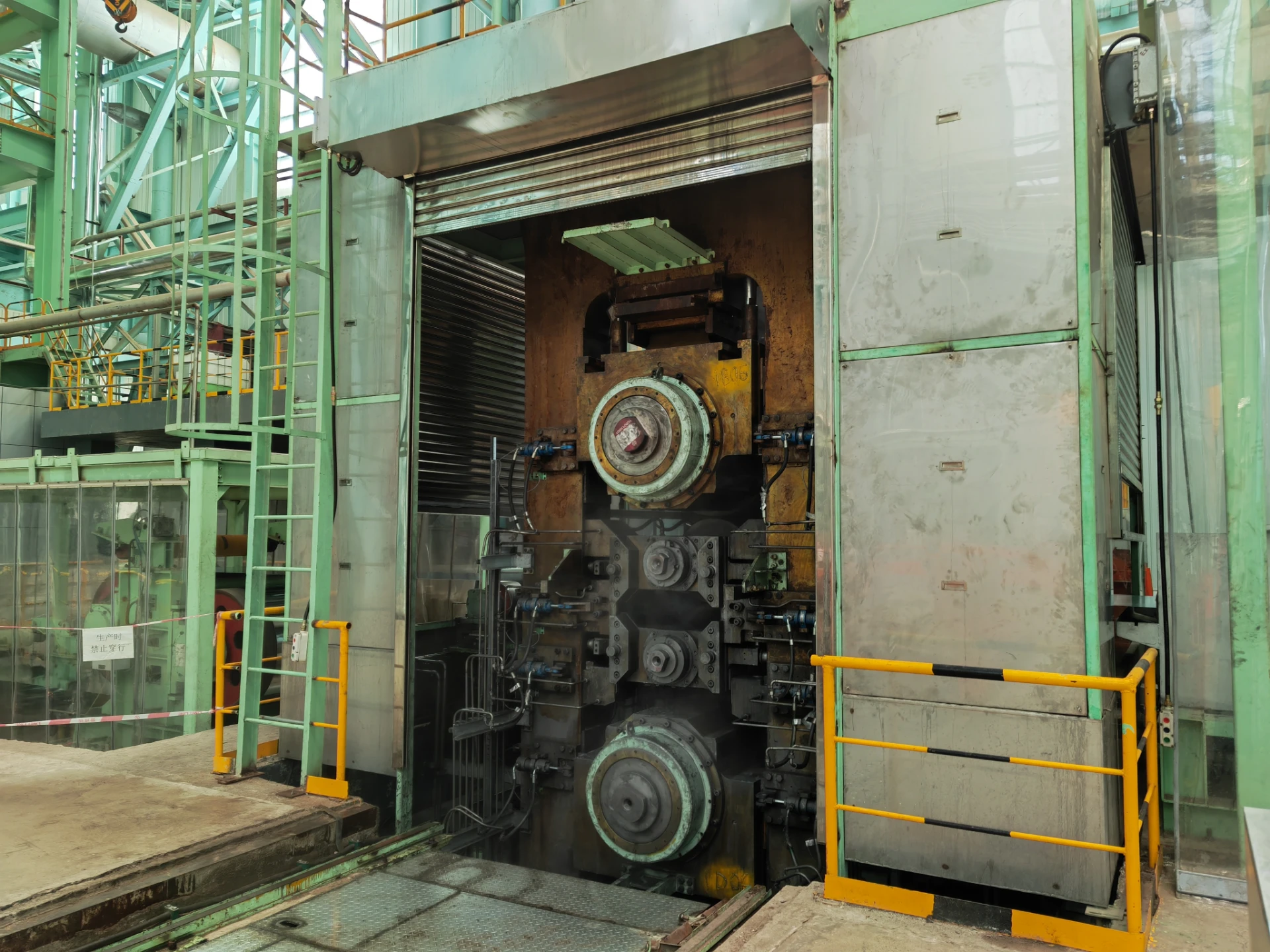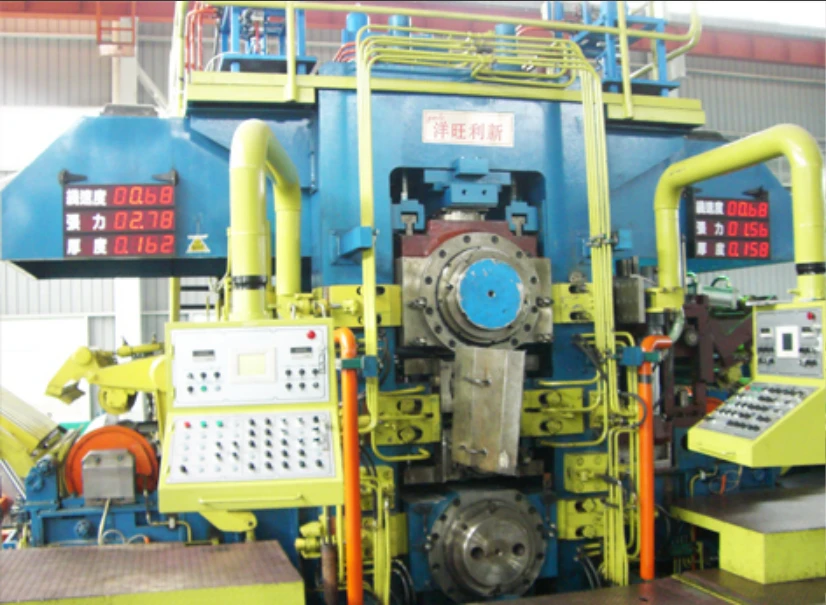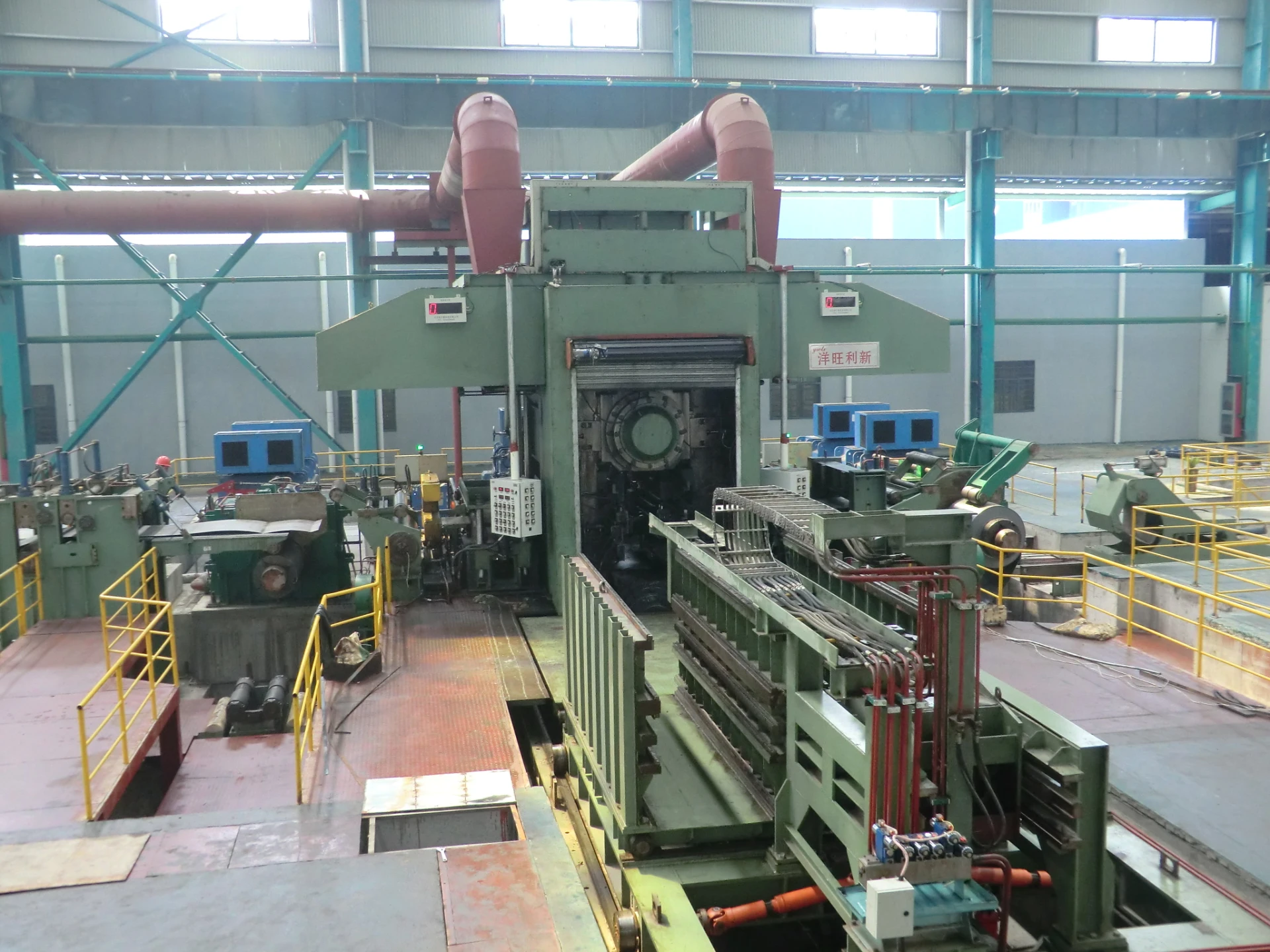
Comprehensive Guide to горячекатаная полоса – Hot-Rolled Steel Strip Benefits & Uses
Understanding горячекатаная полоса: Why It Matters Globally
In the vast world of steel manufacturing and construction, горячекатаная полоса holds a surprisingly pivotal role. This term, fresh on the lips of many engineers and industrial experts, refers to hot-rolled steel strip — a versatile, core material that’s found everywhere from skyscraper skeletons to shipbuilding docks. What’s fascinating is how its production and application intersect with global development, infrastructure modernization, and even humanitarian efforts around the world.
Why the fuss? Steel, as we know, underpins modern civilization. According to the World Steel Association, global crude steel production surpassed 1.8 billion metric tons in recent years, much of which is fashioned into hot-rolled products like горячекатаная полоса. Its broad utility makes it a linchpin for everything from energy projects to transportation.
Yet, the industry faces persistent challenges: raw material scarcity, stringent environmental regulations, and escalating demand for high-strength, cost-efficient materials. Understanding горячекатаная полоса — its properties, production, and applications — is key for planners, engineers, and investors striving to innovate responsibly and sustainably.
Mini Takeaway: Grasping the global importance of горячекатаная полоса means appreciating how a simple steel strip shapes complex infrastructure and future sustainability efforts worldwide.
Defining горячекатаная полоса: What is It?
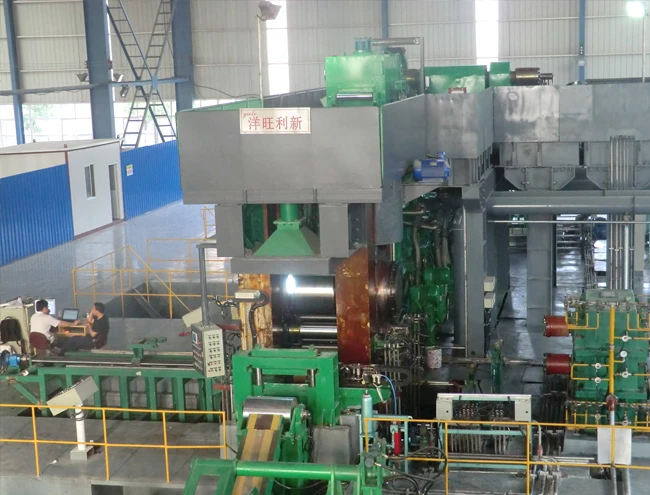
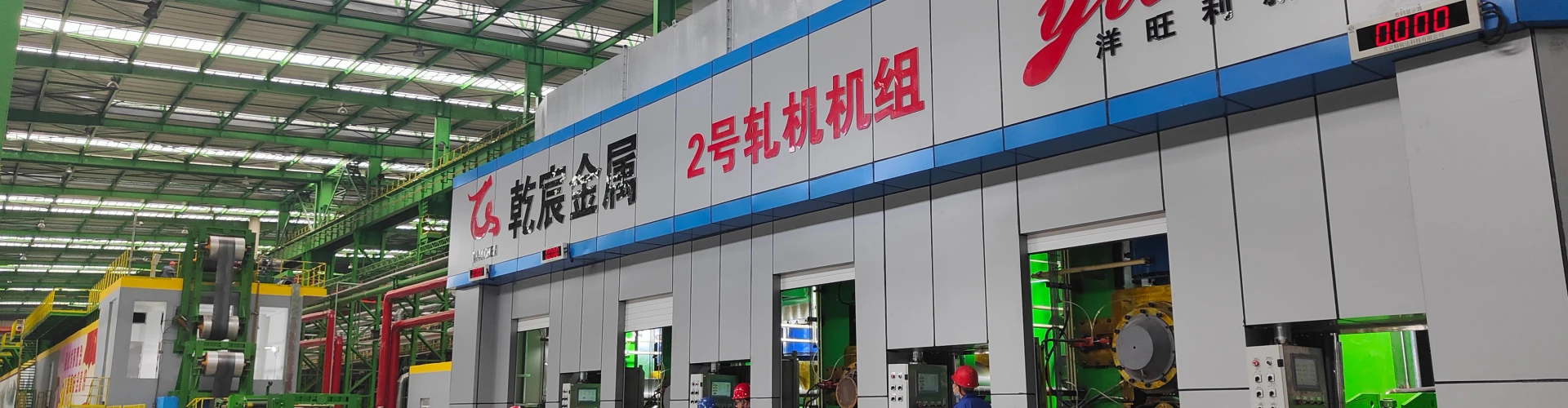
Put simply, горячекатаная полоса translates to “hot-rolled strip” in Russian, describing the process where steel slabs are heated above recrystallization temperature and rolled into flat strips with consistent thickness. This differs from cold-rolled strips, which undergo further processing at room temperature to enhance surface finish and tolerance.
But why is hot-rolled steel strip so essential? The manufacturing technique improves ductility, making the finished product easier to shape, weld, and machine — vital for many industries. It's the backbone of numerous construction frameworks, automotive chassis, heavy machinery, and even household appliances.
The connection between горячекатаная полоса and modern industry is not just mechanical but humanitarian, as these steel strips often end up in critical infrastructure — bridges, hospitals, and energy grids — supporting societal development and emergency response in vulnerable regions.
Mini Takeaway: горячекатаная полоса is more than a steel strip; it’s a fundamental industrial ingredient bridging raw materials with real-world infrastructure and human needs.
Key Factors Shaping горячекатаная полоса’s Value
1. Durability and Strength
Hot-rolled steel strips offer superior strength, allowing structures to withstand heavy loads, weather elements, or industrial stress. Their microstructure, partially recrystallized during rolling, tends to balance toughness with workability — a reason many engineers prefer them for load-bearing components.
2. Scalability and Production Efficiency
The hot rolling process happens at mass production scales and relatively lower costs, allowing manufacturers to meet huge demands. It’s roughly 30–50% more cost-efficient than cold rolling, making it ideal for budget-sensitive projects with less stringent surface finish needs.
3. Surface Finish and Treatment Flexibility
While hot-rolled strips have a rougher surface compared to cold-rolled steel, they offer a canvas for varied treatments — galvanizing, painting, or lamination — which extend lifespan and adapt the metal for different environmental conditions.
4. Material Thickness Range
Typically ranging from 1.2mm to over 20mm in thickness, горячекатаная полоса caters to multiple design requirements, from thin cladding panels to heavy-duty industrial parts, allowing broad application diversity.
5. Environmental & Cost Efficiency
With increasing energy costs and environmental scrutiny, hot-rolled steel production is leveraging innovative furnaces and recycling measures to reduce carbon footprints, further increasing its appeal.
| Specification | Typical Range | Notes |
|---|---|---|
| Thickness | 1.2 mm - 20 mm+ | Varies by manufacturer and application |
| Width | 600 - 2200 mm | Standard coil widths |
| Yield Strength | 235 - 450 MPa | Depends on grade and treatment |
| Surface Finish | Mill scale (rough) | Often painted or galvanized post-production |
| Typical Applications | Construction, automotive, heavy equipment | Key industrial backbone element |
Global Applications & Real-World Use Cases of горячекатаная полоса
It’s easy to underestimate how far a coil of горячекатаная полоса can travel in its life cycle. Heavy industries across the globe depend on these strips for stability and versatility.
- Construction Giants in Asia: Rapid urbanization in countries like China and India relies heavily on hot-rolled steel strips to fabricate beams, roofing sheets, and railway components.
- European Automotive Industry: Germany and Italy’s car manufacturers use these strips in chassis frames, balancing weight and strength to improve fuel efficiency.
- Disaster Relief Infrastructure: Humanitarian organizations in post-earthquake or flood zones use modular housing built with frames from горячекатаная полоса — offering quick, strong shelters that save lives.
- Energy Sector Applications: Wind turbine towers and oil rigs utilize this steel strip’s durability against harsh sea conditions, particularly in the North Sea and Gulf of Mexico.
Oddly enough, regions with limited manufacturing capabilities sometimes import hot-rolled strips to boost local industries, fostering economic development and infrastructure resilience.
Mini Takeaway: From Asian megacities to remote humanitarian zones, горячекатаная полоса shapes the way the world builds, protects, and powers itself.
Advantages & Long-Term Value of горячекатаная полоса
The choice to use горячекатаная полоса is often driven by both logic and human considerations.
- Cost Efficiency: Its production process, economies of scale, and abundant raw materials keep prices competitive. It’s a pragmatic choice for infrastructure-heavy sectors.
- Sustainability: The steel industry increasingly uses scrap recycling and energy-efficient furnace technologies. Sustainability certifications mean hot-rolled strips are less damaging to the planet than ever.
- Reliability: Structures built with горячекатаная полоса exhibit impressive durability, reducing maintenance costs and extending asset lifespans.
- Innovation: New steel grades and alloying approaches improve corrosion resistance and strength without sacrificing formability.
- Social Impact: Reliable infrastructure spawned from this steel type creates safer workplaces, homes, and transportation networks — enhancing dignity and quality of life.
In a sense, this material embodies a long-term promise — sturdy enough to stand the tests of time, flexible enough to adapt to future innovations.
Emerging Trends & Innovations in горячекатаная полоса Production
Looking ahead, several developments are changing how hot-rolled steel strips are made and used:
- Green Steel Initiatives: New methods using hydrogen reduction instead of coke are piloted to slash carbon emissions drastically.
- Smart Manufacturing: Industry 4.0 technologies, including IoT sensors and AI control systems, optimize furnace efficiency and product consistency.
- Advanced Alloy Design: Research into ultra-high-strength, corrosion-resistant strips is expanding opportunities in automotive light-weighting and construction.
- Customization & Coatings: Tailored surface treatments combining nanotech coatings improve lifespan in corrosive environments without adding weight.
These trends signal a more sustainable, intelligent, and versatile future for горячекатаная полоса — proving metal can be “smart” too.
Challenges & Practical Solutions
Even with all its strengths, hot-rolled steel strip production and use aren’t without hurdles:
- Surface Roughness: Often requires additional finishing for aesthetics or protection, adding time and cost.
- Environmental Impact: Steelmaking remains energy-intensive, presenting ongoing emissions challenges.
- Supply Chain Volatility: Raw material price swings affect global availability and costs — geopolitical tensions can exacerbate this.
Solutions? Many plants now use closed-loop water cooling and energy recovery systems. Collaborative supply chain management and digital forecasting help manufacturers navigate disruptions smoothly. Plus, research into low-carbon steel production looks promising.
Vendor Comparison: Leading Producers of горячекатаная полоса
| Manufacturer | Headquarters | Annual Capacity (Mt) | Strength Grades | Sustainability Initiatives |
|---|---|---|---|---|
| NLMK Group | Russia | 18 | 235 - 450 MPa | Advanced recycling, electric arc furnaces |
| ArcelorMittal | Luxembourg | 100+ | 250 - 500 MPa+ | Green steel R&D, carbon capture |
| JFE Steel | Japan | 30 | 235 - 400 MPa | Energy-efficient furnaces, water recycling |
| Tata Steel | India | 35 | 200 - 450 MPa | Focus on scrap usage, solar power |
FAQs: Your Quick Guide to горячекатаная полоса
Q1: What makes горячекатаная полоса preferable over cold-rolled strips in construction?
A1: Hot-rolled strips are generally more cost-effective and allow for larger thicknesses and widths, making them ideal for structural uses where surface finish is less critical. Their improved ductility and reduced residual stresses make forming and welding easier on-site.
Q2: How long do structures built with горячекатаная полоса typically last?
A2: With proper treatment (galvanizing or coating) and maintenance, steel products from горячекатаная полоса can last 50 years or more in moderate environments. Corrosive or marine environments might shorten this lifespan without specialized corrosion resistance.
Q3: Is горячекатаная полоса environmentally sustainable?
A3: The steel industry is progressively focused on reducing emissions, recycling scrap steel, and improving energy efficiency. While hot-rolled steel has a carbon footprint, ongoing green steel initiatives are making it more sustainable than it used to be.
Q4: Can NGOs import горячекатаная полоса-based materials for disaster relief quickly?
A4: Yes. Many manufacturers offer standardized coil sizes and pre-cut steel kits for rapid deployment. Logistics coordination is key, but there are streamlined supply chains dedicated to humanitarian aid.
In Conclusion: Why горячекатаная полоса Deserves Your Attention
It feels like горячекатаная полоса quietly powers much of our built world. From infrastructure that supports entire cities to modular shelters restoring hope after disasters, this hot-rolled steel strip anchors progress with durability, cost-effectiveness, and evolving sustainability.
If you’re involved in construction, manufacturing, or humanitarian technology, getting familiar with горячекатаная полоса’s strengths and industry trends is an investment in smarter, greener, and more reliable solutions.
For more detailed information, product options, and consultation, visit our website and see how горячекатаная полоса can meet your next project’s demands.
References
-
Ship Multi-Project Equipment on the Lantern FestivalNewsMar.03,2026
-
YWLX Deep Dives into Cladding Line with Dubai ClientNewsDec.22,2025
-
1450mm 6-Hi Reversing Mill Goes Live in BangladeshNewsOct.28,2025
-
Sep. 3rd Parade: Carry Forward and Press OnNewsSep.03,2025
-
Indian Clients Visit YWLX to Inspect Skin-pass MillNewsJun.22,2025
-
Full- throttle! YWLX's Intense Production During May DayNewsMay.01,2025
-
YWLX Participated in the 2025 Chinese GAP Program Review ConferenceNewsApr.17,2025