Comprehensive Guide to прокатный стан ss – Innovations, Applications & Benefits
Understanding прокатный стан ss: A Key to Modern Rolling Mill Technologies
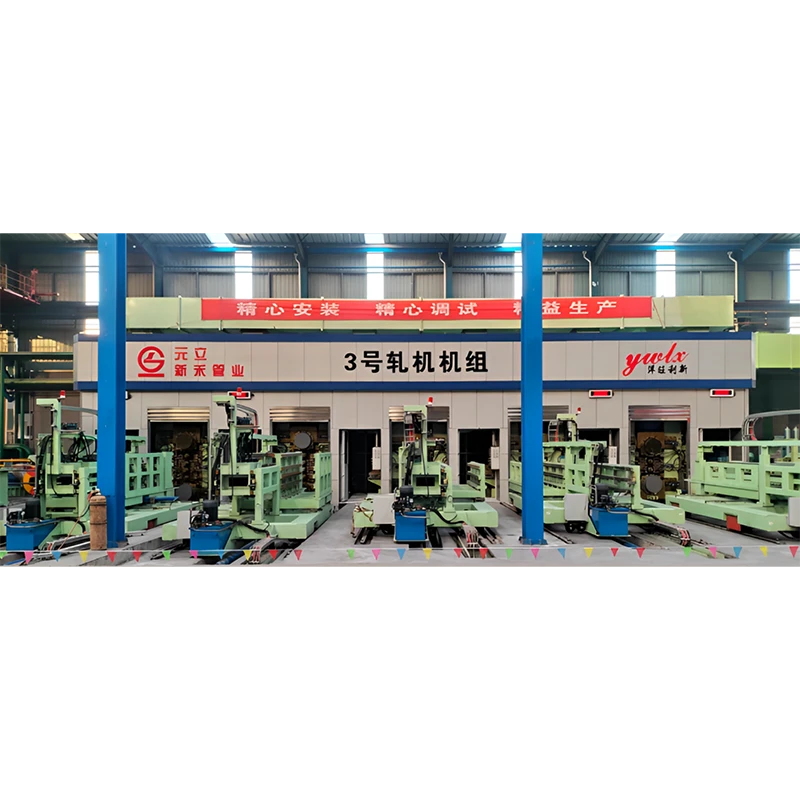
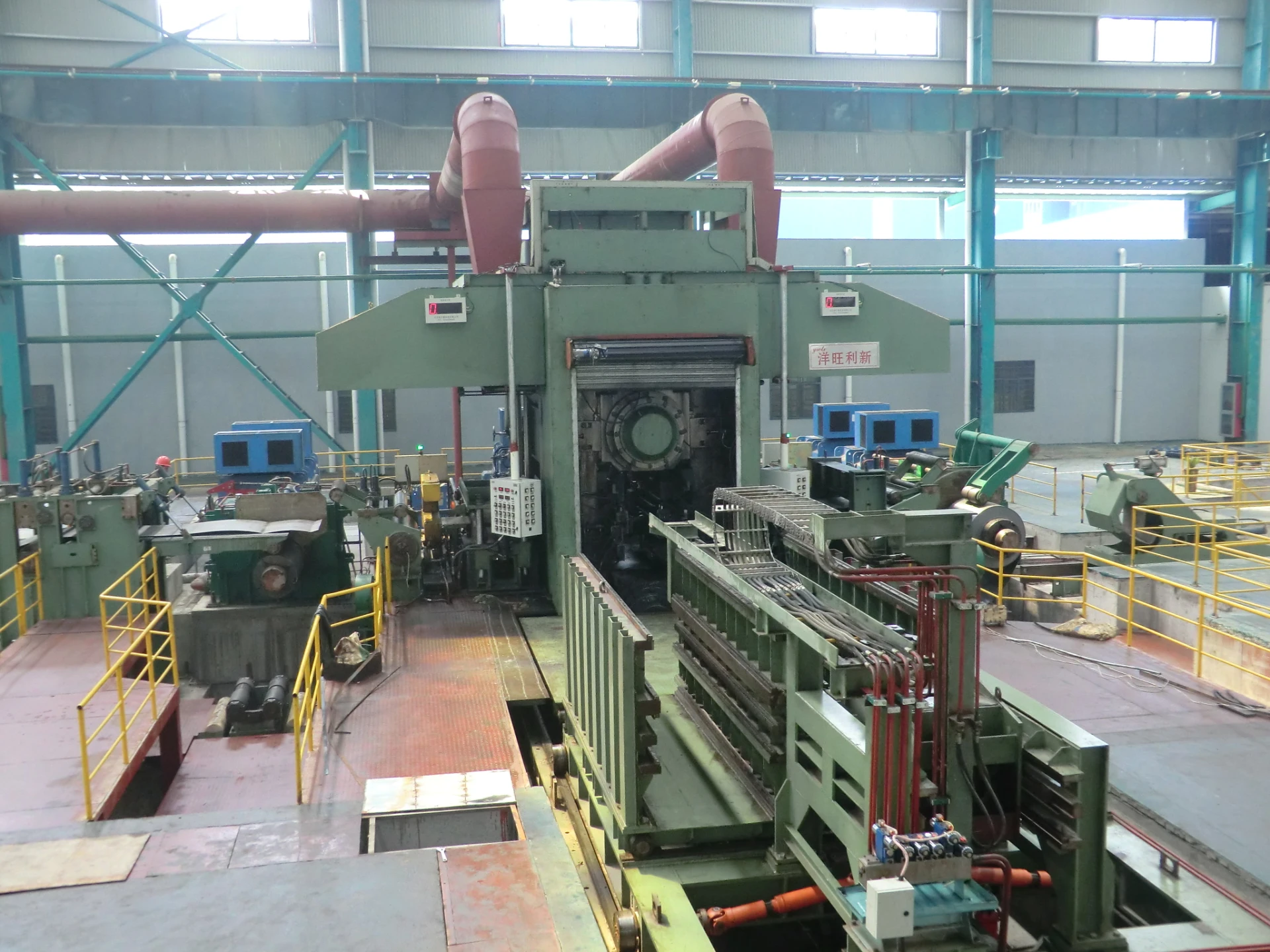
In the world of heavy industry, the прокатный стан ss stands out as a crucial player. Simply put, it’s a rolling mill system designed to shape, finish, and control metal stock — without which the production of flat-rolled steel and alloys would be clunky and inefficient. On a global scale, as industries race toward better material performance and cost-cutting, getting the hang of these systems isn’t just technical jargon: it’s a doorway to innovation, sustainability, and competitiveness.
To set the stage, consider this: the steel production sector accounts for nearly 7% of global CO2 emissions (according to the International Energy Agency), and millions of tons of steel are processed daily worldwide. Efficient прокатный стан ss setups enable manufacturers to reduce waste, improve energy usage, and meet ever-tighter tolerance standards demanded by industries like automotive, construction, and aerospace.
But what exactly are these systems? Why do engineers swear by them? And how do they affect everything from skyscraper frameworks to the tiniest components in machinery? Let’s unpack the topic from basics to insights that only insiders tend to mention over coffee breaks.
What Is a прокатный стан ss? Breaking it Down Simply
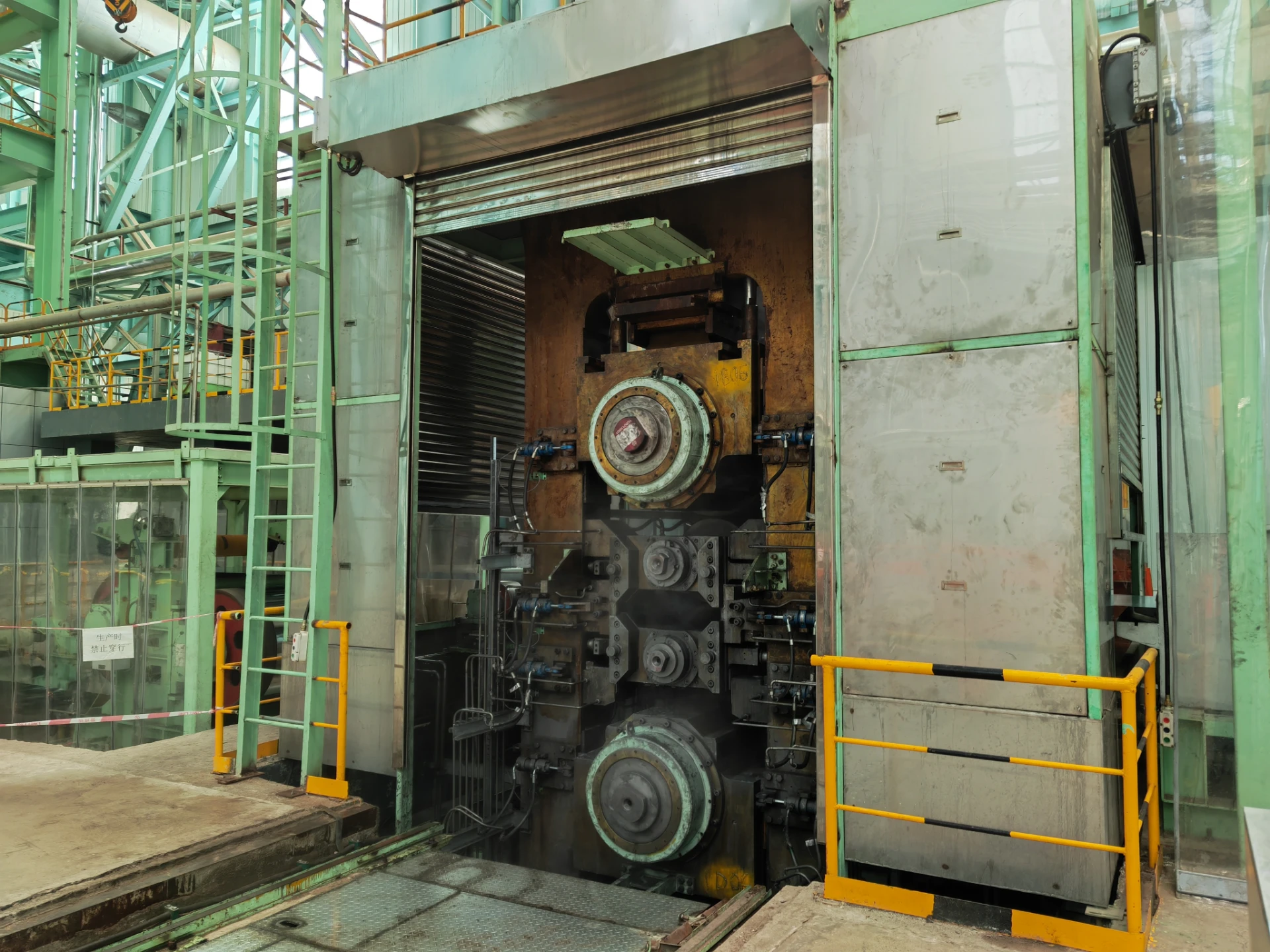
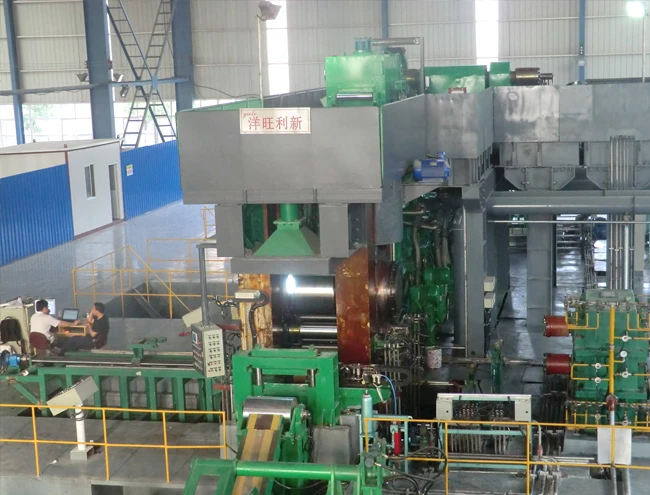
The term прокатный стан ss roughly translates to a “rolling mill stand” in English, where "ss" often signifies stainless steel or a specific series/model from some vendors. Imagine giant mechanical jaws squeezing and stretching hot or cold metal to reduce thickness, shape the profile, or improve surface finish. This is the essence of what a прокатный стан ss does — it’s literally the heartbeat of metal forming plants.
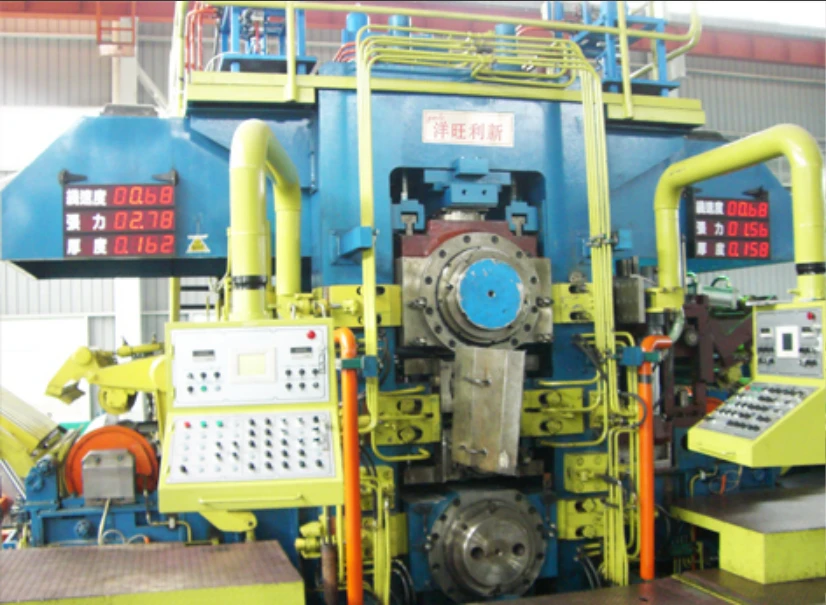
This equipment often combines a few key components: heavy-duty rollers, robust frames, drives, and control units that harmonize to gently yet forcefully push raw metal into the shape needed. The “ss” variants usually focus on adaptability with stainless steels, demanding corrosion resistance and precise engineering.
Core Components That Make прокатный стан ss Tick
1. Durability and Frame Strength
These mills have to withstand enormous stresses — think thousands of tons of pressure plus heat. So, manufacturers select high-grade steel frames and use precise welding and reinforcement techniques. Oddly enough, overengineering the frame often pays off years down the road when the system resists deformation and offers consistent performance with minimal downtime.
2. Precision Rollers with Special Coatings
The rollers aren’t just metal cylinders — they’re often made of hardened alloys and feature advanced coatings to resist wear and corrosion, especially important for stainless steel rolling. From my chat with a plant operator last year, the exact roller surface finish can profoundly influence the final steel sheet quality.
3. Automated Control Systems
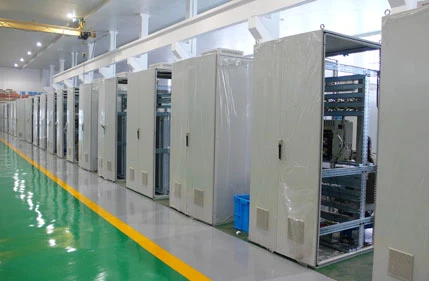
Modern прокатный стан ss often include computerized monitoring of roll gap, speed, and temperature. This digital backbone ensures the mill maintains tight tolerances — which is non-negotiable given the thin sheets demanded for things like medical devices and aerospace panels.
4. Energy Efficiency and Heat Management
With the push for greener manufacturing, many new systems recycle heat from the rolling process or use more efficient electric drives instead of traditional hydraulics. The energy savings here sometimes surprise even seasoned engineers.
Mini Takeaway:
The best прокатный стан ss systems combine robust mechanical design with digital smarts and energy consciousness. This holistic engineering approach explains why they remain vital amidst growing environmental regulations and complex production demands.
Where in the World and Industry Do прокатный стан ss Shine?
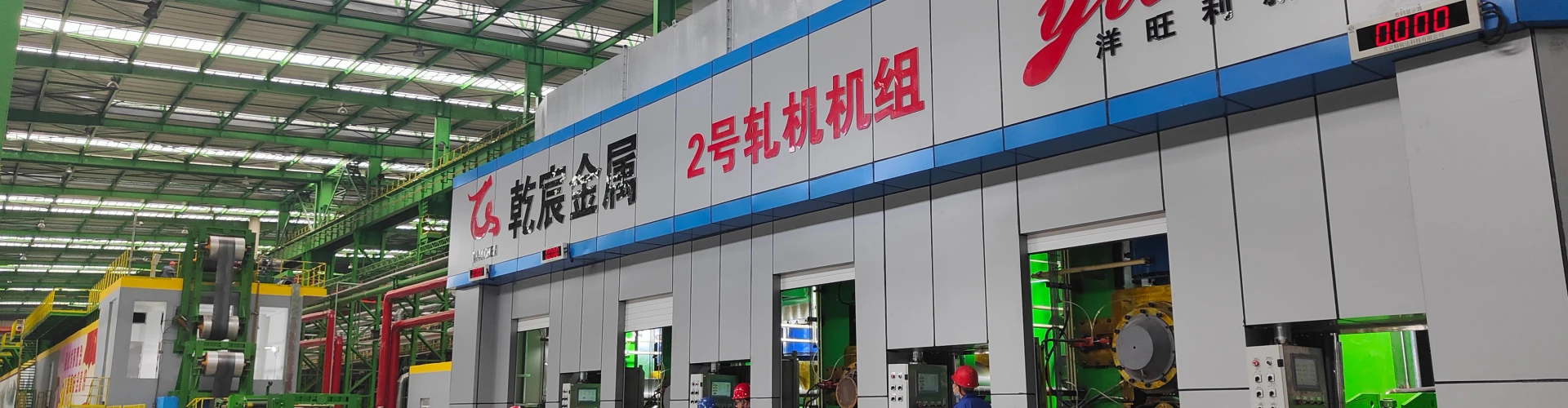
Rolling mills like these have a truly global footprint. For instance, East Asia’s steel giants rely heavily on advanced прокатный стан ss to feed booming automotive, shipbuilding, and electronics sectors. Europe and North America focus on specialized stainless steel rolling for high-spec applications in aerospace and medical equipment.
- Post-Disaster Reconstruction: Countries rebuilding infrastructure after earthquakes or floods use steel sheets formed by these mills for swift yet durable housing and facilities.
- Remote Industrial Zones: Mining and energy sectors deploy precut steel segments shaped by прокатный стан ss to maintain operational reliability thousands of miles from urban supply chains.
One neat example stems from the automotive sector in Germany, where sophisticated прокатный стан ss lines achieve ultra-thin, high-strength steel sheets that contribute to lighter, safer vehicles with lower emissions.
Product Specification Table: Typical прокатный стан ss Features
| Feature | Description | Typical Value |
|---|---|---|
| Roller Diameter | Size of the rollers used to shape metal | 400–600 mm |
| Rolling Force | Maximum force rollers can apply | Up to 1000 kN |
| Speed Range | Variable rolling speeds | 0.1 – 20 m/s |
| Control System | Automation equipment type | PLC with HMI touchscreens |
| Material Compatibility | Types of metals processed | Carbon steel, stainless steel, alloys |
| Energy Consumption | Approximate power usage | 150–300 kW (per section) |
Advantages & Long-Term Value of прокатный стан ss
From a practical standpoint, these rolling mill stands mean:
- Lower operating costs: Less energy and material waste, plus reduced labor through automation.
- Improved product quality: Consistent thickness, smooth surfaces, and exact dimension control.
- Versatility: One setup can process many steel grades and thicknesses, accommodating changing market demands.
- Sustainability: Modern designs cut the carbon footprint and enable recycling of process heat and metal chips.
But beyond the technical merits, there’s something oddly reassuring—knowing that with each turn of the rollers, you’re contributing to safer cars, stronger buildings, and even better medical implants. It taps into engineers’ sense of social responsibility and pride.
Vendor Comparison: Major прокатный стан ss Providers
| Vendor | Specialty | Typical Markets | Price Range | Notes |
|---|---|---|---|---|
| SteelTech Solutions | High-precision stainless steel stands | Automotive, Aerospace | $$$ | Strong R&D, custom builds |
| MillPro Engineering | Modular rolling mill systems | Shipbuilding, Construction | $$ | Focus on retrofit solutions |
| Global Rollers Inc. | Mass-market heavy-duty stands | Steel mills, mining | $ | Strong global support network |
Looking Ahead: Innovations and Trends in прокатный стан ss
The future’s bright — and digital. Expect these stands to integrate further with Industry 4.0 tools, including AI-driven predictive maintenance, real-time quality analytics, and adaptive controls. Advances in roller coating technology and heat-resistant alloys will push longevity and reduce downtime, often the bane of even the best plants.
Green manufacturing is accelerating too. Some developers are trialing electric-powered, energy regenerative drives and embedding sensors that optimize energy use throughout the day. It’s not just about making steel thinner and stronger — it’s about making steel smarter and kinder to the planet.
Challenges in Implementing прокатный стан ss & How to Overcome Them
Despite these advances, challenges remain. Initial costs can be steep, especially for small or mid-sized firms. The complexity of integrating advanced control systems demands skilled operators and ongoing training. Plus, maintenance for these machines must be meticulously planned to avoid costly breakdowns.
Experts suggest a modular, phased implementation approach combined with close vendor collaboration. This lets companies align rolling mill capacity precisely to their needs and upskill teams gradually without crippling operations.
FAQ: Common Questions About прокатный стан ss
- What advantages does прокатный стан ss offer over older rolling mills?
- Modern прокатный стан ss provide superior precision, energy efficiency, and adaptability. They can process more materials with less waste and support automation that older mechanical mills lack, resulting in higher throughput and better product quality.
- How long do these rolling mill stands typically last?
- With proper maintenance, прокатный стан ss units can operate reliably for 15-25 years or more. Periodic refurbishments and parts replacements extend their life and improve performance, making them long-term investments.
- Are прокатный стан ss systems customizable for different metals?
- Yes. Many suppliers offer stands designed to handle various grades — from carbon steel to stainless and specialized alloys. Roll diameters, materials, and controls can be tailored to specific production needs.
- Can small manufacturers afford these systems?
- Costs vary, but modular and retrofit-friendly models make прокатный стан ss more accessible. Additionally, financing options and phased implementations help smaller firms benefit from the technology without upfront financial strain.
Bringing It All Together: Why прокатный стан ss Matter
The humble rolling mill stand, especially the прокатный стан ss, might not grab headlines. But in the vast, humming plants where steel sheets are born, it’s the unsung hero — blending engineering muscle, precision, and sustainability like few machines can. Long-term benefits ripple into everything from safer buildings to eco-friendlier production footprints.
If you want to explore how прокатный стан ss could push your operations forward, I highly recommend visiting прокатный стан ss. There, you’ll find a trove of info, from product specs to vendor advice, tailored to real industrial challenges.
In the meantime, here’s to steels—and systems—that keep rolling us toward the future.
References
-
Ship Multi-Project Equipment on the Lantern FestivalNewsMar.03,2026
-
YWLX Deep Dives into Cladding Line with Dubai ClientNewsDec.22,2025
-
1450mm 6-Hi Reversing Mill Goes Live in BangladeshNewsOct.28,2025
-
Sep. 3rd Parade: Carry Forward and Press OnNewsSep.03,2025
-
Indian Clients Visit YWLX to Inspect Skin-pass MillNewsJun.22,2025
-
Full- throttle! YWLX's Intense Production During May DayNewsMay.01,2025
-
YWLX Participated in the 2025 Chinese GAP Program Review ConferenceNewsApr.17,2025