Comprehensive Guide to алюминиевый прокатный стан – Aluminum Rolling Mills Explained
Understanding алюминиевый прокатный стан: What It Is and Why It Matters
If you haven’t heard the term алюминиевый прокатный стан before, it might sound a bit technical—like something only plant engineers or metallurgists discuss. But in reality, these aluminum rolling mills play a quietly outsized role in global industry, infrastructure, and even humanitarian efforts.
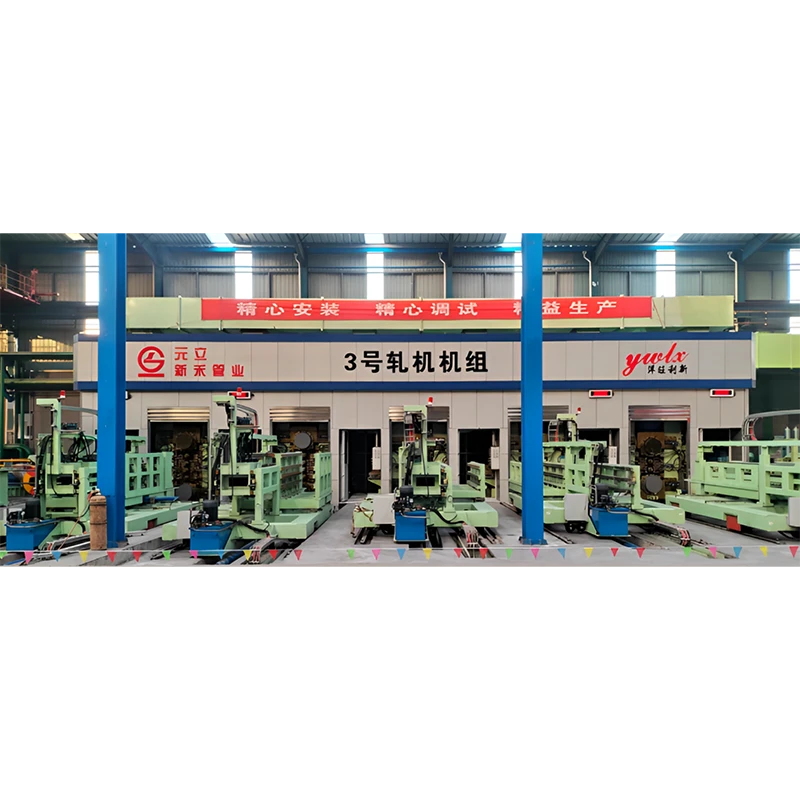
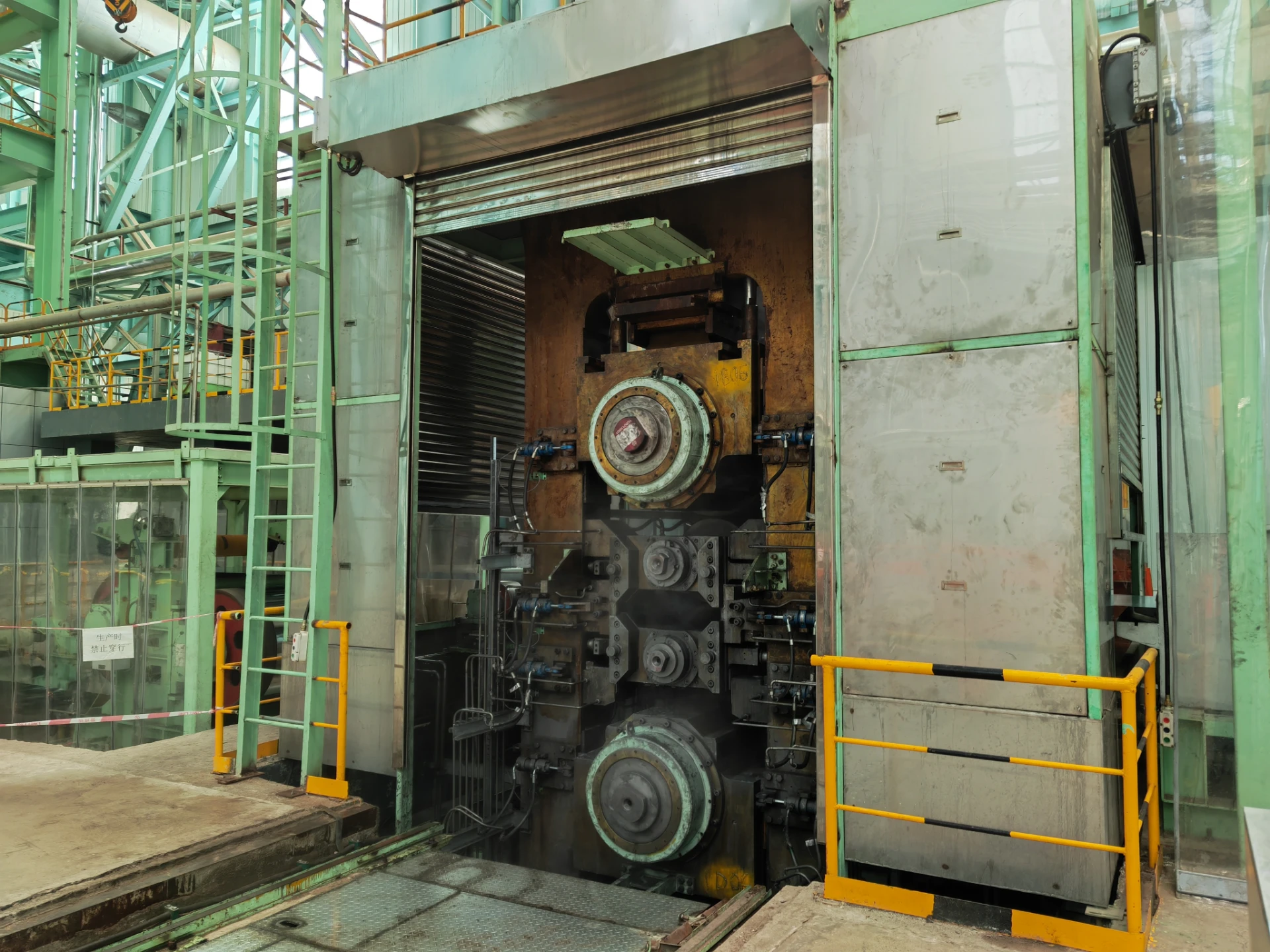
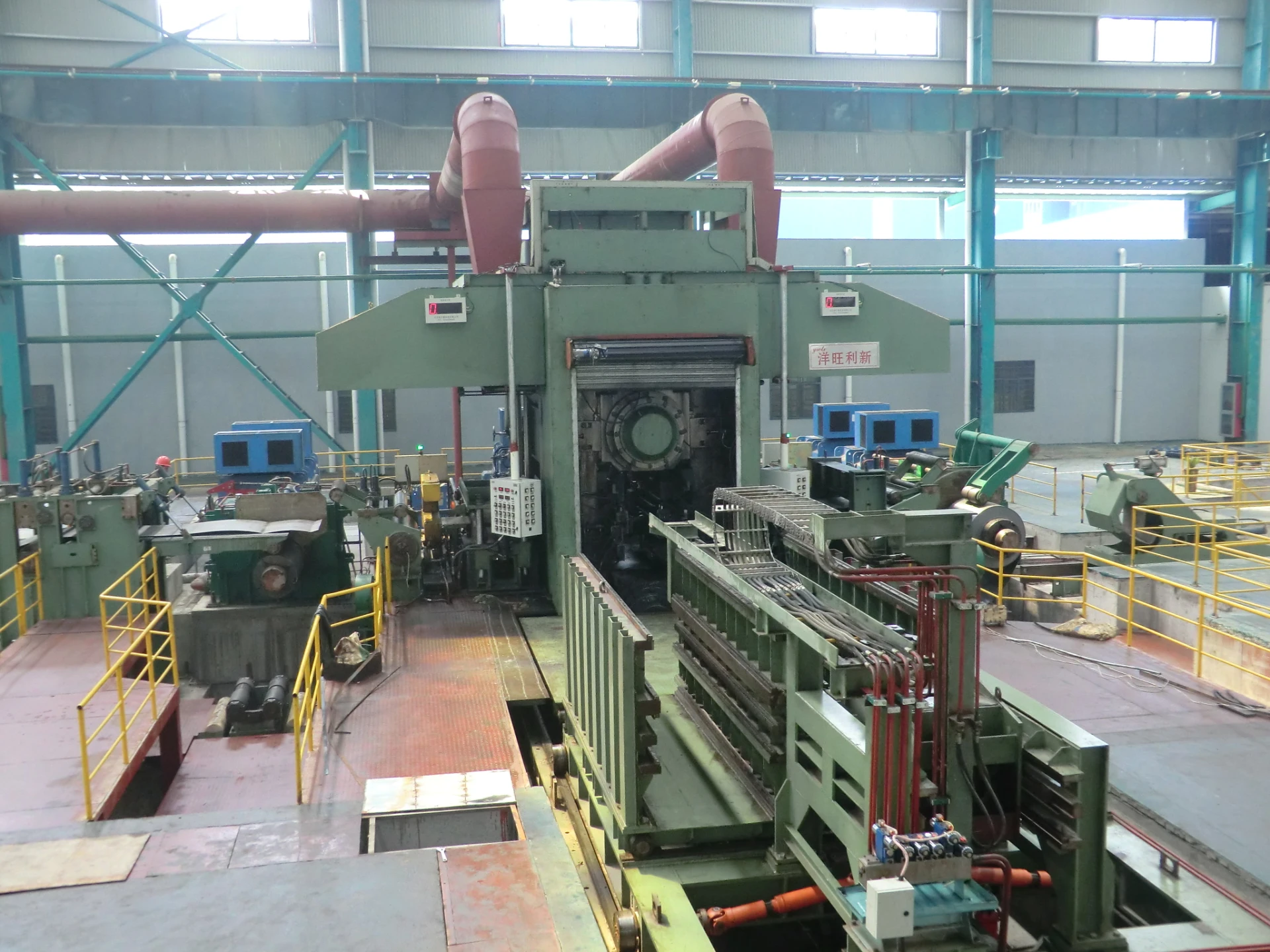
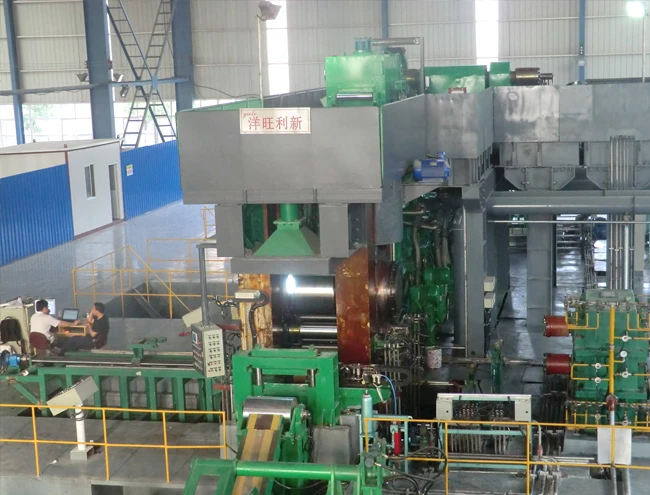
Put simply, an aluminum rolling mill shapes metal sheets, bars, or coils by passing the metal between rollers under pressure. This process transforms bulky metal ingots into usable products that you’ll find everywhere—cars, airplanes, packaging, even solar panels.
Globally, aluminum production is booming, thanks partly to lightweighting trends in transportation and construction sectors aiming to reduce emissions and boost efficiency. Understanding алюминиевый прокатный стан and how it fits into this bigger picture helps industries plan smarter, build greener, and innovate faster.
Global Context: Why Aluminum Rolling Mills Are So Relevant Today
It's fascinating how aluminum became a game-changer worldwide. According to the International Aluminium Institute, worldwide primary aluminum production was around 67 million metric tons in 2023, and rolling mills converted much of that into finished products. That’s not just a number—it reflects how numerous industries depend on these mills.
But challenges exist too. Aluminum rolling requires energy-intensive processes and precise temperature control. Plus, with rising environmental regulations (hello, ISO 14001 standards), facilities must innovate to stay competitive yet eco-friendly.
In emergency zones, for example, aluminum’s durability, malleability, and lightweight nature make quickly deployed shelters and infrastructure possible. Rolling mills feed that demand by making the material ready.
So, What Exactly Is an алюминиевый прокатный стан?
Let’s unpack that mouthful — алюминиевый прокатный стан simply means aluminum rolling mill. Imagine massive rollers squeezing and stretching aluminum slabs, turning them into thin sheets or coils perfect for manufacturing.
This machinery isn’t some one-off marvel. It’s the backbone of how raw aluminum becomes the sleek material inside your car doors, tech gadgets, or those eco-friendly beverage cans.
Thanks to these mills’ precision, aluminum products meet strict dimensional and strength standards, vital for safety and usability everywhere.
Key Components & Factors That Define Aluminum Rolling Mills
1. Durability of Equipment
These mills must endure relentless pressure and heat cycles. The rollers are often made from hardened steel alloys to handle repeated stress without deforming.
2. Scalability & Flexibility
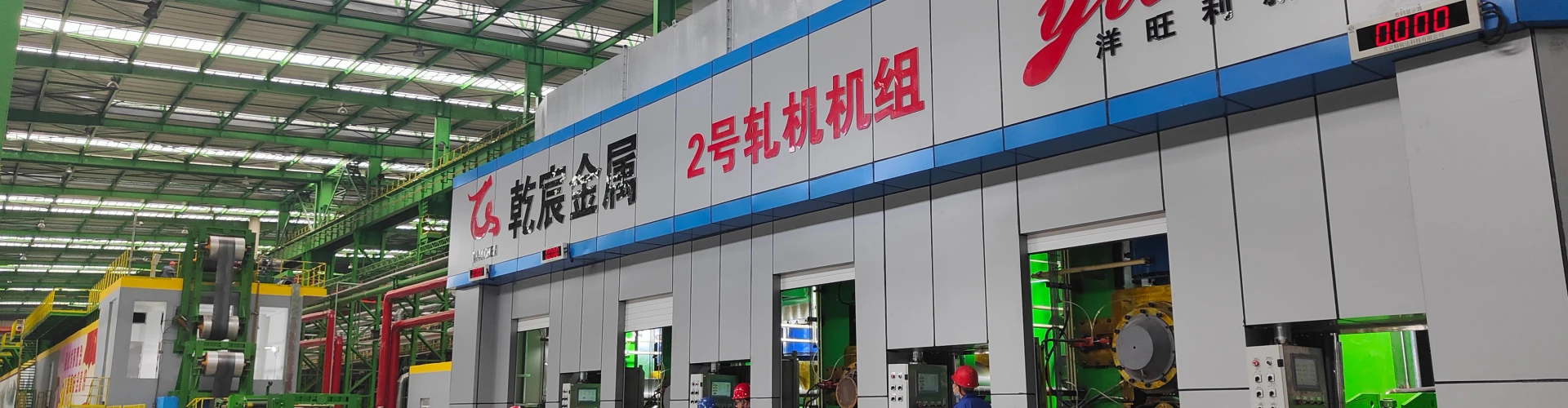
It’s not one-size-fits-all. Facilities range from small-scale mills producing custom sheets to giant plants churning out thousands of tons daily. Many modern mills offer multi-stage rolling to produce varied thicknesses and textures.
3. Energy Efficiency
Energy cost is a top operating expense. Advanced mills use heat recovery and optimized roller designs to cut power consumption—both good for the bottom line and the planet.
4. Precision & Automation
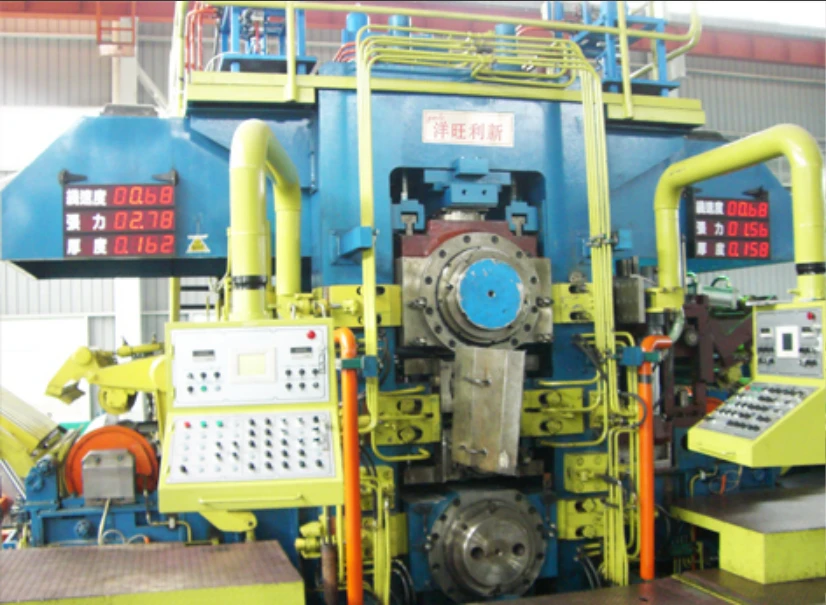
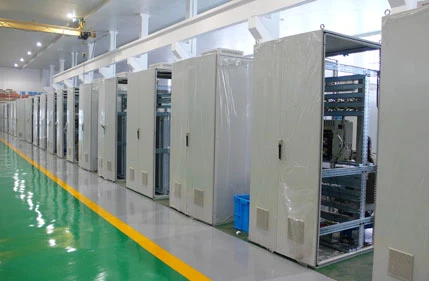
Today, digital control systems monitor every millimeter to meet exact thickness tolerances. Automation ensures operators get better reproducibility and safety. I noticed this especially in mills adopting Industry 4.0 standards.
5. Material Compatibility
Though made for aluminum, some mills can roll aluminum alloys with different properties. This versatility led to broader applications, from aerospace-grade sheets to simple cooking foil.
6. Cost Efficiency
Balancing upfront investment with operational costs is always tricky. More efficient mills may cost more initially but save over time through lower maintenance and energy bills.
Real-World Applications & Industry Use Cases
The fruits of the aluminum rolling process are everywhere — from lightweight car panels improving fuel efficiency, to foil wraps preserving food freshness. But some applications stand out:
- Aerospace & Automotive: Aluminum sheets rolled to exact thicknesses form aircraft skins and car body panels, crucial for performance and safety.
- Construction: Aluminum cladding and roofing materials are long-lasting, low maintenance, and recyclable — making modern buildings greener.
- Packaging: The food and beverage industries rely heavily on thin aluminum foils and cans for freshness and sustainability.
- Disaster Relief: Rapidly deployable shelters made with rolled aluminum parts help humanitarian agencies provide durable, weather-resistant shelter quickly.
- Renewable Energy: Aluminum frames for solar panels require precise rolled products to ensure strength and weight balance.
For example, NGOs in Southeast Asia have deployed rolled aluminum shelter kits after typhoon disasters, balancing cost, speed, and durability in chaotic conditions.
Advantages & Long-Term Value of Aluminum Rolling Mills
One thing that often strikes people new to this topic is how aluminum, although light, offers respectable strength and longevity. That makes rolled aluminum products both safer and easier to handle.
Beyond that, several tangible benefits make these mills indispensable:
- Cost Savings: Efficient rolling reduces raw material waste and energy usage.
- Sustainability: Aluminum is infinitely recyclable without losing quality. Modern mills focus on reducing carbon footprint during production.
- Reliability & Quality: Consistency in thickness and finish guarantees products meet safety and performance standards.
- Social Impact: By enabling quick-to-deploy infrastructure in poor or disaster-stricken regions, rolled aluminum products uphold dignity and safety.
- Innovation Driver: As alloys and mill technology improve, new applications become possible, from electric vehicles to lightweight military gear.
Product Specification Table: Typical Алюминиевый Прокатный Стан
| Specification | Typical Metric | Description |
|---|---|---|
| Rolling Capacity | 100 - 500 tons/day | Amount of aluminum processed daily |
| Roller Diameter | 400 - 700 mm | Size of top rollers affecting pressure |
| Sheet Thickness Range | 0.1 - 10 mm | Minimum and maximum thickness rolled |
| Operating Temperature | 400 - 600 °C | Temperature for optimal rolling |
| Automation Level | Semi to Fully Automated | Degree of computerized control |
| Energy Consumption | Up to 150 kWh/ton | Energy used per ton of aluminum |
Vendor Comparison: Leading Aluminum Rolling Mill Equipment Suppliers
| Vendor | Automation | Energy Efficiency | Global Reach | After-Sales Support |
|---|---|---|---|---|
| AluTech Corp. | High (Full Automation) | Excellent | Europe, Asia, Americas | 24/7 Service & Training |
| MetalRoll Systems | Medium (Semi-Automated) | Good | Asia & Africa Focus | Regional Support Centers |
| RollPro Engineering | Low (Manual Override) | Average | Primarily Europe | On-Demand Support |
Future Trends: What’s Next for Aluminum Rolling Mills?
It’s clear that a blend of automation, sustainability, and digital transformation will shape the next generation of rolling mills. Think advanced IoT sensors providing real-time rolling data, AI-guided adjustments, and even greener energy sources like solar or low-carbon grids powering the plants.
Innovations in alloy processing will also allow rolling mills to handle new lightweight, high-strength blends essential for electric vehicles and aerospace.
And oddly enough, as global supply chains shake out post-pandemic, the ability to quickly adapt and customize rolling output locally is becoming more prized than ever.
Common Challenges & How Experts Overcome Them
Rolling aluminum isn’t without hurdles. High energy consumption remains a headache, given the intensive heat and force needed. Maintenance of rollers and safety controls demand constant vigilance since a malfunction can halt an entire line.
But recently, process optimization software and predictive maintenance AI have helped plants reduce downtime and energy spikes. Plus, modular mill designs permit easier upgrades, helping mills keep pace with changing industry standards.
FAQ: Your Aluminum Rolling Mill Questions, Answered
Q1: What materials can a typical алюминиевый прокатный стан handle?
A: Primarily aluminum and its alloys, although some advanced mills are engineered to work with other non-ferrous metals. The exact materials depend on roller specs and process temperature control.
Q2: How energy-efficient are modern aluminum rolling mills?
A: The best mills use heat recovery and smart automation to reduce energy use by up to 20-30% compared to older plants. Energy consumption typically ranges around 100-150 kWh per ton but continually improves.
Q3: Can these mills be scaled for small operations?
A: Certainly. There are smaller, modular aluminum rolling mills built for low-volume batches or specialty sheets, ideal for local markets or R&D.
Q4: How does automation improve rolling mill output?
A: Automated systems enhance precision, reduce waste, and enable consistent quality by continuously monitoring thickness, temperatures, and roller pressure.
Q5: How do I source aluminum rolling mill equipment internationally?
A: Most leading vendors offer international shipping and support services. It’s wise to partner with suppliers who provide training and long-term service for smooth integration.
Wrapping It Up: Why aluminum rolling mills are essential for the future
In the grand scheme, the humble алюминиевый прокатный стан is quietly seeding innovation across multiple sectors. It shapes the very materials that make our vehicles lighter, our packaging greener, and emergency shelters sturdier and faster to deploy. For industries aiming to grow smarter and more sustainable, these mills aren’t just equipment—they’re enablers.
So, if you’re considering enhancing your metal production line or pivoting toward more eco-friendly manufacturing, seriously check out the latest in aluminum rolling technology.
Visit our website: алюминиевый прокатный стан to explore leading-edge solutions!
References
-
Ship Multi-Project Equipment on the Lantern FestivalNewsMar.03,2026
-
YWLX Deep Dives into Cladding Line with Dubai ClientNewsDec.22,2025
-
1450mm 6-Hi Reversing Mill Goes Live in BangladeshNewsOct.28,2025
-
Sep. 3rd Parade: Carry Forward and Press OnNewsSep.03,2025
-
Indian Clients Visit YWLX to Inspect Skin-pass MillNewsJun.22,2025
-
Full- throttle! YWLX's Intense Production During May DayNewsMay.01,2025
-
YWLX Participated in the 2025 Chinese GAP Program Review ConferenceNewsApr.17,2025