Comprehensive Guide to промышленные станы – Industrial Rolling Mills & Their Impact
Understanding промышленные станы: The Backbone of Modern Industry
When you hear the phrase промышленные станы, you’re encountering one of those quietly powerful forces behind modern manufacturing and industrial progress. These industrial rolling mills make metal shaping extremely efficient, and frankly, they've changed the game for industries worldwide. Why care? Because without these machines, your smartphone, car, or even that cup of coffee you stirred could look very different — and possibly, not even be made as sustainably or at scale.
The global steel and metal sector relies heavily on промышленные станы. According to the World Steel Association, over 1.8 billion tons of crude steel were produced in 2022 alone, with rolling mills playing a pivotal role in shaping raw steel into usable products. This is not just about shiny metals – it’s about sustainable development, infrastructure, and even disaster resilience.
Mini takeaway: Knowing how промышленные станы work helps us grasp keys to industrial efficiency and economic growth across the globe.
The Global Role and Challenge of промышленные станы
The worldwide economy’s demand for construction materials, transportation, and energy infrastructure drives the innovation behind промышленные станы. But here’s the catch: while the demand is growing, pressures for lower emissions and smarter production keep manufacturers on their toes. The International Organization for Standardization (ISO) has rolled out stringent guidelines for environmental impact – and rolling mill operators have to innovate or face costly setbacks.
Plus, supply chains have been tested hard recently by geopolitical shifts and the pandemic. Producing steel sheets, plates, and coils quickly and with less waste is more important than ever. It’s a logistical and technical puzzle, but one that промышленные станы help solve daily.
Mini takeaway: These industrial machines link global demand with technological advancement, helping economies thrive and grow responsibly.
What Exactly Are промышленные станы?
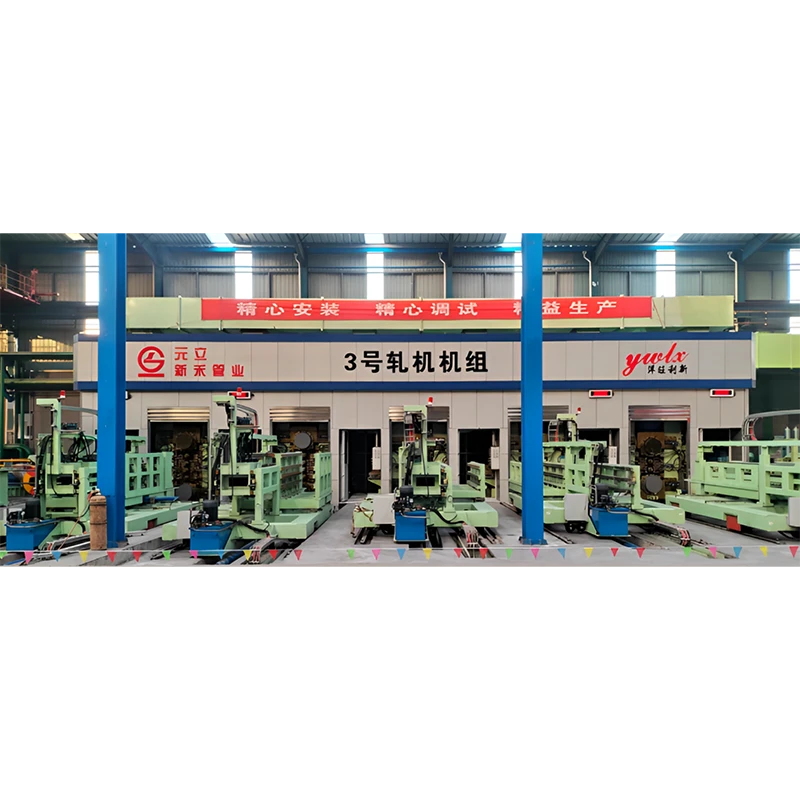
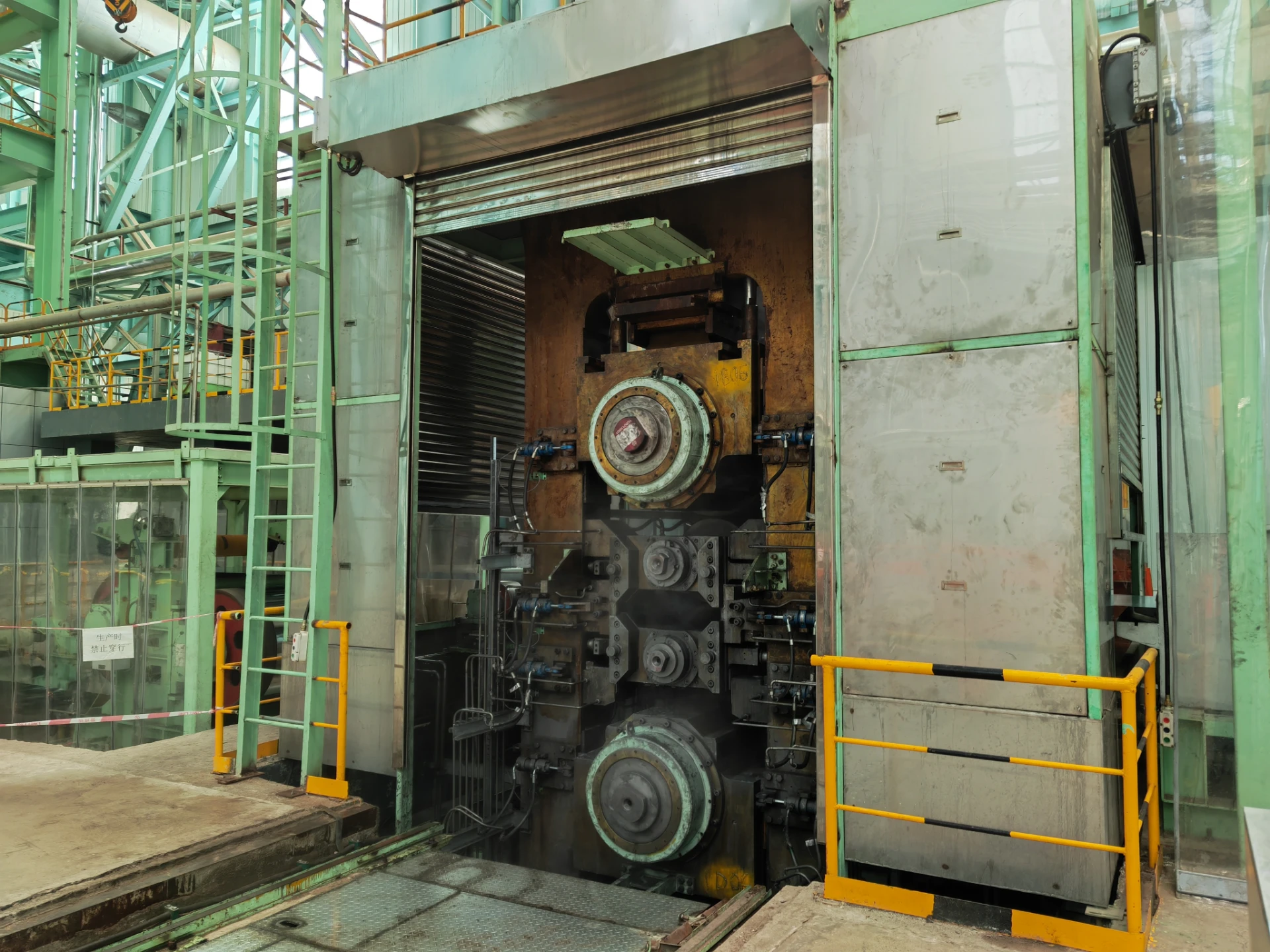
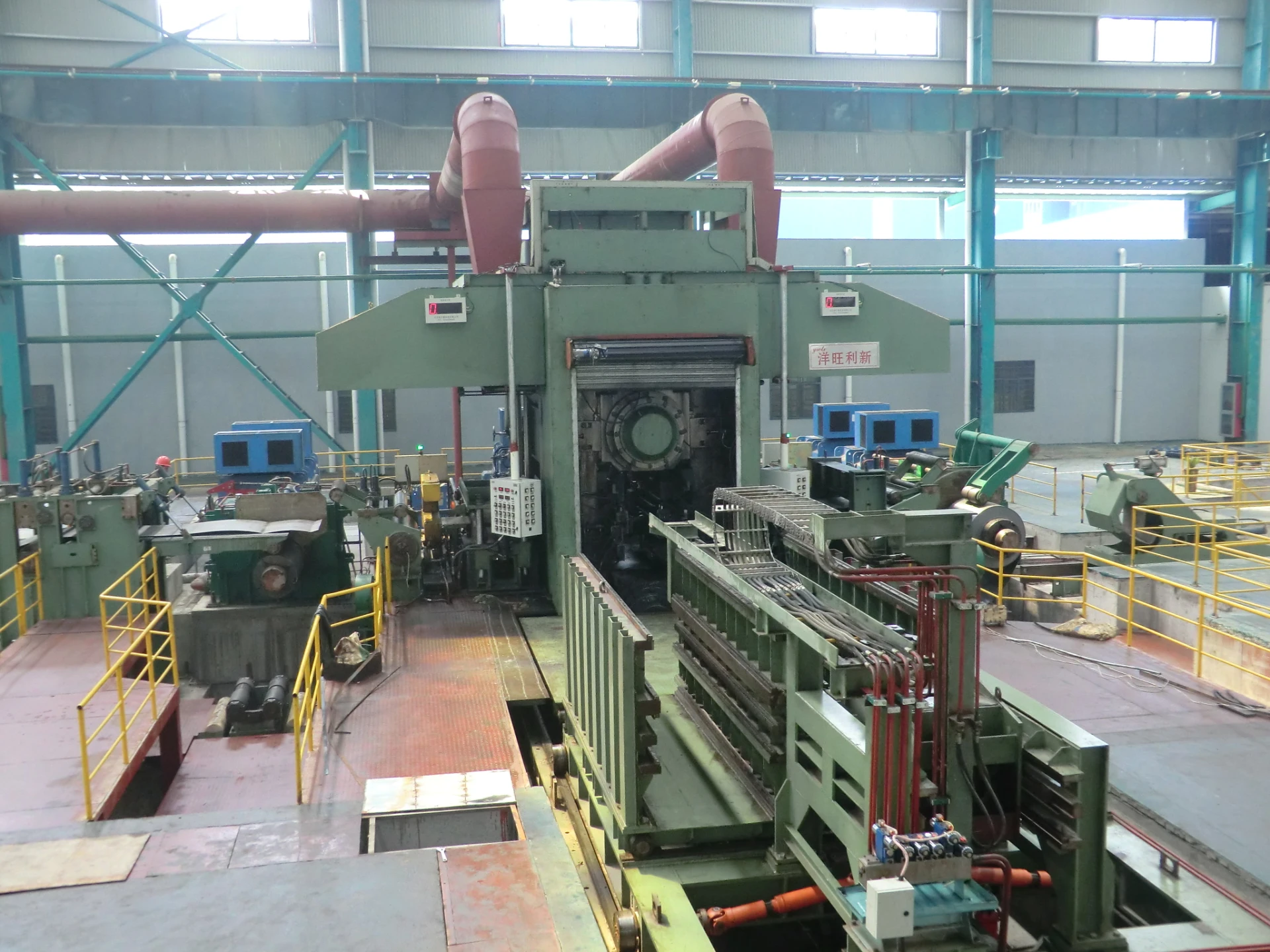
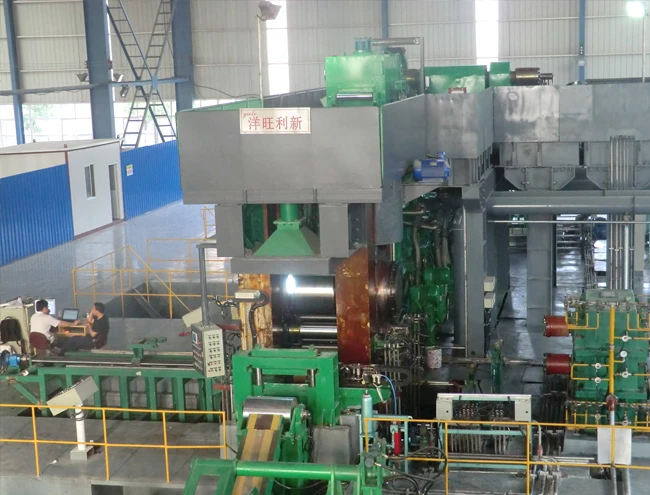
Simply put, промышленные станы (or industrial rolling mills) are heavy-duty machines that roll metal slabs, sheets, or strips to reduce thickness, achieve uniformity, or impart special properties like hardness or flexibility. Think of them as giant mechanical hands shaping raw metal into forms you actually use.
While at first, it sounds technical, their influence links directly to everyday objects — from bridges and buildings to cans and aircraft frames. Their versatility also helps humanitarian efforts by enabling the speedy creation of durable materials needed after disasters or in infrastructure-poor regions.
Mini takeaway: Promyshlennye stany translate raw metal into usable forms, which is crucial for many sectors worldwide.
Core Components that Define промышленные станы
1. Durability
These mills face extreme forces and repetitive workloads daily, so their engineering emphasizes robustness and wear resistance. Materials like cast steel or forged rolls extend life spans.
2. Scalability
From small-scale finishing lines to massive steelworks, промышленные станы come in various sizes. Their design flexible enough to fit batch production or continuous manufacturing lines.
3. Precision Control
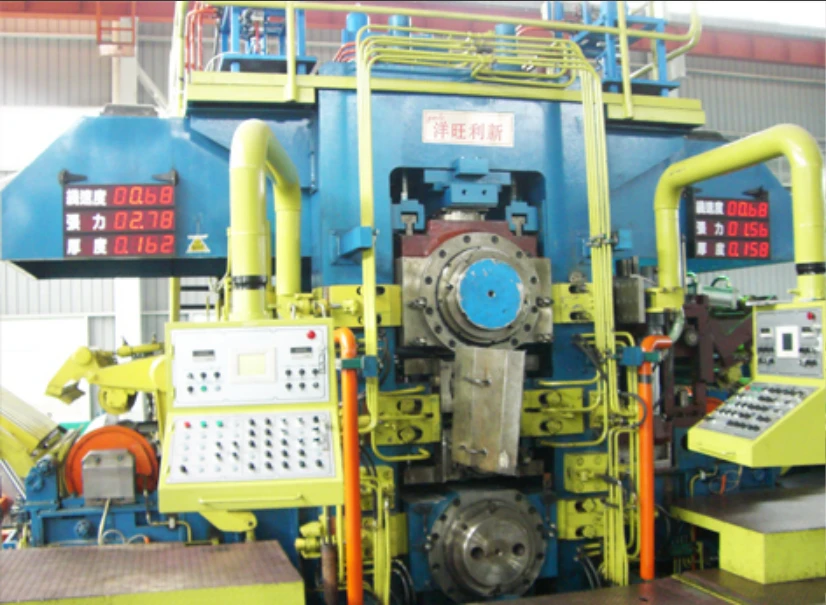
Modern rolling mills use sensors and smart controls to adjust rolling pressures and speeds—not just eyeballing it anymore. This keeps products tight to specification, reducing waste.
4. Energy Efficiency
Energy consumption is a huge factor, especially with electrification trends. Many mills now integrate regenerative drives that feed power back to the grid or factory systems.
5. Customization
Depending on target materials and product properties, rolls' materials, shapes, and cooling systems vary a lot. Tailoring these features allows special alloys or ultrathin sheets to be produced.
Mini takeaway: The best промышленные станы marry toughness, flexibility, precision, efficiency, and customization to meet industrial demands.
Real-World Applications: Where Are промышленные станы in Action?
The picture you might have is a giant factory somewhere, but промышленные станы have footprints worldwide. In China and India, huge rolling mills serve immense domestic markets for infrastructure. Germany and Japan focus on precision and high-grade specialty alloys. The U.S. balances between mass production and cutting-edge innovation.
Post-disaster recovery efforts sometimes deploy portable rolling setups to create replacement building materials onsite. A good example: after the 2011 Japan earthquake, temporary production lines helped rebuild steel frames faster than shipping from afar.
Remote industrial zones, like certain mining areas in Australia or Siberia, rely on local mills to prevent supply chain bottlenecks. This decentralization is a growing trend.
Mini takeaway: Whether in giant factory hubs or remote locations, промышленные станы adapt to meet immediate local and global industry needs.
Advantages and Long-Term Value of Industrial Rolling Mills
- Cost Effectiveness: By improving material yield and reducing defects, rolling mills cut down scrap and improve profits.
- Sustainability: Modern mills are increasingly energy conscious and generate less waste, supporting greener steel production goals.
- Safety and Reliability: Automation and precision controls ensure safer operations and consistent product quality.
- Social Impact: The availability of superior materials underpins infrastructure development and improved living standards.
- Innovation Catalyst: Tailored alloys and thinner gauges enable breakthroughs in automotive weight reduction and aerospace efficiency.
Mini takeaway: Beyond raw production, промышленные станы drive economic value, sustainability, and innovation in metalworking industries.
Future Trends Shaping промышленные станы
If you peek into an industrial R&D lab, you’ll spot a lot of green energy and digital transformation buzz around rolling mills. Electrification is reaching deeper, with electric arc furnace steels fed directly into mills. Add sensors and AI-powered predictive maintenance; downtime drops dramatically.
Materials evolve too — lighter, stronger alloys require new rolling techniques and mill configurations. Plastics and composites sometimes blend into metal sheets, needing hybrid approaches.
Mini takeaway: The future’s rolls around smarter, cleaner, and more adaptable промышленные станы, linked tightly to sustainability goals and Industry 4.0.
Challenges and Practical Solutions in Industrial Rolling
Like most heavy industry, промышленные станы face challenges: wear and tear, energy costs, and adapting to new materials quickly. However, solutions are evolving:
- Wear mitigation: New coatings and roll materials last longer.
- Energy use: Implementing regenerative braking and energy recovery systems.
- Material shifts: Modular mill designs allow quick swaps for different alloys or gauges.
- Skilled workforce: Upskilling operators with AR and virtual training keeps expertise up-to-date.
Mini takeaway: While challenges exist, constant innovation and smart operators keep промышленные станы on the industry’s leading edge.
Technical Specifications of a Typical Industrial Rolling Mill
| Parameter | Specification |
|---|---|
| Type | 4-high cold rolling mill |
| Roll Diameter | 500 mm |
| Max Rolling Speed | 120 m/min |
| Max Rolling Force | 3000 kN |
| Control System | PLC with real-time sensor feedback |
| Energy Supply | 3-phase 400V AC with energy recovery |
Vendor Comparison: Top Industrial Rolling Mill Suppliers
| Vendor | Product Range | Energy Efficiency | Tech Integration | Global Service Support |
|---|---|---|---|---|
| SteelTech Corp. | Cold & Hot Rolling Mills | High (Energy Recovery) | AI-powered control | 24/7 Worldwide |
| MetaRoll Systems | Specialty Alloy Mills | Moderate | IoT-enabled analytics | Regional, Asia & Europe |
| GlobalRoll Inc. | Modular Rolling Mill Systems | High | Cloud-based maintenance | Global 15+ countries |
FAQ: Quick Answers About промышленные станы
Q1: What makes modern промышленные станы more efficient than older models?
Modern промышленные станы combine advanced sensors, automation, and energy recovery systems, reducing waste and power use while increasing throughput and product precision. Older mills lacked these integrated controls, meaning more manual adjustments and higher operating costs.
Q2: How durable are rolling mill components in heavy-duty industrial settings?
Components such as rolls, bearings, and frames are made from high-grade alloys or forged steel designed for high wear resistance. With regular maintenance, they can last several years, even under intense workloads. Advancements in coatings also extend service life.
Q3: Can промышленные станы accommodate new lightweight alloys?
Absolutely, but sometimes retrofitting or modular upgrades are necessary. New alloys often require precise temperature control and slower rolling speeds, which modern mills can handle with fine programmability.
Q4: Are there portable or modular промышленные станы for on-site production?
Yes, some vendors offer modular rolling mills that can be shipped and assembled in remote locations, enabling faster response in disaster relief or isolated industrial projects.
Conclusion: Why Investing in промышленные станы Makes Industrial Sense
All things considered, промышленные станы aren’t just heavy machines clanking in factories — they’re integral cogs in the wheel of industrial evolution. From enabling large infrastructure projects to supporting innovative alloys and sustainable production, they blend tradition with future-ready technology. For companies, investing in advanced промышленные станы can improve efficiency, cut costs, and aid in meeting global environmental targets.
If you want to explore options and get reliable industrial rolling mills tailored to your needs, don’t hesitate to visit промышленные станы for cutting-edge solutions and expert guidance today.
References
-
Ship Multi-Project Equipment on the Lantern FestivalNewsMar.03,2026
-
YWLX Deep Dives into Cladding Line with Dubai ClientNewsDec.22,2025
-
1450mm 6-Hi Reversing Mill Goes Live in BangladeshNewsOct.28,2025
-
Sep. 3rd Parade: Carry Forward and Press OnNewsSep.03,2025
-
Indian Clients Visit YWLX to Inspect Skin-pass MillNewsJun.22,2025
-
Full- throttle! YWLX's Intense Production During May DayNewsMay.01,2025
-
YWLX Participated in the 2025 Chinese GAP Program Review ConferenceNewsApr.17,2025