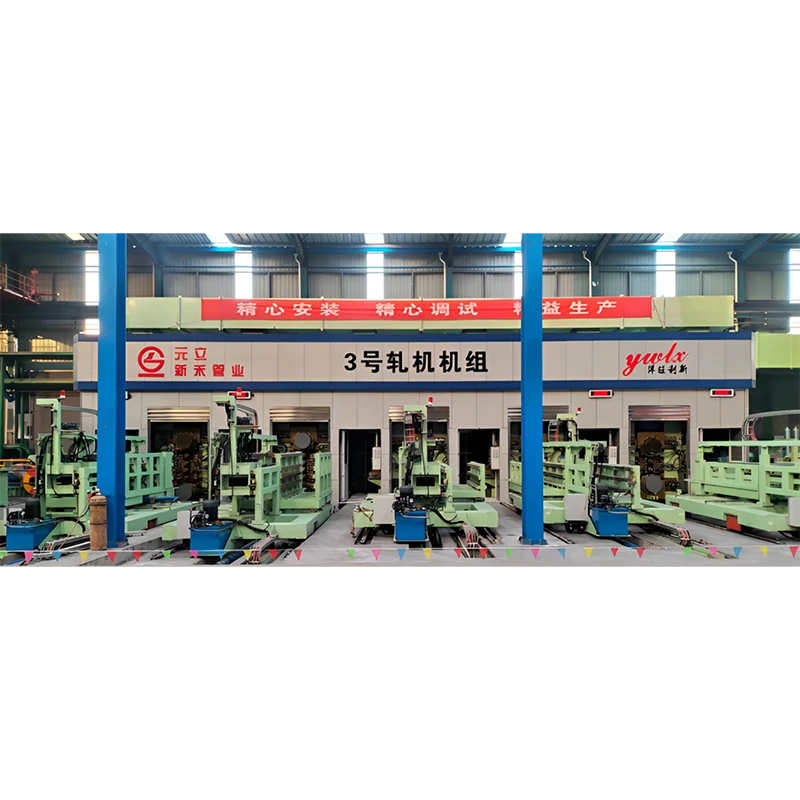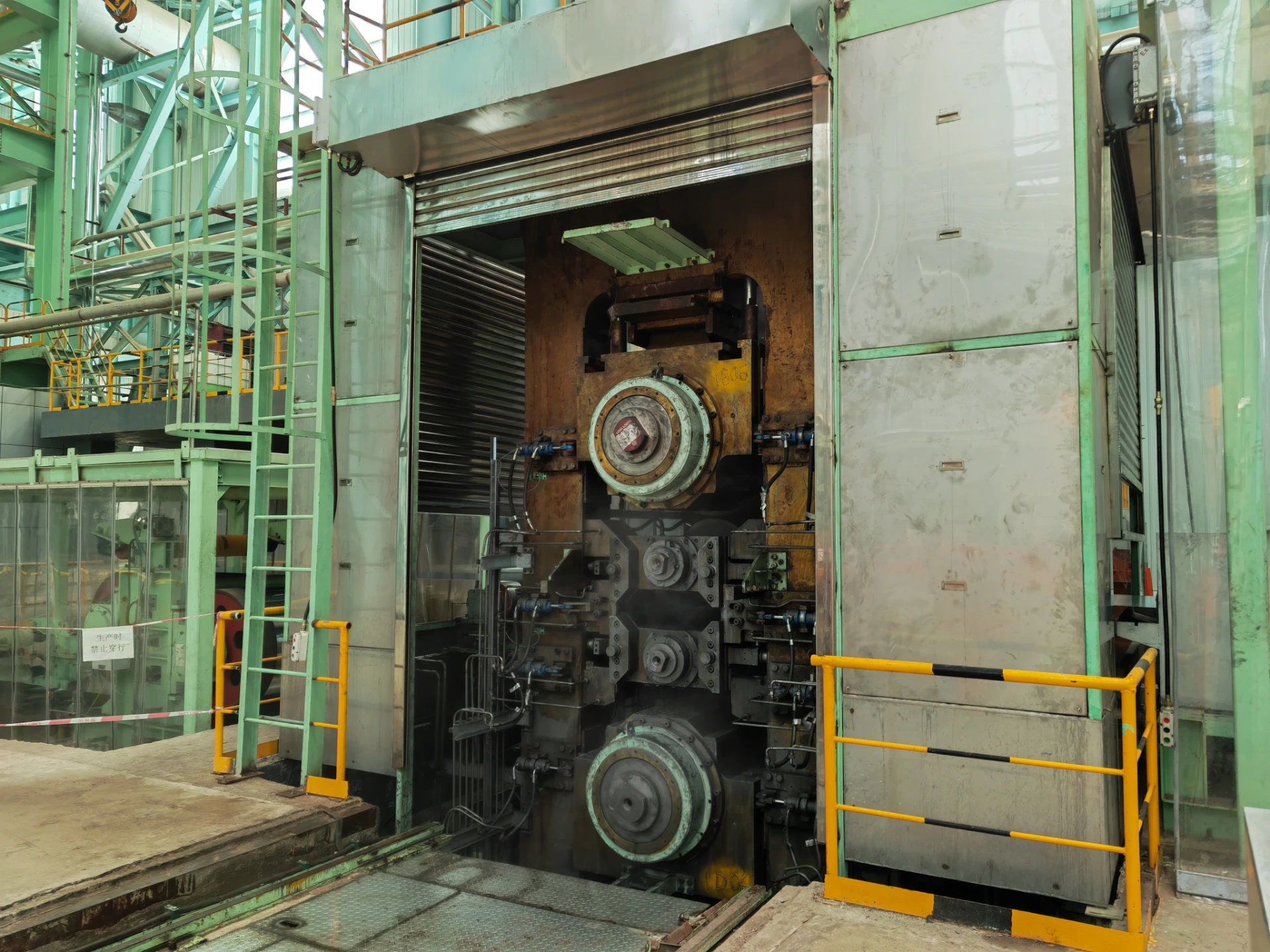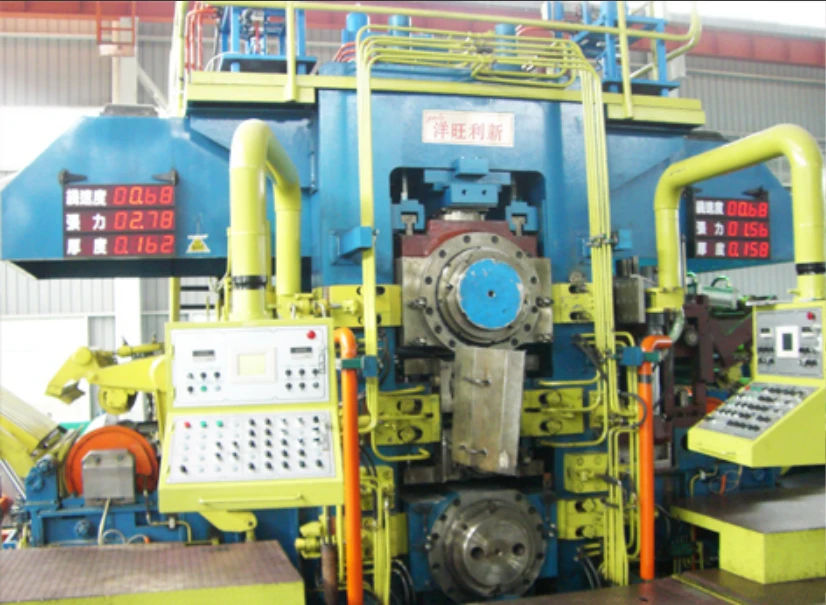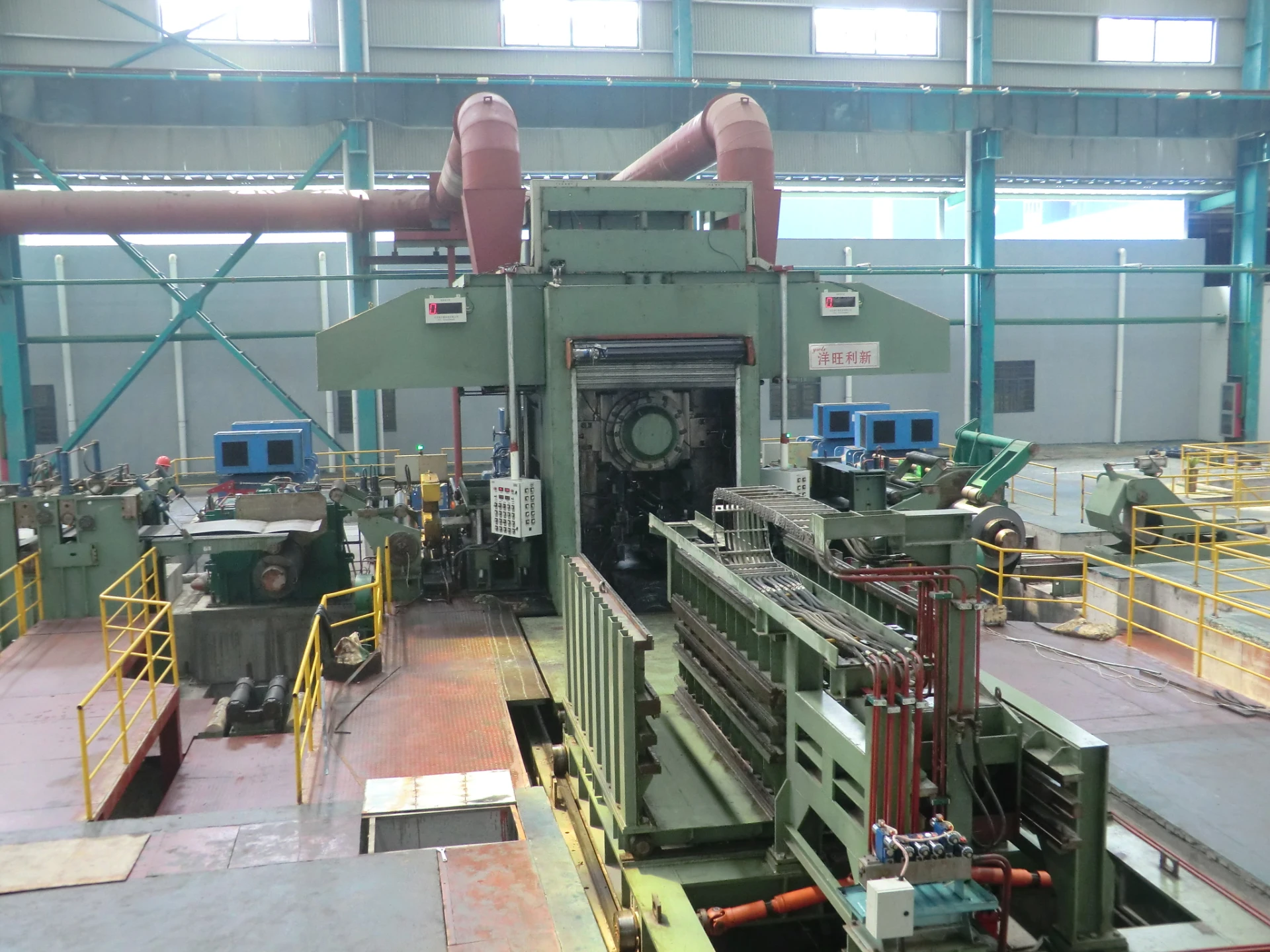
Cladding Rolling Mill FAQ: Specifications, Ordering and Support Questions
QUESTIONS & ANSWERS
Cladding Rolling Mill FAQ: Specifications, Ordering and Support Questions
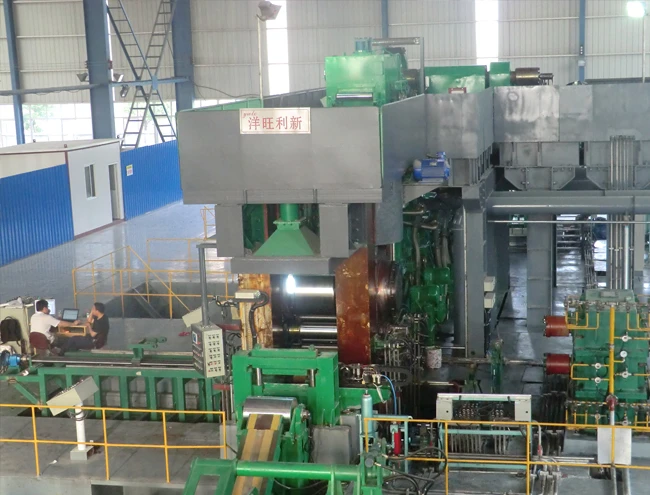
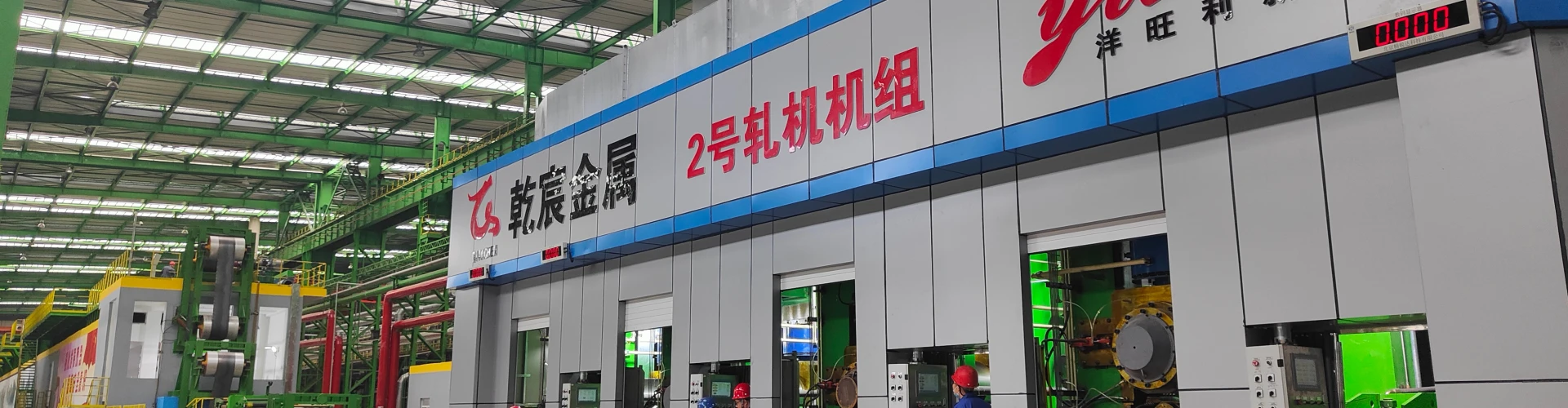
This FAQ answers common buyer and procurement questions about the cladding rolling mill offered by Beijing Yang Wang Li Xin Sci&Tech Co.,Ltd. Topics include how cold rolling bonding differs from traditional hot rolling, why acid pickling is eliminated, the three-phase production workflow, achievable material yield, supported industries and base materials, environmental and energy benefits, process control capabilities, and capital investment considerations.

Frequently Asked Questions About Cladding Rolling Mills
Beijing Yang Wang Li Xin Sci&Tech Co.,Ltd. designs and manufactures cold rolling bonding equipment for composite metal strip production. The questions below address the specifications, process details, applications, and ordering considerations that buyers and procurement teams most commonly raise.
What is a cladding rolling mill, and how does it differ from older methods?
This type of equipment bonds two or more dissimilar metal strips through a cold rolling process, producing a composite strip with controlled thickness and surface properties. Historically, exploding cladding and hot rolling cladding were the dominant production methods. Those approaches are associated with low surface quality, reduced yield, high energy consumption, and significant investment in environmental compliance. Cold rolling eliminates the need to reheat strips before bonding, which prevents surface oxide formation and removes the need for acid pickling after rolling — meeting modern energy conservation and environmental protection standards.
Why is acid pickling not needed?
Because the cold rolling process is used, no oxides adhere to the strip's surface during rolling. Without surface oxides, the costly and time-consuming acid pickling stage that is mandatory in heat-based methods is simply not necessary. Strips leave the line with an oxide-free finish ready for downstream processing, while chemical waste and compliance costs are substantially reduced.
What are the three main production phases?
The process is structured into three core stages:
- Pre-rolling surface treatment — strip surfaces are cleaned and prepared before bonding.
- Bonding rolling — strips are bonded under precise cold rolling pressure.
- Annealing treatment — the bonded composite strip undergoes controlled annealing to reach the required mechanical and metallurgical properties.
This simplified workflow reduces process complexity, shortens lead times, and lowers overall investment relative to multi-stage traditional lines.
What material yield can buyers expect, and how does it compare with traditional hot rolling?
The equipment achieves a material yield above 90%. Comparative product data indicates that traditional hot rolling lines typically operate at a lower range — the documentation references approximately 70–85% for conventional methods. The higher yield directly reduces raw material waste and lowers the effective cost per unit of finished strip.
Which industries use composite strips produced on this equipment?
Documented applications span several sectors:
- Electronics — replacing non-ferrous materials and stainless steel in components requiring precise, oxide-free bonded surfaces.
- Decorative materials — where surface finish quality is critical.
- Chemical industry — where corrosion-resistant composite layers are required.
- Automotive — a documented end-use sector for composite strips produced on this equipment.
Copper, aluminum, and stainless steel are referenced as typical base materials for bimetal bonding.
What are the key environmental and energy advantages?
- No reheating before rolling: Eliminating the reheat stage substantially lowers total energy consumption and reduces the carbon footprint of the production line.
- No acid pickling: Removing the acid treatment stage eliminates hazardous chemical waste, aligning the process with government requirements for energy conservation and environmental protection.
Together, these reduce both operating expenditure and environmental compliance burden relative to traditional explosive or hot rolling methods.
What process control and monitoring capabilities are included?
The product documentation describes an integrated management platform covering:
- Yield monitoring — real-time tracking of material output to maintain yield above 90%.
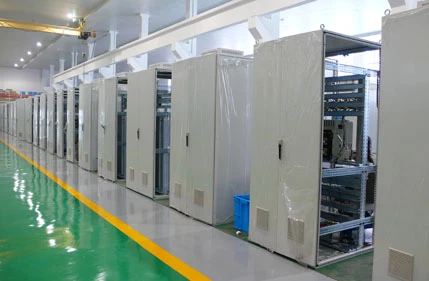
- Process control — integrated management of surface treatment and bonding parameters.
- Quality alerts — instant notification for surface irregularities or bonding deviations.
- Energy tracking — monitoring of power consumption to validate energy conservation performance.
- Spare parts management — automated inventory tracking for critical mill components.
- Annealing control — precision temperature and timing management for post-rolling treatment.
- Maintenance scheduling — predictive maintenance alerts to minimize downtime.
How does the capital investment compare with a traditional hot rolling line?
Product documentation consistently indicates that this equipment requires lower initial capital expenditure than a traditional hot rolling or explosive cladding line, and that the simplified three-phase process also reduces ongoing operational costs. Combined with a yield rate above 90%, this supports a faster return on investment. For specific pricing or project budgeting, contact Beijing Yang Wang Li Xin Sci&Tech Co.,Ltd. directly at www.bjywlx.com.
THE PEOPLE

About the author
THE COMPANY
Beijing Yang Wang Li Xin Sci&Tech Co.,Ltd.
Visit company website ↗YOUR NEXT STEP
Bring your brief. Start a useful conversation.
Use case, specification, quantity and delivery window: make the next conversation specific.
-
Ship Multi-Project Equipment on the Lantern FestivalNewsMar.03,2026
-
YWLX Deep Dives into Cladding Line with Dubai ClientNewsDec.22,2025
-
1450mm 6-Hi Reversing Mill Goes Live in BangladeshNewsOct.28,2025
-
Sep. 3rd Parade: Carry Forward and Press OnNewsSep.03,2025
-
Indian Clients Visit YWLX to Inspect Skin-pass MillNewsJun.22,2025
-
Full- throttle! YWLX's Intense Production During May DayNewsMay.01,2025
-
YWLX Participated in the 2025 Chinese GAP Program Review ConferenceNewsApr.17,2025