Automatic Gauge Control System For Modern Rolling
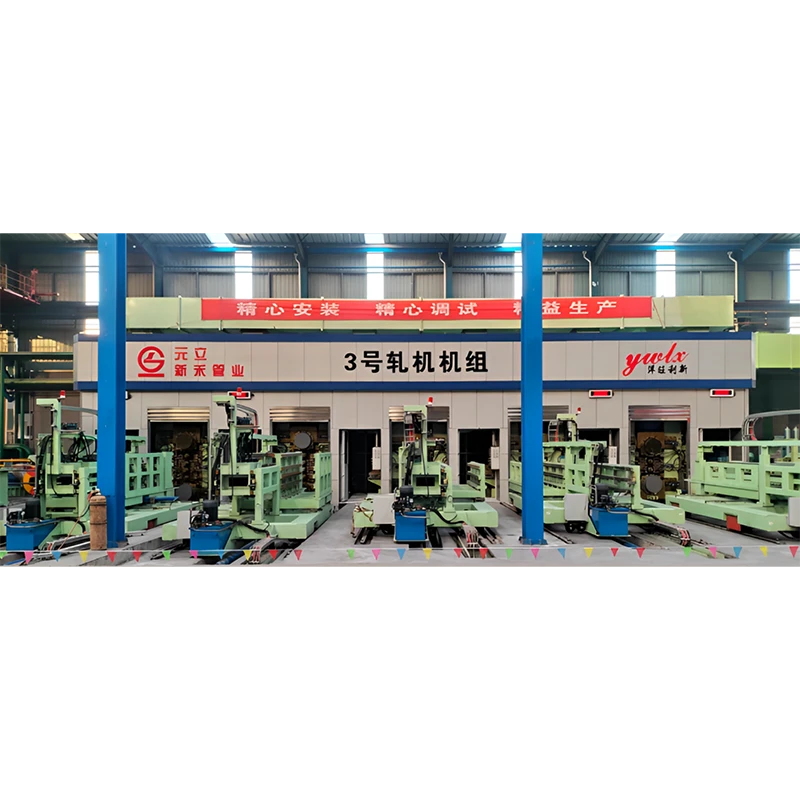
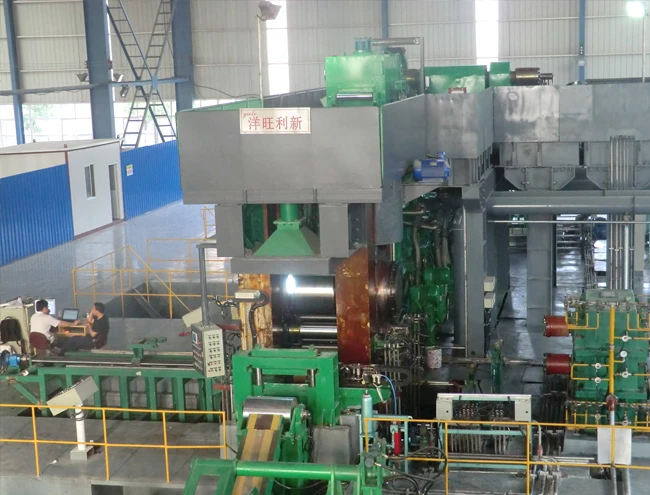
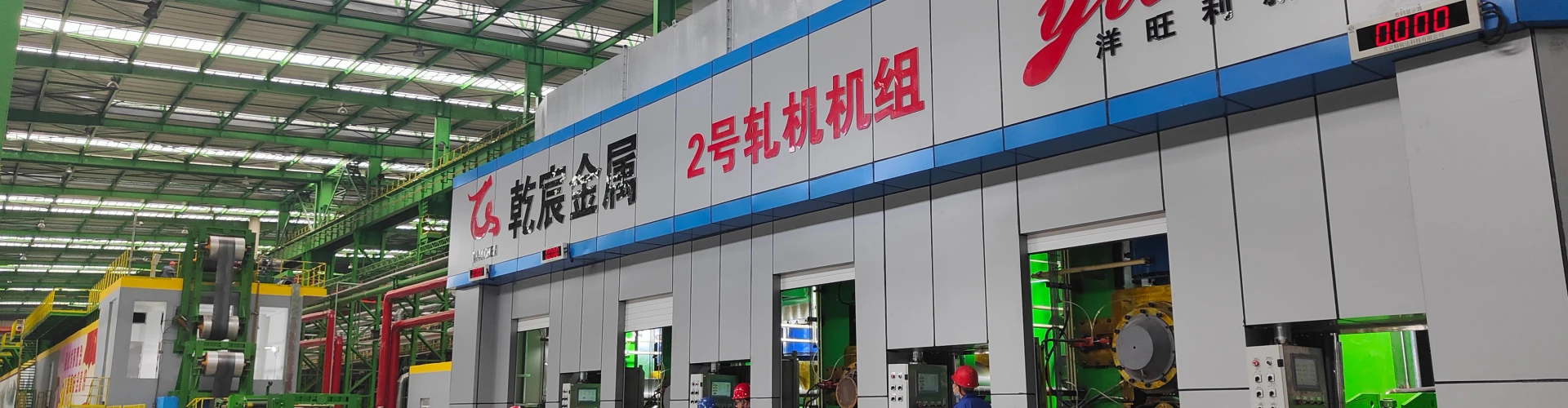
In modern steel rolling, the automatic gauge control system has become a critical solution for precision and efficiency. This system monitors and adjusts strip thickness in real time, ensuring that every batch of production meets the required standards. For industries producing automotive steel, construction steel, or high-grade sheet materials, this precision is non-negotiable. Without such a system, thickness variations can lead to serious product rejections, loss of materials, and higher customer complaints.
One of the main reasons companies adopt automatic gauge control is cost savings. By reducing scrap, optimizing raw material usage, and minimizing rework, businesses can improve profit margins significantly. Another benefit is reputation—manufacturers who consistently deliver high-quality products gain customer trust, which leads to repeat contracts and long-term partnerships.
Take for example a large steel producer in Southeast Asia that integrated an advanced automatic gauge control system into its rolling mill. Within a year, it reduced production waste by 12% and increased customer satisfaction ratings, allowing the company to expand exports to new markets. This case highlights the practical value of implementing modern control systems.
YangWang LiXin has been providing automatic gauge control solutions that meet international benchmarks. Their systems are known for reliability, user-friendly operation, and easy integration into existing production lines. With digital innovations and continuous R&D, YangWang LiXin ensures that clients remain competitive in an industry that demands precision.
Precision Control With AGC Controller
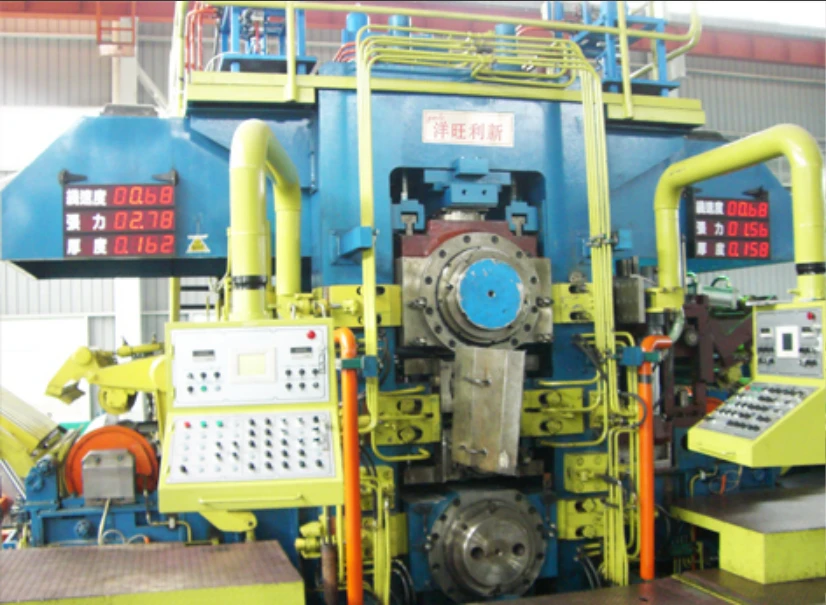
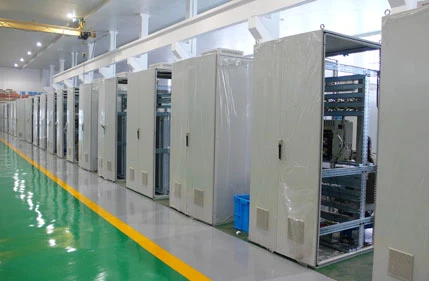
The agc controller is the brain of modern rolling mills. It automatically adjusts rolling force and tension to maintain consistent thickness, even under variable conditions such as temperature fluctuations or changes in material hardness. Unlike manual methods, which are prone to human error, AGC controllers ensure reliability and repeatability across every production cycle.
The benefits go beyond accuracy. A good AGC controller reduces downtime by detecting deviations instantly and correcting them before they lead to breakdowns. It also helps save on labor costs since operators can focus on monitoring rather than constant manual adjustments. For high-volume steel mills, this translates into faster production rates and significant annual savings.
For example, a mid-sized plant in Eastern Europe adopted a modern AGC controller to replace its outdated system. Within six months, the plant reported a 20% improvement in throughput and reduced maintenance costs. Customers began noticing improved product quality, which resulted in new supply contracts from automotive manufacturers.
YangWang LiXin designs AGC controllers that are adaptable to different rolling mill types, whether cold or hot rolling. They focus on ease of installation, intuitive interfaces, and compatibility with other automation technologies. This makes them a go-to choice for plants that want precision without unnecessary complexity. 
Benefits Of Hydraulic Automatic Gauge Control
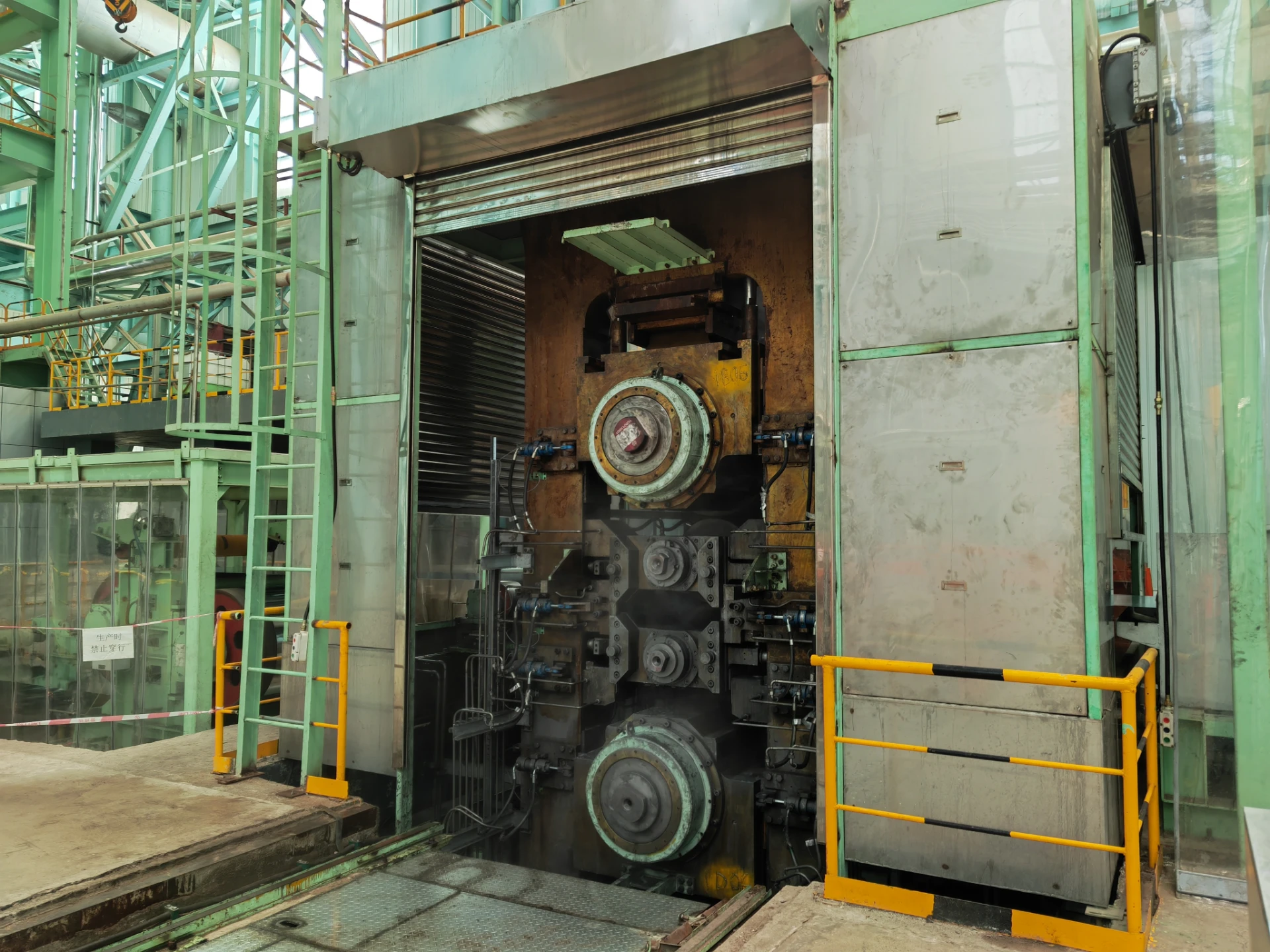
For industries seeking faster response times, the hydraulic automatic gauge control system is an advanced solution. Unlike purely electronic systems, hydraulic AGC uses fluid actuators that respond almost instantly to rolling pressure changes. This makes it ideal for applications requiring ultra-thin strip rolling or products where high uniformity is essential.
Hydraulic systems are widely used in aluminum foil rolling, stainless steel sheets, and specialty alloys. They allow rolling mills to achieve consistent results even when dealing with challenging materials. Hydraulic AGC reduces vibration, improves surface finish, and increases the service life of equipment.
One leading aluminum producer in India reported that after installing hydraulic AGC, their defect rate dropped by 15%, and energy consumption decreased by 8%. These improvements gave them a competitive advantage in both domestic and international markets.
YangWang LiXin provides hydraulic AGC solutions tailored to client needs. Their systems are durable, energy-efficient, and built for long-term performance. Customers value their support services, which include installation, training, and after-sales maintenance. For businesses aiming to improve their bottom line, hydraulic AGC is a proven investment.
Improving Efficiency With Automatic Pressure Control
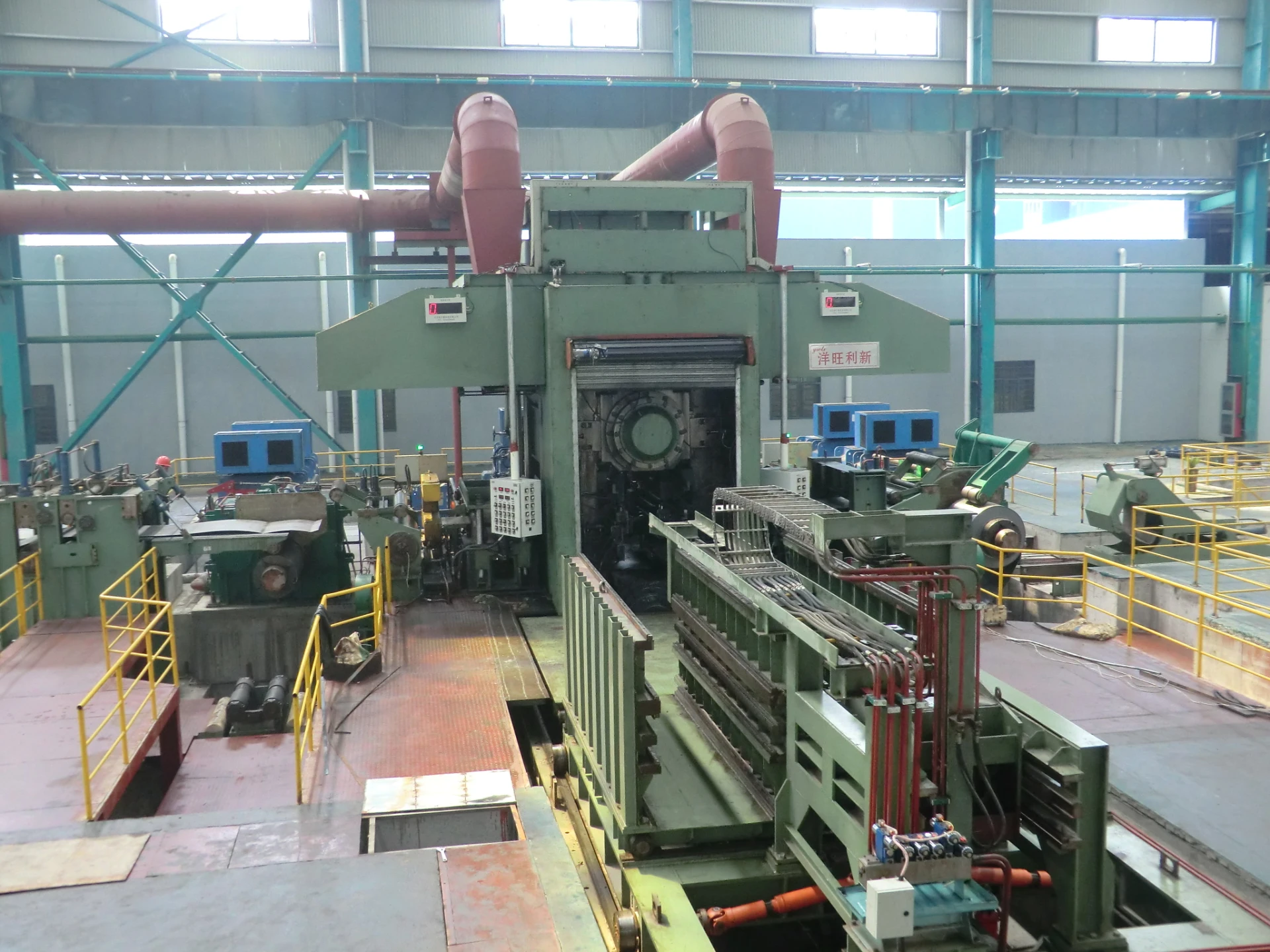
Rolling operations depend heavily on stable pressure. An automatic pressure control system ensures that rolling force is balanced, reducing stress on equipment and minimizing irregularities. This is particularly valuable in large-scale production, where even small pressure inconsistencies can cause serious defects over time.
Automatic pressure control systems not only improve product quality but also extend the lifespan of expensive rolling machinery. They minimize sudden shocks, prevent uneven wear, and create a more balanced production process. By doing so, companies save money on repairs and reduce downtime.
For instance, a rebar producer in South America installed automatic pressure control to stabilize its rolling mill operations. The result was fewer unexpected stoppages, smoother rolling cycles, and better energy efficiency. This allowed the company to expand production while keeping costs under control.
YangWang LiXin offers advanced automatic pressure control systems designed for both new and existing rolling lines. Their technology is adaptable, meaning plants don’t need to overhaul entire systems to benefit from upgrades. This makes it a practical and cost-effective choice for businesses looking to modernize step by step.
Tension Control FAQs
What is the main function of an automatic gauge control system?
It ensures precise strip thickness, reduces scrap, and improves quality in rolling operations.
How does an agc controller improve rolling mill efficiency?
It automatically regulates rolling parameters, reduces human error, and boosts production consistency.
Why should industries invest in hydraulic automatic gauge control?
Hydraulic AGC offers faster response, better uniformity, and reduced defects in thin strip rolling.
What are the advantages of automatic pressure control?
It stabilizes rolling force, lowers equipment wear, and improves energy efficiency in large-scale production.
Why is tension control important in rolling mills?
It prevents strip breakage, ensures uniform coil winding, and maintains consistent product quality.
-
Ship Multi-Project Equipment on the Lantern FestivalNewsMar.03,2026
-
YWLX Deep Dives into Cladding Line with Dubai ClientNewsDec.22,2025
-
1450mm 6-Hi Reversing Mill Goes Live in BangladeshNewsOct.28,2025
-
Sep. 3rd Parade: Carry Forward and Press OnNewsSep.03,2025
-
Indian Clients Visit YWLX to Inspect Skin-pass MillNewsJun.22,2025
-
Full- throttle! YWLX's Intense Production During May DayNewsMay.01,2025
-
YWLX Participated in the 2025 Chinese GAP Program Review ConferenceNewsApr.17,2025